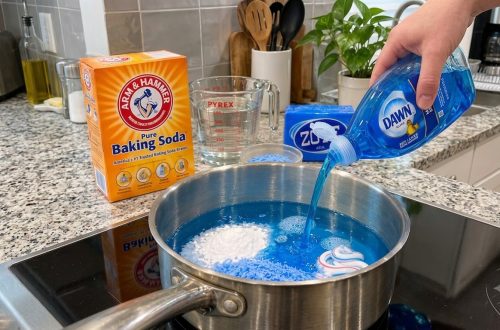
Dirty Laundry Rescue: A Simple Way to Tackle Stubborn Mud Stains!
Got white shirts covered in mud, towels that look dingy, or clothes with stubborn dirt stains? Before giving up on them, try this simple laundry routine using a few everyday household ingredients! You’ll be amazed at how effectively you can bring your favorite garments back to life without harsh chemicals.
The secret isn’t a miracle mixture. It’s proper pretreatment, gentle scrubbing, and a thorough wash that unlocks the cleaning power of household staples. This guide will walk you through a budget-friendly and effective approach to deep cleaning your laundry, especially when facing those notorious mud and dirt marks.
The Secret to Sparkling Clean Laundry
Unlock the secret to brilliantly clean laundry with this powerful natural duo: white vinegar and baking soda! These two common household heroes work wonders on tough stains and leave your clothes remarkably fresh. While they shouldn’t be mixed directly in concentrated forms for cleaning (as their reactions can neutralize their individual cleaning strengths), they are incredibly effective when used strategically in separate steps or diluted.
Why This Method Works
Baking soda (sodium bicarbonate) is a mild alkali and a natural deodorizer. It helps to lift dirt and grease from fabrics, brightens whites, and neutralizes odors by bringing dirt particles to the surface. White distilled vinegar, an acetic acid, helps to break down mineral deposits, dissolve greasy residues, soften fabrics, and kill bacteria and mold. It’s excellent for rinsing away detergent residue, leaving clothes softer and brighter without needing fabric softener.
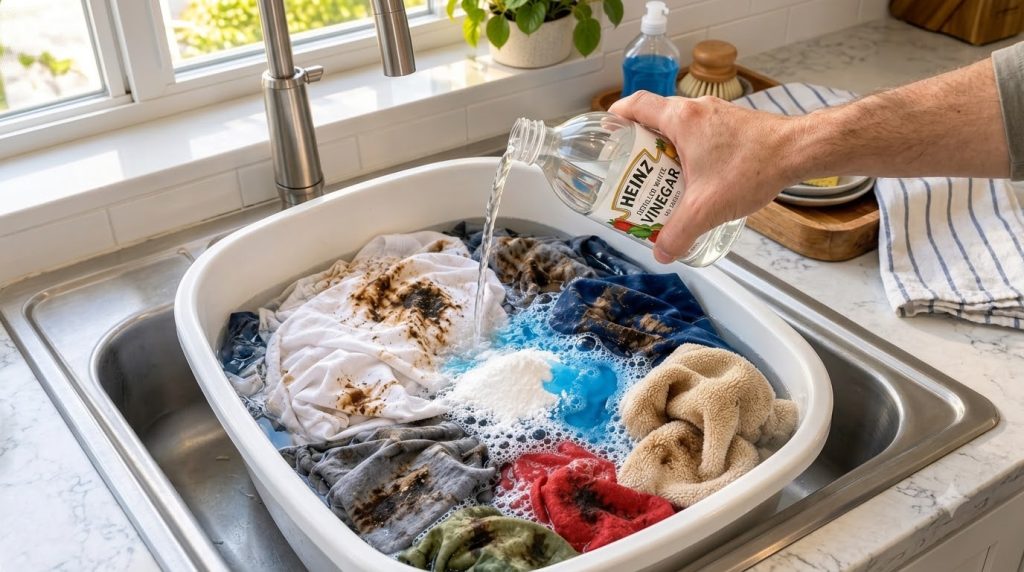
What You’ll Need
- 1 basin of lukewarm water (approximately 4 liters / 1 gallon)
- 2 tablespoons (30 mL) liquid laundry detergent
- 1 tablespoon (15 g) baking soda (optional, but recommended for extra cleaning power and odor removal)
- ½ cup (120 mL) distilled white vinegar, for a separate treatment if suitable for the fabric
- A soft laundry brush or your hands
- Clean water for rinsing
Step-by-Step Instructions
Follow these detailed steps to give your dirty laundry a new lease on life.
- Step 1: Prepare the Laundry
Before soaking, it’s crucial to remove as much loose dirt and mud as possible. Shake or brush off dried mud gently. For thick, wet mud stains, rinse the fabric under cool running water first. Avoid using hot water at this stage, as it can set some stains, especially protein-based ones. - Step 2: Make the Cleaning Solution
Fill a basin with approximately 4 liters (1 gallon) of lukewarm water. Add 2 tablespoons of your regular liquid laundry detergent. If you’re dealing with particularly stubborn stains or odors, now is the time to add 1 tablespoon of baking soda. Stir the mixture until the detergent is evenly distributed and the baking soda has dissolved. - Step 3: Soak the Dirty Clothes
Carefully place the stained clothes into the cleaning solution, ensuring they are fully submerged. Let them soak for at least 30 minutes, or up to a few hours for very heavily soiled items. The longer soak time allows the detergent and baking soda to penetrate the fabric fibers and begin breaking down the dirt and grime. Periodically, you can gently agitate the clothes with your hands or a soft brush to help dislodge particles. - Step 4: Gentle Scrub and Initial Rinse
After soaking, remove the clothes from the basin. Using a soft laundry brush or your hands, gently scrub the stained areas. Focus on the mud spots, working the solution into the fabric. Once you’ve scrubbed the visible stains, rinse the clothes thoroughly under clean running water to remove the initial cleaning solution and any loosened dirt. - Step 5: The Vinegar Boost (Optional, but Recommended)
For an extra boost of freshness, stain removal, and fabric softening, prepare a separate rinse. Fill another basin with about 2 liters of cool water and add ½ cup (120 mL) of distilled white vinegar. Submerge the pre-cleaned clothes in this vinegar solution and let them soak for another 15-30 minutes. This step is particularly effective for neutralizing lingering odors and brightening whites. Always ensure the fabric is suitable for vinegar; most common laundry fabrics are fine, but check care labels for delicate items. - Step 6: Final Rinse and Wash
Remove the clothes from the vinegar solution and rinse them thoroughly with clean water until all soap and vinegar residue is gone. Finally, you can either hang them to dry or proceed with a regular machine wash cycle using your usual detergent. For best results on very stubborn items, consider air-drying them in the sun, as sunlight can further help bleach out remaining stains.
Important Tips for Best Results
- Act Fast: The sooner you treat a mud stain, the easier it will be to remove.
- Test First: Always test any cleaning solution on an inconspicuous area of the fabric to ensure colorfastness.
- Avoid Heat: High heat, especially from a dryer, can set stains permanently. Always check if stains are gone before drying.
- Consider the Fabric: While this method is safe for most cottons, synthetics, and blends, exercise caution with very delicate fabrics like silk or wool.
- Ventilation: Ensure good ventilation when working with cleaning solutions, even natural ones.
When to Call in the Pros
While this DIY method is incredibly effective for most mud and dirt stains, some extremely old or deeply ingrained stains might require professional attention. If, after several attempts, a stain persists, consider taking the garment to a reputable dry cleaner or laundry service. They often have specialized products and techniques for challenging stains.
Give this budget-friendly and natural laundry hack a try the next time you face a pile of dirty clothes. You’ll not only save money but also enjoy the satisfaction of sparkling clean, fresh laundry, all thanks to the simple power of your pantry staples! What’s your go-to laundry hack? Share below!