Tired of having a different chemical cleaner for every household mess? You’re not alone! Many homeowners are looking for simpler, more eco-friendly, and budget-conscious ways to keep their living spaces sparkling. The good news is, you don’t need a cabinet full of specialized products to tackle common issues like stubborn mineral buildup, shower grime, fabric stains, or cloudy glassware. Often, the most effective solutions are already hiding in your pantry or medicine cabinet.
Nature has provided us with some incredible cleaning agents that are both powerful and gentle on your home and the environment. By harnessing the natural acidity of lemons, the abrasive power of baking soda, the stain-fighting properties of hydrogen peroxide, and the degreasing action of dish soap, you can achieve amazing results without harsh chemicals. Let’s dive into four practical cleaning ideas that will transform your approach to home maintenance.
Your Everyday Arsenal: 4 Cleaning Hacks You Need to Know
1. Tackle Mineral Buildup with Lemon and Baking Soda
Mineral deposits, often referred to as limescale or hard water stains, can leave unsightly white crusts around faucets and sinks. The good news is, a simple paste made from two common kitchen ingredients can cut right through them!
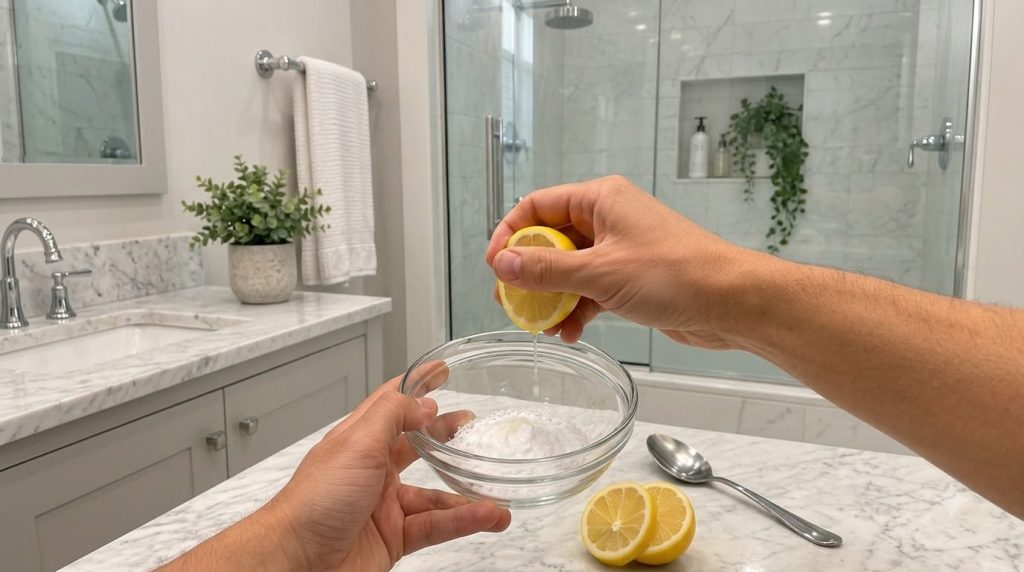
What You’ll Need:
- 2 tablespoons baking soda
- Juice of 1/2 lemon
- 1 non-scratch sponge or cloth
How to Use It:
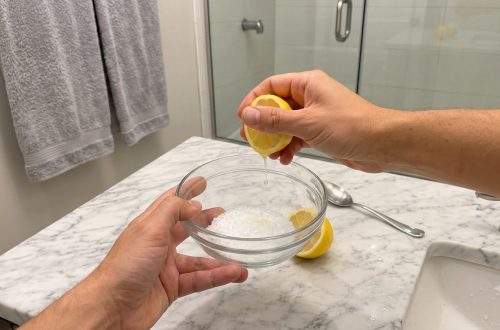
- Add the baking soda to a small bowl.
- Squeeze the lemon juice over it. The mixture will fizz gently.
- Mix into a thick, spreadable paste. Adjust consistency by adding a few more drops of lemon juice or a pinch more baking soda if needed.
- Apply the paste directly to the mineral buildup on faucets, sinks, or tile grout.
- Let it sit for 5-10 minutes to allow the acid from the lemon to break down the minerals.
- Using a non-scratch sponge or cloth, gently scrub the area in a circular motion.
- Rinse the surface thoroughly with warm water and dry with a clean cloth to reveal a sparkling finish.
Why it works: Lemon juice contains citric acid, which is excellent at dissolving mineral deposits. Baking soda acts as a gentle abrasive, helping to scrub away the loosened grime without scratching surfaces. Always test on a hidden spot first, especially on delicate finishes like polished marble.
2. Blast Shower Grime with Liquid Dish Soap
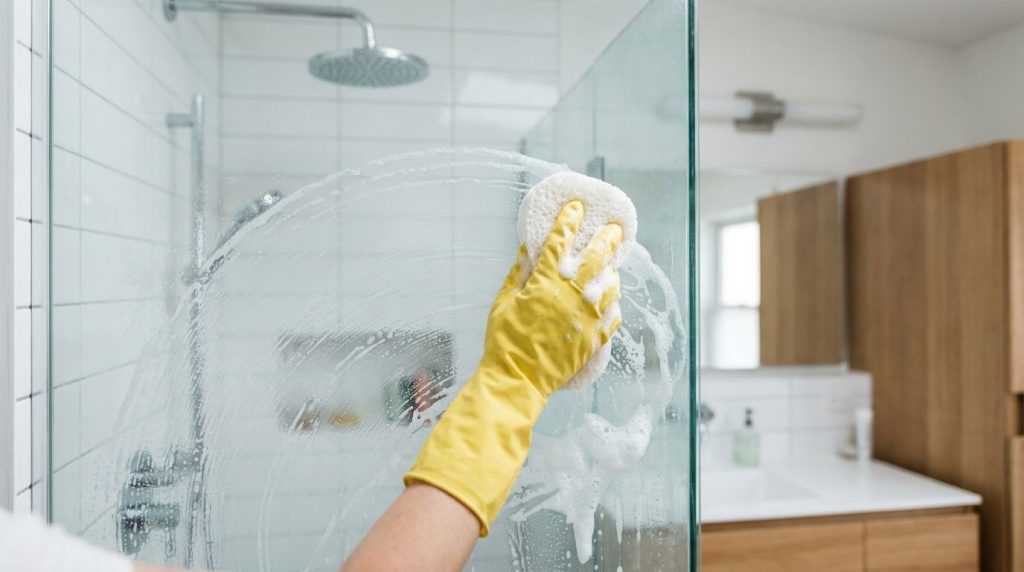
Shower grime – a delightful mix of soap scum, body oils, and hard water residue – is a common enemy in bathrooms. Before reaching for harsh chemical sprays, consider the cleaning power of ordinary liquid dish soap.
What You’ll Need:
- 1 tablespoon liquid dish soap
- 2 tablespoons warm water
- 1 sponge or microfiber cloth
How to Use It:
- In a small bowl or spray bottle, mix the liquid dish soap with warm water.
- Apply the solution to a damp sponge or spray directly onto the shower walls, doors, or tub.
- Scrub the shower surface in small sections, focusing on areas with heavier buildup. The dish soap will work to cut through grease and soap scum.
- For heavier buildup, let the suds sit for 1–2 minutes before rinsing, allowing the soap to penetrate the grime.
- Rinse thoroughly with warm water, ensuring all soap residue is washed away.
- Dry with a clean, dry cloth or squeegee to prevent new water spots.
Why it works: Dish soap is specifically designed to cut through grease and oil, which are major components of shower grime and body soil. Its gentle yet effective surfactants lift and encapsulate dirt, making it easy to rinse away.
3. Revive White Fabrics with Hydrogen Peroxide
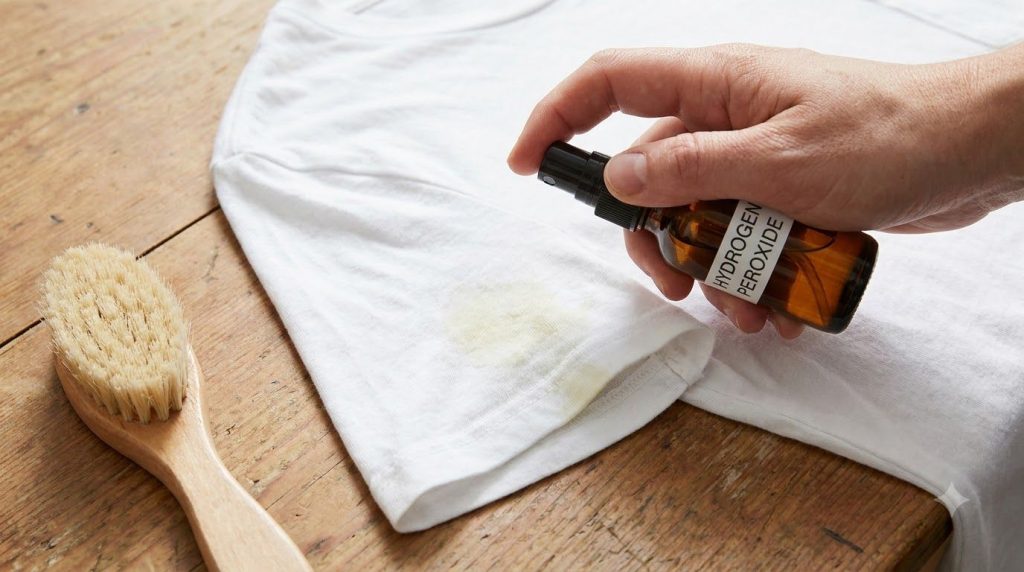
White fabrics can quickly lose their brilliance, succumbing to yellowing or stubborn stains. Hydrogen peroxide, a mild antiseptic and bleaching agent, can be a safe and effective way to restore their brightness without resorting to chlorine bleach.
What You’ll Need:
- 1/2 cup 3% hydrogen peroxide
- 1 gallon warm water
- Optional: 1/4 cup baking soda (for extra whitening boost)
How to Use It:
- For general brightening: In a large basin or laundry tub, mix 1/2 cup of 3% hydrogen peroxide with 1 gallon of warm water.
- Submerge your white fabrics (ensure they are bleach-safe, check labels) completely in the solution.
- Let them soak for at least 30 minutes, or up to a few hours for heavily dingy items.
- For stubborn stains: Apply a small amount of undiluted 3% hydrogen peroxide directly to the stain. Let it sit for 10-15 minutes, then wash as usual.
- For an extra boost, add 1/4 cup of baking soda to your peroxide soak.
- After soaking, wash the fabrics as you normally would with your regular laundry detergent.
Why it works: Hydrogen peroxide is an oxygen-based bleaching agent. It breaks down organic stains and brightens fabrics by releasing oxygen ions that disrupt chromophores (the parts of a molecule responsible for its color). It’s generally gentler and more environmentally friendly than chlorine bleach.
4. Bring Back the Sparkle to Cloudy Glassware with White Vinegar
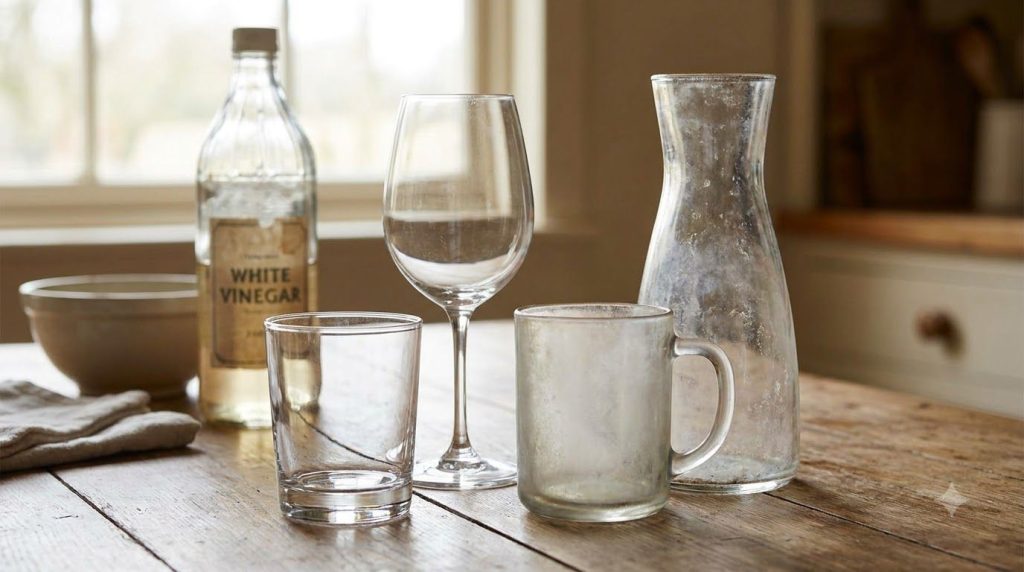
Have your glasses, wine carafes, or even glass shower doors started to look dull and cloudy? This is often due to hard water mineral deposits etching the surface or leaving a film. White vinegar, with its acetic acid, is a fantastic natural descaler.
What You’ll Need:
- White vinegar
- Warm water
- A clean cloth or sponge
- A large basin or sink (for soaking)
How to Use It:
- For drinking glasses: Fill your sink or a large basin with equal parts warm water and white vinegar. Submerge your cloudy glassware completely and let it soak for 30 minutes to an hour.
- For particularly stubborn cloudiness, you can use undiluted white vinegar directly on a cloth to scrub the glass.
- For shower doors: Mix equal parts white vinegar and water in a spray bottle. Spray the entire surface of the cloudy glass shower door generously.
- Let the vinegar solution sit for 10-15 minutes to allow the acid to break down the mineral deposits.
- Wipe down the glass with a clean cloth or sponge, then rinse thoroughly with water.
- Dry immediately with a microfiber cloth or squeegee to prevent new water spots.
Why it works: The acetic acid in white vinegar is a mild acid that effectively dissolves mineral deposits like calcium and magnesium, which are the main culprits behind cloudy glass. It breaks down the bonds holding these minerals to the glass surface, allowing them to be easily wiped away.
Embrace the Power of Simplicity
These four simple hacks demonstrate that effective home cleaning doesn’t require an arsenal of harsh chemicals. By understanding the natural properties of everyday items like lemons, baking soda, dish soap, and white vinegar, you can tackle a wide range of household messes with confidence. Not only will you save money, but you’ll also create a healthier environment for your family and reduce your ecological footprint. Experiment with these solutions and discover the joy of a naturally clean home!
What’s your go-to natural cleaning ingredient? Share your favorite tips and tricks with us in the comments below!