Sometimes, the simplest dishes are the most satisfying, and that’s exactly the case with perfectly boiled potatoes. This humble staple transforms into a wonderfully versatile and comforting side dish or a foundational ingredient for countless recipes. Imagine tender, creamy potatoes, seasoned just right, ready to be enjoyed with a pat of butter and a sprinkle of fresh herbs. It’s pure, wholesome goodness that elevates any meal without fuss or complexity.
Boiled potatoes are the ultimate chameleon in the kitchen. Whether you need a quick side for dinner, a base for a hearty potato salad, or the starting point for creamy mashed potatoes, mastering this basic technique is a culinary superpower. They offer a delightful earthy flavor and a tender texture that pairs beautifully with everything from roasted meats to fresh salads. This guide will show you how to achieve perfectly boiled potatoes every single time, ensuring they are never mushy or undercooked.
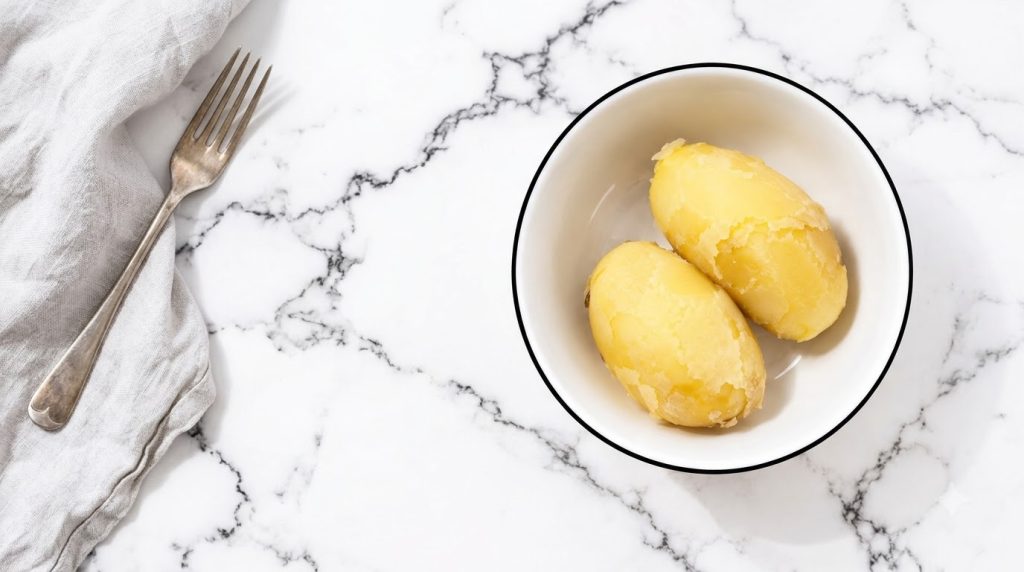
Why You’ll Love This Perfectly Boiled Potatoes Recipe
- Effortlessly Simple: With just a few basic ingredients and straightforward steps, this recipe is perfect for even beginner cooks.
- Incredibly Versatile: Boiled potatoes are a blank canvas, ready to be transformed into mashed potatoes, potato salad, hash browns, or simply enjoyed as is.
- Comfort Food Classic: There’s something undeniably comforting about a warm, tender potato, making it a perfect addition to any meal.
- Naturally Wholesome: A healthy base for many dishes, potatoes are packed with vitamins and minerals.
- Quick and Easy Side: Ready in under 30 minutes, they’re an ideal last-minute side dish.
- Customizable: Easily seasoned and dressed to complement any main course.
Ingredients
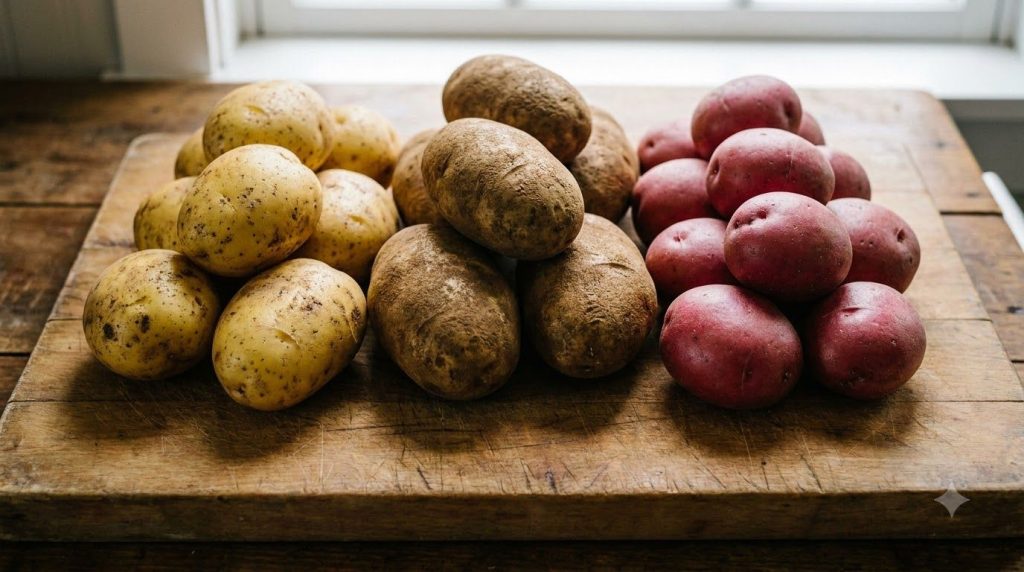
- 2-3 pounds (about 1-1.5 kg) potatoes (such as Yukon Gold, Russet, or Red Bliss)
- 8 cups (1.9 liters) cold water, or enough to cover the potatoes
- 1-2 tablespoons (15-30 g) salt, plus more to taste
- Optional: 1 tablespoon (15 ml) unsalted butter, fresh chopped herbs (like parsley, chives, or dill) for serving
Ingredient Notes
- Potatoes: The type of potato you choose will affect the texture.
- Yukon Gold: Excellent all-around potato, offering a creamy, buttery texture when boiled. Great for mashing or serving as a simple side.
- Russet: Starchy and fluffy, ideal if you plan to mash them. They absorb flavors well but can become crumbly if overcooked for simple serving.
- Red Bliss/New Potatoes: Waxy potatoes that hold their shape well, making them perfect for potato salads or serving whole. They have a firmer texture.
- Salt: Don’t underestimate the importance of salting the water. It seasons the potatoes from the inside out, making them much more flavorful than just salting them after boiling. Use a generous amount, similar to cooking pasta.
Equipment You’ll Need
- Large pot with a lid (at least 5-quart / 4.7-liter capacity)
- Colander
- Sharp knife and cutting board (for peeling and cutting)
- Fork or paring knife (for checking doneness)
How to Make Perfectly Boiled Potatoes
- Prepare the Potatoes: Thoroughly wash the potatoes under cold running water, scrubbing away any dirt. Decide whether to peel them or leave the skins on; for general boiling, peeling is common, but small new potatoes can be left unpeeled. Cut larger potatoes into evenly sized chunks, about 1-2 inches (2.5-5 cm), to ensure even cooking. Smaller potatoes can be left whole.
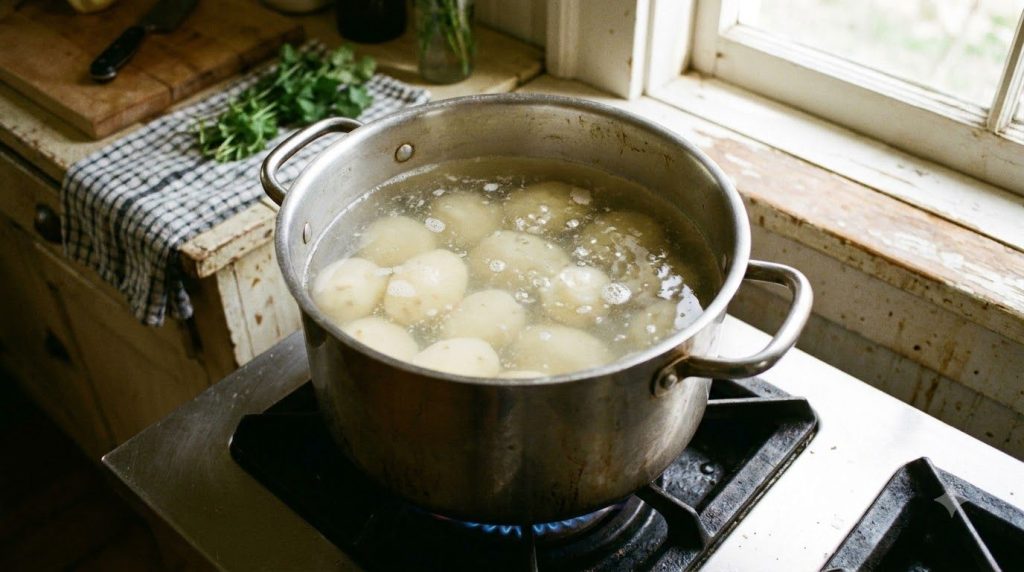
- Place in Pot with Cold Water: Transfer the prepared potatoes to a large pot. Add enough cold water to cover the potatoes by at least 1 inch (2.5 cm). This helps them cook evenly from the outside in.
- Season the Water: Add 1-2 tablespoons (15-30 g) of salt to the cold water. The salt infuses flavor into the potatoes as they cook.
- Boil and Simmer: Place the pot on the stovetop over high heat and bring the water to a rolling boil. Once boiling, reduce the heat to medium-low, cover the pot, and let the potatoes simmer gently.
- Cook Until Tender: Cook for 15-20 minutes for cut potatoes, or 20-30 minutes for whole small potatoes, or until they are easily pierced with a fork or the tip of a paring knife. The cooking time will vary depending on the size and type of potatoes. Avoid overcooking, which can lead to mushy potatoes.
- Drain Thoroughly: Carefully pour the cooked potatoes into a colander to drain all the hot water. Return the drained potatoes to the empty hot pot or a serving bowl.
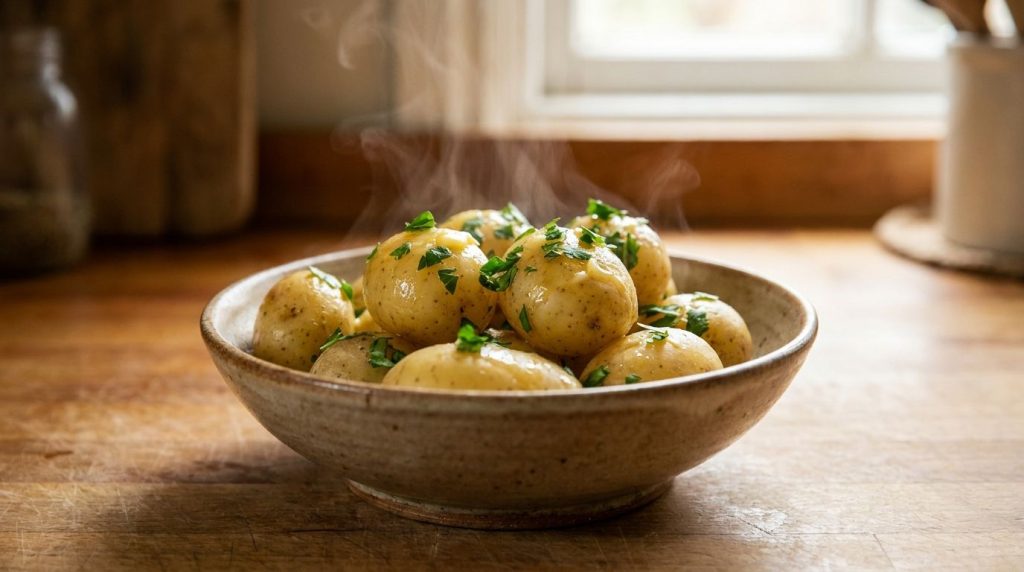
- Serve: For basic serving, add a pat of butter, a sprinkle of extra salt and freshly ground black pepper, and some chopped fresh herbs. Toss gently to coat and serve warm.
Pro Tips for the Best Results
- Start in Cold Water: Always place potatoes in cold water and bring them to a boil. If you start them in hot water, the outsides will cook faster than the insides, resulting in unevenly cooked potatoes.
- Season Generously: Don’t be shy with the salt in the cooking water. It’s the only way to season the potatoes internally and make them truly flavorful.
- Cut Evenly: For consistent cooking, cut all potato pieces to roughly the same size. If left whole, choose potatoes of similar size.
- Don’t Overcook: Overcooked potatoes become mushy and waterlogged. Check for doneness frequently after the 15-minute mark. They should be tender but still hold their shape.
- Drain Completely: Ensure all water is drained off after cooking. Excess moisture can make the potatoes watery. You can even return them to the hot, empty pot for a minute or two over very low heat to steam off any residual moisture.
- Choose the Right Potato: Consider what you’re making. Waxy potatoes for salads, starchy for mashing, and all-purpose for general use.
- Don’t Crowd the Pot: Give your potatoes enough space in the pot. Crowding can lower the water temperature and lead to uneven cooking.
Common Mistakes to Avoid
- Starting in Hot Water: As mentioned, this leads to unevenly cooked potatoes. Always start with cold water.
- Under-Salting the Water: Potatoes are bland without salt, and adding it only at the end won’t penetrate the potato as effectively as salting the cooking water.
- Overcooking: Keep an eye on the clock and test for doneness. Mushy potatoes are difficult to salvage for many applications.
- Uneven Cuts: If some pieces are large and others small, you’ll end up with some pieces perfectly cooked and others either hard or falling apart.
- Not Draining Properly: Watery potatoes lack flavor and good texture.
Variations & Substitutions
- Herb Infusion: Add a bay leaf, a few sprigs of fresh rosemary or thyme, or a smashed garlic clove to the boiling water for subtle flavor.
- Buttery Finish: After draining, toss the warm potatoes with a tablespoon of good quality butter and a splash of milk or cream for extra richness.
- Roasted Boiled Potatoes: After draining, toss with olive oil, salt, pepper, and herbs, then roast in a 400°F (200°C) oven for 15-20 minutes until lightly browned and crispy.
- Garlic & Herb: Sauté minced garlic in butter or olive oil, then toss with the drained potatoes and fresh parsley or chives.
- Potato Salad Base: Boil and cool waxy potatoes (like Red Bliss) to use as the base for your favorite potato salad recipe.
- Mashed Potatoes: For creamy mashed potatoes, choose a starchy potato like Russet or Yukon Gold, mash them immediately after draining, and then incorporate butter, milk, and seasonings.
Serving Suggestions
Perfectly boiled potatoes are a fantastic accompaniment to almost any meal. Here are some ideas:
- Simple Side Dish: Tossed with butter, fresh parsley, salt, and pepper. A classic for a reason!
- With Roasted Meats: Excellent alongside roasted chicken, beef, or pork, soaking up the savory juices.
- Alongside Fish: A light and healthy pairing for baked salmon or pan-seared cod.
- Breakfast Potatoes: Cube and lightly fry leftover boiled potatoes with onions and peppers for a delicious hash.
- Potato Salad: The ideal starting point for a creamy or vinaigrette-based potato salad.
- Creamy Mash: Transform them into a velvety smooth side by mashing with milk, butter, and seasonings.
- Hearty Stews: Add boiled potatoes to beef stew or vegetable curries for a more substantial meal.
Storage & Reheating
- Refrigerator: Cooked and cooled boiled potatoes can be stored in an airtight container in the refrigerator for up to 3-4 days.
- Freezing: While technically possible, freezing whole or cut boiled potatoes is generally not recommended as it can significantly alter their texture, making them mealy or watery upon thawing. They are best enjoyed fresh or from the refrigerator.
- Reheating:
- Microwave: Place potatoes in a microwave-safe dish, cover, and heat on high for 1-2 minutes, stirring halfway, until warmed through.
- Stovetop: Gently warm in a skillet with a little butter or oil over medium-low heat, tossing occasionally, until heated through.
- Oven: For a crisper result, spread cold boiled potatoes on a baking sheet and reheat in a preheated oven at 350°F (175°C) for 10-15 minutes.
FAQ
Which type of potatoes are best for boiling?
For a creamy texture, Yukon Golds are excellent. For mashing, starchy Russets work well. If you want them to hold their shape for salads, choose waxy potatoes like Red Bliss or new potatoes.
Should I peel potatoes before boiling?
It’s a matter of preference. Peeling before boiling results in a smoother texture and saves time when making mashed potatoes. Leaving the skin on adds fiber and nutrients, and is often preferred for potato salads or when serving small, whole potatoes.
How long does it take to boil potatoes?
Cooking time varies based on size and type. Cut potatoes usually take 15-20 minutes, while whole small potatoes can take 20-30 minutes. Always check for doneness by piercing with a fork.
Why did my boiled potatoes turn out mushy?
Mushy potatoes are usually a sign of overcooking. They may have been left in the boiling water for too long, or cooked at too high a heat after boiling, causing them to break down. Ensure you reduce the heat to a simmer once boiling and check for doneness frequently.
Can I boil potatoes ahead of time for meal prep?
Yes, you can boil potatoes ahead of time. Once cooked, drain them, let them cool completely, and store them in an airtight container in the refrigerator for up to 3-4 days. They are great for quick additions to meals or for making potato salad.
How much salt should I add to the potato water?
A good rule of thumb is 1-2 tablespoons (15-30g) of salt for 2-3 pounds of potatoes, using enough water to cover them. The water should taste noticeably salty, similar to seawater, to properly season the potatoes.
What’s the difference between boiling and simmering?
Boiling involves rapid bubbling and movement of water, while simmering is a gentler process with small bubbles consistently breaking the surface. For potatoes, it’s best to bring to a boil, then reduce to a simmer to ensure even cooking without the potatoes breaking apart.
Recipe Card: Perfectly Boiled Potatoes
- Recipe Name: Perfectly Boiled Potatoes
- Short Description: Pure, wholesome boiled potatoes, perfect as a versatile side dish or base for countless recipes.
- Prep Time: 10 minutes
- Cook Time: 15-20 minutes
- Total Time: 25-30 minutes
- Servings: 4
- Course: Side Dish
- Cuisine: American
- Cooking Method: Boiling
Ingredients:
- 2-3 pounds (about 1-1.5 kg) potatoes (such as Yukon Gold, Russet, or Red Bliss)
- 8 cups (1.9 liters) cold water, or enough to cover the potatoes
- 1-2 tablespoons (15-30 g) salt, plus more to taste
- Optional: 1 tablespoon (15 ml) unsalted butter, fresh chopped herbs (like parsley, chives, or dill) for serving
Instructions:
- Prepare the Potatoes: Thoroughly wash the potatoes. Peel them if desired, or leave skins on for small new potatoes. Cut larger potatoes into evenly sized 1-2 inch (2.5-5 cm) chunks.
- Place in Pot with Cold Water: Add prepared potatoes to a large pot. Cover with at least 1 inch (2.5 cm) of cold water.
- Season the Water: Stir in 1-2 tablespoons of salt.
- Boil and Simmer: Bring water to a rolling boil over high heat. Once boiling, reduce heat to medium-low, cover, and simmer gently.
- Cook Until Tender: Cook for 15-20 minutes for cut potatoes, or 20-30 minutes for whole small potatoes, until easily pierced with a fork.
- Drain Thoroughly: Drain potatoes well in a colander. Return to the hot, empty pot or a serving bowl.
- Serve: Toss with butter, a pinch of salt and pepper, and fresh herbs if desired. Serve warm.
Notes:
Always start potatoes in cold water for even cooking. Salt the water generously to season the potatoes from the inside out. Avoid overcooking to prevent mushy texture.
Storage:
Store cooled, cooked potatoes in an airtight container in the refrigerator for up to 3-4 days. Freezing is not recommended.
Nutrition:
Nutrition information is an estimate and may vary depending on the ingredients and brands used.