Most people only think of the sweet, tropical fruit when they hear ‘guava,’ but what if we told you the most valuable part of the plant is often overlooked? The vibrant leaves of the guava tree, known botanically as Psidium guajava, are a natural treasure trove that many herbalists keep close at hand. These humble leaves possess a surprising array of practical uses, from supporting digestion to enhancing your natural beauty routine. It’s time to move past just the fruit and discover the true power held within the guava leaf, and how one small preparation mistake can ruin the whole batch.
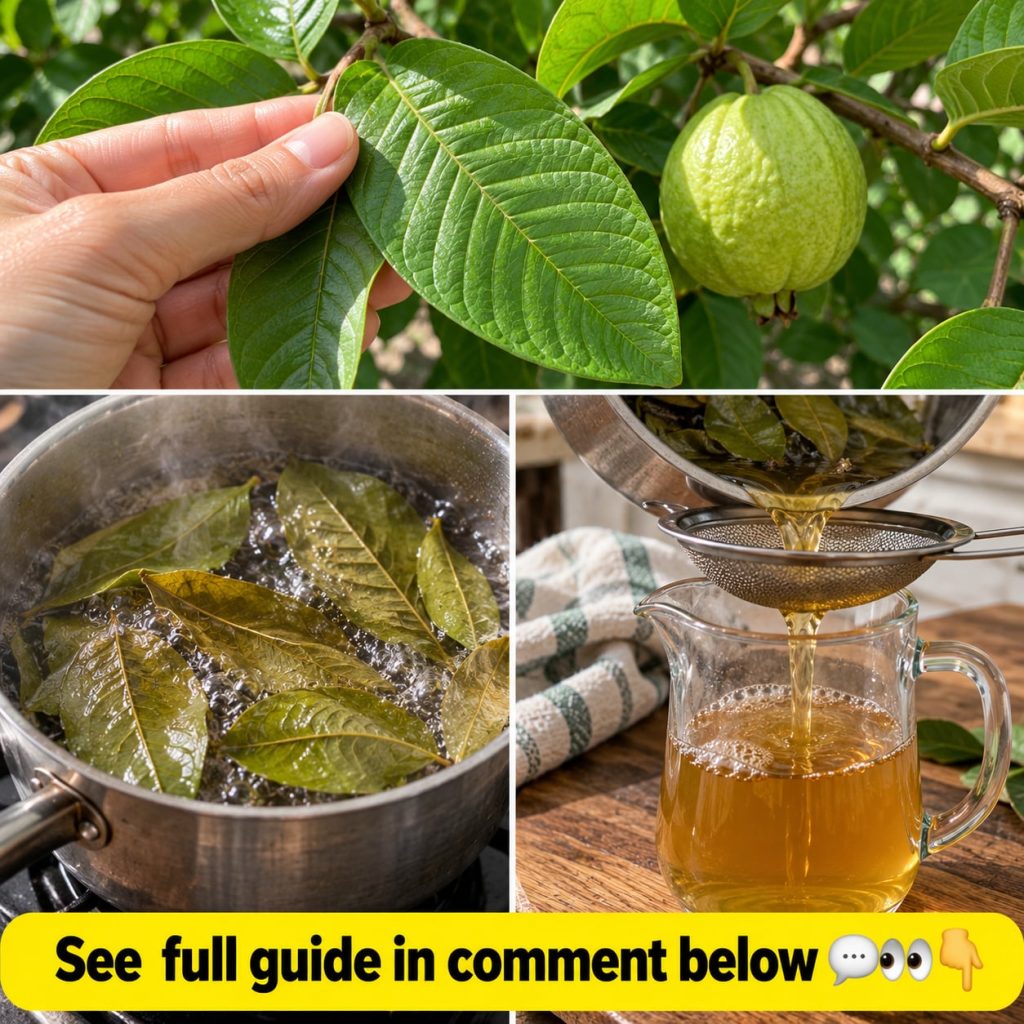
What Are Guava Leaves?
Guava leaves come from the small tropical tree native to Central and South America. Historically, cultures across these regions, as well as parts of Asia, have utilized guava leaves for various purposes, primarily as a natural remedy. Unlike the fleshy fruit, the leaves are typically used to create infusions, teas, and topical applications. They are rich in compounds like flavonoids, tannins, and essential oils, which contribute to their unique properties.
Ingredients for Your Guava Leaf Remedy
Creating a simple yet effective guava leaf remedy, such as a tea or a topical rinse, requires minimal ingredients. The quality of your leaves, however, is paramount to the potency and safety of your preparation.
- Guava Leaves: You can use either fresh or dried leaves. Fresh leaves generally offer a more potent aroma and flavor.
- Water: Filtered or distilled water is recommended to avoid introducing impurities that might affect the remedy’s quality.
Approximate Measurements
For a standard preparation, these measurements provide a good starting point. Adjust based on your desired strength and batch size.
- For Tea (single serving): 5-7 medium-sized fresh guava leaves OR 1-2 teaspoons of dried, crushed guava leaves.
- For Rinse (larger batch): 10-15 medium-sized fresh guava leaves OR 2-3 tablespoons of dried, crushed guava leaves per 4 cups (1 liter) of water.
Guava Leaf Tea & Rinse Formula / Recipe
This versatile formula can be adapted for both an internal tea and a topical rinse. The key lies in the steeping process.
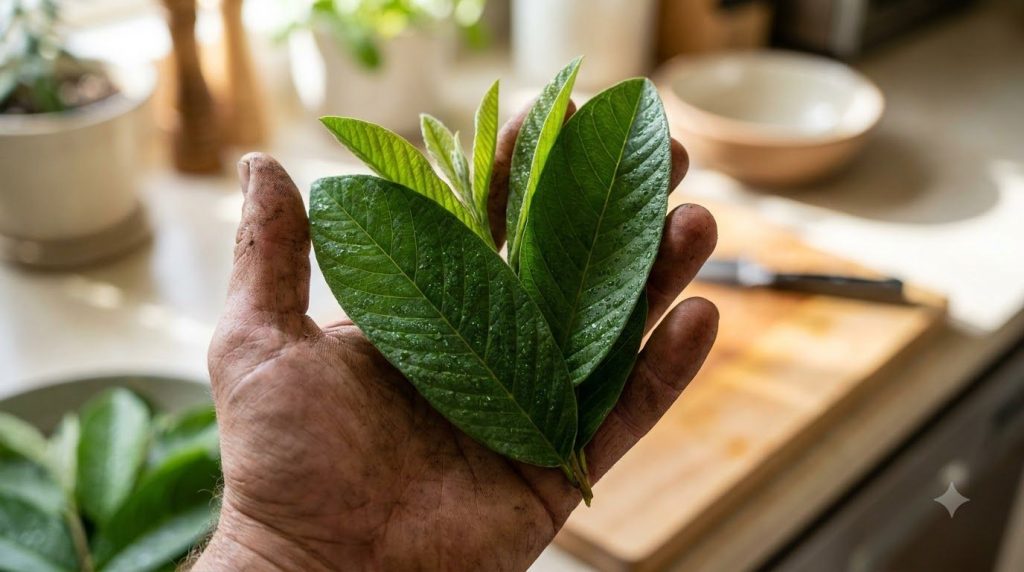
Step-by-Step Method: Preparing Your Guava Leaf Remedy
- Clean the Leaves: If using fresh leaves, thoroughly wash them under cool running water to remove any dirt or residues. If using dried leaves, skip this step.
- Bring Water to a Boil: Pour your measured water into a pot and bring it to a rolling boil.
- Add Guava Leaves: Once the water is boiling, add the fresh or dried guava leaves.
- Reduce Heat & Simmer: Immediately reduce the heat to low, cover the pot, and let the leaves simmer gently for 10-15 minutes. This gentle simmering helps to extract the beneficial compounds without over-evaporation.
- Steep Off Heat: Remove the pot from the heat and let it steep, covered, for another 5-10 minutes. This additional steeping allows the compounds to fully infuse into the water as it cools slightly.
- Strain: Strain the liquid using a fine-mesh sieve into a clean cup or heat-proof container, discarding the spent leaves.
- Cool (for Rinse): If preparing a rinse, allow the liquid to cool completely to room temperature before use. For tea, it can be enjoyed warm.
How to Use Your Guava Leaf Remedy
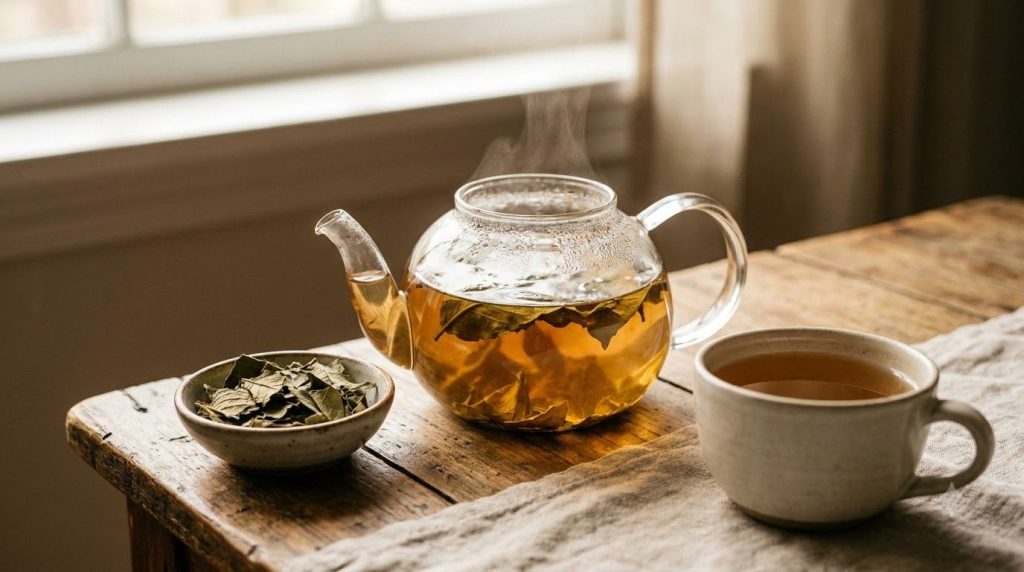
- As a Tea (Internal Use): Drink the warm or cooled tea. It can have a slightly earthy, mild flavor. You may add a touch of honey or lemon if desired, though pure is often preferred. Many use it to support digestive comfort or as a general wellness tonic.
- As a Hair Rinse (Topical Use): After shampooing and conditioning, pour the cooled guava leaf rinse over your scalp and hair, massaging gently. Do not rinse out. Style as usual. This is often used for scalp health and to promote stronger hair.
- As a Skin Toner/Wash (Topical Use): Apply the cooled liquid to cleansed skin with a cotton pad, or use it as a gentle facial wash. It is often praised for its soothing properties and to help balance oily skin.
How Often to Use It
- Tea: 1-2 cups per day, ideally between meals.
- Hair Rinse: 2-3 times per week, or as needed.
- Skin Toner: Once or twice daily, as part of your regular skincare routine.
Did You Know? Guava leaves contain potent antioxidants, including Vitamin C and flavonoids, which contribute to their protective effects. These compounds are a significant reason why herbalists value them.
How to Buy / How to Choose Ingredients
The quality of your guava leaves directly impacts the effectiveness of your remedy.
- Fresh Leaves: Look for vibrant green leaves without any signs of yellowing, wilting, or dark spots. Ideally, source them from organic gardens or reputable herbal suppliers to avoid pesticide contamination.
- Dried Leaves: Purchase from trusted herbal stores or online suppliers. Ensure they are well-preserved, free from mold, and have a pleasant, earthy scent. Avoid any with a musty or off-putting odor.
Storage
Proper storage is crucial to maintain potency and prevent spoilage.
- Fresh Leaves: Store in a perforated plastic bag in the refrigerator for up to 5-7 days.
- Dried Leaves: Keep in an airtight container in a cool, dark, dry place. They can last for up to 1 year.
- Prepared Tea/Rinse: Store any leftover liquid in a sealed glass jar in the refrigerator for up to 3-5 days. Discard if it develops an unusual smell or appearance.
Practical Tips for Best Results
- Optimal Extraction: Don’t boil the leaves too vigorously; a gentle simmer is best for extracting compounds without destroying them.
- Freshness Matters: If possible, use fresh leaves for the most vibrant flavor and potent properties, especially for internal use.
- Consistency is Key: For noticeable benefits, especially with hair and skin rinses, regular and consistent application is more effective than sporadic use.
- Customize to Taste: For tea, experiment with steeping times to find your preferred strength.
Here’s the part most people skip: Many rush the steeping process, but allowing the leaves to steep for an extended period off the heat is essential for a truly potent infusion. This ‘slow cool’ method ensures maximum extraction of beneficial compounds.
Common Mistakes to Avoid
Even with simple remedies, common errors can diminish effectiveness or even cause issues.
- Using Chemically Treated Leaves: Never use leaves from plants that have been sprayed with pesticides or herbicides. Always opt for organic or wild-harvested.
- Boiling Too Long or Too Hard: Over-boiling can degrade delicate compounds. A gentle simmer is sufficient.
- Improper Storage: Leaving prepared liquid at room temperature encourages bacterial growth, making it unsafe to use after a few hours. Always refrigerate.
- Not Straining Properly: Leftover leaf particles can spoil the liquid faster and make topical application messy.
- Skipping the Cooling Step for Topical Use: Applying hot liquid to your scalp or skin can cause burns or irritation. Always let it cool to room temperature.
Fresh vs. Dried Guava Leaves
Understanding the differences between fresh and dried leaves can help you choose the best option for your needs:
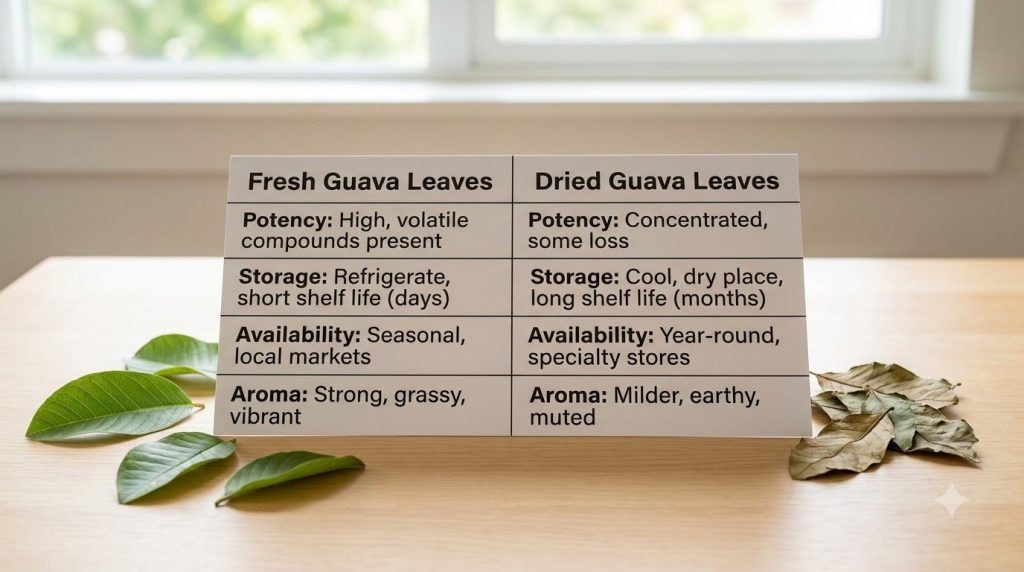
| Feature | Fresh Guava Leaves | Dried Guava Leaves |
|---|---|---|
| Potency | Often considered more potent and flavorful. | Good potency, but some volatile compounds may be lost. |
| Storage | Refrigerate for up to 1 week. | Store in airtight container, lasts up to 1 year. |
| Availability | Seasonal or harder to find, especially in non-tropical climates. | Widely available year-round in herbal shops or online. |
| Aroma/Taste | Stronger, more herbaceous and fresh. | Milder, earthier, less pungent. |
Cautions / Who Should Avoid It
While generally considered safe for most people, there are a few considerations:
- Pregnancy and Breastfeeding: Limited research exists. It’s best to consult a healthcare provider before use.
- Diabetes: Guava leaf tea may help lower blood sugar levels. If you are on diabetes medication, monitor your blood sugar closely and consult your doctor to avoid hypoglycemia.
- Surgery: It may affect blood sugar control during and after surgery. Discontinue use at least two weeks before a scheduled surgery.
- Allergies: If you have allergies to guava fruit or other plants in the Myrtaceae family, use with caution.
Quick Summary
- Best Preparation: Gentle simmer for 10-15 minutes, followed by a 5-10 minute steep.
- Best Use-Case: Tea for digestive support; rinse for hair and skin health.
- Storage: Fresh leaves refrigerated (up to 7 days), dried leaves in airtight container (up to 1 year), prepared liquid refrigerated (up to 5 days).
- When to Use: Daily for tea, 2-3 times weekly for topical rinses.
- What to Avoid: Chemically treated leaves, over-boiling, improper storage, applying hot liquid topically.
FAQ About Guava Leaves
- Can I use fresh or dried guava leaves? Both can be used, with fresh often providing stronger potency and aroma.
- How long does the prepared guava leaf tea/rinse last? Store in the refrigerator for up to 3-5 days.
- Can I add sweetener or other ingredients to the tea? Yes, honey, lemon, or a dash of ginger can be added for flavor, but avoid sugar if aiming for blood sugar benefits.
- What part of the guava plant is best for remedies? The young, tender leaves are generally preferred for their compound concentration.
- Can I reuse the leaves for another batch? While technically possible, the potency will be significantly reduced after the first extraction. It’s best to use fresh leaves for each new batch.
- When should I avoid using guava leaves? Consult a doctor if pregnant, breastfeeding, on diabetes medication, or undergoing surgery.
- Will guava leaf rinse color my hair? No, it typically does not alter hair color.
The humble guava leaf is a powerful reminder that sometimes the most potent remedies are hiding in plain sight. By understanding the proper preparation and application, you can easily integrate this hidden gem into your daily wellness routine, reaping benefits that extend far beyond the fruit. Don’t let this natural powerhouse remain overlooked any longer!
You may also like: DIY Herbal Tonics for Everyday Wellness
Read more: Natural Skincare with Herbal Rinses
Continue with: Understanding the Benefits of Herbal Teas