Most people associate swelling and water retention with simple causes like excessive salt or standing too long. However, a deeper look reveals that underlying circulatory support can make a significant difference. While many reach for quick fixes, an ancient remedy, Noni, is now gaining scientific recognition for its fascinating role in supporting circulation and easing occasional swelling. The secret isn’t just in knowing about Noni, but understanding how to prepare and use it correctly for maximum effect.

What is Noni and Its Role in Fluid Balance?
Noni (Morinda citrifolia) is a tropical fruit tree native to Southeast Asia and Australia, though it’s now cultivated worldwide. Traditionally, various parts of the Noni plant – especially the fruit and leaves – have been used in Polynesian and other traditional medicine systems for a wide range of ailments, including discomfort associated with inflammation and fluid retention. Modern research is exploring Noni’s compounds, such as scopoletin, flavonoids, and various antioxidants, which may contribute to its beneficial effects on circulation and overall cellular health, indirectly supporting the body’s natural fluid balance.
When your body holds onto excess fluid, it can manifest as puffiness or swelling, particularly in the legs, ankles, and hands. While this can be a symptom of more serious conditions (always consult a doctor), for common, temporary water retention, supporting healthy circulation can be key. Noni’s potential lies in its ability to support blood vessel integrity and overall circulatory function, which helps the body process and eliminate fluids more efficiently.
Ingredients for a Noni Remedy
The most common and practical way to incorporate Noni into your routine for swelling and water retention is through its juice. While fresh fruit is ideal, it can be difficult to source and has a distinctive, pungent taste that not everyone enjoys. High-quality Noni juice provides a concentrated form of its beneficial compounds.
- High-Quality Noni Juice: Look for 100% pure, unsweetened Noni juice.
- Optional Additions: A squeeze of lemon or a teaspoon of raw honey to improve palatability.
Approximate Measurements
For Noni juice, consistency is more important than large doses. Start small and listen to your body.
- Noni Juice: 1-2 tablespoons (15-30 ml) per serving.
- Lemon Juice (optional): 1 teaspoon (5 ml).
- Raw Honey (optional): 1 teaspoon (5 ml).
Formula / Recipe: Simple Noni Tonic
The most straightforward way to prepare Noni for daily intake is a simple tonic. This minimizes preparation time and maximizes consistency.
Step-by-Step Method
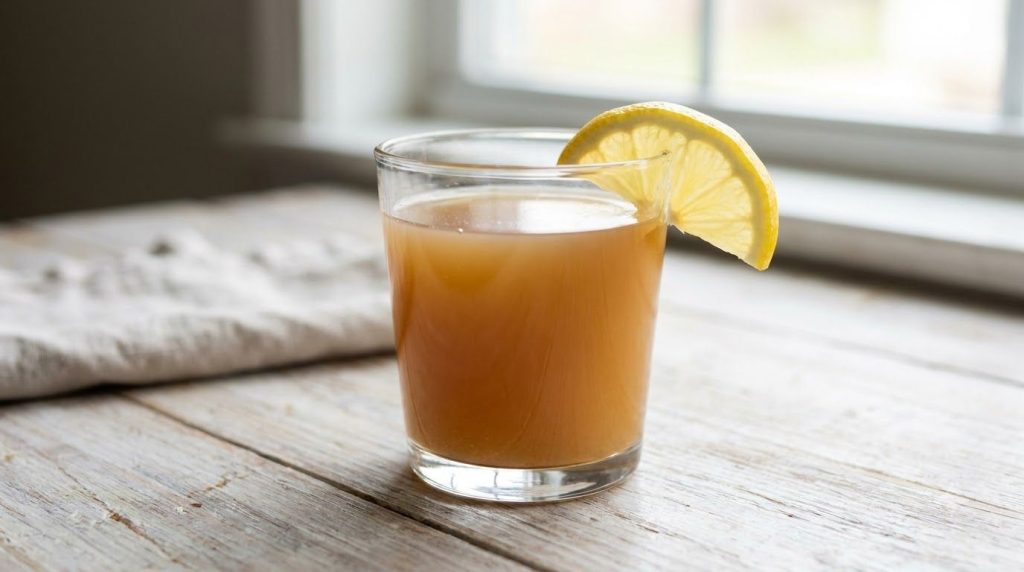
- Measure Your Noni Juice: Pour 1-2 tablespoons of pure Noni juice into a small glass.
- Dilute (Optional but Recommended): For better taste, especially if you’re new to Noni, dilute it with 4-6 ounces (120-180 ml) of water, fruit juice (like apple or grape), or herbal tea.
- Enhance Flavor (Optional): Stir in a teaspoon of fresh lemon juice or raw honey if desired.
- Mix Well: Ensure all ingredients are thoroughly combined.
- Consume: Drink immediately.
Quick Tip: Best Time to Use It
Many people find it beneficial to take Noni juice on an empty stomach in the morning, about 30 minutes before breakfast. This is believed to enhance absorption, though it can be taken at any time of day that fits your routine.
How to Use for Swelling and Water Retention
The Noni tonic is consumed orally. Consistent daily intake is key to supporting your body’s circulatory health and fluid balance. Do not expect immediate, diuretic-like effects, as Noni works more subtly to support the body’s natural systems over time.
How Often to Use
Begin with one serving (1-2 tablespoons) once daily. If your body responds well and you wish to increase, you may consider a second serving later in the day, but always observe how you feel. It’s generally recommended to maintain a consistent daily intake rather than sporadic large doses.
How to Buy / How to Choose Noni Products
Choosing the right Noni product is crucial to ensure you’re getting the most benefit.
Fresh vs. Processed Noni
| Form of Noni | Pros | Cons | Best Use for Swelling |
|---|---|---|---|
| Fresh Noni Fruit | Full spectrum of nutrients, highest potency. | Hard to find, strong pungent taste, short shelf life. | If readily available and you can tolerate the taste; traditionally eaten raw. |
| 100% Pure Noni Juice | Widely available, convenient, concentrated. | Taste can still be challenging, quality varies. | Most practical for consistent daily intake. |
| Noni Powder/Capsules | No taste issues, very convenient for travel. | Potency can vary, less traditional. | For those who cannot tolerate juice; consult dosage instructions carefully. |
When purchasing Noni juice, look for brands that emphasize:
- 100% Pure & Unsweetened: Avoid juices with added sugars, water, or other fruit juices that dilute the Noni.
- Organic or Wild-Harvested: Ensures purity from pesticides.
- Non-GMO: A good indicator of natural processing.
- Glass Bottle: Helps preserve quality and prevents leaching from plastics.
Storage
- Unopened Noni Juice: Store in a cool, dark place away from direct sunlight. Check the expiration date.
- Opened Noni Juice: Refrigerate after opening and consume within 3-4 weeks for optimal freshness and potency.
- Noni Powder/Capsules: Keep in a tightly sealed container in a cool, dry place.
Practical Tips for Managing Swelling
While Noni can be a supportive remedy, it works best as part of a holistic approach to managing occasional swelling and water retention.
- Stay Hydrated: Paradoxically, drinking enough water helps your body release excess fluid.
- Reduce Sodium: Limit processed foods and excessive salt intake.
- Elevate Legs: If swelling is in the lower extremities, elevating your legs can help.
- Gentle Movement: Regular, light exercise like walking can improve circulation.
- Avoid Prolonged Standing/Sitting: Take breaks to move around if your work requires it.
Common Mistakes to Avoid
- Expecting Instant Results: Noni works gradually to support internal systems, not as a rapid diuretic.
- Using Low-Quality Juice: Diluted or sugary Noni juice will not provide the same benefits.
- Ignoring Underlying Causes: Noni is a supportive remedy, not a cure for serious medical conditions causing swelling. Always consult a healthcare professional for persistent or severe swelling.
- Overdosing: More is not always better. Stick to recommended dosages to avoid potential digestive upset.

Cautions / Who Should Avoid Noni
While generally considered safe for most healthy adults in moderate amounts, Noni may not be suitable for everyone. Always consult your doctor before adding new remedies to your routine, especially if you have pre-existing health conditions or are taking medication.
- Kidney Disease: Noni is high in potassium, which can be problematic for individuals with kidney issues.
- Liver Conditions: There have been rare reports of liver toxicity, so individuals with liver disease should avoid Noni.
- Pregnancy and Breastfeeding: Insufficient research exists on Noni’s safety during pregnancy and lactation; it’s best to avoid it.
- Medication Interactions: Noni may interact with certain medications, including blood thinners, blood pressure medications, and diuretics.
Quick Summary: Noni for Fluid Balance
- Best Preparation: 1-2 tablespoons of 100% pure Noni juice diluted in water or juice.
- Best Use-Case: Supporting healthy circulation and easing occasional swelling and water retention.
- Storage: Refrigerate opened Noni juice; store unopened in a cool, dark place.
- When to Use: Daily, preferably on an empty stomach in the morning.
- What to Avoid: Sugary Noni products, excessive doses, and use without consulting a doctor if you have underlying health conditions.
Frequently Asked Questions
Here are some common questions about using Noni for fluid balance:
- Can I use fresh Noni fruit instead of juice?
Yes, if you have access to fresh Noni, you can consume it. However, its strong taste can be off-putting for many, and precise dosing is harder to achieve than with juice. - How long does Noni juice last once opened?
Once opened, Noni juice should be refrigerated and consumed within 3-4 weeks for best quality. - What does Noni juice taste like?
Pure Noni juice has a strong, somewhat pungent, bitter, and tart taste. Many people dilute it or mix it with other juices to make it more palatable. - How long until I see results for swelling?
Noni works gradually. It’s not an immediate diuretic. You might notice subtle improvements in comfort and fluid balance over several weeks of consistent use. - Are there any common side effects?
Some individuals may experience digestive upset, such as mild diarrhea, especially when first starting Noni or taking too much. - Can Noni juice help with general inflammation?
Noni is widely studied for its anti-inflammatory properties, which may contribute to overall well-being beyond just fluid balance. - Is Noni safe for long-term use?
For healthy individuals, moderate, consistent use is generally considered safe. However, always discuss long-term use with your healthcare provider.
Supporting your body’s natural fluid balance can significantly improve comfort and well-being. By understanding how to properly source, prepare, and use Noni, you can tap into an ancient remedy now gaining scientific appreciation.
You may also like: Herbal Diuretics: A Natural Approach to Water Retention
Read more: The Full Guide to Natural Circulation Boosters

