Often considered a common weed, the humble plantain herb (Plantago major) actually holds a treasure trove of benefits for natural home remedies. This unassuming plant, likely growing in your own backyard, has been traditionally used for centuries to support various aspects of health and well-being. Let’s explore how you can harness its gentle power for simple, everyday beauty and wellness solutions.
Whether you’re looking to soothe minor skin irritations or enjoy a calming herbal tea, plantain offers an accessible and natural approach.
Quick Recipe: Plantain Leaf Soothing Poultice & Wellness Tea
Prep time: 5-10 minutes
Best for: Soothing minor skin irritations, general wellness
Use type: Topical poultice, herbal tea/skin rinse
Main ingredients:
- Fresh plantain leaves
- Water (for tea)
Ingredients
- 4-5 fresh, clean broadleaf plantain leaves
- 1 cup filtered water (for tea/infusion)
How to Make a Soothing Plantain Poultice
A poultice is a simple way to apply the beneficial compounds of plantain directly to the skin.
- Clean the Leaves: Gently rinse your fresh plantain leaves under cool water to remove any dirt or debris. Pat them dry with a clean cloth.
- Bruise or Mince the Leaves: To release the plant’s natural juices, either chew the clean leaves into a pulp (a traditional method, ensuring no pesticides are present), or finely mince them with a knife. Alternatively, you can mash them with a mortar and pestle until a moist paste forms.
- Form the Poultice: Gather the bruised or minced plantain into a small, moist mass.
How to Make a Gentle Plantain Wellness Tea or Skin Rinse
This simple infusion can be enjoyed as a mild tea or used topically as a soothing skin rinse.
- Clean and Chop Leaves: Thoroughly rinse 2-3 fresh plantain leaves and roughly chop them.
- Infuse: Place the chopped leaves in a mug. Pour 1 cup of boiling filtered water over the leaves.
- Steep: Cover the mug and let the tea steep for 10-15 minutes.
- Strain and Enjoy: Strain out the plantain leaves. If using as a tea, let it cool slightly before drinking. If using as a skin rinse, allow it to cool completely before application.
How to Use It
For the Soothing Plantain Poultice:
- Apply: Place the plantain poultice directly onto the clean, affected skin area (e.g., minor scrapes, insect bites, small rashes).
- Cover (Optional): You can cover the poultice with a clean bandage or gauze to keep it in place, especially if you need to move around.
- Allow to Work: Leave the poultice on for 1-2 hours, or until the discomfort subsides.
- Remove and Rinse: Gently remove the poultice and rinse the area with cool water.
For the Plantain Wellness Tea/Skin Rinse:
- As a Tea: Drink the cooled tea for a gentle, internal wellness boost.
- As a Skin Rinse: After cleansing your face, gently dab the cooled plantain infusion onto your skin with a cotton pad. It can be particularly soothing for sensitive or mildly irritated complexions. Do not rinse off.
How Often to Use It
For topical applications, you can use the plantain poultice 2-3 times a day as needed for minor discomfort. For the wellness tea, you can enjoy 1-2 cups daily as part of a balanced routine. The skin rinse can be used once or twice daily.
Why These Ingredients Are Used
Plantain Leaves
Plantain leaves are rich in compounds like aucubin (an iridoid glycoside), mucilage, and tannins. Aucubin is believed to contribute to plantain’s anti-inflammatory properties, while mucilage helps to soothe and protect skin, and tannins provide a mild astringent effect. These properties combined make plantain a wonderful natural ally for promoting skin comfort and overall wellness.
What Results to Expect
When used as a poultice, plantain may help to calm and soothe the appearance of minor skin irritations, such as insect bites, minor scrapes, and small rashes. The tea, traditionally consumed, may support a sense of overall well-being. When used as a skin rinse, it can help leave skin feeling refreshed and contribute to a healthier-looking complexion.
Safety Notes
- Identification is Key: Ensure you correctly identify broadleaf plantain (Plantago major) before use. Avoid areas that may have been sprayed with pesticides or herbicides.
- Patch Test First: For topical remedies, always perform a patch test on a small, inconspicuous area of skin before widespread application to check for any allergic reactions.
- Use Gently: Apply poultices and rinses gently.
- Avoid Irritated or Broken Skin: Do not apply poultices to open wounds, deep cuts, or severely irritated skin without consulting a healthcare professional.
- Stop Using if Discomfort Occurs: If you experience any redness, itching, or irritation, discontinue use immediately.
- Internal Use: While generally considered safe for tea, if you are pregnant, nursing, taking medications, or have any underlying health conditions, consult your doctor before ingesting plantain tea.
FAQ
How do I identify broadleaf plantain?
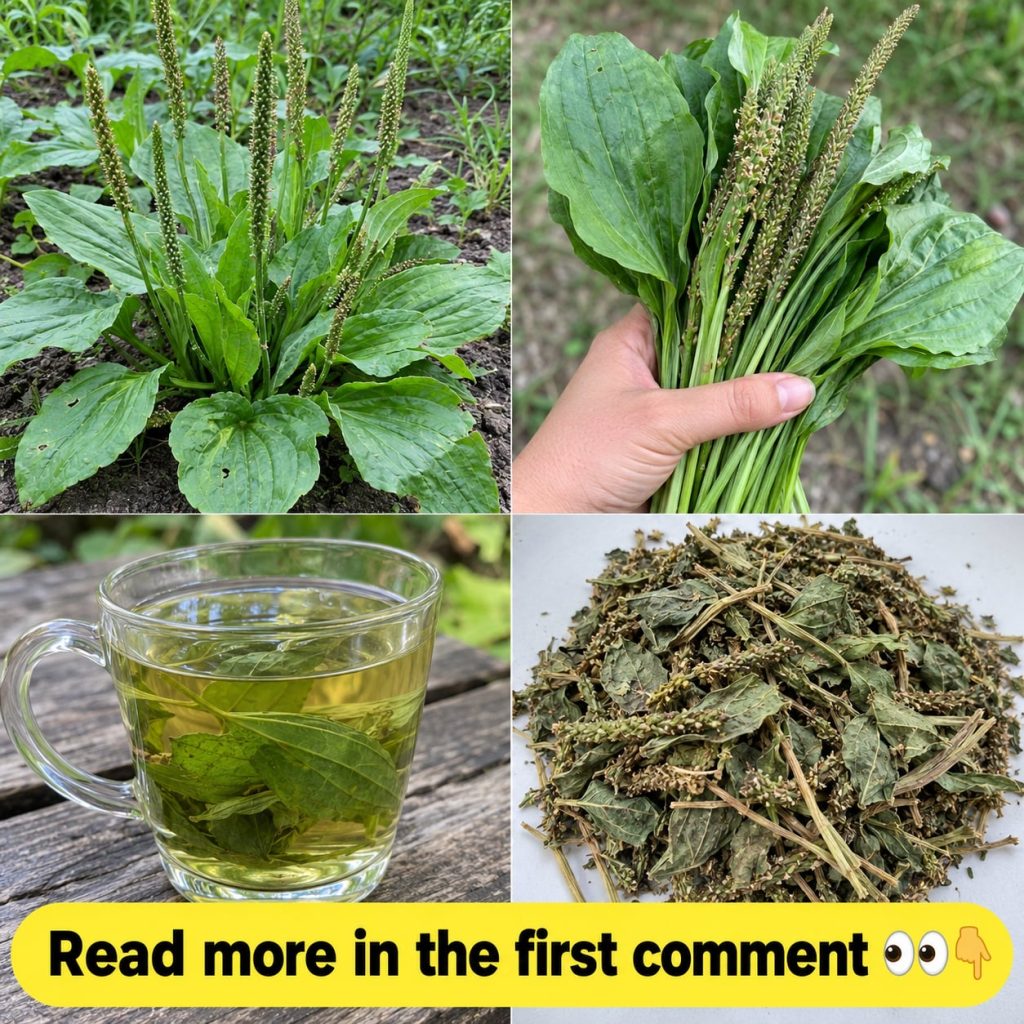
Broadleaf plantain typically has wide, oval-shaped leaves with distinct parallel veins running from the base of the leaf to the tip. It often grows in compacted soil, like lawns and pathways, and produces a tall, slender flower stalk.
Can I use dried plantain leaves?
Yes, dried plantain leaves can be used, especially for making tea or infusions. The potency might be slightly different than fresh leaves, but they are still effective. Use about half the amount of dried leaves compared to fresh for tea.
Is plantain safe for children?
For minor topical irritations like bug bites, a plantain poultice is generally considered safe for children, but always use with caution and observe for any reaction. For internal use (tea), it’s best to consult a pediatrician, especially for very young children.
Final Thoughts
The next time you spot broadleaf plantain in your garden, remember its often-overlooked potential as a natural ally for your beauty and wellness routine. With these simple remedies, you can tap into ancient wisdom and incorporate this accessible herb into your daily life. Give these recipes a try and discover the gentle power of plantain for yourself!