Have you ever heard of choline? It’s an essential nutrient that often flies under the radar, but it plays a crucial role in many bodily functions. From supporting brain health to maintaining a healthy metabolism, choline is a powerhouse your body can’t do without.
In this article, we’ll dive into why choline is so important and where you can find the best food sources to ensure you’re getting enough. You’ll learn how to easily incorporate these nutritious foods into your daily meals, boosting your overall well-being. Get ready to discover some surprising and delicious ways to fuel your body with this vital nutrient!
Benefits of Choline for Your Health
Choline is a superstar nutrient with a wide range of benefits for your body and mind. It’s often grouped with B vitamins due to its similar functions, but it’s unique in its broad impact.
Brain Health and Cognition
Choline is a precursor to acetylcholine, a neurotransmitter critical for memory, mood, muscle control, and other brain and nervous system functions. Adequate choline intake may help support cognitive performance and memory throughout your life.
Liver Function and Metabolism
This essential nutrient is vital for liver health. It helps transport fats out of the liver, preventing a condition called non-alcoholic fatty liver disease. Choline also plays a role in fat metabolism, aiding in the breakdown and utilization of fats for energy.
Cellular Function
Choline is a structural component of cell membranes, particularly phospholipids. This means it’s fundamental for maintaining the integrity and function of every cell in your body.
Top Choline Food Sources
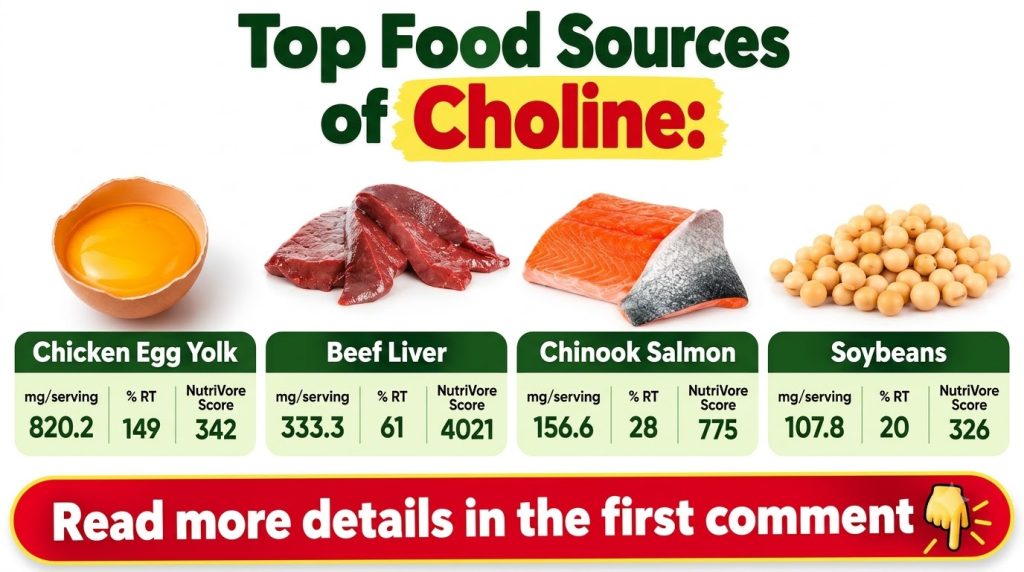
Getting enough choline is easier than you might think, especially when you know which foods to look for. Here are some of the best natural sources:
Choline-Rich Foods Table
| Food | Serving Size | Choline (mg) | Calories | Protein (g) | Fat (g) | Carbs (g) |
|---|---|---|---|---|---|---|
| Beef Liver | 3 oz (cooked) | 356 | 149 | 23 | 4 | 4 |
| Chicken Egg (yolk) | 1 large egg | 147 | 78 | 6 | 5 | 0.6 |
| Chinook Salmon | 3 oz (cooked) | 133 | 177 | 22 | 9 | 0 |
| Soybeans | 1 cup (cooked) | 107 | 298 | 31 | 15 | 17 |
| Chicken Breast | 3 oz (cooked) | 72 | 142 | 27 | 3 | 0 |
| Broccoli | 1 cup (cooked) | 63 | 55 | 4 | 0.6 | 11 |
| Potatoes | 1 large (baked) | 57 | 278 | 7 | 0.3 | 64 |
Scientific Explanation of Choline’s Role
Choline is an organic, water-soluble compound that your body needs to function properly. While your liver can produce small amounts of choline, it’s not enough to meet your daily requirements, making dietary intake essential.
Once consumed, choline is absorbed and utilized in several critical pathways. As mentioned, it’s key for creating acetylcholine. It also contributes to the synthesis of phosphatidylcholine and sphingomyelin, two important phospholipids that make up cell membranes and play a role in fat transport and signaling within cells. This wide range of functions underscores why consistent intake of choline is so beneficial for overall health.
Best Ways to Eat Choline-Rich Foods
Incorporating choline into your diet can be both simple and delicious. Here are some ideas:
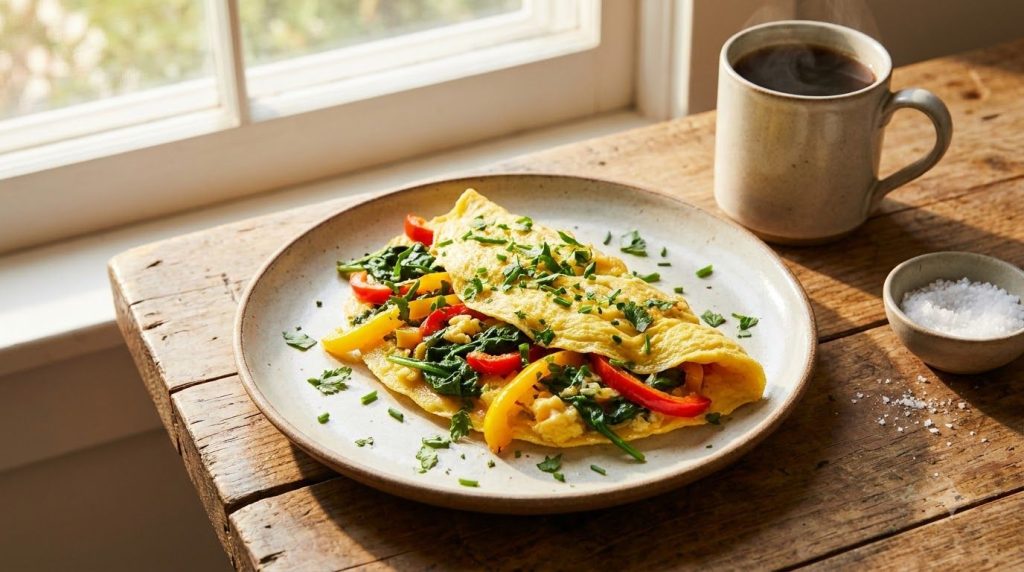
- Eggs: Enjoy whole eggs scrambled, poached, or hard-boiled for breakfast. Add them to salads, sandwiches, or stir-fries.
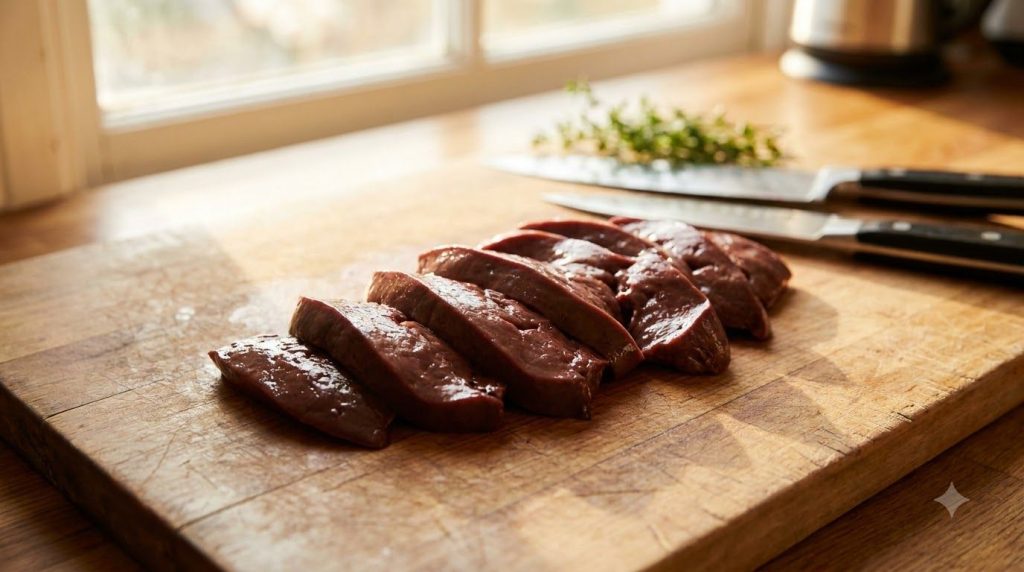
- Beef Liver: Try sautéing liver with onions and garlic, or incorporating it into pâtés. If the taste is strong for you, consider grass-fed liver supplements in capsule form.
- Salmon: Bake, grill, or pan-sear salmon. It pairs wonderfully with roasted vegetables or a fresh salad.
- Soybeans: Enjoy edamame as a snack, add cooked soybeans to soups, salads, or make a hearty soybean chili.
- Chicken: Include baked or grilled chicken breast in your meals. Shredded chicken is great for tacos or wraps.
- Broccoli: Steam, roast, or stir-fry broccoli as a nutritious side dish.
- Potatoes: Enjoy baked potatoes with healthy toppings, or use them in stews and roasts.
Potential Risks and Considerations
While choline is essential, consuming extremely high doses can lead to some side effects. These may include a fishy body odor, sweating, salivation, low blood pressure, and liver toxicity. However, these effects are rare and typically occur only with very high supplement doses, not through food intake.
Most people in Western diets do not meet the adequate intake for choline, so the focus for many should be on increasing their intake through nutritious foods. Always consult a healthcare professional before taking choline supplements, especially if you have existing health conditions.
Practical Tips for Boosting Choline Intake
- Embrace Whole Eggs: Don’t skip the yolk! It’s where most of the choline is found.
- Vary Your Proteins: Include a mix of animal and plant-based proteins like eggs, meat, fish, and legumes.
- Don’t Forget Veggies: Many vegetables, like broccoli and Brussels sprouts, contribute to your choline intake.
- Smart Snacking: Grab a handful of edamame or hard-boiled eggs for a choline-rich snack.
- Meal Prep: Cook a batch of salmon or chicken at the beginning of the week to easily add to meals.
By incorporating a variety of these foods, you can ensure your body is getting the choline it needs to thrive.
FAQs About Choline
1. What is choline good for?
Choline is essential for brain health, liver function, metabolism, and maintaining healthy cell membranes.
2. Can I get enough choline from a plant-based diet?
Yes, but it may require more careful planning. Plant-based sources include soybeans, tofu, quinoa, cruciferous vegetables like broccoli and Brussels sprouts, and certain nuts and seeds.
3. What are the symptoms of choline deficiency?
Symptoms of choline deficiency can include liver damage, muscle damage, and impaired cognitive function. However, true deficiency is rare in healthy individuals consuming a balanced diet.
4. How much choline do I need daily?
The adequate intake (AI) for adult men is 550 mg per day and for adult women is 425 mg per day (450 mg for pregnant women and 550 mg for breastfeeding women).
5. Are choline supplements necessary?
For most healthy individuals, a balanced diet rich in choline-containing foods is sufficient. Supplements may be considered under specific circumstances or medical advice.
6. Does cooking affect choline content?
While some nutrients can be lost during cooking, choline is relatively stable. However, overcooking can sometimes reduce nutrient content. Steaming or light sautéing is often best.
7. Is choline the same as lecithin?
Lecithin is a fatty substance found in many foods, and it contains choline as one of its components. While they are related, they are not the same thing.
Conclusion
Choline might be an unsung hero of nutrition, but its impact on your brain, liver, and overall cellular health is undeniable. By consciously adding choline-rich foods like egg yolks, beef liver, salmon, and soybeans to your diet, you can support your body’s vital functions and boost your well-being.
Remember, a varied and balanced diet is key to getting all the essential nutrients you need. Start exploring these delicious options today and feel the difference! We encourage you to explore more healthy food content on our website to continue your journey towards a healthier lifestyle.
This content is for educational purposes only and should not be considered medical advice. Consult a qualified healthcare professional for personalized dietary recommendations.

