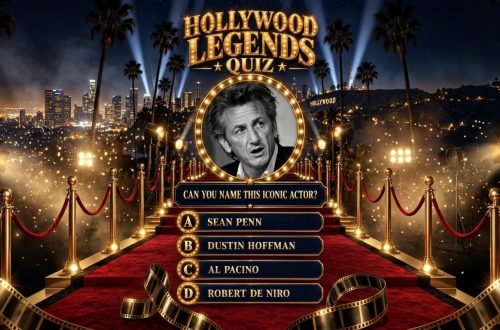
Think you know classic Hollywood? Prepare to put your knowledge to the ultimate test with a challenge that only a select few can conquer. Hollywood’s history is rich with legends, but some stars shine so brightly and evolve so dramatically that recognizing them across decades becomes a true test of a cinephile’s memory. We’re talking about a star whose career spans multiple iconic eras, leaving an indelible mark on cinema as both an actor and a director.
Today, we’re diving deep into the extraordinary journey of one such legend. Can you guess who we’re talking about?
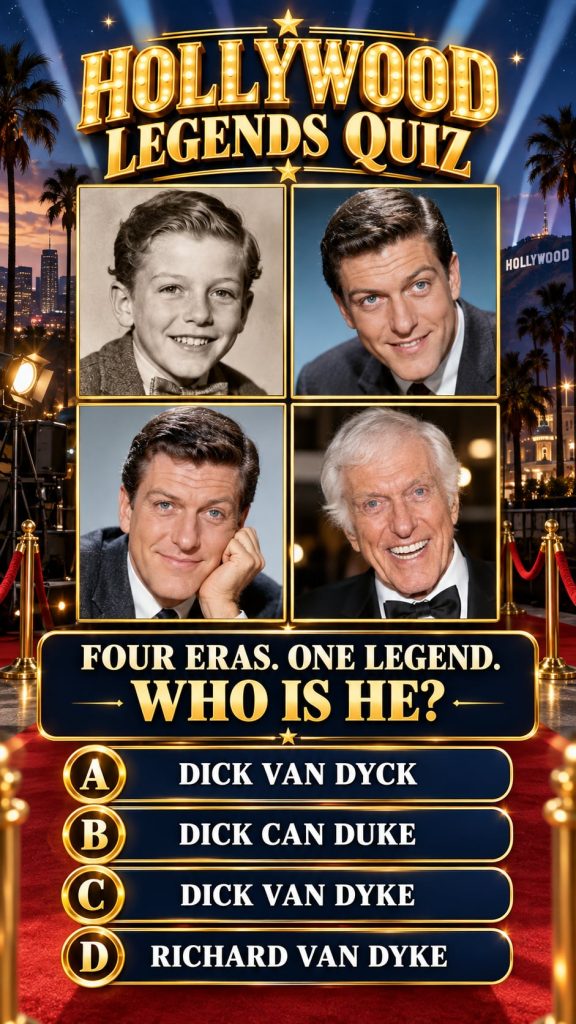
The Man, The Myth, The Legend: Clint Eastwood
If you guessed Clint Eastwood, congratulations! You’re among the elite 1% of Hollywood history buffs. For over six decades, Clint Eastwood has captivated audiences worldwide, transforming from a television cowboy into one of cinema’s most enduring and influential figures. His career is a testament to versatility, grit, and an unwavering commitment to storytelling, both in front of and behind the camera.
Era 1: The Early Days and TV Stardom (1950s-1960s)
Eastwood’s journey began in the mid-1950s with minor roles, but it was his breakout performance as Rowdy Yates in the hit TV Western series Rawhide (1959-1965) that first brought him national recognition. With his stoic demeanor and rugged good looks, he quickly became a fan favorite, laying the groundwork for his future iconic roles in the Western genre.
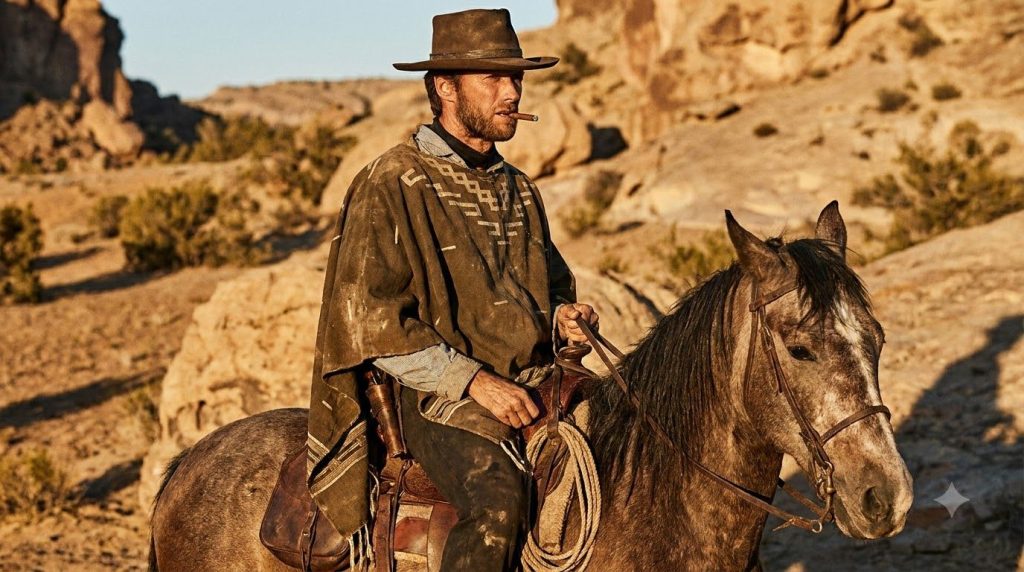
Era 2: The ‘Man with No Name’ and International Fame (1960s)
The mid-1960s saw Eastwood venture to Italy, where he collaborated with director Sergio Leone on the groundbreaking “Dollars Trilogy”: A Fistful of Dollars (1964), For a Few Dollars More (1965), and The Good, the Bad and the Ugly (1966). His portrayal of the enigmatic, morally ambiguous “Man with No Name” revolutionized the Western genre, creating the anti-hero archetype that would define a generation of films. These spaghetti Westerns propelled him to international superstardom.
Era 3: Dirty Harry and Directorial Debut (1970s-1980s)
Returning to Hollywood, Eastwood continued to dominate the box office with diverse roles. He cemented his tough-guy image as Inspector Harry Callahan in the Dirty Harry series (1971-1988), a role that became synonymous with his brand of justice and defiance. Beyond acting, the 1970s marked his pivot into directing, starting with Play Misty for Me (1971). This era showcased his growing artistic control and distinct vision.
Era 4: Acclaimed Director and Enduring Star (1990s-Present)
The latter part of Eastwood’s career saw him earn critical acclaim as a director, winning Academy Awards for Best Director and Best Picture for Unforgiven (1992) and Million Dollar Baby (2004). He continued to act in many of his directed films, proving that age is just a number when it comes to delivering powerful performances. From the emotionally charged Gran Torino (2008) to the compelling The Mule (2018), Eastwood remains a relevant and respected figure in Hollywood, a living legend who continues to contribute to the cinematic landscape.
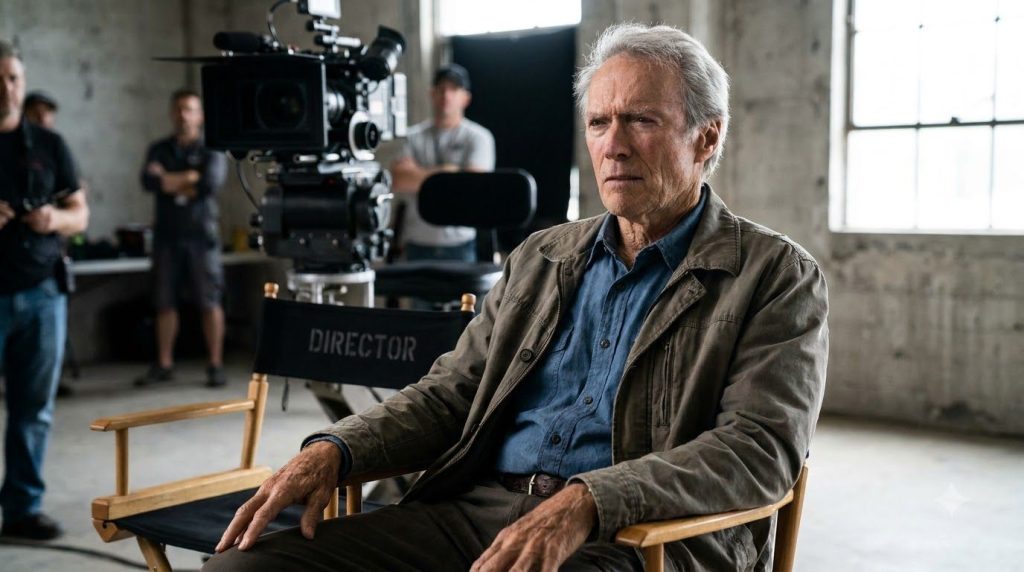
A True Hollywood Icon
Clint Eastwood’s career is a masterclass in longevity, adaptation, and consistent quality. He has not only entertained millions but also shaped the very fabric of American cinema. His ability to evolve with the times while maintaining his signature persona is what makes him an undeniable Hollywood icon. Did you recognize him immediately, or did his incredible transformation across eras stump you?