When it comes to fueling your body, protein is a powerhouse nutrient. It helps build and repair tissues, makes enzymes and hormones, and is a crucial building block of bones, muscles, cartilage, skin, and blood. But with so many options, how do popular sources like lentils, eggs, and chicken breast stack up against each other?
This article will dive into a detailed comparison of these three protein champions. We’ll explore their nutritional profiles, taste, and best uses so you can make informed choices to meet your dietary goals. Understanding their differences can empower you to create balanced, healthy meals every day.
Nutrition Comparison Table
Let’s start with a quick overview of what 100 grams (cooked) of each protein source typically offers. Keep in mind that exact values can vary slightly based on preparation methods and specific varieties.
| Food | Calories | Protein | Carbs | Fat | Fiber | Main Nutrients | Best Benefit |
|---|---|---|---|---|---|---|---|
| Lentils (Boiled) | ~116 | ~9g | ~20g | ~0.4g | ~8g | Folate, Iron, Magnesium, Potassium | Plant-based protein, high fiber, budget-friendly |
| Eggs (2 Large, Boiled) | ~155 | ~13g | ~1.1g | ~11g | 0g | Vitamin D, B12, Choline, Selenium | Complete protein, versatile, affordable |
| Chicken Breast (Cooked, Skinless) | ~165 | ~31g | 0g | ~3.6g | 0g | Niacin, B6, Phosphorus, Selenium | High-quality, lean protein, muscle building |
Calories
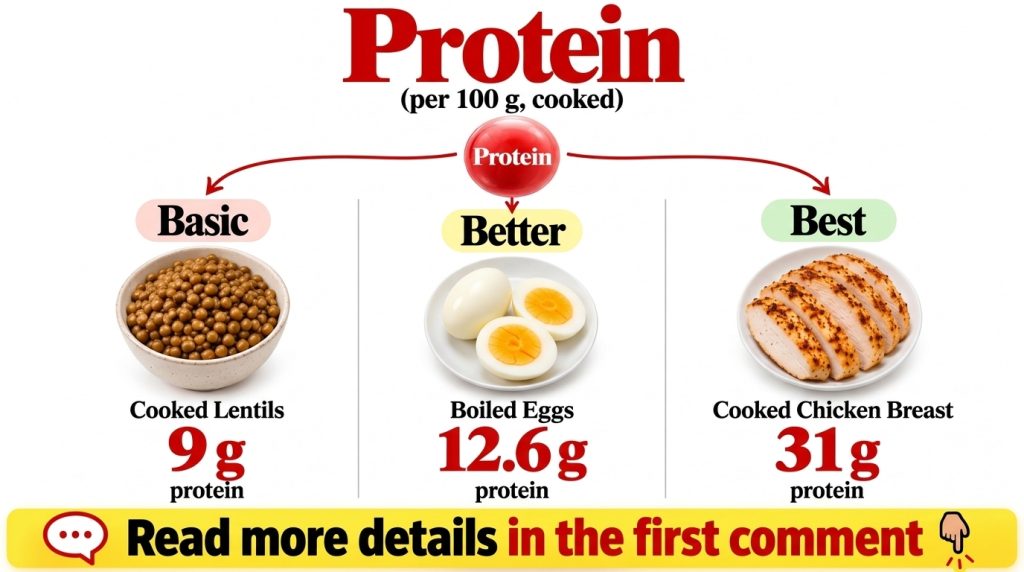
When watching your caloric intake, it’s helpful to know how these proteins compare. Chicken breast offers a high amount of protein for a relatively moderate calorie count, making it a great choice for lean muscle building and weight management. Eggs provide a balanced calorie profile with both protein and healthy fats. Lentils, while lower in calories per 100g than chicken or eggs, also contribute a significant amount of carbohydrates.
Protein Content
This is where the comparison gets interesting! Chicken breast stands out as the clear winner for protein density, offering approximately 31 grams per 100g. It’s a complete protein, meaning it contains all nine essential amino acids your body needs. Eggs are also an excellent source of complete protein, providing around 13 grams per 100g. Lentils, a fantastic plant-based option, offer about 9 grams of protein per 100g. While not a complete protein on their own, lentils can be combined with grains like rice to form a complete protein meal.
Fat Content
For those mindful of fat intake, skinless chicken breast is notably low in fat, making it a lean protein choice. Eggs contain healthy fats, primarily in the yolk, which also houses many vital nutrients. Lentils are exceptionally low in fat, making them a heart-healthy addition to any diet.
Carbohydrates
Lentils are rich in complex carbohydrates, providing sustained energy and supporting digestive health due to their high fiber content. In contrast, chicken breast and eggs contain virtually no carbohydrates, making them ideal for low-carb eating plans.
Fiber
This is where lentils truly shine! With about 8 grams of fiber per 100g, they are a fantastic source of dietary fiber, which is crucial for digestive health, blood sugar regulation, and feeling full. Eggs and chicken breast, being animal products, contain no dietary fiber.
Vitamins and Minerals
- Lentils: Packed with folate (essential for cell growth), iron (for oxygen transport), magnesium (for muscle and nerve function), and potassium (for blood pressure). They also offer B vitamins and zinc.
- Eggs: Rich in Vitamin D (for bone health), Vitamin B12 (for nerve function and energy), choline (important for brain health), and selenium (an antioxidant).
- Chicken Breast: A good source of Niacin (Vitamin B3, for energy metabolism), Vitamin B6 (for protein metabolism), phosphorus (for bones and teeth), and selenium.
Taste and Versatility
- Lentils: Have an earthy, mild flavor, making them incredibly versatile. They absorb flavors well and are great in soups, stews, salads, curries, and even veggie burgers.
- Eggs: Offer a rich, savory taste. They are a breakfast staple but also shine in baked goods, quiches, salads, and as a binding agent in many recipes.
- Chicken Breast: Has a mild, lean flavor profile. It’s a favorite for its ability to take on various seasonings and cooking methods, from grilling and baking to stir-frying and shredding.
Best For
- Lentils: Ideal for plant-based eaters, those looking to increase fiber intake, manage blood sugar, support heart health, and stretch their food budget.
- Eggs: Perfect for a quick, complete protein boost, breakfast lovers, versatile meal additions, and a budget-friendly protein source.
- Chicken Breast: Excellent for athletes, those focused on muscle building, individuals seeking lean protein for weight management, and meal prep enthusiasts.
Which One is the Winner?
There isn’t a single ‘winner’ in this protein showdown, as each food offers unique benefits and excels in different areas. The best choice truly depends on your individual dietary needs, health goals, and taste preferences.
- If you’re aiming for the highest protein content per serving with minimal fat and carbs, chicken breast is an outstanding option.
- For a complete protein source that’s incredibly versatile and nutrient-dense, eggs are a fantastic choice.
- If you follow a plant-based diet, need significant fiber, or are looking for a budget-friendly option rich in various minerals, lentils are your champion.
The best strategy is often to incorporate a variety of these protein sources into your diet to reap their diverse nutritional benefits!
Practical Tips for Incorporating These Proteins
For Lentils:
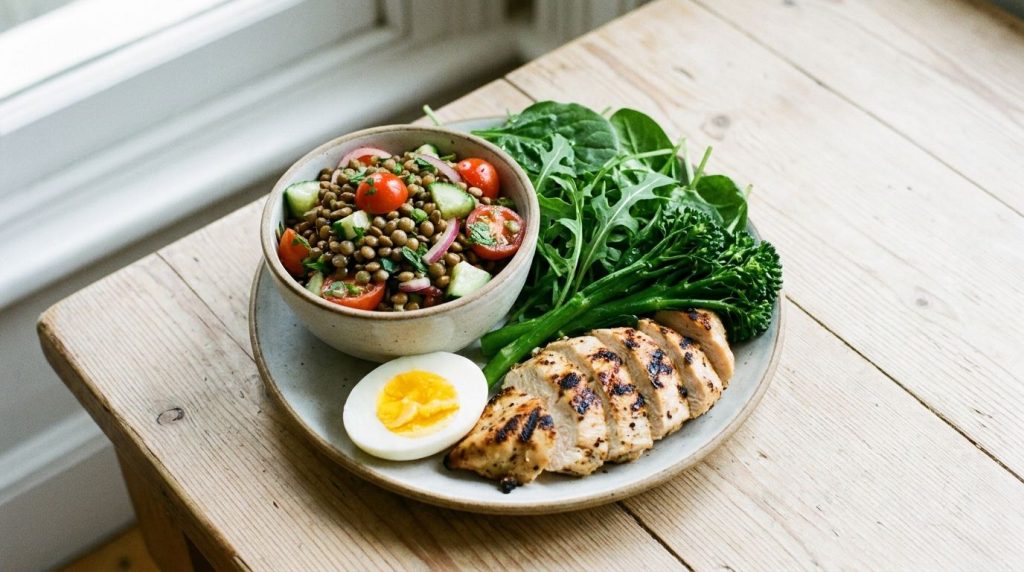
- Soups and Stews: Add cooked lentils to your favorite vegetable or meat-based soups for a fiber and protein boost.
- Salads: Cooked and cooled lentils make a hearty addition to salads. Try them with chopped veggies, herbs, and a lemon-tahini dressing.
- Meat Substitute: Use mashed lentils in vegetarian burgers, meatballs, or as a base for sloppy joes.
For Eggs:
- Quick Breakfast: Scramble, fry, or boil eggs for a fast and nutritious start to your day.
- Snacks: Hard-boiled eggs are excellent for on-the-go snacks or added to lunchboxes.
- Dinner: Incorporate eggs into stir-fries, frittatas, or as a topping for ramen or avocado toast.
For Chicken Breast:
- Meal Prep: Cook a batch of chicken breast at the beginning of the week to use in salads, sandwiches, or wraps.
- Grilling/Baking: Season and grill or bake chicken breast for a simple, lean main course.
- Shredded Chicken: Cook and shred chicken to use in tacos, quesadillas, or as a protein for pasta dishes.
FAQs About Protein Sources
Are lentils a complete protein?
No, lentils are considered an incomplete protein because they lack some essential amino acids, specifically methionine. However, you can easily make them a complete protein by pairing them with grains like rice or other complementary plant-based foods throughout the day.
How many eggs can I eat in a day?
For most healthy individuals, consuming 1-3 eggs per day is generally considered safe and healthy. Recent research suggests that dietary cholesterol from eggs has a less significant impact on blood cholesterol levels for many people compared to saturated and trans fats. If you have specific health concerns, consult your doctor or a registered dietitian.
Is chicken breast always the best protein source?
Chicken breast is an excellent lean protein source, especially for muscle building and weight management due to its high protein and low-fat content. However, ‘best’ is subjective and depends on individual dietary needs, preferences, and nutritional goals. Variety is key for a well-rounded diet.
Can I get enough protein on a vegetarian diet using lentils and eggs?
Absolutely! Lentils and eggs can be foundational to a protein-rich vegetarian diet. By including a variety of plant-based proteins (like legumes, nuts, seeds, and whole grains) alongside eggs, you can easily meet your daily protein requirements and ensure you get all essential amino acids.
Do cooking methods affect protein content?
Cooking methods generally do not significantly alter the total protein content of foods. However, extreme heat can sometimes denature proteins, slightly changing their structure, but their nutritional value typically remains intact. Cooking can also make proteins more digestible.
Are there any downsides to eating too much chicken?
While chicken breast is healthy, consuming excessive amounts of any single food could lead to a lack of dietary diversity. Focusing solely on one protein source might mean missing out on the varied vitamins, minerals, and other beneficial compounds found in other foods.
How do these compare to other protein sources like fish or tofu?
Fish (like salmon or tuna) is also a complete protein, rich in omega-3 fatty acids, which chicken and lentils lack. Tofu is a complete plant-based protein similar to chicken in its versatility and low-fat content, offering a great alternative for vegetarians and vegans. Each has unique benefits worth exploring!
Conclusion
Lentils, eggs, and chicken breast are all excellent protein sources, each bringing a unique set of nutritional advantages to your plate. Whether you prioritize lean muscle, plant-based fiber, or versatile meal options, there’s a place for each of these in a healthy, balanced diet.
Embrace variety in your meals to ensure you’re getting a broad spectrum of nutrients. By understanding the distinct benefits of each, you can make smarter choices that support your wellness journey. Explore more healthy food content on our website to continue building your nutritional knowledge!
This content is for educational purposes only and should not be considered medical advice. Consult a qualified healthcare professional for personalized dietary recommendations.
Related Healthy Food Content
- High Protein Breakfast Ideas
- Plant-Based Protein Sources
- Healthy Meal Prep Ideas
- Understanding Complete Proteins

