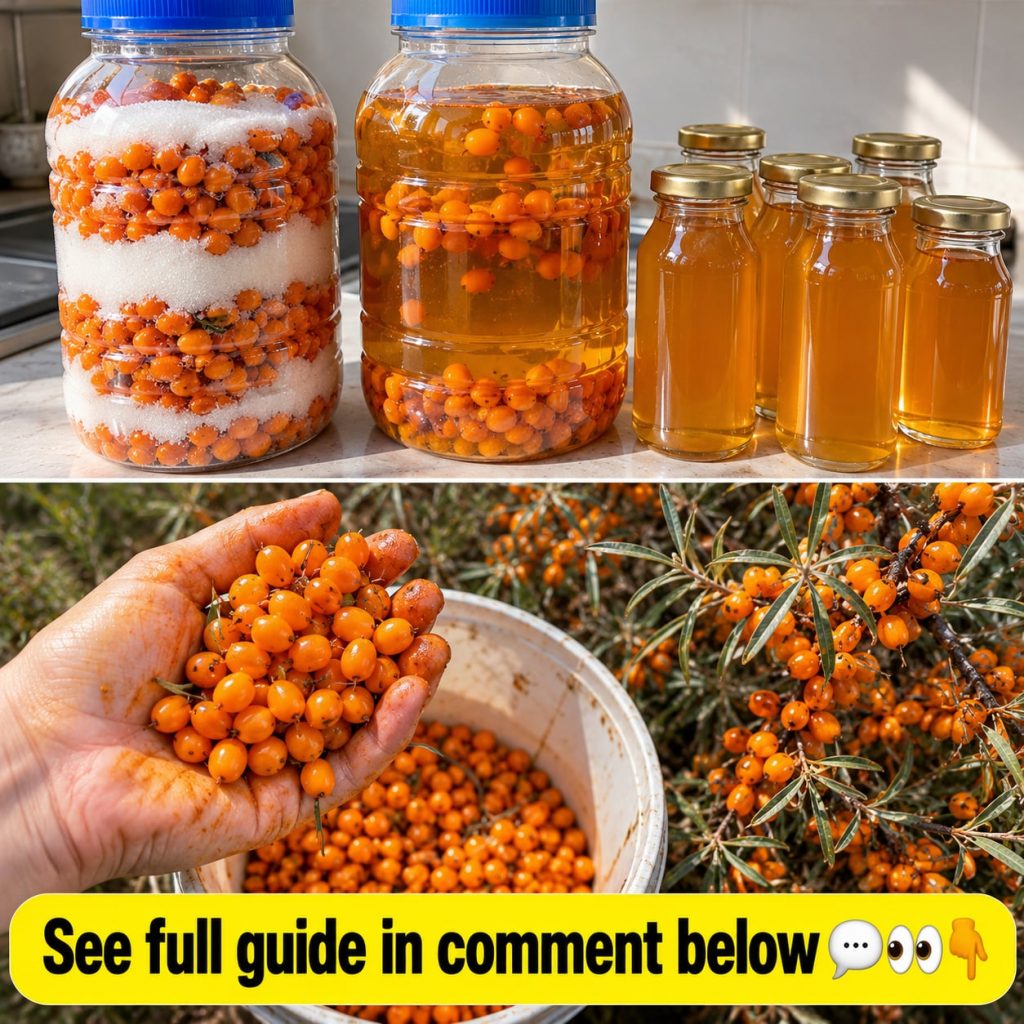
Most people focus on citrus for winter wellness, but there’s a lesser-known thorny bush whose vibrant orange berries hold a potent secret: sea buckthorn. Often overlooked, these tiny powerhouses can be transformed into a delicious, golden syrup that serves as a fantastic remedy for the colder months. One small preparation mistake, however, can ruin the entire batch, stripping away its potent properties. Let’s dive into how to harness this golden harvest properly.
What is Sea Buckthorn Syrup?
Sea buckthorn syrup is a concentrated liquid extract made from the berries of the sea buckthorn plant (Hippophae rhamnoides). These berries are renowned for their exceptional nutritional profile, packed with vitamins (especially C, E, and K), antioxidants, and essential fatty acids. The syrup captures these benefits in a palatable form, traditionally used to support immunity, soothe throats, and boost overall vitality during the colder seasons.
Ingredients for Your Golden Sea Buckthorn Syrup
Creating this healthful syrup doesn’t require a long list of exotic items. The beauty of it lies in its simplicity and the potent properties of its main ingredient.
- Fresh or Frozen Sea Buckthorn Berries
- Water (filtered is best)
- Sweetener (Honey, Maple Syrup, or Organic Cane Sugar)
Approximate Measurements
Precision isn’t always key in natural remedies, but these measurements provide a good starting point for a balanced syrup.
- Sea Buckthorn Berries: 2 cups (approx. 250-300g)
- Water: 2 cups
- Sweetener: 1 to 1.5 cups (adjust to taste and desired consistency)
Formula / Recipe: The Golden Winter Elixir
This formula ensures you extract maximum goodness from the berries without compromising their delicate nutrients with excessive heat.
- Gently wash and sort the berries.
- Simmer berries in water to soften.
- Mash and strain the berry pulp.
- Combine the extracted juice with your chosen sweetener.
- Heat gently until the sweetener dissolves and the mixture slightly thickens.
- Bottle and store.
Step-by-Step Method
Following these steps carefully will ensure a potent and delicious syrup.
Step 1: Prepare the Berries
Rinse your sea buckthorn berries under cold water. If using fresh berries, remove any stray leaves or stems. If using frozen berries, there’s no need to thaw them completely before starting.
Step 2: Gentle Simmering
In a non-reactive saucepan, combine the 2 cups of sea buckthorn berries with 2 cups of filtered water. Bring the mixture to a gentle simmer over medium-low heat. Do not boil vigorously, as high heat can degrade vitamin C. Simmer for about 10-15 minutes, or until the berries are visibly softened and have released their juices.
Step 3: Mash and Strain
Remove the saucepan from the heat. Using a potato masher or the back of a spoon, gently mash the softened berries to release more juice. Place a fine-mesh sieve over a large bowl and pour the berry mixture into it. Press down on the pulp with a spoon or spatula to extract as much liquid as possible. You can also use a cheesecloth-lined sieve for a clearer juice. Discard the pulp.
Step 4: Sweeten the Juice
Measure the extracted sea buckthorn juice. For every cup of juice, you’ll want to add between 1/2 to 3/4 cup of your chosen sweetener. Start with less and add more to taste. Return the juice to the cleaned saucepan. Add your sweetener (honey, maple syrup, or organic cane sugar).
Step 5: Final Gentle Heating
Heat the juice and sweetener mixture over low heat, stirring constantly, until the sweetener is completely dissolved. Do not boil. The syrup should lightly coat the back of a spoon. This gentle heating helps to meld the flavors and ensures the sweetener is fully incorporated.
How to Use Your Sea Buckthorn Syrup
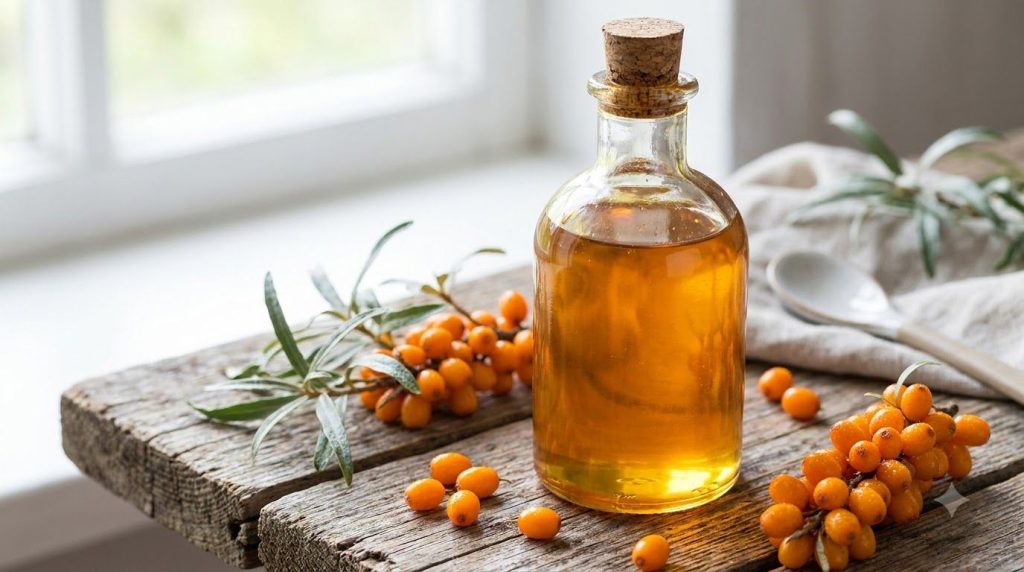
This golden syrup is incredibly versatile. Here are a few popular ways:
- As a Daily Tonic: Take 1-2 tablespoons directly or diluted in a small amount of water.
- In Drinks: Add to hot tea, sparkling water, or smoothies.
- Over Food: Drizzle over yogurt, oatmeal, pancakes, or ice cream.
- In Dressings: Incorporate into vinaigrettes for a tangy twist.
How Often to Use
For general wellness support, a daily dose of 1-2 tablespoons is often sufficient. During periods of increased need, such as when you feel a cold coming on, you might increase it to 2-3 times a day for a short period. Always listen to your body and adjust as needed.
Quick Tip: Fresh vs. Frozen
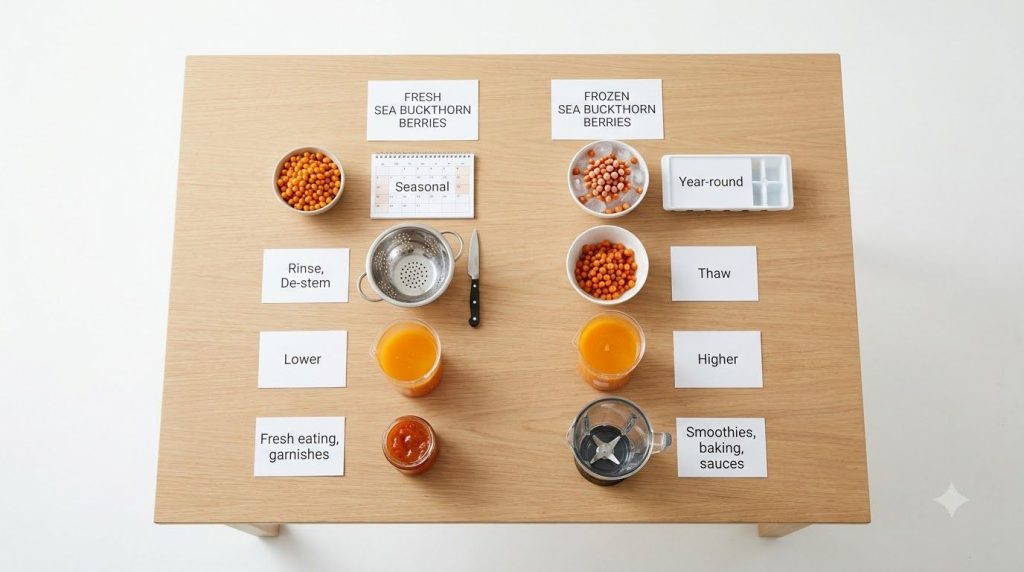
Both fresh and frozen sea buckthorn berries work wonderfully for syrup. Frozen berries are often easier to find year-round and can be simpler to mash once slightly thawed. Freezing also helps break down the cell walls, potentially aiding juice extraction.
How to Buy / How to Choose Ingredients
When sourcing sea buckthorn berries, quality matters:
- Fresh Berries: Look for firm, plump, bright orange berries without signs of mold or bruising. If picking yourself, ensure they come from an area free of pesticides and pollution.
- Frozen Berries: Opt for organic, individually quick-frozen (IQF) berries to prevent clumping and maintain nutrient integrity. Check the packaging for any added sugars or preservatives.
- Sweetener: Choose raw, local honey for additional benefits, pure maple syrup, or organic unrefined cane sugar for the best quality and flavor.
Storage
Proper storage is crucial for extending the life of your homemade syrup.
- Refrigeration: Store the syrup in airtight, sterilized glass bottles or jars in the refrigerator. It typically lasts for 2-3 weeks.
- Freezing: For longer storage, freeze the syrup in ice cube trays, then transfer the frozen cubes to freezer-safe bags. This allows you to thaw small portions as needed. Frozen syrup can last up to 6 months.
Practical Tips for Best Results
- Sterilize Your Jars: Always use clean, sterilized jars or bottles to prevent bacterial growth and extend shelf life.
- Gentle Heat is Key: Overheating destroys delicate vitamins like Vitamin C. Keep the simmering and final heating stages gentle.
- Adjust Sweetness: Taste the juice before adding all the sweetener. Sea buckthorn can be quite tart, so adjust to your preference.
- Strain Twice: If you prefer a completely smooth syrup, strain the juice once through a fine-mesh sieve and then again through a cheesecloth-lined sieve.
Did You Know?
Sea buckthorn berries are one of the few plant sources of all four omega fatty acids (omega-3, -6, -7, and -9), making them a unique nutritional powerhouse!
Common Mistakes to Avoid
One small oversight can significantly impact your syrup’s quality and shelf life.
- Boiling Vigorously: As mentioned, high heat degrades sensitive nutrients. Always opt for a gentle simmer.
- Skipping Sterilization: Using unsterilized containers can lead to mold and spoilage very quickly.
- Not Mashing Enough: Failing to adequately mash the berries means you won’t extract all the valuable juice.
- Using Sprayed Berries: If harvesting wild, ensure the area is free from pesticides or other chemical treatments.
- Storing at Room Temperature: Homemade syrup without high sugar content or specific canning techniques is not shelf-stable and requires refrigeration.
Cautions / Who Should Avoid It
While generally safe, some individuals should exercise caution:
- Pregnancy and Breastfeeding: Consult a healthcare provider before use.
- Blood Thinners: Sea buckthorn may have mild blood-thinning properties. If you are on anticoagulant medication, speak to your doctor.
- Diabetes: Even natural sweeteners impact blood sugar. Monitor intake if you have diabetes.
- Allergies: Though rare, an allergic reaction to sea buckthorn is possible. Discontinue use if adverse symptoms occur.
Quick Summary: Your Golden Sea Buckthorn Syrup Guide
- Best Preparation: Gentle simmer, mash, strain, then lightly heat with sweetener.
- Best Use-Case: Daily immune support, soothing tonic, culinary enhancer.
- Storage: Refrigerate for 2-3 weeks, freeze for up to 6 months.
- When to Use: Especially beneficial during cold seasons or for a daily wellness boost.
- What to Avoid: High heat during preparation, unsterilized containers, and neglecting storage instructions.
Frequently Asked Questions (FAQ)
- Can I use fresh or dried sea buckthorn berries?
- For syrup, fresh or frozen berries are highly recommended for their juice content. Dried berries can be used for tea but won’t yield a good syrup.
- How long does homemade sea buckthorn syrup last?
- In the refrigerator, it typically lasts 2-3 weeks. If frozen, it can last up to 6 months.
- Can I refrigerate sea buckthorn syrup?
- Yes, refrigeration is essential for homemade syrup without chemical preservatives or extensive canning.
- How often should I use it?
- A common recommendation is 1-2 tablespoons daily for general wellness. You can increase this during periods of illness or seasonal challenges.
- What part of the sea buckthorn plant is best for syrup?
- Only the berries are used for making syrup. The leaves can be used for tea, and the oil extracted from seeds and pulp has other applications.
- Is sea buckthorn syrup safe for children?
- It’s generally considered safe for children in smaller doses, but always consult with a pediatrician first, especially for very young children.
- Why is my syrup not very thick?
- Homemade syrups tend to be thinner than commercial ones. If you desire a thicker consistency, you can gently reduce the mixture a bit longer over very low heat, or increase the sweetener slightly, but be mindful of nutrient degradation.
Conclusion
Embracing the golden secret of sea buckthorn berries through a homemade syrup is a rewarding way to support your well-being, especially as the colder months approach. By following these practical steps and avoiding common pitfalls, you can create a delicious and potent remedy that’s both simple to make and a joy to use. This vibrant golden elixir is a testament to nature’s ability to provide us with what we need to thrive.
You may also like: The Ultimate Guide to Homemade Ginger Shots
Read more: Boosting Immunity with Herbal Teas
See the full guide: Natural Cold Remedies You Can Make At Home