Give Your Young Plants the Best Start with DIY Collars!
Every gardener dreams of strong, healthy plants, but those early stages can be tricky. Young seedlings and delicate plants often face challenges from pests, harsh weather, or simply needing a little extra support to thrive. What if we told you there’s a simple, sustainable, and super effective DIY solution using everyday materials?
Get ready to discover the magic of cardboard and aloe vera plant collars! This ingenious hack not only protects your precious young plants but also provides a gentle boost to their growth. It’s easy, eco-friendly, and perfect for any gardener looking to give their green babies a head start.
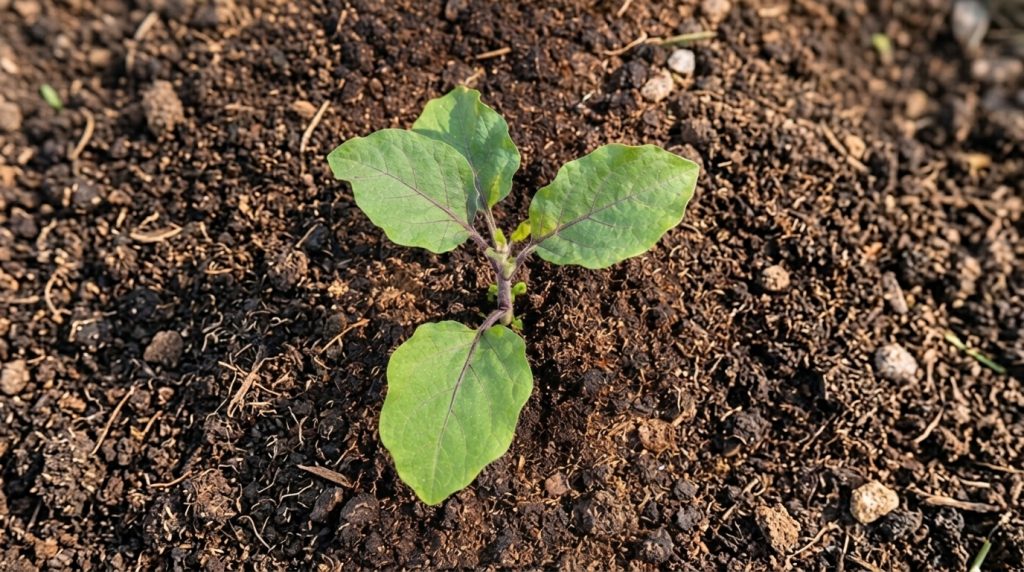
Why DIY Plant Collars Are a Game-Changer
You might be wondering, why go through the trouble of making a collar? Well, these simple creations offer multiple benefits that can significantly impact the success of your young plants:
- Physical Protection: Cardboard acts as a sturdy barrier against common garden pests like cutworms, slugs, and snails, which love to munch on tender young stems. It also shields delicate stems from accidental damage during weeding or watering.
- Root Nourishment: This is where the aloe vera comes in! Aloe vera is renowned for its healing and growth-promoting properties. When applied to the collar, it can slowly leach beneficial compounds into the soil, encouraging stronger root development and helping plants recover from transplant shock.
- Moisture Retention: The collar helps shade the soil around the base of the plant, reducing water evaporation and keeping the root zone consistently moist, which is crucial for young plants.
- Sustainable & Eco-Friendly: Reusing cardboard rolls is a fantastic way to upcycle household waste, contributing to a more sustainable gardening practice.
Materials You’ll Need
Gathering your supplies is the easiest part!
- Empty cardboard toilet paper or paper towel rolls (or any sturdy cardboard you can cut)
- Sharp scissors or a craft knife
- Fresh aloe vera leaf (from a healthy plant)
- A small spoon or knife (for scooping aloe gel)
Step-by-Step Guide: Crafting Your Plant Collars
Let’s get crafting! It’s super simple, we promise.
Step 1: Prepare Your Cardboard Rolls
If using toilet paper rolls, they’re already the perfect size. For paper towel rolls or larger cardboard pieces, cut them into sections approximately 3-4 inches tall. Then, make a single vertical cut down one side of each cardboard piece. This cut allows you to easily open and wrap the collar around the plant stem.
Step 2: Harvest Your Aloe Vera
Carefully snip a healthy, mature leaf from your aloe vera plant. Rinse it gently to remove any dirt. Using a knife, slice the leaf open lengthwise to expose the clear, gel-like interior.
Step 3: Apply the Aloe Vera Gel
With a spoon or the back of a knife, gently scrape the fresh aloe vera gel from the inside of the leaf. Apply a thin, even layer of this gel to the inside surface of your cardboard collar. Focus on the part that will be closest to the soil and the plant stem.
Step 4: Let it Dry (Optional, but Recommended)
While you can use them immediately, allowing the aloe gel to slightly dry on the cardboard for 10-15 minutes can help it adhere better and not wash away too quickly once in the garden.
How to Use Your DIY Plant Collar
Once your collars are ready, it’s time to put them to work!
- Placement: Gently wrap a prepared cardboard collar around the base of your young plant’s stem. Make sure the cut edges overlap slightly to form a cylinder.
- Secure in Soil: Carefully push the bottom edge of the cardboard collar a half-inch to an inch into the soil around the plant. This anchors it in place and creates a firm barrier.
- Watering: Water your plants as usual. The aloe vera will slowly leach into the soil, providing its beneficial compounds over time.
Why Aloe Vera is a Plant’s Best Friend
Aloe vera isn’t just good for your skin; it’s fantastic for plants too! It contains a range of active compounds, including vitamins, enzymes, minerals, and amino acids, which can act as natural growth stimulants and a mild fungicide. It’s particularly helpful for:
- Rooting Cuttings: Many gardeners use aloe vera as a natural rooting hormone.
- Reducing Transplant Shock: Its anti-inflammatory properties can help plants recover faster after being moved.
- Boosting Immunity: It can strengthen a plant’s natural defenses against stress and disease.
Tips for Success with Your Young Plants
To maximize the benefits of your DIY collars and ensure robust growth, consider these additional tips:
- Good Soil: Always start with well-draining, nutrient-rich soil.
- Proper Watering: Keep the soil consistently moist, but avoid overwatering.
- Sunlight: Ensure your young plants receive the appropriate amount of sunlight for their species.
- Pest Watch: Even with collars, regularly inspect your plants for any signs of pests or disease.
- Gentle Fertilizing: Once established, consider a balanced organic fertilizer to support continued growth.
Start Strong, Grow Stronger!
Giving your young plants a strong foundation is key to a flourishing garden. These DIY cardboard and aloe vera collars are a simple, sustainable, and incredibly effective way to protect and nourish your seedlings, helping them grow into robust, productive plants. Try this garden hack today and watch your garden thrive!