Most people grab a bottle of something off the shelf when they feel a sniffle coming on, but a potent, warming tonic known as Fire Cider has been a staple in herbal traditions for generations. One small preparation mistake, however, can completely diminish its powerful properties or even risk spoilage. This guide will walk you through crafting your own effective Fire Cider, ensuring you harness its full potential for wellness.
Forget vague concoctions; we’re diving into the exact ingredients and steps to create a dynamic, immunity-supporting elixir right in your kitchen.

What is Fire Cider?
Fire Cider is a traditional folk remedy and a pungent, warming tonic made by infusing potent immune-boosting herbs, vegetables, and spices in apple cider vinegar. It’s renowned for its ability to support natural defenses, clear congestion, and invigorate the body, especially during colder months. Unlike a simple tea, Fire Cider undergoes a fermentation-like process, extracting the beneficial compounds into a liquid form that can be taken daily as a preventative or acutely when feeling under the weather.
Ingredients
The beauty of Fire Cider lies in its adaptability, but certain core ingredients form its fiery foundation.
- Apple Cider Vinegar (ACV): 1 quart (about 1 liter) – Raw, unfiltered, with the mother.
- Fresh Ginger Root: ½ cup, peeled and grated or finely chopped.
- Fresh Horseradish Root: ½ cup, peeled and grated or finely chopped.
- Garlic: ½ cup, peeled and crushed or chopped.
- Onion: ½ cup, chopped.
- Cayenne Pepper: 1-2 teaspoons, or 1-2 fresh habanero/jalapeño peppers, chopped (adjust to heat preference).
- Turmeric Root: ¼ cup, peeled and grated or finely chopped (or 1-2 tablespoons dried turmeric powder).
- Optional Add-ins: Lemon slices, rosemary sprigs, thyme sprigs, peppercorns, star anise.
- Raw Honey: ¼ – ½ cup (added after straining, to taste).
Formula / Recipe
This traditional Fire Cider formula focuses on a balanced blend of warming, antimicrobial, and immune-supporting elements. The key is to use fresh, organic ingredients whenever possible to maximize potency.
Step-by-Step Method
Crafting your own Fire Cider is straightforward, but patience is key for optimal infusion.
- Prepare Ingredients: Wash, peel, and chop all your fresh ingredients (ginger, horseradish, garlic, onion, turmeric, peppers). Aim for small, uniform pieces to maximize surface area for infusion.
- Layer into Jar: Place all chopped ingredients into a clean, sterile quart-sized glass jar. Pack them fairly tightly but leave about ½ to 1 inch of space from the top.
- Add Liquids: Pour the raw, unfiltered apple cider vinegar over the ingredients until everything is completely submerged. Ensure no solid ingredients are exposed to air, as this can lead to mold.
- Seal and Store: Cover the jar with a non-metal lid. If using a metal lid, place a piece of parchment paper or plastic wrap between the lid and the jar to prevent corrosion from the vinegar.
- Infuse: Store the jar in a cool, dark place for at least 2-4 weeks. The longer it infuses, the stronger the flavor and potency. Shake the jar gently every day or two to help mix the ingredients and ensure proper infusion.
- Strain: After the infusion period, strain the mixture through a fine-mesh sieve or cheesecloth into a clean bowl. Press down firmly on the solids to extract as much liquid as possible. Discard the spent solids.
- Sweeten (Optional): Stir in raw honey to taste. Honey not only adds sweetness but also contributes its own beneficial properties.
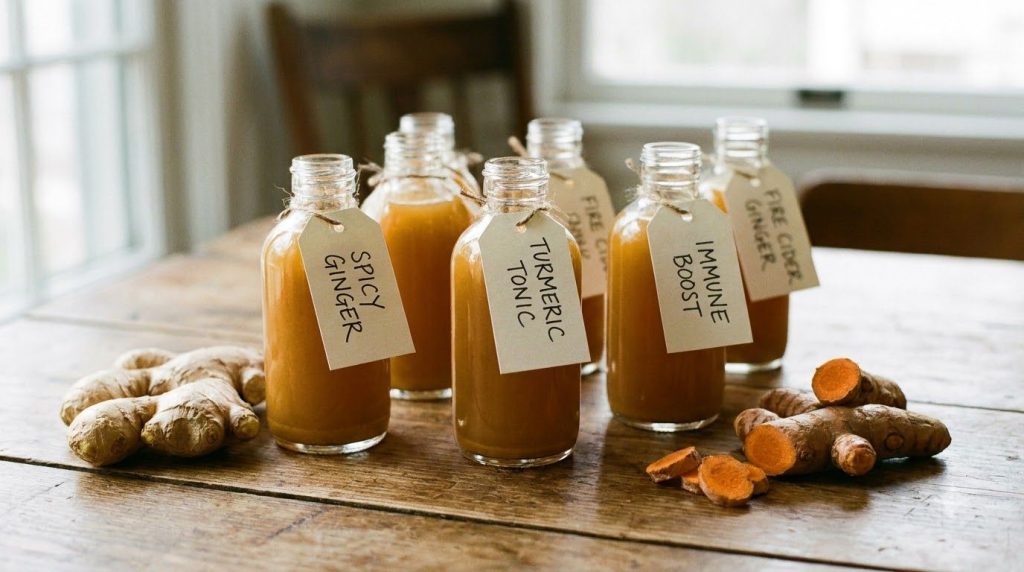
- Bottle: Pour the finished Fire Cider into clean, airtight glass bottles.
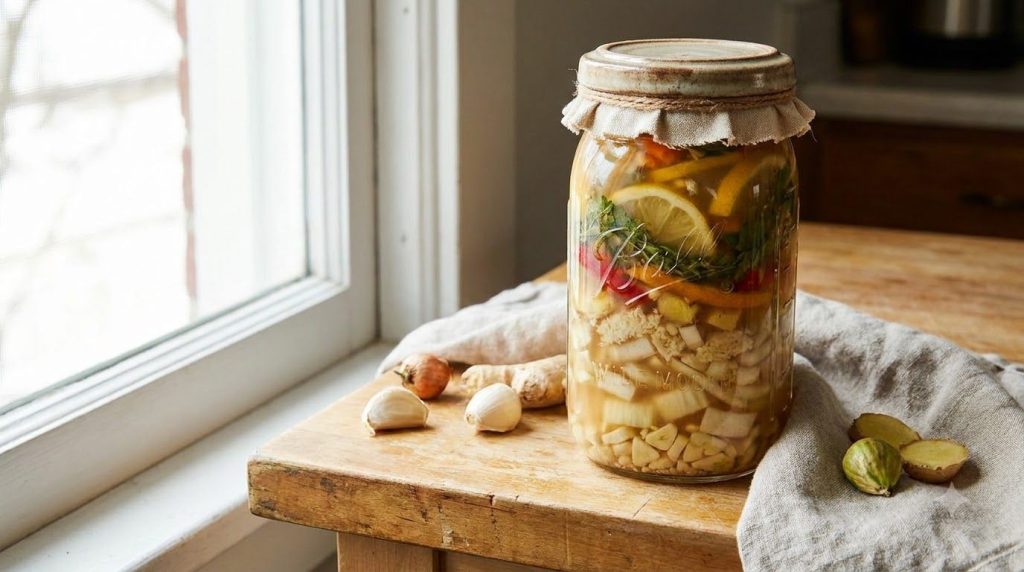
Quick Tip: Optimal Chopping for Potency
Don’t just roughly chop your ingredients. For maximum extraction of beneficial compounds, aim for finely grated or uniformly chopped pieces. This increases the surface area exposed to the apple cider vinegar, leading to a more potent final tonic. For harder roots like horseradish, a food processor can be very helpful.
How to Use
Fire Cider is highly versatile. You can take a “shot” of it straight, mix it with water or juice, or even use it as a culinary ingredient. Many find it invigorating as a morning pick-me-up or a protective boost before heading into crowded spaces.
How Often to Use
For general wellness and preventative measures, take 1 tablespoon daily. If you feel a cold or flu coming on, increase to 1 tablespoon every 3-4 hours until symptoms subside. Always listen to your body and adjust dosage as needed.
How to Buy / How to Choose Ingredients
When selecting ingredients, prioritize fresh and organic whenever possible. Look for firm, unblemished roots (ginger, horseradish, turmeric) and crisp garlic and onions. Raw, unfiltered apple cider vinegar “with the mother” is crucial for its probiotic benefits and active enzymes. This provides the best base for your tonic.
Storage
Store finished Fire Cider in airtight glass bottles in a cool, dark place, such as a pantry. While refrigeration isn’t strictly necessary due to the acidity of the vinegar, it can help maintain freshness and potency for longer periods. It generally lasts for at least 6 months to 1 year, if not longer.
Practical Tips
- Adjust the Heat: Love spicy? Add more cayenne or hot peppers. Prefer mild? Reduce them.
- Sweeten Smartly: Add honey after straining. Heating honey can diminish its beneficial enzymes.
- Reuse the Pulp: While not for consumption, the strained pulp can be composted or even used to make a “fire cider paste” for external rubs.
- Non-Reactive Lids: Always use plastic or parchment paper under metal lids to prevent corrosion from the vinegar.
Did You Know? Customizing Your Fire Cider Heat Level
The beauty of homemade Fire Cider is its customizable kick. Here’s a quick guide to adjusting the heat:
| Desired Heat Level | Cayenne Pepper Powder | Fresh Hot Peppers | Notes |
|---|---|---|---|
| Mild | ½ – 1 tsp | ¼ – ½ jalapeño | Focus on ginger/horseradish warmth. |
| Medium | 1 – 2 tsp | 1 jalapeño or ½ serrano | Balanced heat and pungency. |
| Hot | 2+ tsp | 1-2 habanero or serrano | For experienced users only! |
Common Mistakes
- Not Submerging Ingredients: Any ingredients exposed to air can mold. Always ensure everything is fully covered by ACV.
- Using Metal Lids Directly: The acid in ACV will corrode metal lids, potentially contaminating your tonic.
- Straining Too Early: Rushing the infusion process results in a weaker, less effective Fire Cider. Give it at least two weeks.
- Using Pasteurized ACV: The beneficial bacteria and enzymes (“the mother”) are vital for the tonic’s properties.
- Skipping the Shake: Regular shaking helps distribute ingredients and prevents settling, ensuring a more uniform infusion.
Cautions / Who Should Avoid It
Fire Cider is generally safe for most healthy adults. However, due to its potent ingredients and acidity, some individuals should exercise caution:
- Pregnant or Breastfeeding Individuals: Consult a healthcare professional due to the potent herbs.
- Individuals with Acid Reflux or Ulcers: The high acidity can aggravate these conditions.
- Children: Start with very small doses, diluted significantly, or avoid entirely due to the spice.
- Individuals on Blood-Thinning Medication: Ginger and turmeric can have mild blood-thinning effects.
Always start with a small amount to assess your tolerance. If irritation occurs, discontinue use.
Quick Summary
Fire Cider is a potent, warming tonic made by infusing immune-boosting ingredients in apple cider vinegar. It’s best prepared by chopping fresh ingredients, covering them with raw ACV, infusing for 2-4 weeks, then straining and sweetening with honey. Use 1 tablespoon daily for wellness or more frequently during illness. Store in a cool, dark place. Avoid common mistakes like not submerging ingredients or using metal lids directly.
FAQ
- Can I use dried herbs instead of fresh? While fresh is preferred for maximum potency and flavor, you can substitute with dried herbs. Use about half the amount of dried compared to fresh.
- How long does Fire Cider last? Properly stored in a cool, dark place, Fire Cider can last for 6 months to over a year.
- Do I have to add honey? No, honey is optional. If you prefer a completely unsweetened tonic, you can omit it.
- Can I reuse the solids after straining? It’s generally not recommended for a second batch as most of the beneficial compounds have been extracted. However, some people compost them or make a “fire paste.”
- Is it okay if my Fire Cider looks cloudy? Yes, cloudiness is normal, especially with raw, unfiltered apple cider vinegar. It’s a sign of beneficial enzymes and fermentation.
- Can I refrigerate Fire Cider? Yes, refrigerating it can extend its shelf life, but it’s not strictly necessary due to the high acidity.
- What part of the roots (ginger, horseradish, turmeric) is best? The entire root, after peeling, contains the beneficial compounds.
- When should I avoid using Fire Cider? Avoid if you have severe acid reflux, ulcers, or are allergic to any ingredients. Consult a doctor if pregnant, breastfeeding, or on specific medications.
Conclusion
Making your own Fire Cider is more than just following a recipe; it’s engaging in a time-honored tradition of natural wellness. With fresh, potent ingredients and a little patience, you can create a powerful, personalized tonic to support your body’s defenses all year long. Embrace the warmth and vitality of this traditional remedy, crafted right in your own kitchen.
You may also like: Read more about Homemade Turmeric Tonics for Immunity
See the full guide: How to Make Elderberry Syrup for Cold Season

