Most people ignore the unassuming green leaves that often grow in plain sight, focusing instead on the fruit. But did you know that the humble guava leaf holds an unexpected treasure trove of health benefits? Often overlooked, these common leaves are what many herbalists keep close for a surprising range of natural remedies.
One small preparation mistake can dilute its full potential, turning a potent remedy into a weak infusion. This guide will walk you through harnessing the true power of guava leaves, from simple teas to topical applications, ensuring you get the most from this everyday green ally.
What Are Guava Leaves?
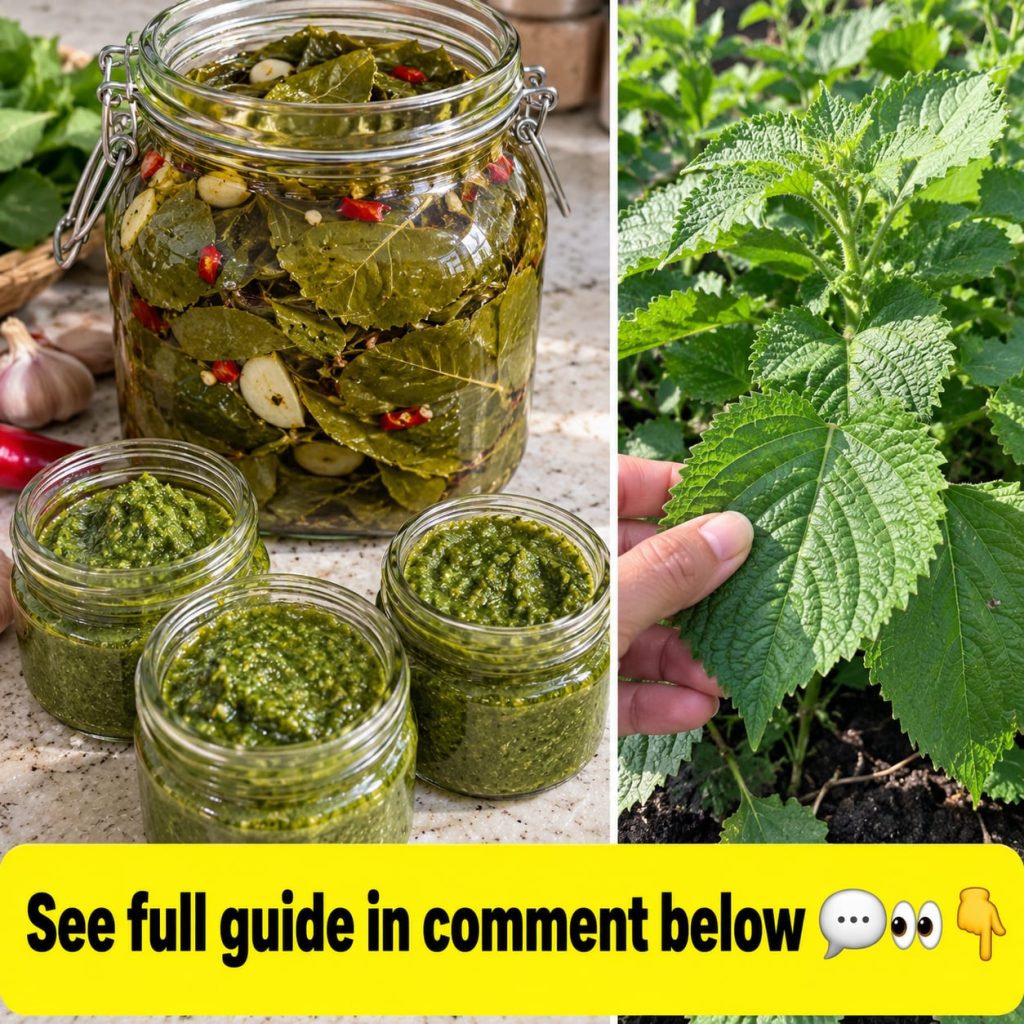
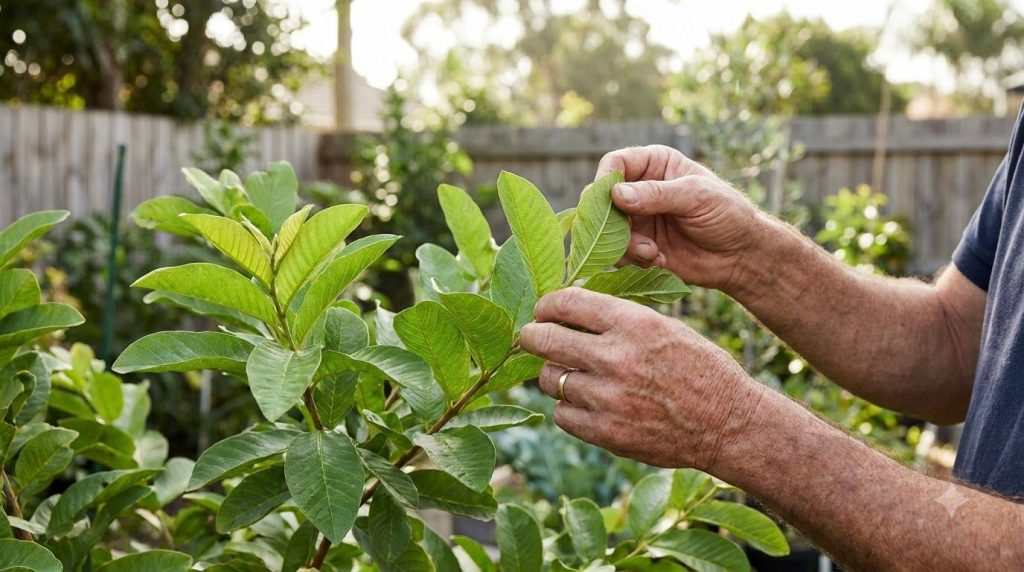
Guava (Psidium guajava) is a tropical tree native to Central and South America. While the fruit is a popular and nutritious snack, the leaves are equally valuable in traditional medicine. Packed with antioxidants, anti-inflammatory compounds, and antimicrobials, guava leaves are revered for their therapeutic properties when prepared correctly.
Ingredients for a Basic Guava Leaf Tea
Making a potent guava leaf tea is straightforward, requiring minimal ingredients:
- 10-15 fresh guava leaves (or 1-2 tablespoons dried)
- 2-3 cups of filtered water
- Optional: Honey or lemon to taste
Approximate Measurements
For a standard strength infusion, 10-15 fresh leaves or 1-2 tablespoons of dried, crumbled leaves per 2-3 cups of water is a good starting point. Adjust based on desired strength and personal preference, but avoid making it overly concentrated, especially if new to the remedy.
Formula / Recipe: Guava Leaf Infusion
This simple method yields a versatile infusion suitable for drinking or as a topical rinse.
Step-by-Step Method
- Clean the Leaves: Thoroughly wash fresh guava leaves under cool running water to remove any dirt, dust, or potential residues. If using dried leaves, skip this step.
- Prepare the Leaves: For fresh leaves, you can either use them whole or tear them into smaller pieces to expose more surface area.
- Boil Water: In a saucepan, bring 2-3 cups of filtered water to a rolling boil.
- Add Leaves: Once boiling, add the prepared guava leaves to the water.
- Simmer: Reduce the heat to low, cover the saucepan, and let the mixture simmer gently for 10-15 minutes. This allows the beneficial compounds to extract into the water.
- Strain: Remove the saucepan from the heat and let it cool slightly. Strain the liquid using a fine-mesh sieve or cheesecloth, discarding the used leaves.
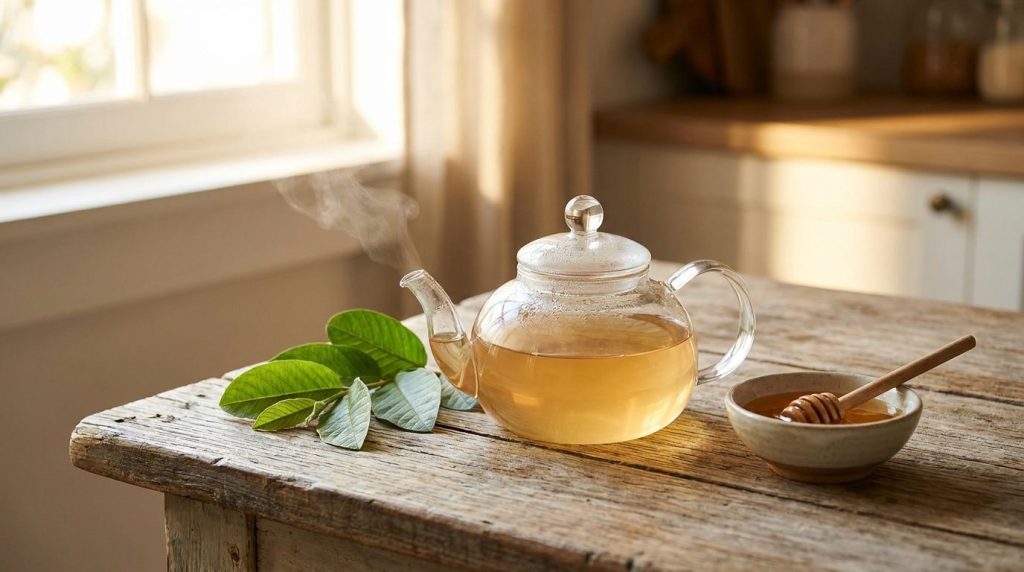
- Serve: Your guava leaf tea is now ready. Enjoy it warm or chilled. Add honey or lemon if desired.
How to Use Guava Leaf Infusion
This infusion is remarkably versatile:
- For Digestive Health: Drink 1 cup of warm tea 30 minutes before meals to aid digestion or soothe an upset stomach.
- For Skin Care: Use the cooled infusion as a facial rinse to calm irritation, reduce redness, and address acne. Apply with a cotton pad or spray bottle.
- For Hair & Scalp: After shampooing, use the cooled infusion as a final hair rinse to strengthen hair follicles and address scalp issues like dandruff. Massage into the scalp and leave on for 10-15 minutes before rinsing with cool water.
- Oral Health: Use as a mouthwash to help with gum inflammation or bad breath.
How Often to Use
For general wellness, drinking 1-2 cups of guava leaf tea per day is common. For specific issues like digestive upset, use as needed but do not exceed 3 cups daily. For topical applications (skin/hair), 2-3 times a week is often sufficient, adjusting based on your skin’s and hair’s response.
How to Buy / How to Choose Guava Leaves
The best way to ensure quality is to source fresh leaves from an organic garden or a trusted herbal supplier. Look for vibrant, green leaves without signs of wilting, discoloration, or pest damage. If fresh leaves aren’t available, opt for dried organic guava leaves from a reputable health food store or online vendor.
Fresh vs. Dried Guava Leaves
| Feature | Fresh Leaves | Dried Leaves |
|---|---|---|
| Potency | Higher, especially for volatile compounds | Slightly less, but still very effective |
| Availability | Seasonal, harder to find unless growing | Year-round, widely available |
| Preparation | Requires thorough washing | Ready to use |
| Storage | Short shelf life (1-2 weeks refrigerated) | Long shelf life (6-12 months in airtight container) |
| Cost | Often free if grown, otherwise variable | Generally affordable |
Storage
Fresh Leaves: Store unwashed fresh leaves in a paper towel-lined bag in the refrigerator for up to 1-2 weeks. Wash only right before use.
Dried Leaves: Keep dried guava leaves in an airtight container in a cool, dark place, away from direct sunlight and moisture. They can last for 6-12 months.
Prepared Infusion: Store any leftover cooled tea in a sealed container in the refrigerator for up to 2-3 days.
Quick Tip: For longer storage of fresh leaves, consider drying them yourself by spreading them out in a single layer in a well-ventilated area away from direct sun until crisp. Once fully dry, crumble and store.
Practical Tips
- Adjust Strength: If you find the taste too strong, use fewer leaves or dilute with more water.
- Combine with Other Herbs: For specific benefits, guava leaves can be combined with other complementary herbs like ginger for digestion or green tea for antioxidants.
- Consistency is Key: For noticeable benefits, especially with skin and hair applications, consistent use over several weeks is important.
Common Mistakes
- Using Sprayed Leaves: Never use leaves that have been treated with pesticides or herbicides. Always opt for organic or wild-harvested.
- Boiling Too Long: Over-boiling can degrade some heat-sensitive compounds, reducing the tea’s efficacy. Stick to a gentle simmer.
- Storing in Wet Conditions: Storing fresh leaves or dried leaves in humid conditions can lead to mold and spoilage. Ensure everything is dry before storage.
- Expecting Instant Results: Natural remedies work subtly and require patience. Give your body time to respond.
Cautions / Who Should Avoid It
While generally safe for most, some individuals should exercise caution:
- Pregnancy and Breastfeeding: Limited research exists; consult a healthcare professional before use.
- Diabetes: Guava leaves may lower blood sugar. Monitor blood sugar levels closely if you are diabetic and on medication.
- Surgery: It might affect blood sugar levels, so discontinue use at least two weeks before scheduled surgery.
- Allergies: If you have allergies to guava fruit, avoid using the leaves.
Always start with a small amount to check for any adverse reactions.
Quick Summary
Guava leaves offer a simple, natural remedy for various concerns. Best prepared as a simmered infusion (tea), it can be consumed for digestive support or used topically for skin and hair health. Store fresh leaves refrigerated and dried leaves in airtight containers. Avoid using sprayed leaves, over-boiling, or expecting immediate results. Consult a doctor if pregnant, breastfeeding, diabetic, or before surgery.
FAQ
- Can I use fresh or dried guava leaves? Both fresh and dried leaves are effective. Use 10-15 fresh leaves or 1-2 tablespoons of dried leaves per 2-3 cups of water.
- How long does guava leaf tea last? The prepared tea can be refrigerated in a sealed container for up to 2-3 days.
- Can I refrigerate guava leaves? Yes, store fresh leaves in a paper towel-lined bag in the refrigerator for 1-2 weeks. Dried leaves should be stored in an airtight container in a cool, dark place.
- How often should I use the tea for digestion? You can drink 1 cup 30 minutes before meals, up to 2-3 times a day, for digestive support.
- Is it safe to use guava leaves every day? For most healthy individuals, moderate daily use (1-2 cups of tea) is generally considered safe. However, listen to your body and consult a healthcare professional if you have concerns.
- What part of the guava plant is best to use? The young, tender leaves are often preferred for their potency.
- Can I reuse the leaves for another batch of tea? While possible, the potency will be significantly reduced after the first infusion. It’s generally best to use fresh leaves for each batch.
- When should I avoid guava leaf remedies? Avoid if pregnant, breastfeeding, diabetic (without medical supervision), or before surgery.
You may also like: The Full Guide to Herbal Hair Rinses
Conclusion
Guava leaves are a testament to the power of nature’s simplest offerings. By understanding how to properly select, prepare, and use them, you can unlock a potent, natural remedy that many walk past every day. From soothing digestion to nourishing your skin and hair, this green treasure offers practical, accessible benefits waiting to be integrated into your wellness routine. Start exploring the unexpected health power of guava leaves today.
Read more: Natural Aids for Digestive Comfort