Nourish Your Body: Food Remedies for Common Health Problems
In our journey toward optimal well-being, the adage “you are what you eat” rings profoundly true. While modern medicine plays a crucial role in treating illness, the power of food to support our health and address common ailments should not be underestimated. Not all healthy foods are created equal; different foods offer unique benefits, and understanding these can make a significant difference in how you feel daily. Making small, informed changes to your diet can lead to remarkable health outcomes and help you navigate common issues more effectively.
This article explores how specific dietary choices can act as natural remedies, supporting your body’s ability to thrive. Remember, this information is for educational purposes only and is not a substitute for professional medical advice. Always consult your healthcare provider for any health concerns.
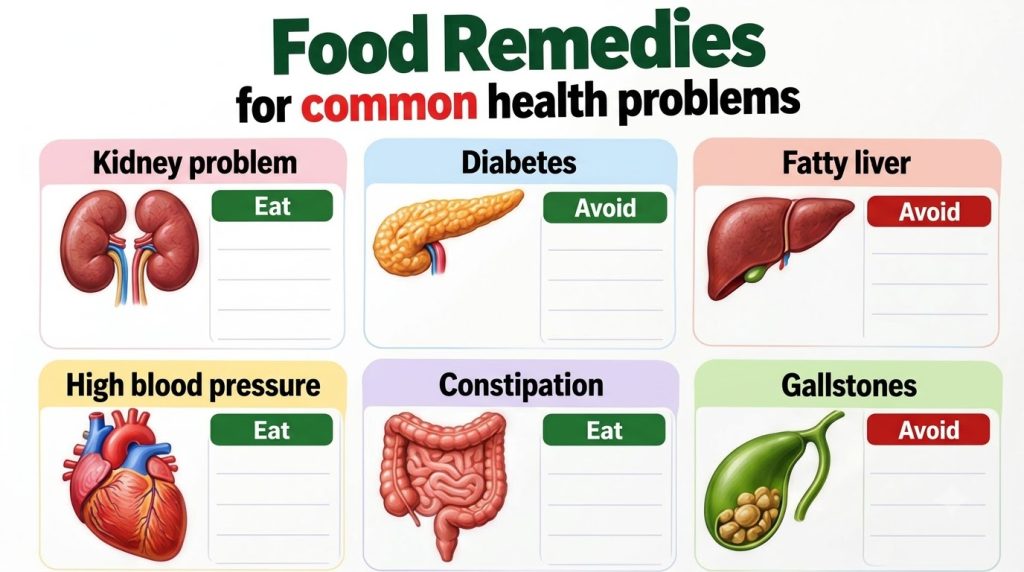
The Foundation: Why Food Matters for Health Issues
Our bodies are incredibly resilient, but they require the right fuel to function at their best. Processed foods, excessive sugar, and unhealthy fats can contribute to inflammation, digestive issues, and a host of other problems. Conversely, a diet rich in whole, unprocessed foods provides essential vitamins, minerals, antioxidants, and fiber that help protect cells, support organ function, and maintain overall balance.
By choosing foods strategically, you can help mitigate symptoms, boost your immune system, and support your body’s natural healing processes. Let’s dive into some common health concerns and the food-based strategies that may help.
Targeting Specific Health Concerns with Food
1. Digestive Health: Easing Bloating and Indigestion
Digestive discomfort, such as bloating, gas, and indigestion, is incredibly common. The good news is that many food choices can significantly impact your gut health.
- What to Eat:
- Fiber-Rich Foods: Whole grains (oats, brown rice), fruits (apples, berries), and vegetables (broccoli, leafy greens) help promote regular bowel movements and feed beneficial gut bacteria.
- Fermented Foods: Yogurt (with live cultures), kefir, sauerkraut, and kimchi introduce probiotics that can balance gut flora.
- Ginger and Peppermint: These herbs are traditionally known for their digestive-calming properties. Ginger tea or peppermint tea may help soothe an upset stomach.
- Lean Proteins: Easily digestible proteins like fish and poultry are generally well-tolerated.
- What to Limit/Avoid:
- Processed Foods and Sugary Drinks: These can disrupt gut balance and contribute to inflammation.
- High-Fat Foods: Can be harder to digest for some individuals.
- Artificial Sweeteners: Some may cause digestive distress.
2. Supporting Kidney Health
Kidney health is vital for filtering waste from the blood. Dietary choices can play a supportive role, especially for individuals looking to maintain healthy kidney function or manage existing conditions (under medical guidance).
- What to Eat:
- Low-Sodium Foods: Fresh fruits, vegetables, and unprocessed meats are naturally low in sodium.
- Hydration: Adequate water intake is crucial for kidney function.
- Plant-Based Proteins: Legumes, tofu, and nuts may be beneficial.
- Fruits and Vegetables: Focus on those lower in potassium and phosphorus, depending on individual needs (e.g., apples, berries, bell peppers, cabbage).
- What to Limit/Avoid:
- High-Sodium Foods: Processed snacks, canned soups, and fast food can strain the kidneys.
- Excessive Protein: For those with pre-existing kidney issues, a healthcare professional may recommend moderating protein intake.
- High Phosphorus and Potassium Foods: For some kidney conditions, these may need to be limited, but this should always be advised by a doctor or registered dietitian.
3. Gallbladder Support and Gallstone Management
The gallbladder stores and concentrates bile, which helps digest fats. Gallstones can form when substances in bile harden. Dietary adjustments may help support gallbladder function and potentially reduce symptoms, though severe cases often require medical intervention.
- What to Eat:
- High-Fiber Foods: Whole grains, fruits, and vegetables can help reduce cholesterol in bile and promote healthy digestion.
- Healthy Fats: Monounsaturated and polyunsaturated fats (from avocados, olive oil, fatty fish) in moderation are preferable to saturated and trans fats.
- Lean Proteins: Chicken, turkey, and fish are good choices.
- What to Limit/Avoid:
- High Saturated and Trans Fats: Found in fried foods, processed snacks, and some fatty meats, these can exacerbate gallbladder issues.
- Refined Grains and Sugars: May contribute to gallstone formation.
4. Managing Inflammation
Chronic inflammation is linked to many health problems, from heart disease to autoimmune conditions. Foods rich in antioxidants and omega-3 fatty acids can help combat inflammation.
- What to Eat:
- Omega-3 Rich Foods: Fatty fish (salmon, mackerel), chia seeds, flaxseeds, and walnuts.
- Colorful Fruits and Vegetables: Berries, leafy greens (spinach, kale), bell peppers, and turmeric are packed with anti-inflammatory compounds.
- Green Tea: Contains catechins, powerful antioxidants.
- Olive Oil: A healthy fat with anti-inflammatory properties.
- What to Limit/Avoid:
- Processed and Red Meats: May promote inflammation.
- Refined Carbohydrates and Sugars: Contribute to inflammatory responses.
- Trans Fats: Found in some processed and fried foods.
Important Considerations for Food Remedies
- Consistency is Key: Incorporating these foods regularly into your diet will yield the best results.
- Hydration: Don’t forget the importance of drinking enough water throughout the day for all bodily functions.
- Listen to Your Body: Everyone’s body reacts differently. Pay attention to how certain foods make you feel.
- Portion Control: Even healthy foods should be consumed in appropriate portions.
A Note of Caution
While food can be a powerful tool for wellness, it is essential to reiterate that dietary changes are not a “cure” for diseases. For serious health concerns, or if you are experiencing persistent symptoms, it is crucial to consult a qualified healthcare professional. They can provide a proper diagnosis, guide you on the best course of action, and help you integrate dietary changes safely with any necessary medical treatments.
Embrace the Power of Your Plate
Taking control of your health often starts with what you put on your plate. By choosing nutrient-dense, whole foods and understanding their specific benefits, you empower your body to function optimally and manage common health challenges more effectively. Small, consistent changes can lead to profound improvements in your overall well-being. Start today by making one healthy swap and experience the positive ripple effect!