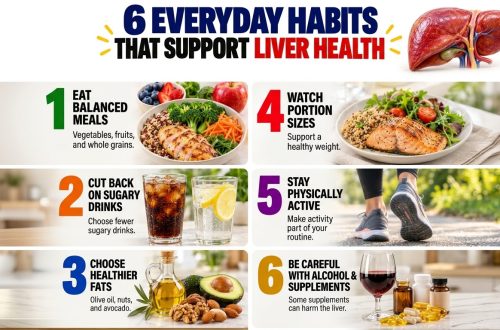
Are you looking to boost your daily nutrient intake without completely overhauling your diet? Small, intentional food swaps can make a surprisingly big difference in your overall health and well-being. By choosing smarter options, you can increase your intake of essential vitamins, minerals, and fiber, helping you feel more energized and satisfied throughout the day.
Healthy eating doesn’t have to be complicated or overwhelming. Often, it’s about making minor adjustments to the foods you already enjoy. Let’s explore some easy and effective food swaps that can significantly upgrade your nutrition profile.

Grain Swaps: Power Up Your Carbs
Many of us consume refined grains daily, which often lack the fiber and nutrients found in their whole grain counterparts. Swapping these can significantly increase your fiber and mineral intake.
- White Rice to Brown Rice: This is a classic swap with major benefits. Brown rice contains more fiber and magnesium compared to white rice. Fiber is crucial for digestive health and can help keep you feeling full longer, which may support weight management.
- White Bread to Whole-Wheat Bread: Opt for 100% whole-wheat bread instead of white bread. Whole-wheat options are richer in fiber, B vitamins, and various minerals.
- Refined Pasta to Whole-Wheat Pasta: Similar to bread, whole-wheat pasta provides more fiber and nutrients, contributing to better satiety and more stable blood sugar levels.
Protein Swaps: Choose Leaner & Plant-Based Options
Protein is essential for muscle repair, immune function, and overall body health. Making smarter protein choices can reduce saturated fat intake and introduce more beneficial nutrients.
- Processed Meats to Leaner Proteins: Replace processed deli meats or fatty cuts with lean chicken breast, turkey, fish, or plant-based proteins. Fish, especially fatty fish like salmon, is an excellent source of omega-3 fatty acids, which are associated with heart health and brain function.
- Red Meat to Legumes: Incorporate more lentils, beans, and chickpeas into your diet. These plant-based powerhouses are packed with protein, fiber, and essential minerals like iron and folate. They can be a great way to reduce your environmental footprint and diversify your nutrient intake.
Fat Swaps: Embrace Healthy Fats
Not all fats are created equal. Swapping unhealthy fats for healthy ones can positively impact your heart health and overall wellness.
- Butter/Margarine to Olive Oil/Avocado Oil: Use extra virgin olive oil for cooking and salad dressings, and avocado oil for higher-heat cooking. These oils are rich in monounsaturated fats, which are known to be beneficial for heart health.
- Creamy Dressings to Vinaigrettes: Many store-bought creamy dressings are high in unhealthy fats and added sugars. Opt for homemade vinaigrettes using olive oil, vinegar, and herbs for a lighter, more nutritious option.
- Snack Foods with Trans Fats to Nuts/Seeds: Replace snacks high in trans fats (like many processed baked goods) with a handful of almonds, walnuts, chia seeds, or flaxseeds. These are excellent sources of healthy fats, fiber, and protein.
Beverage Swaps: Hydrate Smarter
Sugary drinks are a major source of empty calories and can contribute to various health issues. Simple beverage swaps can drastically reduce your sugar intake.
- Soda/Sweetened Juices to Water: This is perhaps one of the easiest and most impactful swaps. Water is vital for every bodily function and contains no calories or sugar. If you find plain water boring, try infusing it with fruits (lemon, cucumber, berries) or herbs (mint).
- Sweetened Coffee/Tea to Unsweetened Options: Enjoy your coffee and tea without added sugar or artificial sweeteners. If you need a touch of sweetness, consider a tiny amount of natural sweeteners like honey or maple syrup, or try spices like cinnamon.
Snack Swaps: Fuel Your Body with Whole Foods
Snacking can be a healthy part of your diet if you choose wisely. Processed snacks often lack nutrients and can lead to energy crashes.
- Chips/Cookies to Fruits/Vegetables: Instead of reaching for a bag of chips or cookies, grab an apple, a banana, a handful of berries, or some carrot sticks with hummus. These snacks provide vitamins, minerals, and fiber, giving you sustained energy.
- Candy to Dark Chocolate: If you crave something sweet, a small piece of dark chocolate (70% cocoa or higher) can satisfy your craving and provide antioxidants.
The Benefits of Smart Swaps
Implementing these simple food swaps can lead to a cascade of benefits, including:
- Increased Fiber Intake: Important for digestive health, blood sugar control, and satiety.
- More Vitamins and Minerals: Supporting everything from immune function to energy production.
- Better Blood Sugar Control: Helping to prevent energy crashes and cravings.
- Improved Heart Health: By reducing unhealthy fats and increasing beneficial ones.
- Sustained Energy: Whole, unprocessed foods provide a steady release of energy.
Remember, making healthy changes doesn’t mean you have to give up all your favorite foods forever. It’s about moderation and finding delicious, nutritious alternatives that you genuinely enjoy. Start with one or two swaps that seem easiest for you and gradually incorporate more over time. Your body will thank you!
Disclaimer: This article is intended for educational purposes only and is not a substitute for professional medical advice, diagnosis, or treatment. Always seek the advice of your physician or other qualified health provider with any questions you may have regarding a medical condition or before making any changes to your diet or lifestyle.