Most people ignore the Common Mallow (Malva sylvestris), often dismissing it as nothing more than a ubiquitous garden weed. Some might recall its distinctive ‘cheese’ fruits from childhood foraging. But beneath its familiar appearance, and particularly within its resilient roots, lies a trove of soothing properties many herbalists actively seek out. It’s time to move beyond the garden nuisance and discover the practical uses of this often-overlooked plant.
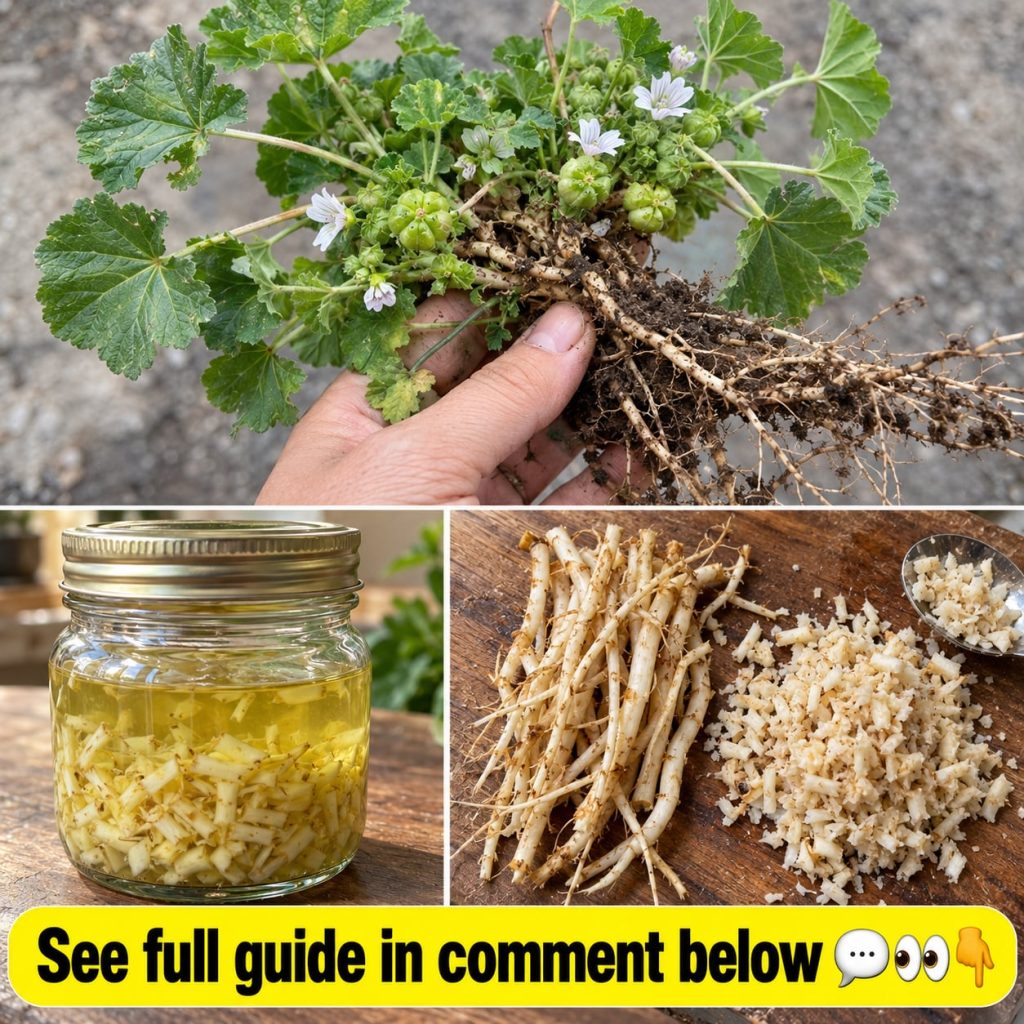 From garden plant to prepared remedy, Common Mallow roots offer soothing benefits.
What is Common Mallow?
Common Mallow, also known as High Mallow or Cheeses, is a widespread herbaceous plant found in fields, gardens, and roadsides across temperate regions. While its leaves and flowers are edible and have mild medicinal uses, it’s the root that truly shines for its mucilage content. This mucilage is a gelatinous substance that becomes slippery when wet, offering significant soothing properties, particularly for irritated mucous membranes.
Understanding the Mucilage Magic
The mucilage in mallow root is its star component. When ingested, it coats and protects irritated tissues in the throat, digestive tract, and even the urinary system. Externally, it can calm inflamed skin. This makes it a popular choice for homemade remedies addressing issues like dry coughs, sore throats, mild digestive discomfort, and skin irritations.
Ingredients for a Soothing Mallow Root Decoction
- Dried Common Mallow Root: 2 tablespoons (about 10-15g)
- Cold Water: 2 cups (approx. 470ml)
Note: If using fresh mallow root, double the quantity to 4 tablespoons (about 20-30g) as fresh roots contain more water.
Formula / Recipe: Mallow Root Decoction
The best way to extract the beneficial mucilage from mallow root is through a decoction (simmering) or a cold infusion. While boiling can degrade some compounds, a gentle simmer effectively draws out the mucilage.
Step-by-Step Method
- Preparation: If using fresh roots, ensure they are thoroughly cleaned of soil and then chopped into small, uniform pieces (about 1/4 inch or 0.6 cm). If using dried roots, no further chopping is typically needed.
- Combine: Place the chopped mallow root into a small saucepan. Add 2 cups of cold water.
- Soak (Optional but Recommended): For maximum mucilage extraction, let the roots soak in the cold water for 1-2 hours before heating. This helps the mucilage swell and release more effectively.
- Simmer: Bring the mixture to a gentle simmer over low heat. Do NOT boil vigorously. Cover the pot and allow it to simmer for 15-20 minutes.
- Cool: Remove the saucepan from the heat and let it cool, still covered, for another 15-30 minutes. The mixture will thicken slightly as it cools.
- Strain: Strain the liquid through a fine-mesh sieve or cheesecloth into a clean jar or mug. Press down on the root material to extract as much liquid as possible.
- Ready to Use: The strained liquid is your mallow root decoction.
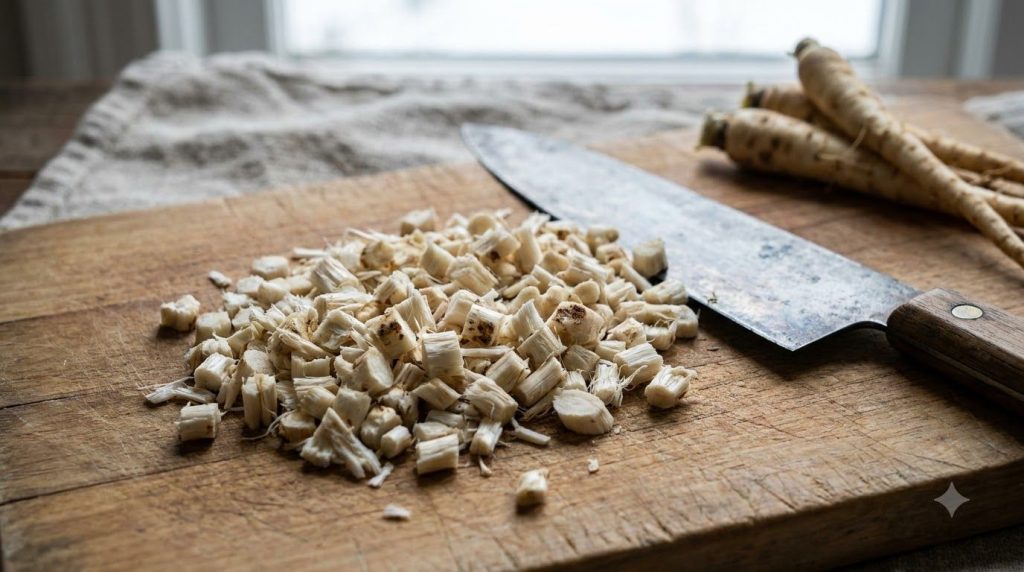 Properly preparing fresh mallow root ensures maximum mucilage extraction.
How to Use Your Mallow Root Decoction
This decoction can be used both internally and externally.
- Internal Use (for coughs, sore throats, digestive irritation): Drink 1/2 to 1 cup of the decoction, up to 3 times a day. It can be consumed warm or at room temperature. Its demulcent properties help soothe irritated mucous membranes.
- External Use (for skin irritation, minor burns, insect bites): Apply the cooled decoction directly to the affected skin area using a clean cloth or cotton ball. You can also add it to a compress.
How Often to Use
For acute conditions like a sore throat or cough, you can use the decoction 2-3 times daily for up to a week. For milder, chronic digestive support, once daily may suffice. Always observe your body’s response.
How to Choose & Buy Ingredients
Common Mallow is easily found in the wild, but **proper plant identification is crucial** if you plan to forage. Always harvest from areas free from pesticides, herbicides, or heavy pollution. Look for healthy, robust plants.
If foraging isn’t an option, you can purchase dried mallow root from reputable herbal suppliers. Ensure it’s organic and sustainably sourced. Fresh roots are generally more potent in terms of mucilage content but dried roots are more convenient for storage.
FeatureFresh Mallow RootDried Mallow RootPreparationClean, chop, soak, simmerSoak, simmer (no chopping needed)PotencyGenerally higher mucilage contentPotency depends on drying method and ageShelf LifeFew days (refrigerated)Up to 1 year (stored properly)AvailabilitySeasonal (spring to autumn)Year-round from suppliers
Storage
- Fresh Roots: Store unwashed fresh roots in a breathable bag in the refrigerator for up to a few days. For longer storage, you can clean, chop, and then dry them completely.
- Dried Roots: Keep dried mallow root in an airtight container, away from direct sunlight and moisture. It can last for up to one year.
- Prepared Decoction: Store the cooled decoction in a sealed jar in the refrigerator for up to 2-3 days. Discard if it develops any off-smell or cloudiness.
Practical Tips
- Maximizing Mucilage: The cold-soak step before simmering is key for extracting the most mucilage.
- Root Harvesting: The best time to harvest mallow roots is in the autumn or early spring when the plant’s energy is concentrated in its root system. Focus on roots from second-year plants for best results.
- Sweetening: For internal use, you can add a touch of honey or maple syrup to improve the taste, especially for children or those with sore throats.
Common Mistakes
- Misidentification: Mistaking Common Mallow for another plant can be dangerous or ineffective. Always be 100% sure of your identification.
- Boiling Vigorously: High heat can reduce the effectiveness of the mucilage. Always use a gentle simmer.
- Using Sprayed Plants: Never forage from areas treated with chemicals.
- Improper Drying: If drying your own roots, ensure they are completely dry before storage to prevent mold.
Cautions / Who Should Avoid It
Common Mallow is generally considered safe for most people. However, due to its mucilage content, it can potentially interfere with the absorption of medications if taken at the same time. It’s advisable to take mallow root decoction at least 1-2 hours apart from any prescription medications.
Pregnant or breastfeeding individuals, or those with underlying health conditions, should consult a healthcare professional before using any new herbal remedy.
Quick Summary
Common Mallow root offers a simple, soothing remedy primarily due to its high mucilage content. Best prepared as a gentle decoction or cold infusion, it can ease dry coughs, sore throats, and digestive irritation. Remember to identify carefully if foraging, store properly, and consume apart from medications.
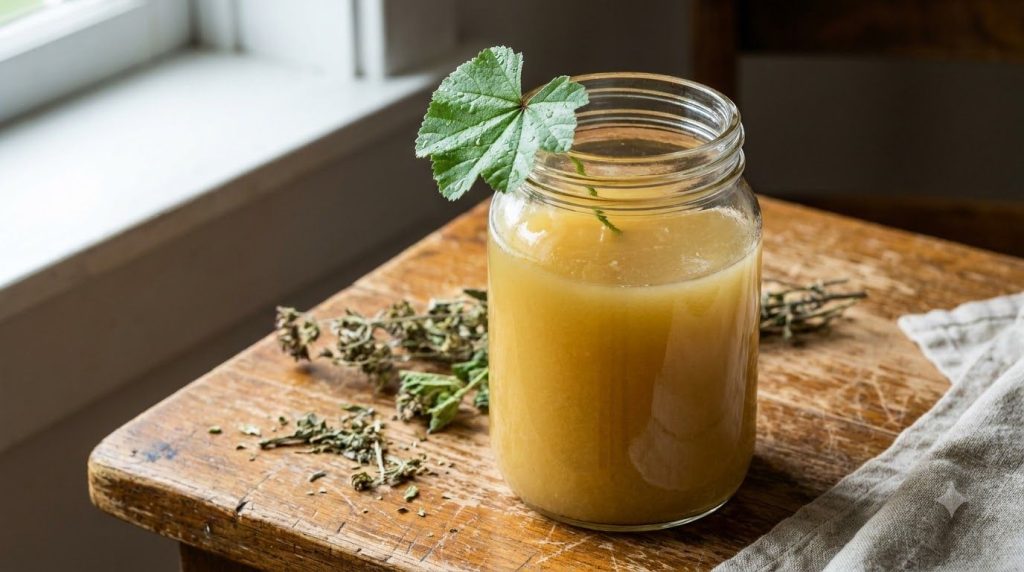 Your homemade mallow root decoction is ready to soothe.
FAQ
- Can I use fresh or dried mallow root? Yes, both can be used. Adjust quantities (double fresh root) and ensure fresh roots are clean.
- How long does the prepared decoction last? Up to 2-3 days in the refrigerator.
- Can I freeze the decoction? Yes, you can freeze it in ice cube trays for longer storage, then thaw as needed.
- What part of the Common Mallow is best for this remedy? The root is primarily used for its high mucilage content, though leaves and flowers have milder uses.
- Can I reuse the roots after making a decoction? It’s generally not recommended, as most of the beneficial compounds will have been extracted in the first batch.
- When should I avoid mallow root? If you are taking medications, separate doses by 1-2 hours. Consult a doctor if pregnant, breastfeeding, or have health concerns.
- Is it safe for children? Generally yes, for mild cases, but always consult a pediatrician first and use smaller doses.
Ready to explore more natural remedies? You may also like: Our DIY Chamomile Skin Soother Guide.
Conclusion
Common Mallow, often overlooked, offers a powerful, accessible, and gentle remedy through its mucilaginous roots. By understanding how to properly identify, harvest, and prepare this humble plant, you can harness its soothing properties for a range of common irritations. It’s a testament to the fact that sometimes, the most beneficial remedies are found right in our own backyards, waiting to be rediscovered. Continue with: Understanding Herbal Tea Benefits.