Most people ignore this, but the tiny kernel tucked inside a juicy apricot is often mistakenly hailed as a potent health booster. While many natural remedies offer genuine benefits, some come with significant risks if not understood. Apricot seeds, specifically the kernels, fall squarely into this category. They’re often marketed as a ‘superfood’ with anti-cancer properties, yet the reality is far more complex and potentially dangerous. Ignoring the science behind these seeds can lead to unexpected and severe health consequences, turning a perceived health choice into a serious medical concern.

What Are Apricot Seeds (Kernels)?
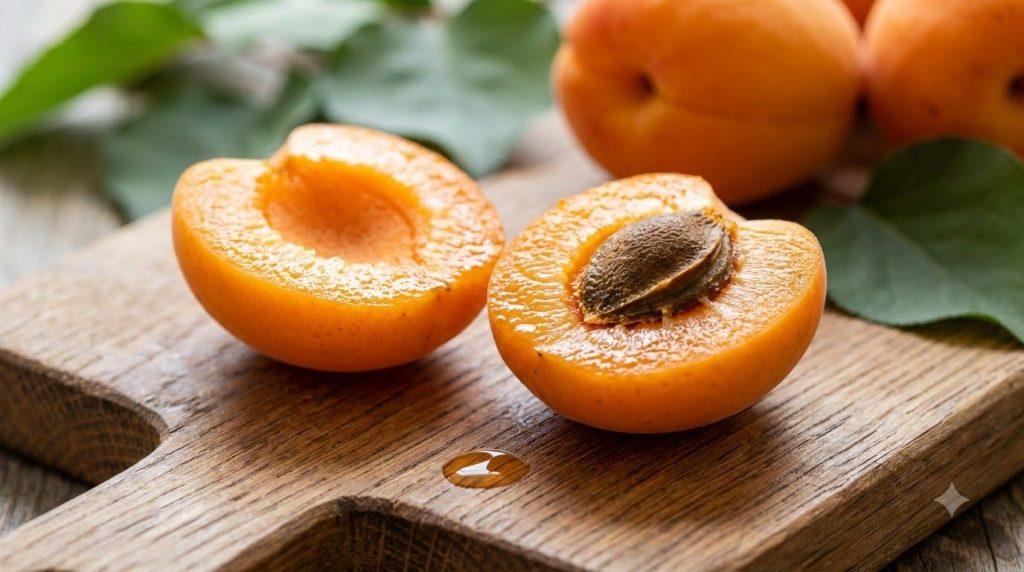
Apricot seeds are the kernels found within the hard, woody shell at the center of an apricot fruit. Botanically, they are not true nuts but the seed of the fruit. Historically, they have been used in traditional medicine in various cultures, sometimes processed into oils or extracts. However, in recent years, a trend has emerged advocating for the raw consumption of these kernels, often promoted as a ‘natural remedy’ for a range of ailments, including serious diseases. This modern trend often overlooks critical aspects of their chemical composition.
The Key Compound: Amygdalin
The primary compound responsible for both the supposed benefits and the very real dangers of apricot seeds is amygdalin. Amygdalin is a cyanogenic glycoside, a naturally occurring plant compound that contains a sugar molecule and a cyanide-producing component. It’s found in the seeds of many fruits in the Prunus genus, including almonds (bitter almonds, specifically), peaches, cherries, and plums, as well as apples. When raw apricot seeds are ingested, the amygdalin within them undergoes a chemical transformation.
The Formula for Toxicity: Cyanide Production
Here’s the part most people skip: the danger doesn’t come directly from amygdalin itself, but from what it becomes in your body. When you chew or digest raw apricot seeds, an enzyme called beta-glucosidase (present in the seeds and also in your gut bacteria) breaks down amygdalin. This reaction releases hydrogen cyanide, a highly toxic compound. The amount of cyanide released depends on several factors, including the quantity of seeds consumed, individual metabolism, and gut flora.
Did You Know?
Cyanide is a rapidly acting, potentially deadly chemical that interferes with the body’s ability to use oxygen. While your body can detoxify small amounts of cyanide, consuming too much can quickly overwhelm this natural defense mechanism, leading to cyanide poisoning.
How to Avoid Using Apricot Seeds for Health
Given the significant risk of cyanide poisoning, the most practical advice is to avoid consuming raw apricot seeds for health purposes. There is currently no scientific consensus or regulatory approval for their use as a dietary supplement or medicine, especially in their raw form. If you’re seeking health benefits, explore evidence-based alternatives that don’t carry such acute toxic risks.
How Often to Avoid It
The recommendation is clear: avoid regular or even occasional consumption of raw apricot seeds. There is no ‘safe’ dose for regular intake, as the cumulative effect and individual sensitivity can vary wildly. Even small quantities have been reported to cause adverse effects, and larger doses can be fatal.
Practical Tips for Handling Apricots
- Enjoy the fruit: Apricots themselves are nutritious and safe to eat. Focus on the delicious fruit, which is rich in vitamins, fiber, and antioxidants.
- Dispose of seeds safely: After enjoying your apricot, discard the pit and seed responsibly. Do not keep them accessible to children or pets.
- Educate yourself: Be wary of health claims that seem too good to be true, especially those promoting raw, unprocessed seeds or kernels without strong scientific backing.
Common Mistakes to Avoid
The biggest mistake is believing that ‘natural’ automatically means ‘safe.’ Here are other common pitfalls:
- Consuming raw kernels: Assuming they are just like almonds, many people eat them raw.
- Ignoring dosage recommendations: Even if you find sources suggesting ‘small’ doses, these are often arbitrary and lack scientific safety data.
- Believing anecdotal claims: Relying on personal stories or unverified testimonials for medical advice.
- Confusing bitter almonds with apricot kernels: While both contain amygdalin, their concentrations and typical preparation methods (e.g., bitter almonds are often blanched) differ.
- Using them for serious illnesses: Attempting to self-treat severe conditions with apricot kernels instead of seeking professional medical care.
Comparison: Mild Symptoms vs. Severe Poisoning
| Mild Discomfort (Often Misinterpreted) | Signs of Cyanide Poisoning (Seek Immediate Help) |
|---|---|
| Nausea, mild stomach upset | Headache, dizziness, confusion |
| Bloating, gas | Rapid breathing, shortness of breath |
| Feeling ‘different’ or ‘detoxing’ | Numbness, weakness, tremors |
| Chest tightness, irregular heartbeat | |
| Blue discoloration of lips or skin (cyanosis) | |
| Loss of consciousness, seizures, coma |
Cautions: Who Should Avoid It?
Frankly, everyone should avoid consuming raw apricot seeds. However, certain groups are at a higher risk and should be especially cautious:
- Children: Their smaller body weight means even tiny amounts of cyanide can be highly toxic.
- Pregnant and Breastfeeding Women: The potential harm to the developing fetus or infant is significant.
- Individuals with Liver or Kidney Issues: These conditions can impair the body’s ability to detoxify cyanide.
- People on certain medications: Interactions are possible, further complicating detoxification.
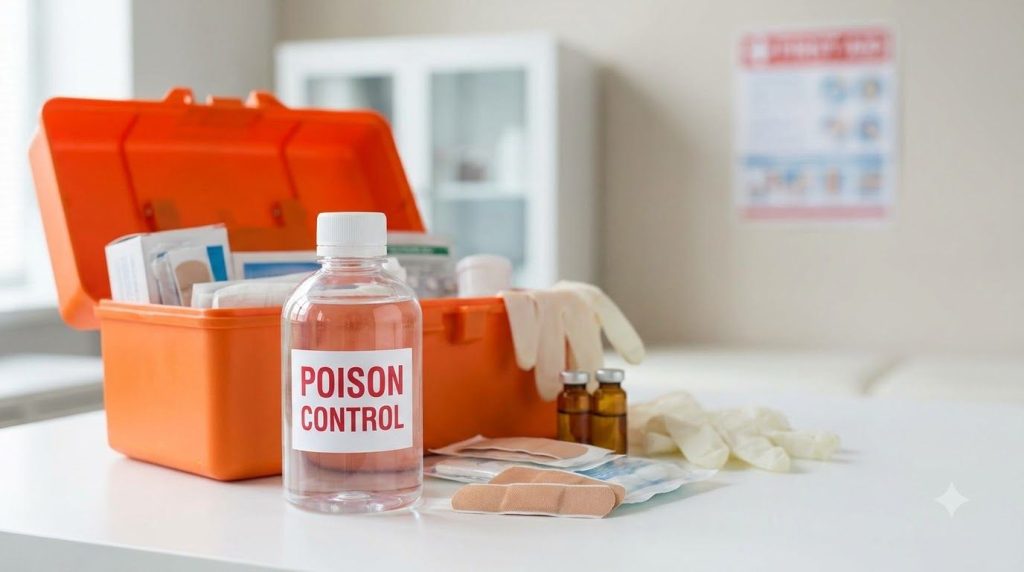
If you or someone you know has consumed apricot seeds and is experiencing any of the severe symptoms listed above, seek immediate medical attention. Call emergency services or a poison control center right away.
Quick Summary
Apricot seeds contain amygdalin, which converts into toxic cyanide in the body. It is strongly advised to avoid consuming raw apricot seeds due to the risk of severe cyanide poisoning. Enjoy the fruit itself, but safely dispose of the seeds. If symptoms of poisoning occur, seek immediate medical help.
FAQ
- Can I eat just one apricot seed? Even a single seed can contribute to cyanide exposure. While individual tolerance varies, it’s best to avoid them entirely to prevent any risk.
- Are roasted apricot seeds safe? Roasting may reduce some amygdalin content, but it does not guarantee complete elimination or safety. The risk of toxicity remains, making them an unreliable and potentially dangerous food.
- How long do symptoms of cyanide poisoning take to appear? Symptoms can appear rapidly, often within minutes to an hour after consumption, depending on the dose.
- What should I do if I’ve eaten apricot seeds? If you experience any adverse symptoms (headache, dizziness, nausea, rapid breathing), seek immediate medical attention. If you’re concerned but asymptomatic, contact a poison control center for advice.
- Can I use apricot seed oil? Apricot kernel oil, properly processed to remove amygdalin, is generally considered safe for topical use in cosmetics. However, ingesting unrefined apricot kernel oil could still pose a risk.
- Are all fruit seeds dangerous? No. While many fruit seeds (like apple seeds, cherry pits) contain cyanogenic glycosides, their concentration and the amount needed to cause harm vary. Always research specific seeds before consuming them.
Conclusion
While the allure of a ‘natural superfood’ is strong, the science behind apricot seeds paints a clear picture of potential harm. The presence of amygdalin and its conversion to cyanide in the body makes raw apricot kernel consumption a risky endeavor with no proven health benefits to outweigh the dangers. For your safety and well-being, enjoy the delicious apricot fruit, but leave the kernels out of your diet. Prioritize evidence-based health practices and consult with healthcare professionals for any health concerns. Your body deserves remedies that heal, not harm.
Read more: Understanding the Risks of Natural Remedies: A Comprehensive Guide
You may also like: Safe Fruit Consumption: What to Enjoy and What to Avoid
