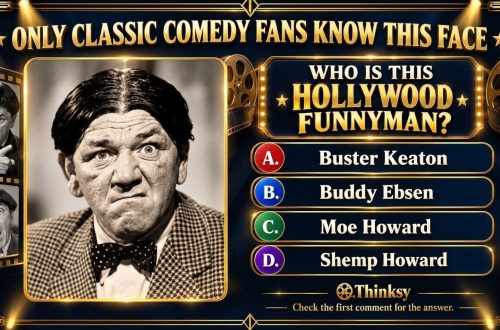
The face looks familiar. The wild expressions definitely feel familiar. And if you grew up watching classic comedy, you may already be thinking of The Three Stooges. But there is a trap hiding in this quiz! Two of the answer choices share the same famous last name, and the man in question had a much stranger career path than many casual fans realize.
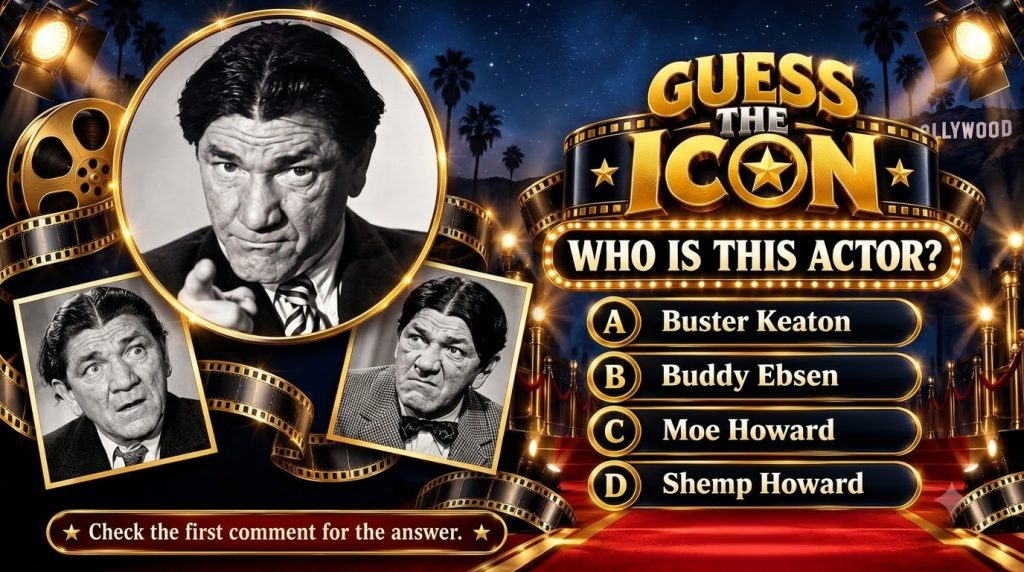
So who is this comedy legend? If you guessed Shemp Howard, you are absolutely correct! And here is the first surprising fact about him: Shemp was a Stooge before Curly was. Yes — Shemp came first!
The Original Howard Brother in Comedy
Shemp Howard was born Samuel Horwitz in Brooklyn, New York, on March 11, 1895. He was the older brother of both Moe Howard and Curly Howard. Even the name “Shemp” has a story. According to the official Three Stooges biography, his mother’s European accent made the name “Sam” sound something like “Shemp,” and the nickname stuck!
Long before millions of people knew The Three Stooges from television reruns, Shemp and Moe were already trying to break into show business. Their journey began in the vibrant world of vaudeville, a popular form of entertainment in the early 20th century, which was a true testing ground for comedic talent.
The Early Stooges: A Vaudeville Beginning
In the early 1920s, Moe and Shemp became involved with vaudeville comedian Ted Healy. Healy was known for his act with a trio of stooges who would act as foils to his comedic routines. This partnership marked the very first incarnation of what would eventually become The Three Stooges. Larry Fine later joined the group, completing the original lineup alongside Healy, Moe, and Shemp.
Shemp’s distinctive facial expressions, often described as a ‘punch-drunk’ look, and his ability to improvise made him a standout performer. He played a crucial role in establishing the physical comedy and unique dynamic that would later define the act, even before his younger brother Curly took over the role. Shemp’s career was a testament to his versatility and enduring appeal in the golden age of comedy.