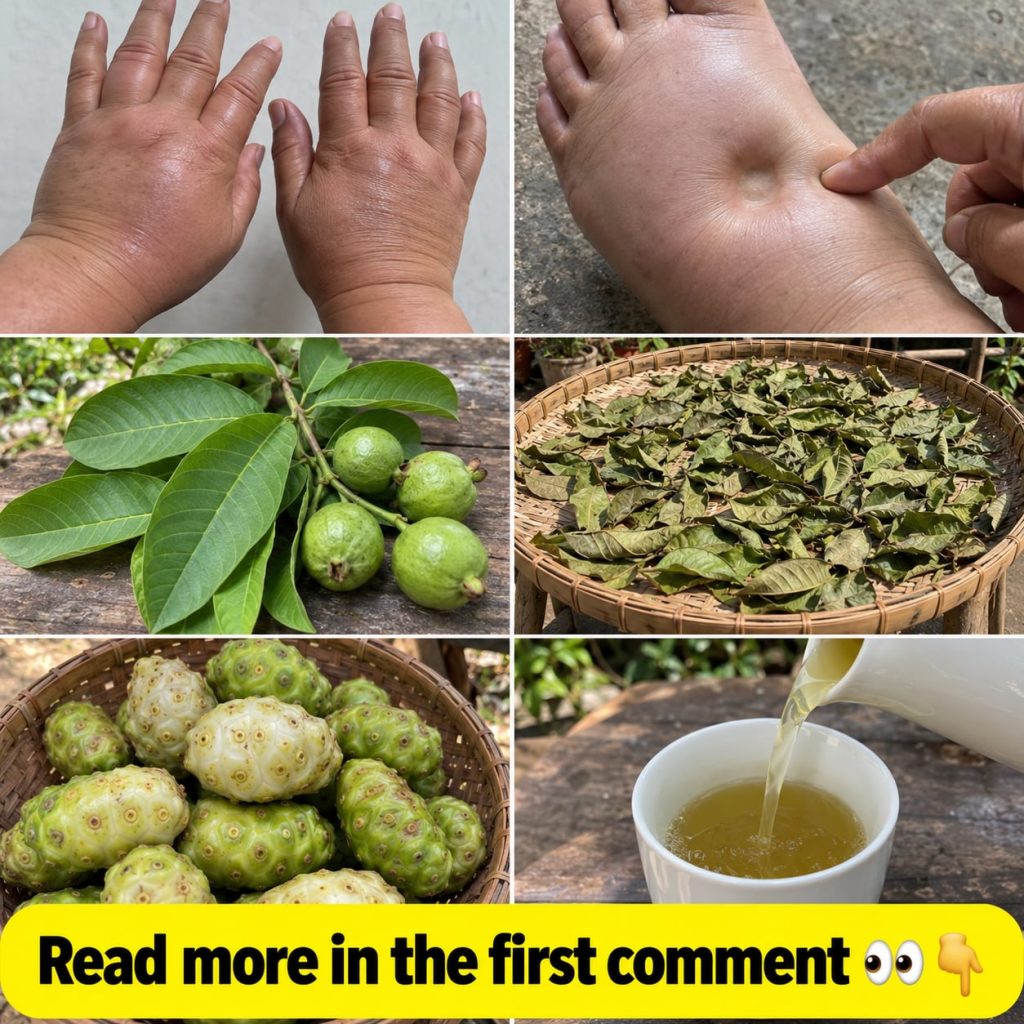
Most people focus on the delicious fruit, but the true treasure for traditional remedies often lies in the leaves. When it comes to soothing the discomfort of fluid retention and swelling, especially in your hands and feet, guava leaves offer a simple, natural approach that many overlook. Instead of reaching for synthetic solutions, consider a method rooted in traditional wisdom.
What it is
Guava leaves, from the common guava tree (Psidium guajava), are widely recognized in traditional practices for their various beneficial properties. For fluid retention and swelling, particularly in the extremities, they are often prepared as a warm soak or compress. This gentle remedy aims to provide comfort and support the body’s natural processes without harsh chemicals.
Ingredients You’ll Need
- Approximately 15-20 fresh guava leaves (or 10-15 dried leaves)
- 4-6 cups of clean water
- A large pot for boiling
- A basin or tub large enough to soak your hands or feet
- A clean towel
Approximate Measurements
The quantities are flexible, as this is a traditional remedy. The goal is to create a potent infusion without being overly concentrated. For hands, 4-5 cups of water are usually sufficient. For feet, you might need 6 cups or more, depending on the size of your basin and the desired water level.
Formula / Recipe: Guava Leaf Soothing Soak
The core of this remedy is a simple decoction, where the leaves are simmered in water to extract their compounds. This creates a therapeutic liquid ideal for external application.
Step-by-Step Method
- Clean the Leaves: If using fresh leaves, thoroughly wash them under cool running water to remove any dirt, dust, or potential residues. If using dried leaves, a quick rinse is still a good idea.
- Prepare for Boiling: Place the cleaned guava leaves into a large pot.
- Add Water: Pour 4-6 cups of water over the leaves. Ensure the leaves are mostly submerged.
- Simmer: Bring the water to a boil, then reduce the heat to low and let it simmer for 15-20 minutes. This allows the beneficial compounds to infuse into the water. You’ll notice the water changing to a light brownish-green color.
- Cool Down: Remove the pot from the heat and let the mixture cool down to a comfortable, warm temperature. It should be warm enough to be soothing, but not so hot that it scalds your skin. This cooling process is crucial for safety and comfort.
- Strain (Optional): You can strain the leaves out or leave them in the water, as preferred. Many prefer to strain for a cleaner soaking experience.
How to Use
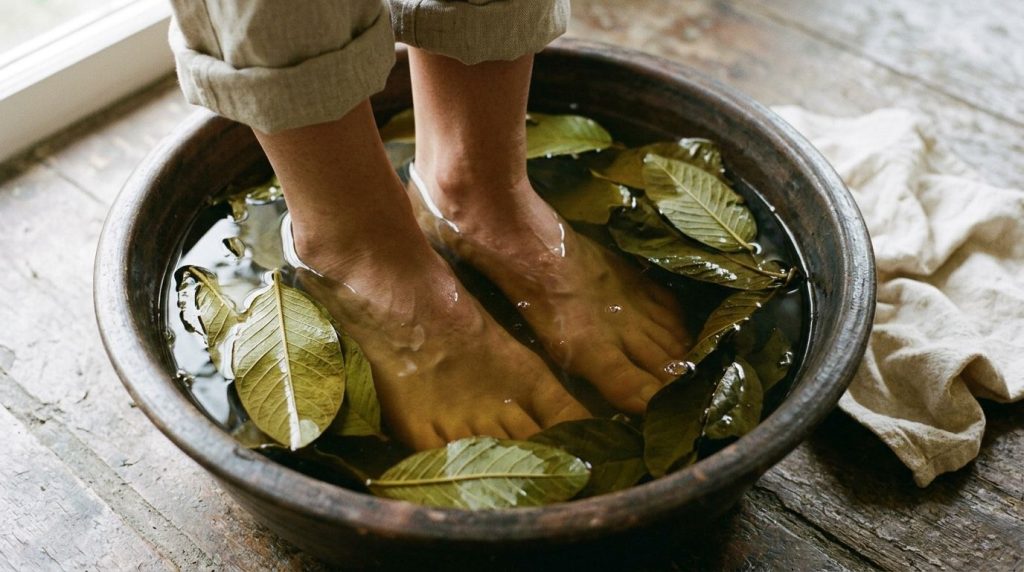
Once the guava leaf infusion has reached a comfortable temperature, pour it into your chosen basin. Immerse your hands or feet in the warm liquid and relax for 20-30 minutes. You can gently massage the areas while soaking to enhance circulation. For larger areas or if a soak isn’t practical, soak a clean cloth in the warm infusion and apply it as a compress to the affected area.
How Often to Use
This soothing soak can be used daily or as needed, depending on your comfort and the severity of the swelling. Many find relief with consistent use over several days. Listen to your body and adjust the frequency accordingly. If symptoms persist or worsen, always consult a healthcare professional.
Quick Tip: Fresh vs. Dried Guava Leaves
Both fresh and dried guava leaves can be effective, but there are slight differences in potency and preparation.
| Feature | Fresh Guava Leaves | Dried Guava Leaves |
|---|---|---|
| Availability | Seasonal, may require a guava tree or special sourcing | Available year-round, often online or in herbal stores |
| Potency | Generally considered more potent due to fresh volatile compounds | Slightly less potent, may require more leaves for similar effect |
| Preparation | Wash thoroughly, simmer | Rinse quickly, simmer |
| Storage | Use quickly, or refrigerate for a few days | Store in airtight container, lasts months |
How to Buy / How to Choose Ingredients
When sourcing guava leaves, prioritize quality. If you have access to a guava tree, harvest young, healthy, vibrant green leaves. Avoid any leaves with signs of disease, insect damage, or discoloration. If purchasing, look for organic or wild-harvested dried leaves from reputable herbal suppliers to ensure they are free from pesticides and contaminants. The quality of your leaves directly impacts the effectiveness and safety of your remedy.
Storage
Fresh Leaves: Use fresh guava leaves within a day or two of harvesting. You can store them loosely wrapped in a paper towel in the refrigerator for up to 3-4 days, but freshness is key.
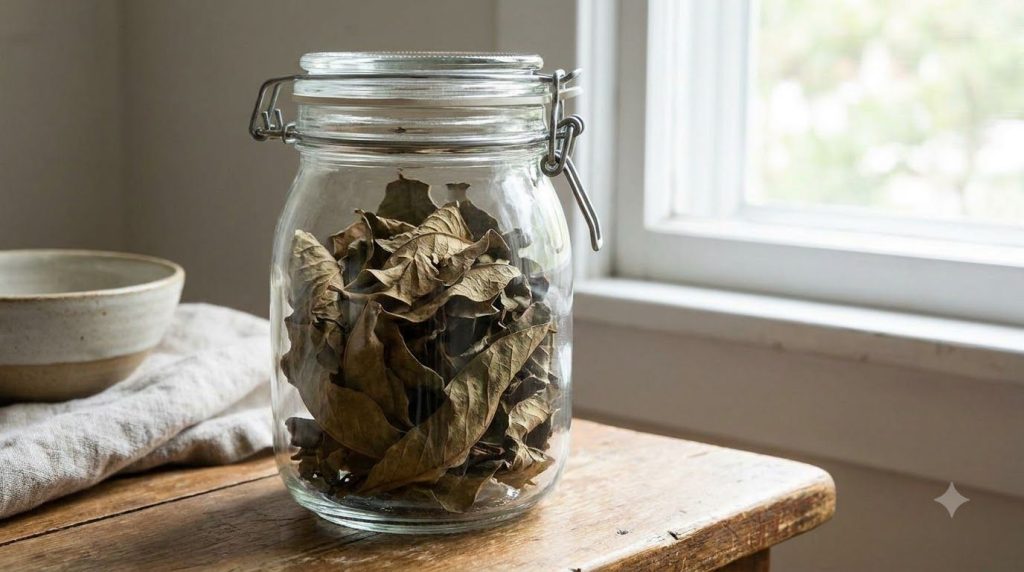
Dried Leaves: Store dried guava leaves in an airtight container away from direct sunlight, heat, and moisture. They can retain their potency for several months.
Prepared Infusion: The prepared soak is best used immediately. While you could refrigerate any leftover infusion for up to 24 hours, it’s generally recommended to prepare a fresh batch for each use to ensure maximum potency and hygiene.
Practical Tips
- Test Temperature: Always test the temperature of the water before immersing your hands or feet to prevent burns.
- Relaxation: Use the soaking time as an opportunity to relax. Play some calming music or read a book.
- Consistency: For best results, use the soak consistently for a few days, especially if dealing with persistent swelling.
- Elevation: After soaking, elevate your hands or feet for a short period to further assist with fluid drainage.
Common Mistakes
- Using Sprayed Leaves: Never use leaves from plants that have been treated with pesticides or herbicides. This can introduce harmful chemicals into your soak.
- Water Too Hot: Soaking in water that is too hot can irritate the skin and even cause burns, counteracting the soothing effect.
- Not Steeping Long Enough: Rushing the simmering process means you won’t extract enough beneficial compounds from the leaves, resulting in a less effective remedy.
- Expecting Instant Cures: Natural remedies often work gradually. Don’t expect dramatic, immediate results. Consistency is more important than intensity.
- Ignoring Underlying Issues: This is a topical soothing remedy. If you experience severe or persistent swelling, it could indicate an underlying health condition that requires medical attention.
Cautions / Who Should Avoid It
While generally considered safe for external use, certain individuals should exercise caution:
- Open Wounds or Skin Irritations: Avoid using the soak on areas with open cuts, sores, or severe skin irritations, as it could cause discomfort or infection.
- Allergies: If you have known allergies to guava or other plants in the Myrtaceae family, perform a patch test on a small area of skin first.
- Pregnancy and Breastfeeding: Consult with a healthcare professional before using any herbal remedies, including guava leaf soaks, if you are pregnant or breastfeeding.
- Severe Swelling or Medical Conditions: If your swelling is severe, accompanied by pain, redness, warmth, or sudden onset, seek medical advice immediately. This remedy is not a substitute for professional medical diagnosis or treatment for serious conditions like deep vein thrombosis, heart failure, or kidney disease.
You may also like: Lemon Ginger Anti-Inflammatory Tonic for Daily Wellness
Quick Summary
The guava leaf soak is a natural, soothing remedy for fluid retention and swelling, particularly in hands and feet. Prepare it by simmering 15-20 fresh or 10-15 dried guava leaves in 4-6 cups of water for 15-20 minutes, then letting it cool. Soak affected areas for 20-30 minutes daily. Ensure you use clean, unsprayed leaves and test the water temperature. Avoid if you have open wounds, allergies, or serious medical conditions, and always consult a doctor for severe or persistent symptoms.
Frequently Asked Questions
- Can I use dried guava leaves instead of fresh ones?
Yes, dried guava leaves work well. You might need a slightly larger quantity than fresh leaves to achieve similar potency. - How long does the prepared infusion last?
For best results and hygiene, use the infusion immediately after it cools. While you can refrigerate it for up to 24 hours, preparing a fresh batch for each use is recommended. - Can I drink guava leaf tea for swelling?
While guava leaf tea is consumed for other benefits, this article specifically focuses on its external use as a soak for localized swelling in hands and feet. For internal use, always consult a healthcare professional. - How long until I see results?
Results can vary. Many experience soothing comfort immediately, but noticeable reduction in swelling may take several consistent applications over a few days. - Is this remedy safe for children?
It’s generally advised to consult a pediatrician before using any herbal remedies, even external ones, on children. - Can I reuse the leaves for another soak?
No, it’s best to use fresh leaves for each preparation to ensure maximum efficacy and to avoid bacterial growth. - What part of the guava plant is best for this?
The young, healthy leaves are typically preferred for making infusions and soaks. - When should I avoid using this remedy?
Avoid if you have open wounds, severe skin irritation, known allergies, or if your swelling is severe, sudden, or accompanied by other concerning symptoms that require medical attention.
Read more: DIY Turmeric Ginger Face Mask for Radiant Skin
Conclusion
Embracing natural remedies like the guava leaf soak can be a wonderful way to find comfort and support for everyday discomforts like fluid retention in your hands and feet. By understanding the simple steps, practical tips, and necessary cautions, you can harness this traditional wisdom effectively. Always remember that while natural remedies offer valuable support, they should complement, not replace, professional medical advice, especially for persistent or severe conditions. Give this soothing soak a try and experience a gentle, natural path to relief.
