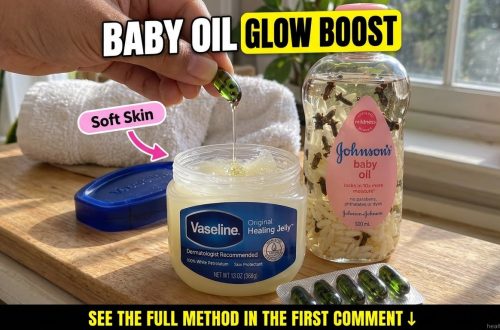
Looking for a simple way to support a brighter, more radiant complexion? This easy DIY cream combines the moisturizing benefits of Vaseline with the glow-boosting properties of Vitamin C. It’s a popular home remedy idea for those aiming for fresher-looking skin.

Quick Recipe
Prep time: 5 minutes
Best for: Dull skin, uneven tone, supporting a radiant complexion
Use type: Cream/Balm
Main ingredients:
- Petroleum Jelly (Vaseline)
- Vitamin C Powder or Serum
Ingredients
- 1 tablespoon pure petroleum jelly (such as Vaseline)
- ¼ teaspoon L-Ascorbic Acid (Vitamin C) powder, or 5-6 drops of a stable Vitamin C serum
- A small, clean, airtight container (dark glass is best if using Vitamin C powder for stability)
- A clean mixing tool (small spoon or spatula)
How to Make It
- Start with a clean, disinfected workspace and all your tools.
- Scoop 1 tablespoon of petroleum jelly into your small, clean container.
- If using Vitamin C powder: Add ¼ teaspoon of L-Ascorbic Acid powder to the petroleum jelly.
- If using Vitamin C serum: Add 5-6 drops of your chosen Vitamin C serum to the petroleum jelly.
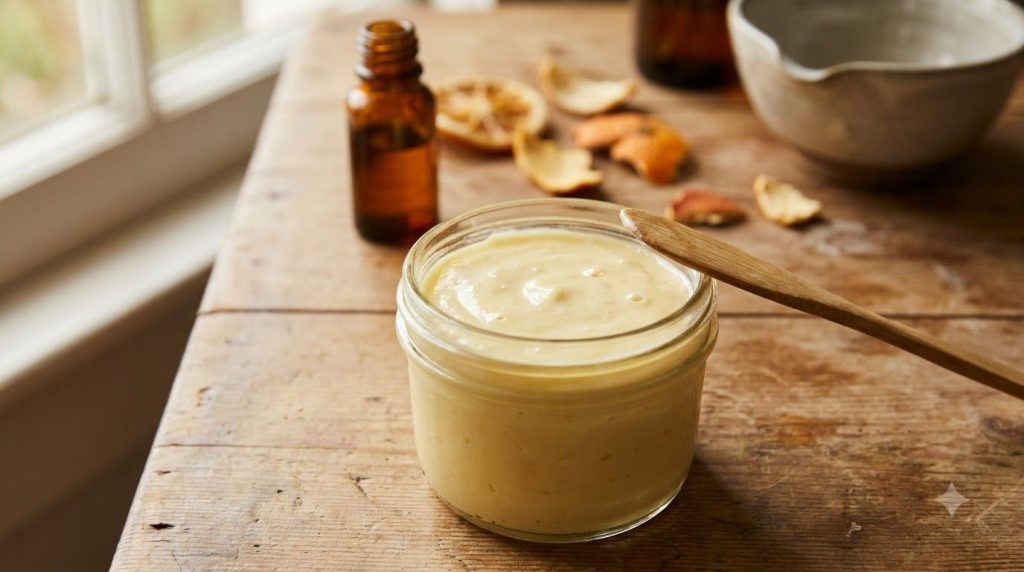
- Using your clean mixing tool, gently and thoroughly combine the ingredients. Mix until the Vitamin C is fully incorporated and the mixture is smooth and consistent. This may take a couple of minutes to ensure there are no lumps of powder.
- Once fully mixed, secure the lid tightly on your container.
How to Use It
- Perform a patch test first to ensure no irritation, especially if you have sensitive skin (see Safety Notes below).
- Cleanse your face thoroughly and pat dry.
- Take a very small amount of the Vaseline and Vitamin C cream on your fingertip. Remember, a little goes a long way.
- Gently dab and spread the cream over desired areas of your face and neck. Avoid getting it too close to your eyes.
- Massage lightly until absorbed. This cream is best used as part of your evening routine due to the occlusive nature of Vaseline and potential photosensitivity of Vitamin C.
How Often to Use It
Start by using this cream 2-3 times a week, especially in the evening. If your skin tolerates it well, you may increase usage to every other night. Always listen to your skin and adjust as needed.
Why These Ingredients Are Used
Petroleum Jelly (Vaseline)
Petroleum jelly is a well-known occlusive agent, meaning it forms a protective barrier on the skin. This barrier helps to lock in moisture, prevent water loss, and support the skin’s natural healing process. It can leave skin feeling soft and supple.
Vitamin C (L-Ascorbic Acid)
Vitamin C is a powerful antioxidant that is often praised for its ability to support a brighter-looking complexion and an even skin tone. It can help improve the appearance of dullness and traditionally used to enhance skin radiance.
What Results to Expect
With consistent use, this DIY Vaseline and Vitamin C cream may help to improve the appearance of skin dullness and support a more radiant-looking glow. Your skin may feel more hydrated, smoother, and appear brighter over time. Individual results can vary based on skin type and consistency of use.

Safety Notes
- Patch test first: Always apply a small amount of the mixed cream to an inconspicuous area of your skin (e.g., behind the ear or on your inner forearm) and wait 24-48 hours to check for any redness, itching, or irritation before applying it to your face.
- Use gently: Be gentle during application and avoid rubbing vigorously.
- Avoid irritated or broken skin: Do not apply this cream to skin that is cut, broken, irritated, or has active acne breakouts.
- Stop using it if discomfort occurs: If you experience any burning, stinging, itching, or excessive redness, discontinue use immediately.
- Vitamin C stability: L-Ascorbic Acid can be unstable and degrade when exposed to light and air. Store your cream in a dark, airtight container in a cool, dark place to maintain its efficacy. Make small batches to ensure freshness.
- Sun sensitivity: Vitamin C can increase sun sensitivity. Always use a broad-spectrum sunscreen with at least SPF 30 daily when using Vitamin C products, especially during the day. This cream is best used at night.
- Consult a professional: If you have specific skin conditions, allergies, or concerns, consult with a dermatologist before trying new DIY remedies.
FAQ
Can I use any form of Vitamin C?
While various forms of Vitamin C exist, L-Ascorbic Acid powder is a common choice for DIY recipes due to its potency. If using a serum, ensure it’s a stable, reputable product. Be aware that some forms might be less stable or absorb differently.
How long can I store this DIY cream?
Given the potential instability of Vitamin C, it’s best to make small batches that you can use within 1-2 weeks. Store it in a cool, dark place in an airtight container to help maintain its freshness and efficacy.
Is Vaseline safe for all skin types?
Vaseline is generally considered non-comedogenic (meaning it won’t clog pores for most people). However, if you have very oily or acne-prone skin, monitor your skin closely, as some individuals might find occlusive ingredients contribute to breakouts.
Final Thoughts
Creating your own Vaseline and Vitamin C cream is a simple way to explore DIY beauty for a brighter-looking complexion. Remember to always perform a patch test and observe how your skin reacts. Share your experiences in the comments below!