Most gardeners dread the first frost, watching helplessly as their beautiful green tomatoes remain unripe on the vine. But what if there was a simple, often-overlooked method to salvage that final, delicious harvest? Don’t let those green gems go to waste. This unexpected gardening hack can help you enjoy homegrown tomatoes long after the season ends, transforming hard green spheres into juicy, red perfection right in your home.
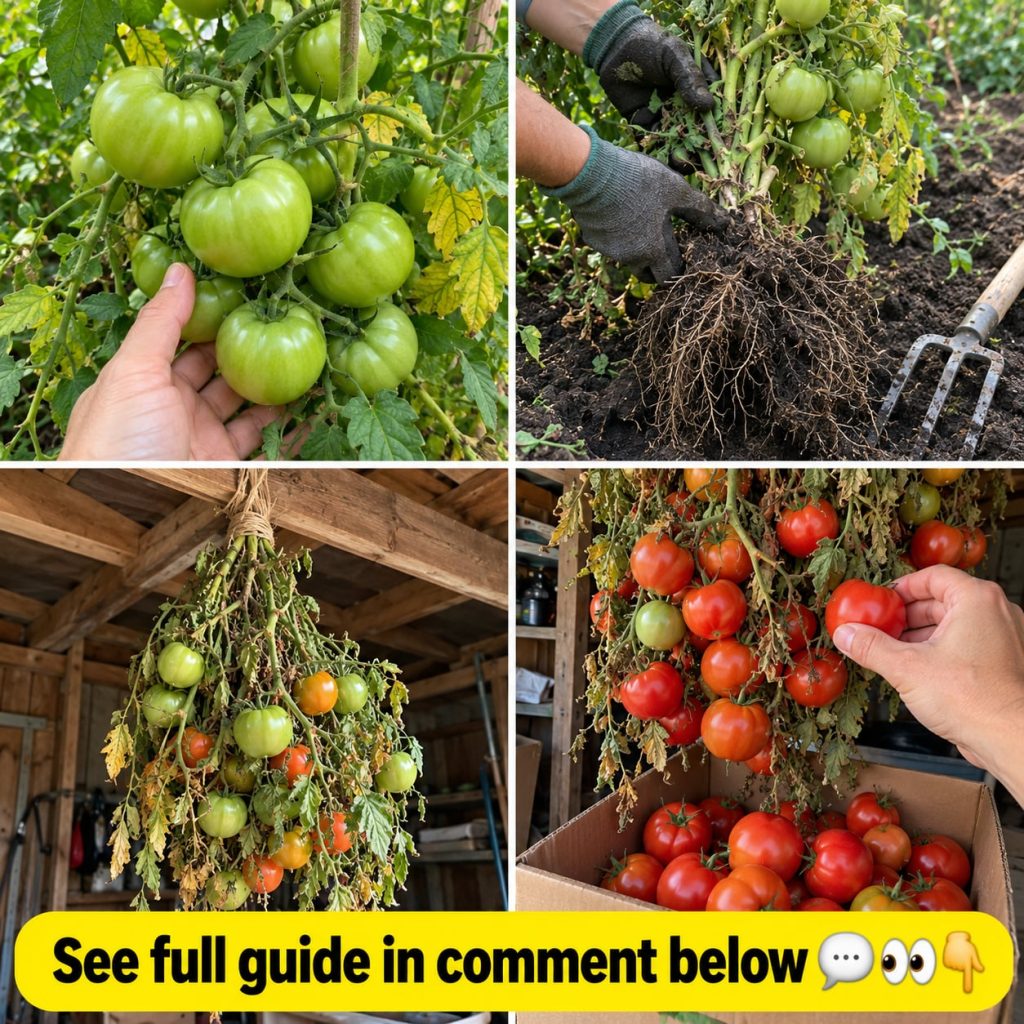
What It Is: The Indoor Ripening Trick
This method leverages the natural process of ethylene gas release. Ethylene is a plant hormone that triggers ripening in many fruits, including tomatoes. While still on the vine, tomatoes produce some ethylene, but after being picked, this process can be concentrated indoors using simple household items. By creating a controlled environment, you can encourage green tomatoes to continue their ripening journey, often yielding fruits just as flavorful as their sun-ripened counterparts.
Supplies You’ll Need
The beauty of this hack lies in its simplicity. You don’t need any special equipment, just a few everyday items:
- Green Tomatoes: Healthy, unblemished, mature green tomatoes that have started to show a slight hint of color or are at least full size for their variety.
- Newspaper, Paper Bags, or Cardboard Box: These materials help trap the ethylene gas and provide a dark environment.
- Optional: A Ripe Apple or Banana: These fruits are high ethylene producers and can accelerate the ripening process, especially for a larger batch of tomatoes.
Approximate Quantities for Ripening
The quantities aren’t strict, but here’s a guideline for setting up your ripening station:
- Tomatoes: As many healthy green tomatoes as you can harvest before a hard frost.
- Wrapping Material: Enough newspaper or paper bags to wrap each tomato individually.
- Container: A cardboard box large enough to hold your wrapped tomatoes in a single layer without crowding.
- Ethylene Booster: 1 ripe apple or banana per box of tomatoes.
The Simple Ripening Method
The core of this hack is creating the ideal conditions for ethylene to do its work. Here’s how to prepare your green tomatoes for indoor ripening:
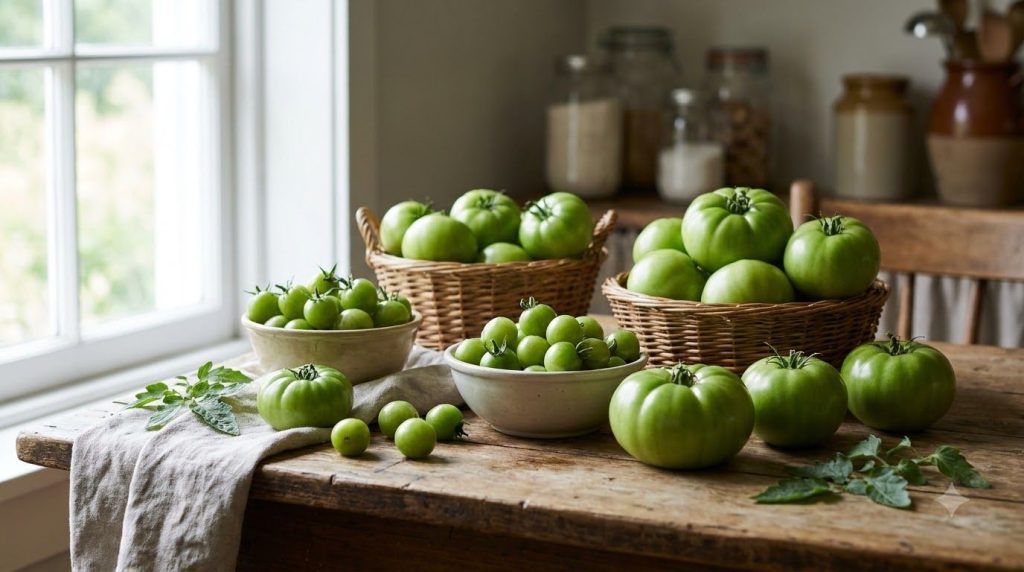
Step-by-Step Guide to Ripening Green Tomatoes
- Harvest Carefully: Gently pick your green tomatoes, ensuring the stem is still attached if possible. Avoid any tomatoes with soft spots, blemishes, or signs of disease, as these can spread to others.
- Clean and Dry: Wipe off any dirt from the tomatoes with a dry cloth. Crucially, ensure they are completely dry before proceeding. Moisture can lead to rot.
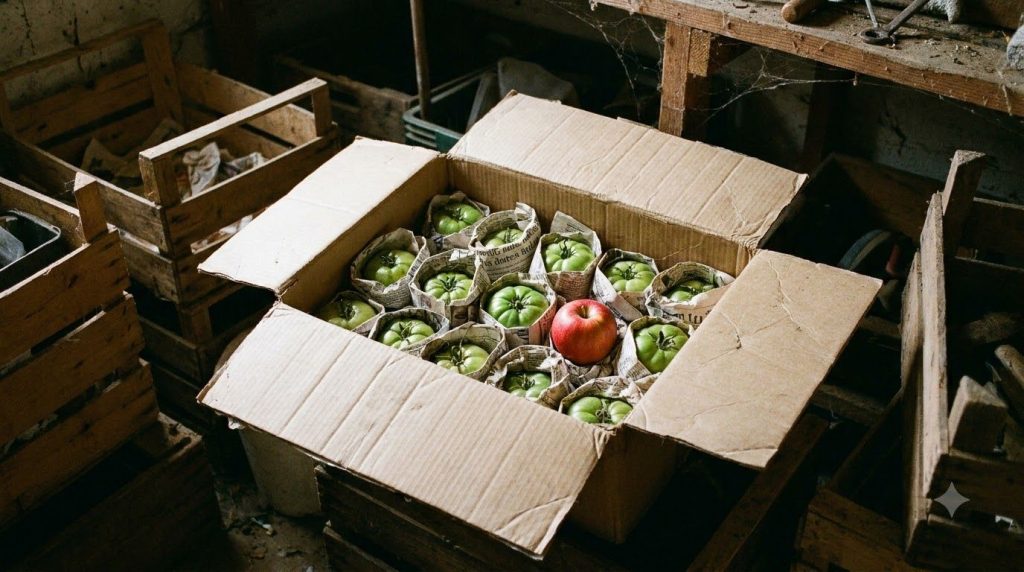
- Wrap Individually: Wrap each green tomato loosely in a sheet of newspaper or place it in a small paper bag. This helps trap the ethylene gas around each fruit.
- Pack in a Container: Place the wrapped tomatoes in a single layer in a cardboard box. Avoid stacking them too deeply, as this can lead to bruising and poor air circulation.
- Add an Ethylene Booster (Optional but Recommended): If using, place one ripe apple or banana in the box with the tomatoes. These fruits naturally release ethylene gas, speeding up the ripening process.
- Close and Store: Close the box. Store it in a cool, dark place with temperatures ideally between 55-70°F (13-21°C). A basement, pantry, or spare room closet works well.
Quick Tip: Don’t Rush It!
Patience is key. While adding an apple can speed things up, tomatoes ripen at their own pace. Resist the urge to open the box every day.
How to Use and Monitor Ripening Tomatoes
Check your tomatoes every 3-5 days. Gently unwrap a few to inspect their color and firmness. As they ripen, they will turn from green to light green, then yellowish, and finally red, softening slightly to the touch. Once a tomato is fully red and slightly soft, it’s ready to be eaten.
How Often to Check
Regular monitoring is crucial. Inspect the tomatoes every few days to remove any that have ripened or, more importantly, any that show signs of spoilage (mold, softness, or a foul odor). Removing spoiled fruit immediately prevents it from affecting the others.
Choosing the Best Green Tomatoes for Ripening
Not all green tomatoes are created equal when it comes to indoor ripening. Here’s how to select the best candidates:
| Good Candidates | Poor Candidates |
|---|---|
| Mature, full-sized green tomatoes | Small, immature green tomatoes |
| Firm to the touch, no blemishes | Soft spots, cracks, or disease |
| Starting to show a hint of color | Deep green, hard, no color change |
| Harvested with stem attached | Bruised or broken skin |
Storage After Ripening
Once your tomatoes have ripened to your desired stage, store them at room temperature for a few days if you plan to use them soon. For longer storage, ripe tomatoes can be kept in the refrigerator, but they may lose some flavor and texture. It’s best to enjoy them fresh after ripening.
Practical Tips for Success
- Temperature Matters: Cooler temperatures (around 55-60°F / 13-16°C) will result in slower, more evenly ripened tomatoes with better flavor. Warmer temperatures will ripen them faster but may compromise taste.
- Good Airflow: While you want to trap ethylene, ensure there’s still a tiny bit of air exchange in the box to prevent excessive moisture build-up and mold.
- Ethylene Sources: If you don’t have an apple or banana, other ethylene-producing fruits like avocados or pears can also work. Just ensure they are ripe.
- Separate Spoiled Fruit: This cannot be stressed enough. One bad tomato can literally spoil the whole batch.
Common Mistakes to Avoid
Even with a simple process, a few common errors can derail your efforts:
- Using Wet Tomatoes: Any moisture on the tomatoes before wrapping or boxing can lead to mold and rot. Ensure they are completely dry.
- Crowding the Box: Overlapping or piling tomatoes too high restricts airflow and increases the risk of bruising and spoilage.
- Ignoring Spoiled Fruit: Failing to remove rotting tomatoes quickly will contaminate the entire batch. Check frequently!
- Ripening Immature Tomatoes: Very small, hard, dark green tomatoes often lack the physiological maturity to ripen properly off the vine and may just shrivel.
- Storing in Direct Sunlight: While tomatoes ripen on the vine in the sun, direct indoor sunlight can cause them to cook or rot rather than ripen evenly. A dark, cool place is best.
Cautions: Who Should Avoid It?
There are no direct health cautions for this process, but be diligent about:
- Mold: If any tomato develops mold, discard it immediately and check nearby tomatoes thoroughly. Do not consume moldy parts.
- Disease: Do not try to ripen tomatoes that already show signs of disease from the garden. These should be discarded to prevent contamination and potential health risks.
Quick Summary
Don’t let frost end your tomato season early. Salvage green tomatoes by carefully harvesting mature, unblemished fruits. Wrap each tomato in newspaper, place them in a single layer in a cardboard box, optionally adding a ripe apple or banana. Store in a cool, dark place (55-70°F) and check every 3-5 days. Discard any spoiled tomatoes immediately. Enjoy fresh, homegrown flavor well into autumn!
FAQ
Can I use fresh or dried newspaper?
Always use dry newspaper or paper bags. Moisture promotes mold.
How long does it take for tomatoes to ripen indoors?
It can take anywhere from a few days to several weeks, depending on the initial maturity of the tomato, the temperature, and if you use an ethylene booster like an apple.
Can I refrigerate green tomatoes to ripen them?
No, refrigeration will stop the ripening process and can cause flavor and texture degradation. Keep them at room temperature for ripening.
How often should I check the tomatoes for ripeness or spoilage?
Check them every 3-5 days to monitor progress and remove any spoiled fruit.
What part of the tomato is best for ripening?
The entire fruit is used. Ensure the stem is attached if possible, as it helps prevent decay at the stem end.
Can I ripen tomatoes on a windowsill?
While some people try this, direct sunlight can cause uneven ripening and make the tomatoes mushy. A cool, dark environment is generally more effective for consistent results.
What if my green tomatoes are very small?
Very small, immature green tomatoes are unlikely to ripen well indoors. They often shrivel or rot before turning red. Focus on full-sized, mature green tomatoes.
Is it safe to eat these ripened tomatoes?
Yes, as long as they are free from mold or signs of rot, these tomatoes are perfectly safe and delicious to eat.
Conclusion
Saving your green tomatoes from the frost is a rewarding project that extends your harvest and ensures no effort goes to waste. With this simple, practical method, you can enjoy the taste of summer’s bounty long after the growing season has officially ended. Give this hack a try and surprise yourself with a continuous supply of ripe, flavorful tomatoes from your own garden.
You may also like: Composting for Beginners: Turn Waste into Garden Gold
Read more: Natural Pest Control for Your Garden: Eco-Friendly Solutions
