Most people mourn their basil plants as the first chill of autumn arrives, resigned to buying expensive grocery store basil all winter. But what if you could multiply your beloved basil plant into dozens of new, thriving plants, all for free, right before the frost hits? This isn’t a gardening myth; it’s a simple, effective method called propagation, and it ensures you have a continuous supply of fresh basil, year-round.
Don’t let the coming cold claim your favorite herb. With a few simple steps, you can save your basil and enjoy its aromatic leaves in your kitchen long after outdoor growing season ends. It’s practical, rewarding, and surprisingly easy.
What is Basil Propagation?
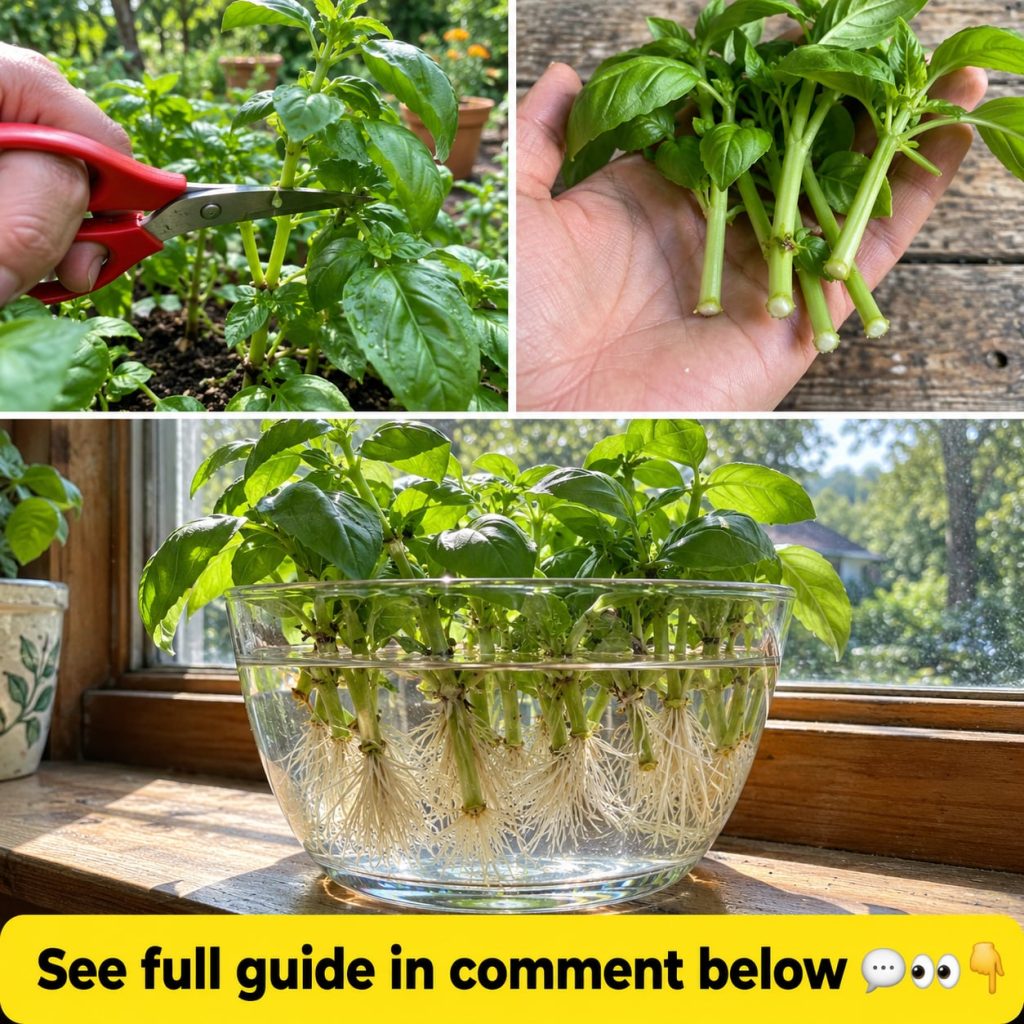
Basil propagation is the process of creating new basil plants from existing ones, typically by taking cuttings and rooting them in water or soil. It’s an incredibly efficient way to sustain your basil supply, especially when the weather turns cold. Instead of letting your basil die off with the frost, you’re essentially cloning it, preserving its genetics and ensuring you have fresh basil for pesto, salads, and sauces whenever you desire.
The beauty of propagation lies in its simplicity and cost-effectiveness. You don’t need to buy new seeds or starter plants; you just need a healthy parent basil plant and a little patience.
Ingredients for Endless Basil
Gathering your supplies is the first step towards a continuous basil harvest. Luckily, you won’t need much:
- Healthy Basil Plant: Your source for cuttings.
- Sharp Scissors or Pruning Shears: Essential for clean cuts.
- Glass Jar or Container: For rooting cuttings in water.
- Clean Potting Mix: A well-draining mix if rooting in soil or transplanting.
- Small Pots or Seed Trays: For planting rooted cuttings.
- Water: Room temperature, preferably filtered.
- (Optional) Rooting Hormone: Can speed up the rooting process, but often unnecessary for basil.
Approximate Measurements
While not precise ‘measurements,’ here’s what to aim for:
- Cuttings: 4-6 inches (10-15 cm) long.
- Water in Jar: Enough to cover the bottom 2-3 inches of the cutting stems.
- Potting Mix: Enough to fill your chosen pots, usually 2-4 inch (5-10 cm) pots per cutting.
The Simple Formula for Basil Success
The core ‘recipe’ involves three easy stages:
- Take Cuttings: Select strong, non-flowering stems.
- Root Cuttings: Place them in water or soil until roots develop.
- Plant Rooted Cuttings: Transfer to pots with soil for continued growth.
Step-by-Step Method for Basil Propagation
1. Prepare Your Cuttings
- Select Stems: Choose healthy, vigorous stems from your basil plant that are about 4-6 inches (10-15 cm) long. Look for stems without flowers, as flowering stems put energy into seeds rather than roots.
- Make the Cut: Using sharp scissors or pruning shears, cut the stem just below a leaf node (the point where leaves attach to the stem). This node is where new roots will emerge.
- Remove Lower Leaves: Strip off any leaves from the bottom 2-3 inches of the stem. These leaves would rot if submerged in water or buried in soil, leading to issues.
2. Rooting the Cuttings (Water Method)
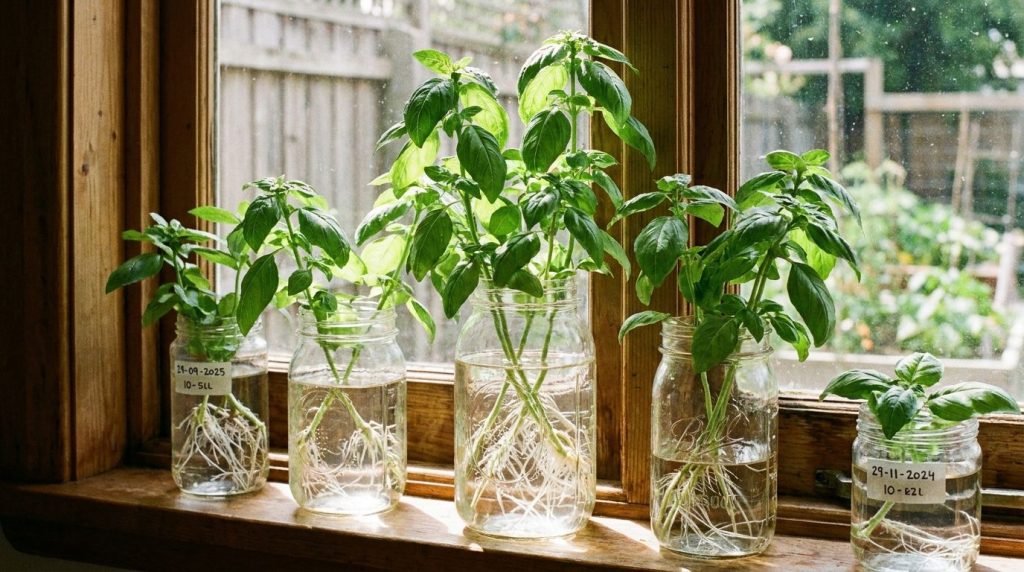
- Place in Water: Put the prepared cuttings into a glass jar filled with room-temperature water. Ensure only the bare stem is submerged, not any leaves.
- Find a Spot: Place the jar in a warm spot with bright, indirect sunlight. A windowsill is often ideal.
- Change Water: Change the water every 1-2 days to prevent bacterial growth and ensure the cuttings have fresh oxygen.
- Watch for Roots: You should see small white roots begin to form within 7-14 days.
2. Rooting the Cuttings (Soil Method – Alternative)
- Prepare Pots: Fill small pots (2-4 inches) with a moist, well-draining potting mix.
- Plant Cuttings: Make a small hole in the soil with your finger or a pencil. Insert the bottom 2-3 inches of each cutting into the soil, gently firming the soil around the stem. If using rooting hormone, dip the cut end in it before planting.
- Water Gently: Water the soil thoroughly but gently.
- Cover (Optional): For increased humidity, you can cover the pots with a clear plastic bag or dome, ensuring it doesn’t touch the leaves.
- Find a Spot: Place in a warm spot with bright, indirect light.
- Keep Moist: Keep the soil consistently moist but not waterlogged.
3. Transplanting Rooted Cuttings
- Wait for Strong Roots: For water-rooted cuttings, wait until roots are at least 1-2 inches long before transplanting. For soil-rooted, gently tug; if there’s resistance, roots have formed.
- Prepare New Pots: Fill larger pots (6-8 inches or larger for mature plants) with fresh potting mix.
- Plant Carefully: Gently remove the rooted cutting from the water or smaller pot. Make a hole in the new soil, place the cutting in, and gently firm soil around it, ensuring the root ball is covered.
- Water In: Water thoroughly after transplanting.
Quick Tip: Propagating in water is often more visible and satisfying for beginners, allowing you to see the roots develop. Soil rooting can sometimes lead to stronger initial root systems but requires more careful moisture management.
How to Use Your New Basil Plants
Once your new basil plants are established and growing well, treat them just like any other basil plant. Harvest leaves as needed, pinching off the top sets of leaves to encourage bushier growth. These fresh plants are perfect for:
- Pesto
- Caprese salads
- Flavoring pasta sauces
- Adding to sandwiches and wraps
- Garnishing dishes
How Often to Use/Propagate
You can harvest from your new basil plants regularly once they’re established. For propagation, you can repeat the process as often as you like! Many gardeners take new cuttings every few months to ensure a continuous supply of young, vigorous plants. As outdoor basil starts to decline in late summer or early fall, that’s the ideal time to take cuttings to bring indoors for winter.
How to Choose Ingredients (Parent Plant)
The key to successful propagation lies in selecting a robust parent plant:
- Health is Key: Choose a basil plant that looks vibrant, green, and free from pests or diseases.
- Avoid Flowering Stems: While you can technically propagate from flowering stems, they are less likely to root successfully because the plant’s energy is focused on seed production.
- Consider Variety: All basil varieties can be propagated this way, but common sweet basil is a great starting point.
Storage
Once your basil plants are mature, they are living ‘storage.’ For fresh cuttings awaiting rooting:
- Short-Term Cuttings: If you can’t root them immediately, place the cuttings in a glass of water on the counter for a day or two.
- Rooted Cuttings: Once roots form, they should be transplanted into soil promptly to prevent them from becoming ‘water-bound’ and struggling to adapt to soil.
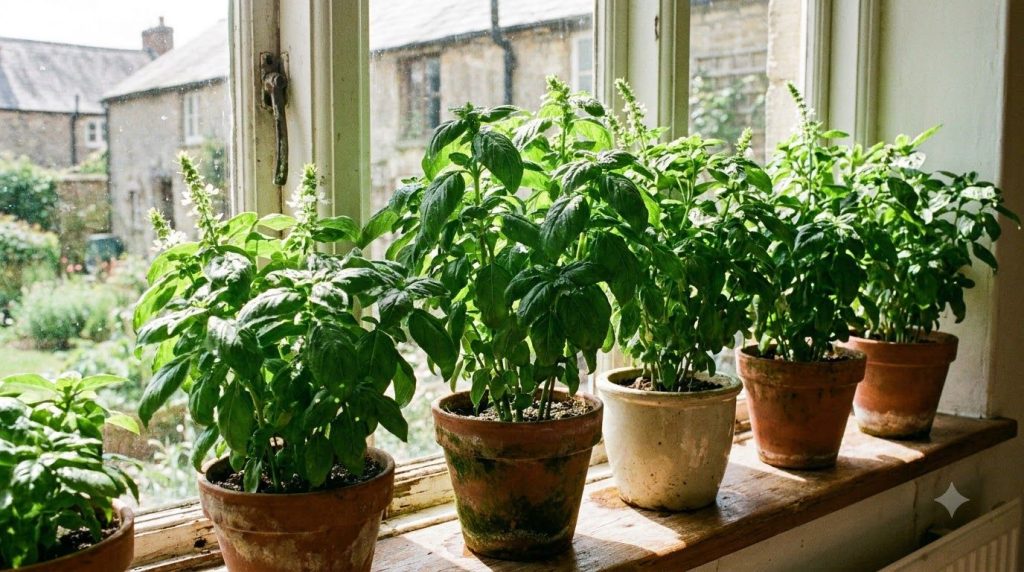
- Mature Plants: Keep them indoors in a sunny spot, away from cold drafts, throughout winter.
Practical Tips for Success
- Good Light: Basil loves light. Provide at least 6 hours of bright, indirect sunlight daily. A south-facing window is often best indoors.
- Warmth: Maintain consistent room temperatures (65-75°F / 18-24°C).
- Humidity: Basil appreciates humidity, especially indoors. Misting occasionally or placing pots on a pebble tray with water can help.
- Pinch Regularly: Once your new plants grow, pinch off the top two sets of leaves to encourage bushier growth instead of tall, leggy stems.
Common Mistakes to Avoid
While basil propagation is forgiving, a few missteps can hinder your success:
- Leaving Lower Leaves: Any leaves submerged in water or buried in soil will rot, inviting bacteria and harming the cutting.
- Stagnant Water: Failing to change the water frequently can lead to bacterial or fungal growth, which will kill your cuttings.
- Too Much Direct Sun (for Cuttings): While mature basil loves sun, young cuttings can get scorched. Bright, indirect light is best during the rooting phase.
- Overwatering After Transplant: While basil likes consistent moisture, overwatering leads to root rot in soil. Ensure good drainage and let the top inch of soil dry slightly between waterings.
- Using Flowering Stems: These stems have already begun their reproductive cycle and are less inclined to produce roots vigorously.
Fresh vs. Rooted Cuttings
| Feature | Fresh Cuttings (Pre-Rooting) | Rooted Cuttings (Post-Rooting) |
|---|---|---|
| Appearance | Bare stem with upper leaves | Bare stem with roots, upper leaves |
| Preparation | Take from parent plant, strip lower leaves | Ready for planting in soil |
| Longevity | Few days in water before rooting | Weeks to months if kept hydrated; indefinite once planted |
| Next Step | Root in water or soil | Plant in soil for permanent growth |
Cautions: Who Should Avoid It?
This is a plant propagation method, and generally safe for anyone. However, individuals with severe plant allergies might exercise caution when handling plant material directly. Always ensure your parent plant is healthy and free of disease or pests before taking cuttings to avoid propagating issues.
You may also like: The Full Guide to Growing Herbs Indoors.
Quick Summary: Basil Propagation at a Glance
- Best Preparation: Water rooting for visibility, soil rooting for potentially stronger initial plants.
- Best Use-Case: Ensuring a continuous supply of fresh basil, especially before cold weather.
- Storage: Rooted cuttings need prompt planting; mature plants stored indoors.
- When to Use: Late summer/early autumn to extend your harvest through winter.
- What to Avoid: Stagnant water, leaves submerged in water/soil, flowering stems for cuttings.
FAQ
Q: Can I use fresh or dried basil for propagation?
A: You must use fresh basil cuttings for propagation. Dried basil will not root.
Q: How long does it take for basil cuttings to root?
A: Basil cuttings typically show roots within 7-14 days in water. Soil rooting can take a bit longer but may not be visible.
Q: Can I refrigerate basil cuttings?
A: It’s best not to refrigerate cuttings intended for rooting, as the cold can inhibit root development. Keep them at room temperature.
Q: How often should I water my newly potted basil plants?
A: Keep the soil consistently moist but not waterlogged. Check the top inch of soil; if it feels dry, it’s time to water.
Q: What part of the basil plant is best for cuttings?
A: The tip of a healthy, non-flowering stem, about 4-6 inches long, cut just below a leaf node, is ideal.
Q: Can I reuse the water for rooting?
A: No, always change the water every 1-2 days to provide fresh oxygen and prevent bacterial growth, which can cause cuttings to rot.
Q: When should I avoid propagating basil?
A: Avoid propagating from plants that are diseased, heavily pest-infested, or those that are extremely stressed or wilting, as they may not have enough energy to root successfully.
Related remedy: How to Make a Simple Herbal Tea.
Conclusion
Say goodbye to buying basil out of season and embrace the simple joy of propagating your own. By following these straightforward steps, you can ensure a continuous, free supply of this versatile herb, enriching your culinary creations year-round. It’s a small effort that yields tremendous, fresh-tasting rewards, proving that sometimes, the best remedies are found right in your own garden (or windowsill!).
