Ever wondered why some rice dishes turn out perfectly fluffy with separate grains, while others are a sticky, clumpy mess? The secret often lies in a simple, yet frequently overlooked, step: rinsing your rice. This straightforward technique helps remove excess starch and impurities, leading to a superior texture and taste in your finished dish. It’s an easy habit to adopt that can significantly elevate your cooking.
What You’ll Need
- 1-2 cups (or your desired quantity) of white rice (such as basmati, jasmine, or long-grain)
- Cold tap water
- A medium-sized bowl or the pot you intend to cook the rice in
- A fine-mesh sieve or colander (optional, but helpful for draining)
Why This DIY Can Be Useful
Rinsing rice is primarily about removing the excess starch that coats the grains. This surface starch, when cooked, can contribute to a gummy, sticky texture and prevent the grains from separating nicely. By washing it away, you allow the individual grains to cook more evenly, resulting in a lighter, fluffier rice with a more distinct grain structure.
Beyond texture, rinsing also helps remove any residual dust or small impurities that might be present from the milling and packaging process, ensuring a cleaner final product.
How to Rinse It
- Measure Your Rice: Place your desired amount of dry white rice into a medium-sized bowl or directly into your cooking pot.
- Add Cold Water: Pour enough cold tap water over the rice to completely submerse it, typically about 2-3 inches above the rice level.
- Swirl and Agitate: Gently swirl the rice with your hand or a spoon for about 30 seconds to 1 minute. You’ll notice the water quickly turning cloudy and white – this is the starch being released.
- Drain the Water: Carefully pour off the cloudy water, holding the rice back with your hand or using a fine-mesh sieve.
- Repeat the Process: Add fresh cold water, swirl, and drain again. Repeat this rinsing process 2 to 4 more times, or until the water runs mostly clear. It doesn’t need to be perfectly crystal clear, but it should be significantly less cloudy than the first rinse.
- Final Drain: Once you’re satisfied, drain the rice thoroughly before proceeding with your cooking method.
What to Expect
After rinsing, your rice will look cleaner and feel slightly less powdery. When cooked, you can expect your white rice to be noticeably fluffier, with grains that are distinct and less prone to sticking together. This improved texture makes for a more enjoyable eating experience, whether you’re serving it as a side dish or incorporating it into a larger meal.
Helpful Tips
- Don’t Over-Rinse: While removing excess starch is good, avoid rinsing too many times as it can strip away some of the beneficial nutrients. Aim for 3-5 rinses.
- Use Your Hands: Gently massaging the rice between your fingers while swirling can help release starch more effectively than just stirring.
- Consider the Water: Some people believe using filtered water can make a difference, but tap water is perfectly fine for rinsing.
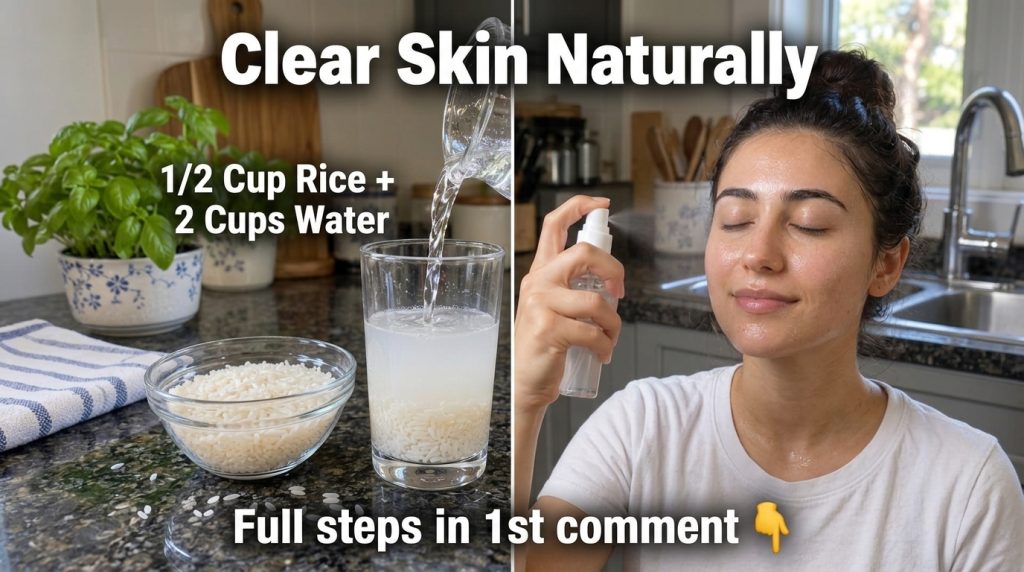
- Save the Rice Water: The cloudy water from your first few rinses isn’t necessarily waste! It can be used for watering plants (as it contains starch and some nutrients) or even as a natural hair rinse or facial toner for some beauty routines.
Important Notes / Safety
- Always use cold water for rinsing rice. Hot water can start to cook the surface of the grains, making them sticky.
- Ensure your hands and any bowls or sieves used are clean to avoid introducing contaminants.
- Thoroughly drain the rice before cooking to ensure proper water-to-rice ratios for your recipe.
- This method is primarily for white rice. Some types of rice, like arborio for risotto or certain fortified rice, are meant to retain their starch and should not be rinsed. Always check your recipe!