The vibrant green leaves of the walnut tree (Juglans regia) often go unnoticed, overshadowed by the rich, flavorful nuts they yield. Yet, for centuries, traditional herbalists haven’t just harvested the nuts; they’ve valued the leaves for their surprising properties. Most people overlook this readily available resource, missing out on a simple, effective natural remedy that can be prepared right in your home. This guide will walk you through how to harness the practical power of walnut leaves for everyday wellness needs, particularly for skin and hair.
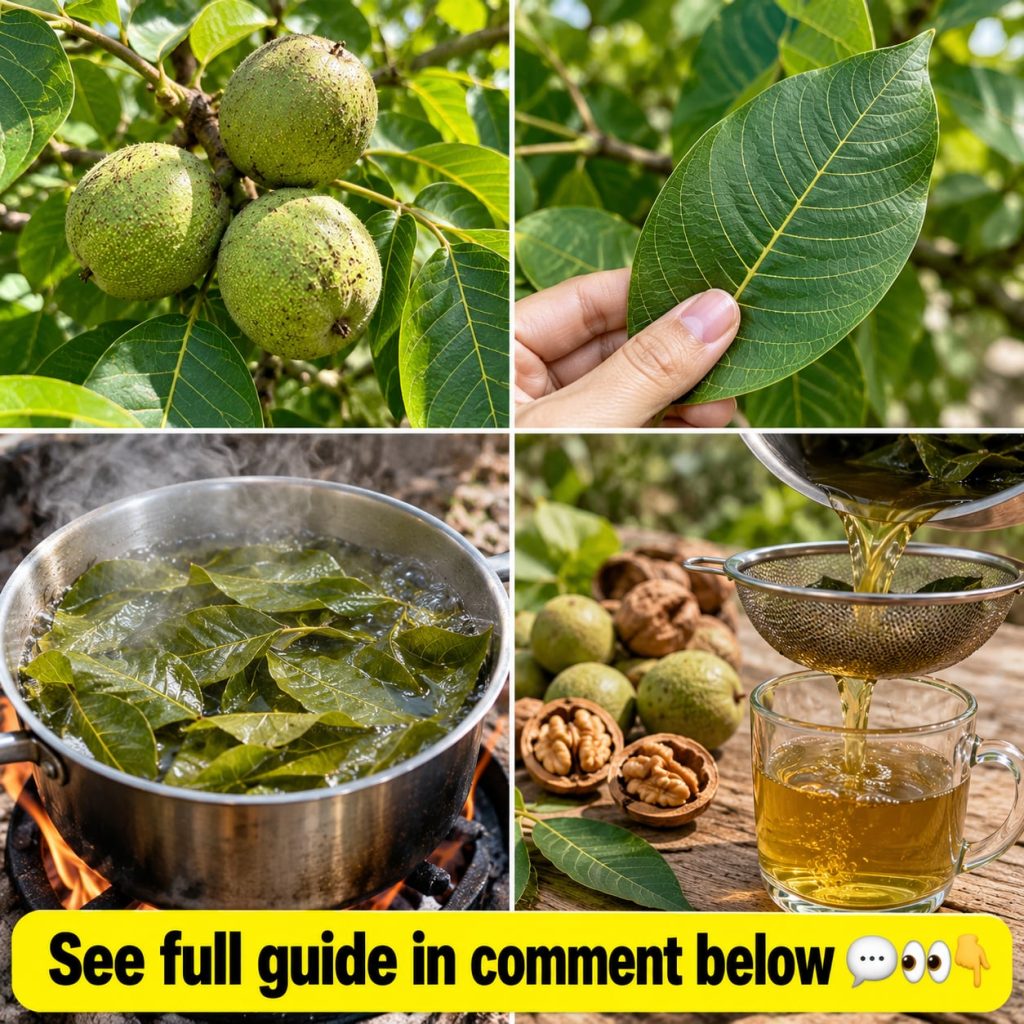
What Are Walnut Leaves?
Walnut leaves come from the common walnut tree, Juglans regia. These broad, aromatic leaves are rich in compounds like tannins, flavonoids, and juglone. These components are responsible for the leaves’ astringent, anti-inflammatory, and antimicrobial properties. Historically, walnut leaf preparations have been used topically for a variety of skin conditions, from minor irritations to support wound healing and to promote healthy hair and scalp.
Why Focus on the Leaves?
While the walnut nut is celebrated for its nutritional value, the leaves offer distinct benefits, especially when applied externally. Their natural compounds work together to soothe, protect, and cleanse, making them an excellent candidate for DIY herbal remedies. Unlike the nuts, which are primarily a food source, the leaves are specifically sought after for their therapeutic qualities in traditional practices.
The Essential Walnut Leaf Infusion (Tea/Rinse)
This is the most common and versatile way to use walnut leaves for topical applications. It’s simple to make and forms the base for various remedies.
Ingredients
- 1-2 tablespoons dried walnut leaves (or a small handful of fresh, chopped leaves)
- 1 cup (250 ml) filtered water
Approximate Measurements
For a stronger concentration, you can increase the leaf quantity to 3 tablespoons, but start with less to assess your skin’s sensitivity.
Formula / Recipe: Simple Walnut Leaf Infusion
- Measure Leaves: Place the dried or fresh, chopped walnut leaves into a heatproof jar or mug.
- Heat Water: Bring 1 cup of filtered water to a boil, then immediately remove it from the heat.
- Infuse: Pour the hot water over the leaves.
- Steep: Cover the container to prevent beneficial compounds from escaping with the steam. Let it steep for 10-15 minutes for a standard infusion, or up to 20 minutes for a stronger one.
- Strain: Strain the liquid through a fine-mesh sieve or cheesecloth into a clean container, discarding the spent leaves.
- Cool: Allow the infusion to cool completely before use, especially for skin applications.
How to Use Your Walnut Leaf Infusion
Once prepared and cooled, your walnut leaf infusion can be used in several practical ways:
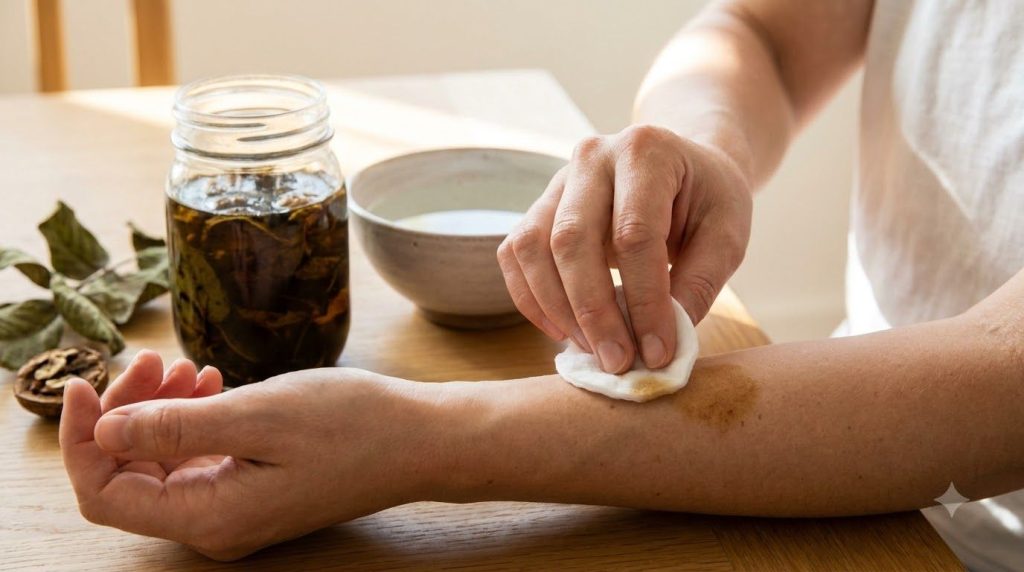
- Skin Rinse: For irritated skin, minor cuts, insect bites, or areas prone to fungal issues, apply the cool infusion directly with a clean cloth or cotton pad. Pat gently onto the affected area.
- Compress: Soak a clean cloth in the cooled infusion, wring out excess liquid, and apply as a compress to areas with swelling or inflammation. Leave on for 15-20 minutes.
- Hair Rinse: After shampooing, pour the cooled infusion over your scalp and hair. Gently massage it in. Do not rinse out. This can help with scalp health, dandruff, and may gradually darken hair over time, especially brown and dark blonde shades.
- Foot Soak: For tired feet or minor skin irritations, add a stronger infusion to a basin of warm water for a soothing soak.
How Often to Use
For skin issues, apply 1-2 times daily until symptoms improve. For a hair rinse, use 2-3 times a week. Consistent use yields the best results, but always observe your skin’s reaction.
How to Buy / How to Choose Ingredients
The quality of your walnut leaves significantly impacts the effectiveness of your remedy.
- Harvesting: If you have access to a walnut tree, harvest leaves in late spring to early summer when they are green and vibrant. Ensure the tree has not been sprayed with pesticides or herbicides.
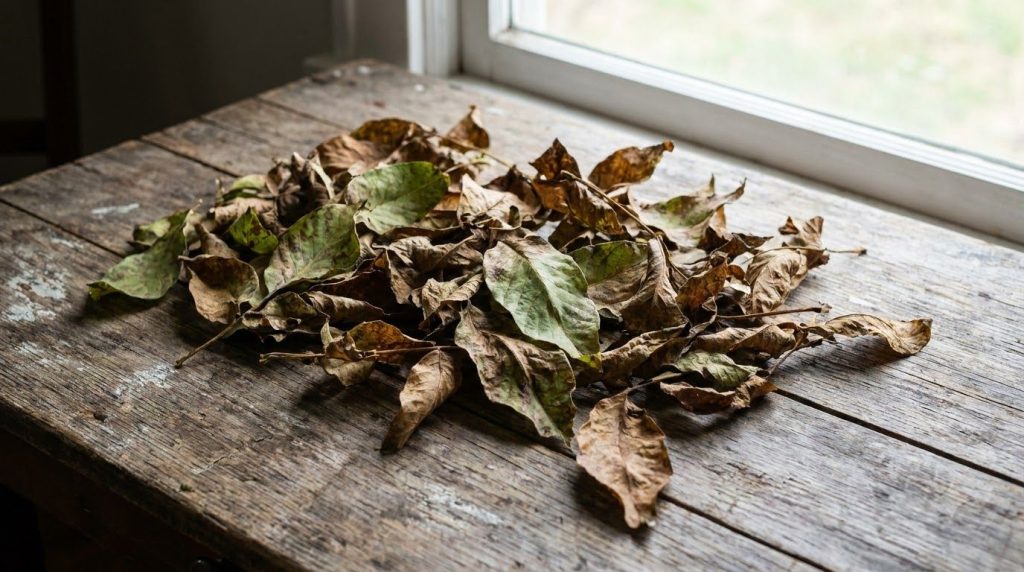
- Purchasing: Buy dried walnut leaves from reputable herbal suppliers or organic health stores. Look for leaves that are intact, green, and have a fresh, slightly aromatic scent. Avoid discolored or dusty leaves.
Fresh vs. Dried Walnut Leaves
Both fresh and dried leaves can be used, but there are some distinctions:
| Feature | Fresh Walnut Leaves | Dried Walnut Leaves |
|---|---|---|
| Potency | Generally higher concentration of volatile compounds, but can vary. | Concentrated, more stable over time. Consistent potency. |
| Availability | Seasonal (late spring to early summer). | Year-round from suppliers. |
| Preparation | Chop before infusing. | Can be used as is or crushed. |
| Storage | Use immediately or dry for later. | Store in airtight containers for 1-2 years. |
| Convenience | Requires harvesting and processing. | Ready to use. |
Quick Tip: When harvesting fresh leaves, choose those that are healthy, free from disease, and located away from busy roads to minimize pollution exposure.
Storage
- Dried Leaves: Store dried walnut leaves in an airtight glass jar or container in a cool, dark, and dry place. They can retain their potency for up to 1-2 years.
- Infusion: The prepared infusion should be stored in a clean, airtight bottle in the refrigerator. Use within 2-3 days. Discard if it develops any cloudiness or an off-odor.
Practical Tips for Best Results
- Patch Test: Always perform a patch test on a small area of your skin before widespread application, especially if you have sensitive skin.
- Glassware Preferred: Use glass or ceramic containers for brewing and storing your infusion, as metal can sometimes react with the plant compounds.
- Consistency is Key: For chronic issues or noticeable effects (like hair darkening), consistent, regular use is more effective than sporadic application.
- Adjust Strength: If your skin is very sensitive, dilute the infusion with equal parts water. For stronger effects, use more leaves or steep for longer.
Common Mistakes to Avoid
- Using Sprayed Leaves: Never use walnut leaves from trees treated with pesticides, herbicides, or other chemicals. These can be harmful when applied to the skin.
- Boiling the Leaves: Boiling can destroy delicate compounds. Always infuse by pouring hot water over the leaves and steeping.
- Skipping the Strain: Unstrained leaf particles can irritate the skin or lead to mold growth in stored infusions.
- Improper Storage: Leaving the infusion at room temperature encourages bacterial growth. Always refrigerate and discard after 2-3 days.
- Over-Concentrating Too Quickly: Starting with a very strong infusion can sometimes cause irritation. Begin with the recommended measurements and adjust if needed.
- Expecting Immediate Miracles: Natural remedies work subtly and require patience. Consistent application over time is necessary to see results.
Cautions / Who Should Avoid It
- Allergies: If you are allergic to walnuts or other nuts, you might also be sensitive to walnut leaves. Avoid use.
- Sensitive Skin: While generally well-tolerated, very sensitive skin types should proceed with caution and always patch test.
- Open Wounds: Do not apply to deep or severely broken skin without consulting a healthcare professional.
- Internal Consumption: This article focuses on external uses. Internal consumption of walnut leaf preparations should only be done under the guidance of a qualified herbalist or doctor, as it can be potent and may interact with medications.
- Pregnancy and Breastfeeding: Consult your doctor before using any herbal remedies, including walnut leaf preparations, during pregnancy or while breastfeeding.
Quick Summary: Your Walnut Leaf Remedy Guide
- Best Preparation: Simple hot water infusion (steep, don’t boil).
- Best Use-Case: Topical rinse for skin irritations, minor cuts, scalp health, and as a natural hair darkening rinse.
- Storage: Dried leaves in airtight container (1-2 years); infusion refrigerated (2-3 days).
- When to Use: Daily for skin issues, 2-3 times a week for hair.
- What to Avoid: Sprayed leaves, boiling water, un-strained infusions, internal use without professional guidance.
FAQ
- Can I use fresh or dried walnut leaves?
Yes, both can be used. Dried leaves offer consistent potency and year-round availability. Fresh leaves are seasonal but often have a higher concentration of volatile compounds. - How long does the walnut leaf infusion last?
The prepared infusion should be stored in the refrigerator and used within 2-3 days. - Can I use walnut leaf infusion on my hair?
Absolutely! It makes an excellent hair rinse to support scalp health, reduce dandruff, and may impart a natural darkening effect on hair over time. - Is it safe for internal use?
This article focuses exclusively on external applications. Internal use of walnut leaf preparations should only be undertaken with professional guidance due to their potency and potential interactions. - How do I know if the leaves are safe to use?
Ensure the leaves come from a tree that has not been treated with pesticides or herbicides. If harvesting yourself, choose healthy leaves away from busy roads. If buying, choose reputable organic suppliers. - What part of the walnut tree is best for remedies?
While the nuts, bark, and hulls also have uses, for the topical skin and hair remedies discussed here, the leaves are the primary part used. - Can I reuse the leaves after infusing?
It’s generally not recommended. Most of the beneficial compounds are extracted during the first infusion, and reusing can lead to a much weaker and potentially less hygienic preparation. - When should I avoid using walnut leaves?
Avoid if you have a walnut allergy, very sensitive skin (without patch testing), or open, deep wounds. Always consult a doctor if pregnant, breastfeeding, or on medication.
You may also like: See the full guide on making a natural Turmeric Mask.
Beyond the Nut, a Leafy Treasure
The walnut tree offers far more than just its famous nuts. Its leaves, often overlooked, hold a gentle yet effective power for natural skin and hair care. By understanding how to properly harvest, prepare, and use walnut leaf infusions, you can tap into a traditional remedy that is both accessible and practical. Embrace this leafy treasure and discover a new path to natural wellness in your daily routine.
Read more: Learn how to make your own DIY Aloe Vera Gel for soothing skin.
