Most people walk right past it, perhaps even curse it as a stubborn lawn weed. Yet, this unassuming plant, known as Ground Ivy, holds a surprising history in traditional herbal practices, particularly for respiratory well-being. Far from being just a nuisance, its leaves have been quietly harvested for centuries, offering a natural approach to supporting lung comfort. But like any natural remedy, understanding its proper use and preparation is key to unlocking its potential benefits.
Forget complicated concoctions; this guide will walk you through transforming common Ground Ivy into a simple, effective remedy. We’ll cover everything from identifying the plant to brewing the perfect tea, ensuring you can harness its traditional properties safely and practically.
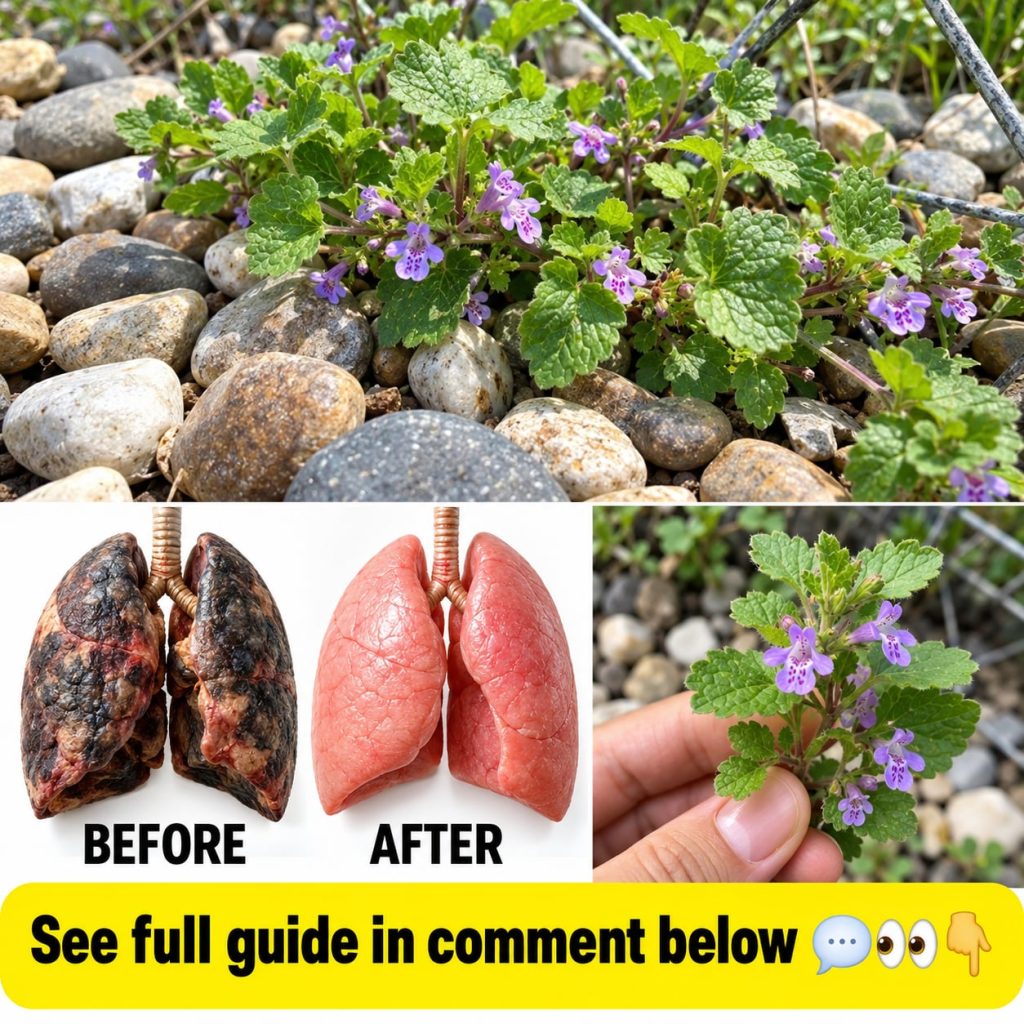 Ground Ivy: A traditional herb historically valued for respiratory comfort.
What is Ground Ivy?
Ground Ivy, scientifically known as Glechoma hederacea, is a creeping perennial plant native to Europe and southwestern Asia, though it has naturalized in many other parts of the world, including North America. Often found in shady, moist areas like lawns, gardens, and woodlands, it’s easily recognized by its kidney-shaped or rounded, scalloped leaves and small, purplish-blue, trumpet-shaped flowers that appear in spring. It belongs to the mint family (Lamiaceae), which explains its somewhat aromatic scent when crushed.
Historically, it has been used in various traditional medicine systems, notably for its expectorant and anti-inflammatory properties, making it a popular choice for addressing respiratory complaints. It’s important to differentiate Ground Ivy from other ‘ivy’ plants, which can be toxic. Glechoma hederacea is the specific plant we’re discussing here.
Ingredients for a Ground Ivy Infusion
Creating a simple Ground Ivy infusion is straightforward and requires minimal ingredients. The key is sourcing high-quality plant material.
- Ground Ivy Herb: Freshly harvested or thoroughly dried leaves and stems.
- Water: Clean, filtered water is always best for brewing teas to avoid unwanted flavors or contaminants.
Approximate Measurements
For a standard cup of Ground Ivy tea:
- Fresh Ground Ivy: Approximately 1 tablespoon of chopped fresh leaves and stems.
- Dried Ground Ivy: Approximately 1-2 teaspoons of dried herb.
- Water: 8-10 ounces (about 1 cup) of hot water.
These are approximate starting points. You can adjust the quantity of herb to your personal preference for strength, but always start conservatively, especially if you are new to herbal remedies.
Formula / Recipe: Ground Ivy Respiratory Tea
This recipe focuses on a basic hot infusion, which is the most common and effective way to extract the beneficial compounds from Ground Ivy for respiratory support.
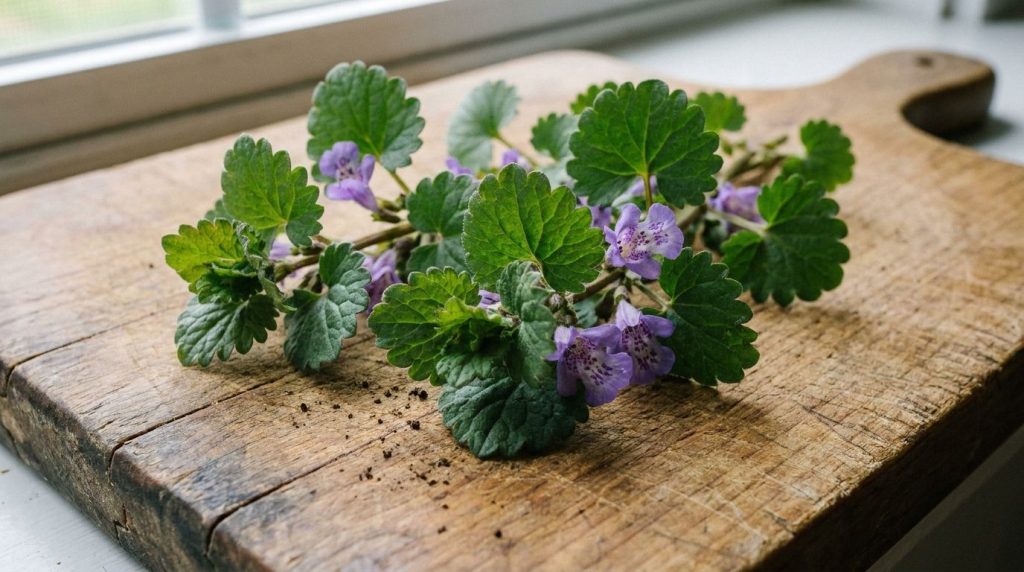 Freshly harvested Ground Ivy is ideal for infusions.
Step-by-Step Method
- Harvest or Measure: If using fresh Ground Ivy, gently wash the sprigs to remove any dirt or insects. Chop the leaves and tender stems roughly. If using dried, measure out the appropriate amount.
- Heat Water: Bring your filtered water to a boil in a clean pot or kettle.
- Prepare Vessel: Place the fresh or dried Ground Ivy into a heat-proof mug or a small teapot with a lid.
- Pour Water: Once the water has boiled, immediately pour it over the Ground Ivy.
- Steep: Cover the mug or teapot with a lid or a small plate. This is crucial as it prevents the volatile aromatic compounds from escaping with the steam. Allow it to steep for 10-15 minutes. For a stronger tea, you can steep for up to 20 minutes.
- Strain: Strain the herb out using a fine-mesh sieve, leaving a clear infusion.
- Serve: Your Ground Ivy tea is now ready to drink.
How to Use
Ground Ivy tea is best consumed warm. Many people find its slightly bitter, earthy taste palatable, but you can add a touch of honey or a squeeze of lemon if desired to enhance the flavor. It is traditionally used to help clear congestion, soothe coughs, and support overall respiratory comfort.
How Often to Use
For general respiratory support or during times of minor congestion, you can typically drink 1-2 cups of Ground Ivy tea per day. It’s always wise to start with a smaller amount and observe how your body responds. Avoid continuous daily use for very long periods without consulting a healthcare professional.
How to Buy / How to Choose Ingredients
Choosing your Ground Ivy source carefully is vital for safety and efficacy.
- Foraging: If you choose to forage, identify the plant correctly (Glechoma hederacea). Harvest from areas that are far away from roadsides, agricultural runoff, or industrial pollution, as plants absorb toxins from their environment. Ensure the area has not been sprayed with pesticides or herbicides. Harvest in spring when the plant is young and vibrant.
- Dried Herb: If foraging isn’t an option or you prefer convenience, purchase dried Ground Ivy herb from a reputable herbal supplier. Look for organic certification to ensure it’s free from pesticides.
Quick Tip: Fresh vs. Dried
FeatureFresh Ground IvyDried Ground IvyPotencyOften considered more potent due to volatile oilsSlightly less potent, but still effectiveAvailabilitySeasonal (spring to early summer)Year-roundStorageUse immediately or dry for laterStore in airtight container, cool, dark placePreparationChop before steepingUse as isConvenienceRequires foraging/growingReady to use
Storage
- Freshly Harvested: Ground Ivy is best used fresh. If you must store it briefly, wrap it loosely in a damp paper towel and place it in a plastic bag in the refrigerator for no more than 1-2 days.
- Dried Herb: After harvesting, you can dry Ground Ivy by hanging small bundles in a cool, dark, well-ventilated area, or using a dehydrator on low heat. Once completely dry and brittle, store the dried leaves and stems in an airtight glass jar away from direct sunlight, heat, and moisture. Properly stored, dried Ground Ivy can last for up to a year.
- Prepared Tea: An infusion is best consumed fresh. If you have leftovers, you can store it in a sealed container in the refrigerator for up to 24 hours, but it may lose some potency and flavor.
Practical Tips
- Identification is Key: Double-check your plant identification. There are many similar-looking plants, and consuming the wrong one can be harmful.
- Harvesting Practices: When foraging, take only what you need and leave plenty for the plant to regenerate. Harvest from healthy, vibrant patches.
- Drying Properly: Ensure the herb is completely dry before storing to prevent mold growth. Moldy herbs should be discarded.
- Listen to Your Body: Start with a weaker tea and gradually increase the strength if desired, paying attention to how you feel.
Common Mistake: Misidentification
One of the biggest mistakes foragers make is misidentifying Ground Ivy. While its distinct rounded, scalloped leaves and creeping habit are characteristic, it can sometimes be confused with other ground covers or even mints. Always consult a reliable field guide or an experienced herbalist if you are unsure about the plant’s identity. Using the wrong plant can range from ineffective to potentially harmful.
Cautions / Who Should Avoid It
While generally considered safe for most healthy adults in moderate amounts, Ground Ivy does come with some cautions:
- Pregnancy and Breastfeeding: Due to a lack of sufficient research, pregnant and breastfeeding individuals should avoid Ground Ivy.
- Children: Its use in young children is not well-studied; consult a pediatrician before administering.
- Allergies: Individuals with allergies to plants in the mint family may experience a reaction.
- Medication Interactions: Ground Ivy may have diuretic properties or interact with certain medications. If you are on prescription drugs, especially diuretics, blood thinners, or have underlying health conditions, consult your doctor or a qualified herbalist before using.
- Liver Conditions: Some sources suggest caution for individuals with liver issues, though research is limited.
Quick Summary
For those looking for a quick reference, here’s the essence of using Ground Ivy for respiratory comfort:
- Best Preparation: Hot infusion (tea).
- Best Use-Case: Supporting respiratory comfort, easing congestion, soothing coughs.
- Storage: Dried herb in an airtight container for up to a year; prepared tea for 24 hours in the fridge.
- When to Use: During periods of minor respiratory discomfort, 1-2 cups per day.
- What to Avoid: Misidentification, harvesting from polluted areas, continuous long-term use, use during pregnancy/breastfeeding, or with certain medications without medical advice.
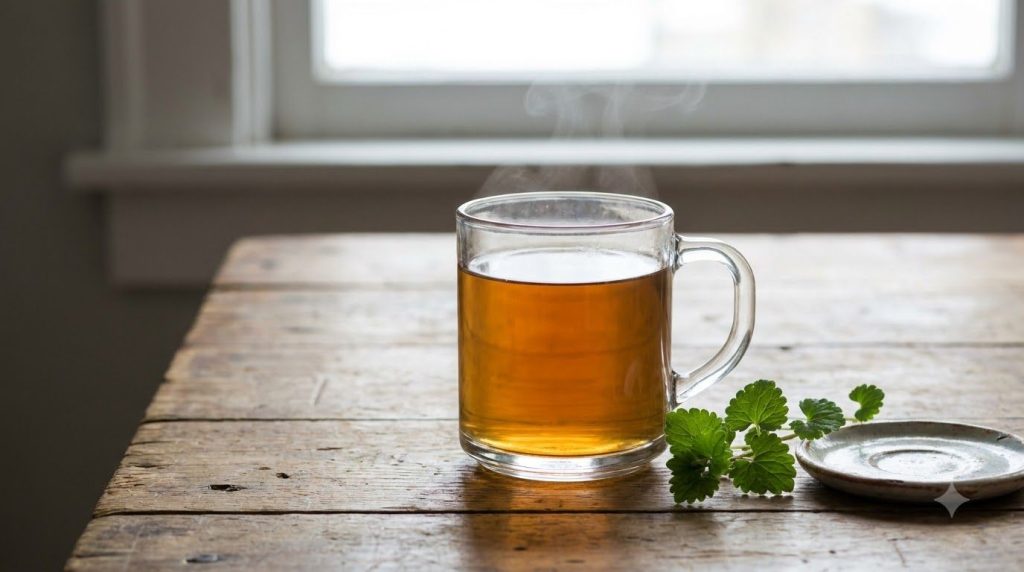 A warm cup of Ground Ivy tea for respiratory comfort.
FAQ
- Can I use fresh or dried Ground Ivy for tea? Both can be used. Fresh is often considered more potent, but dried is more convenient and available year-round. Adjust quantities accordingly.
- How long does Ground Ivy tea last once brewed? It’s best consumed fresh. You can store it in the refrigerator for up to 24 hours, but potency and flavor may diminish.
- Can I reuse the leaves for another batch? While some herbs can be re-steeped, Ground Ivy’s beneficial compounds are largely extracted in the first infusion. Re-steeping will yield a much weaker tea.
- What part of the plant is best to use? The leaves and tender stems are typically used for infusions.
- When should I avoid Ground Ivy? Avoid if pregnant, breastfeeding, or on certain medications. Always consult a doctor if you have underlying health conditions or are unsure.
- Does Ground Ivy have a strong taste? It has a distinct earthy, slightly bitter taste, characteristic of many medicinal herbs. Honey or lemon can be added to temper it.
- Is Ground Ivy toxic? While generally safe for human consumption in tea form when correctly identified, it is considered toxic to horses.
Conclusion
The humble Ground Ivy, often dismissed as a common weed, truly embodies the idea that some of nature’s most valuable helpers are found in unexpected places. With proper identification and preparation, this traditional herb offers a simple, accessible way to support your respiratory well-being naturally. By following these practical steps, you can confidently prepare your own Ground Ivy infusion and tap into centuries of herbal wisdom. Always remember to approach natural remedies with respect, doing your research and consulting healthcare professionals when necessary.