Your Daily 10-15 Minute Core Workout!
Do you want to see better results from your workouts and feel stronger in your daily life? The secret often lies in building a powerful core. A strong core is incredibly important for almost every physical activity you do, from lifting groceries to performing complex exercises at the gym. It’s the central powerhouse of your body, providing stability and support.
Many people associate core workouts solely with achieving visible ‘abs,’ but its benefits extend far beyond aesthetics. A robust core significantly improves your overall strength, enhances balance, and plays a crucial role in protecting your spine. Neglecting core strength can lead to back pain and reduce your effectiveness in other exercises.
Why a Strong Core Matters
Your core muscles include more than just your abdominal muscles. They encompass everything that stabilizes your spine and pelvis, including your obliques, lower back muscles, and glutes. These muscles work together to create a stable base for movement, allowing your limbs to generate power efficiently.
- Improved Stability and Balance: A strong core helps you maintain proper posture and balance, reducing the risk of falls and improving coordination.
- Reduced Back Pain: Strong core muscles support your spine, alleviating pressure on your lower back and helping to prevent and reduce back pain.
- Enhanced Athletic Performance: Whether you’re a runner, swimmer, or weightlifter, a stable core allows you to generate more power and control during movement.
- Easier Daily Movements: Everyday activities like bending, twisting, lifting, and even standing become easier and safer with a well-conditioned core.
Build a Stronger Foundation in Just 10-15 Minutes
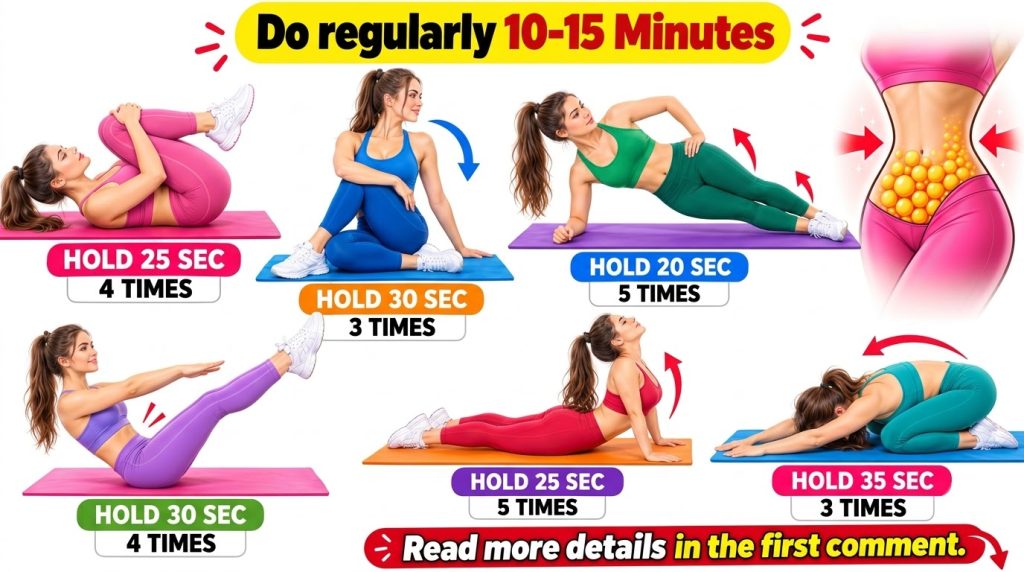
You don’t need to spend hours at the gym to reap the benefits of core training. Spending just 10-15 minutes a few times a week on targeted abdominal and core exercises can seriously improve your overall strength and stability. Consistency is key, and even short, focused sessions can make a significant difference over time.
Effective Core Exercises to Consider
Here are a few examples of exercises that can be incorporated into a quick core routine:
- Plank: This isometric exercise engages your entire core, shoulders, and glutes. Hold for 30-60 seconds, focusing on keeping your body in a straight line.
- Crunches: A classic for targeting the rectus abdominis. Perform 10-15 repetitions with controlled movements.
- Leg Raises: Excellent for working the lower abdominal muscles. Lie on your back and slowly raise and lower your legs, keeping your lower back pressed to the floor. Aim for 10-15 reps.
- Russian Twists: This exercise targets the obliques. Sit with your knees bent, lean back slightly, and twist your torso from side to side, optionally holding a light weight. Perform 10-15 twists per side.
- Bird-Dog: A great exercise for stability and strengthening the lower back and glutes, while engaging the core. Start on all fours and extend opposite arm and leg simultaneously. Hold for a few seconds before returning to the start. Perform 8-10 reps per side.
Remember to listen to your body and start with a duration and number of repetitions that feel comfortable, gradually increasing as your strength improves.
Start Building Your Stronger Core Today!
Incorporating a short core workout into your weekly routine is a powerful step towards a healthier, stronger you. This isn’t just about ‘abs’; it helps protect your back, improves your posture, and makes daily movements easier. If you’re new to core training, consider exploring our other fitness articles for beginner-friendly routines or consult with a certified fitness professional to develop a plan tailored to your needs.
Building a strong foundation will empower you in all aspects of your life. Always consult with a healthcare professional before starting any new exercise program, especially if you have pre-existing health conditions.