Most people see dandelions as stubborn weeds, a nuisance to be eradicated from lawns. But what if the very ‘weed’ you’re fighting is actually a powerhouse of natural benefits, especially its often-discarded leaves? The truth is, the humble dandelion leaf holds a rich history in traditional practices, offering a surprising range of support that many are missing out on. It’s time to look beyond the common perception and understand how this widespread plant can be a valuable addition to your natural wellness routine.
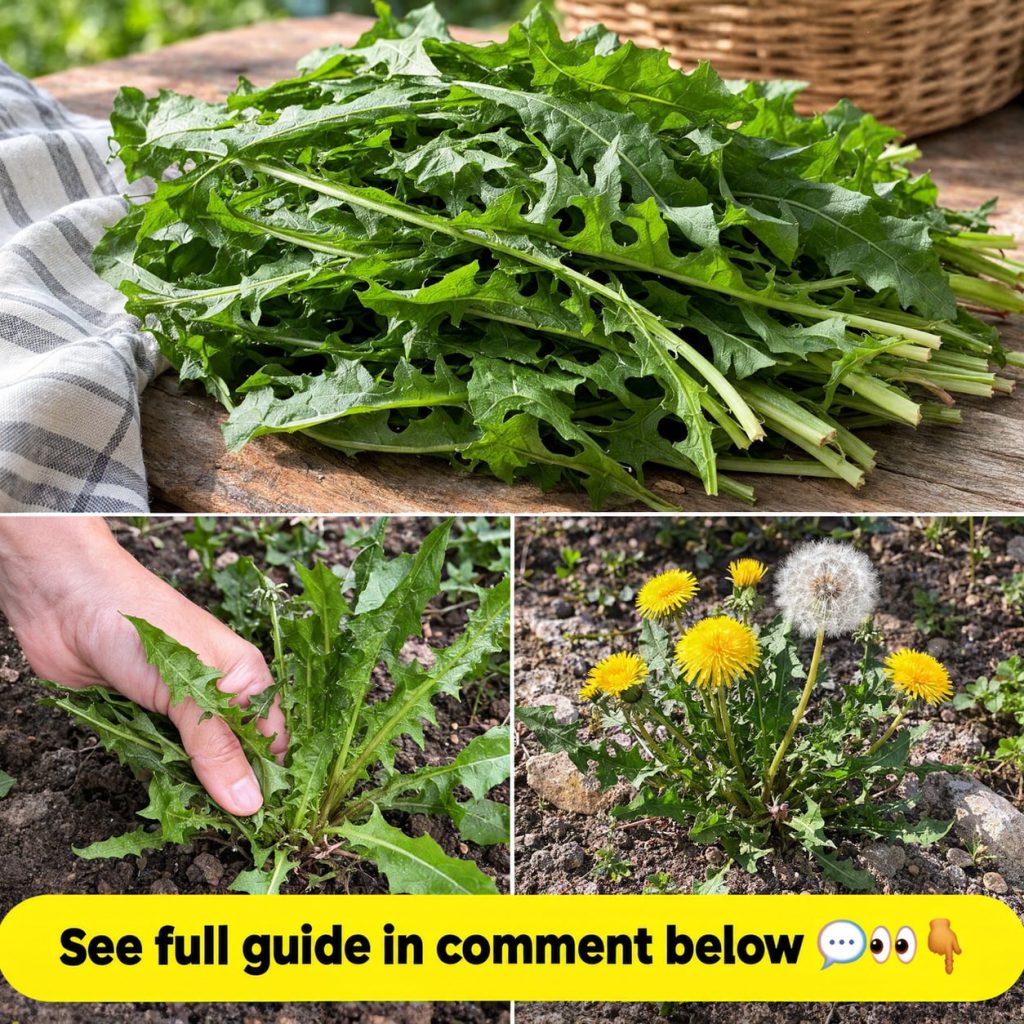
What It Is: The Power of Dandelion Leaves
Dandelion (Taraxacum officinale) is far more than just a yellow flower. Its leaves are rich in vitamins (A, C, K), minerals (iron, calcium, potassium), and potent antioxidants. Unlike the roots, which are known for their detoxifying properties, the leaves are often celebrated for their diuretic qualities and nutritional density. They have a distinct bitter taste, which is a sign of their beneficial compounds.
Ingredients for Dandelion Leaf Tea
To prepare a simple and effective dandelion leaf tea, you only need two primary ingredients:
- Dandelion Leaves: Fresh or dried.
- Water: Filtered is best.
Approximate Measurements
- Fresh Dandelion Leaves: 1-2 tablespoons, chopped.
- Dried Dandelion Leaves: 1 teaspoon.
- Water: 8-10 ounces (about 1 cup).
Formula / Recipe: Dandelion Leaf Infusion
The most common and accessible way to harness the power of dandelion leaves is through a simple hot water infusion, or tea. This method extracts the water-soluble compounds, making them readily available for consumption.
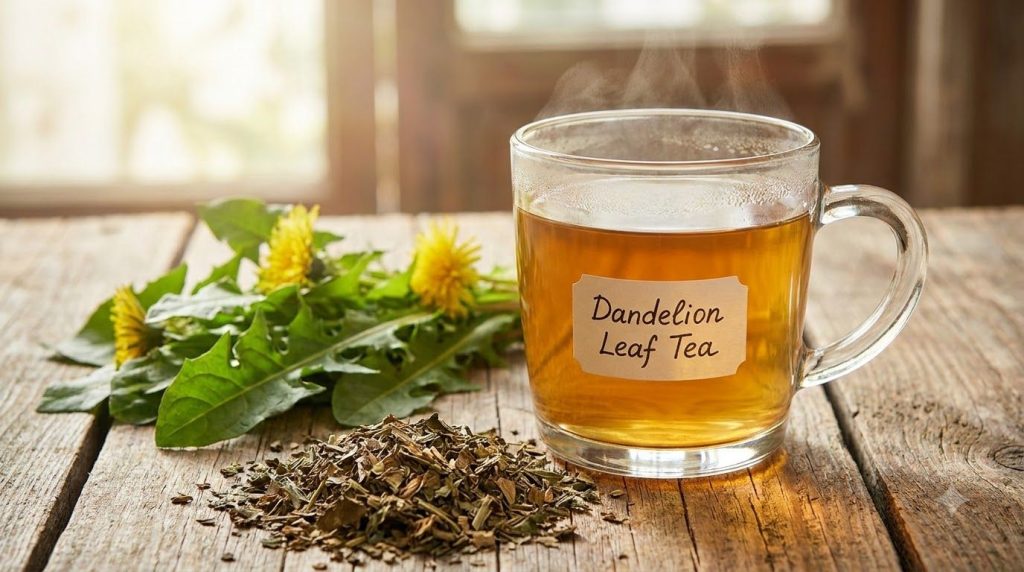
Step-by-Step Method for Dandelion Leaf Tea
- Prepare Leaves: If using fresh leaves, rinse them thoroughly under cold water and chop them finely. If using dried, simply measure them out.
- Heat Water: Bring your filtered water to a rolling boil.
- Combine: Place the chopped fresh leaves or dried leaves into a mug or teapot.
- Pour: Pour the hot water over the dandelion leaves.
- Steep: Cover the mug/teapot to retain heat and volatile oils. Steep for 5-10 minutes. For a stronger brew, steep longer.
- Strain: Strain the leaves out using a fine-mesh sieve or tea infuser.
- Serve: Enjoy your dandelion leaf tea warm. You can add a squeeze of lemon or a touch of honey if the bitterness is too strong for your palate.
How to Use
Dandelion leaf tea is primarily consumed as a beverage. It’s best enjoyed on an empty stomach or between meals to maximize its effects, particularly if you are using it for its natural diuretic properties. Some people also enjoy the fresh leaves in salads, smoothies, or lightly sautéed as a bitter green.
How Often to Use
For general wellness support, drinking 1-2 cups of dandelion leaf tea per day is a good starting point. Listen to your body and adjust as needed. Consistent, moderate use is generally more beneficial than infrequent, high doses.
Quick Tip: If the bitterness of dandelion tea is new to you, start with a shorter steeping time (5 minutes) and gradually increase as your palate adjusts. A slice of orange or a few mint leaves can also help mellow the flavor.
How to Buy / How to Choose Ingredients
The best way to get fresh dandelion leaves is by foraging them yourself, provided you know how to identify them correctly and harvest from an unsprayed area. Look for young, tender leaves in spring and early fall, as they tend to be less bitter. When foraging, ensure the area is free from pesticides, herbicides, and animal waste.
If buying, look for organic dried dandelion leaves from reputable herbal suppliers. Ensure they are vibrant green and free from mold or excessive dust. Fresh dandelion greens can sometimes be found in health food stores or farmers’ markets.
Storage
- Fresh Leaves: Store unwashed fresh leaves in a loose plastic bag in the refrigerator for up to 3-5 days. Wash just before use.
- Dried Leaves: Store dried dandelion leaves in an airtight container away from direct sunlight, heat, and moisture. They can last for up to a year while maintaining potency.
- Prepared Tea: Dandelion leaf tea is best consumed fresh. If you have leftovers, refrigerate them in a sealed container for no more than 24 hours.
Practical Tips
- Culinary Use: Beyond tea, incorporate fresh young dandelion leaves into your diet. Add them to salads, sandwiches, green smoothies, or sauté them with garlic and olive oil for a nutritious side dish. Their bitterness complements rich foods well.
- Combine with Other Herbs: Dandelion leaves can be combined with other complementary herbs like nettle or peppermint for enhanced benefits or improved flavor.
- Foraging Best Practices: Always be 100% sure of your plant identification before consuming. Harvest away from roadsides and industrial areas to avoid pollutants.
Common Mistakes to Avoid
One small preparation mistake can ruin the whole batch or diminish its benefits. Here’s what to look out for:
- Misidentification: Confusing dandelion with similar-looking but potentially toxic plants. Always confirm identification.
- Using Sprayed Plants: Harvesting from lawns or areas treated with pesticides or herbicides. This can introduce harmful chemicals into your remedy.
- Boiling Too Long: While some herbs benefit from extended boiling, for delicate leaves, a gentle steep is usually sufficient to extract compounds without destroying them.
- Improper Storage: Storing fresh leaves wet can lead to mold; dried leaves exposed to air and light lose potency quickly.
- Overdosing on Bitterness: While beneficial, too much bitterness can be off-putting. Start small and gradually increase concentration.
Cautions / Who Should Avoid It
While generally safe for most adults, dandelion leaves are not for everyone. Individuals with allergies to plants in the daisy family (like ragweed, chrysanthemums, marigolds) may experience an allergic reaction. Those with gallstones or bile duct obstruction should consult a healthcare professional before use due to its bile-stimulating effects. As a diuretic, it may interact with diuretic medications or those for blood sugar regulation. Pregnant or breastfeeding individuals should also exercise caution and seek medical advice.
Read more: Natural Diuretics: Beyond Dandelion
Quick Summary: Dandelion Leaf Remedy
For those looking for a quick reference, here’s a snapshot of dandelion leaf usage:
| Best Preparation | Best Use-Case | Storage (Dried) | When to Use | What to Avoid |
|---|---|---|---|---|
| Tea / Infusion | General wellness, mild diuretic support, nutritional boost | Airtight, cool, dark up to 1 year | Daily (1-2 cups) | Sprayed plants, misidentification |
Fresh vs. Dried Dandelion Leaves for Remedies
The choice between fresh and dried leaves often comes down to availability and desired application:
| Feature | Fresh Dandelion Leaves | Dried Dandelion Leaves |
|---|---|---|
| Availability | Seasonal (spring, fall), wild foraging | Year-round, stores |
| Potency | Often more vibrant flavor, specific compounds | Concentrated, longer shelf life |
| Preparation | Salads, smoothies, fresh juices, quick infusions | Teas, tinctures, long-term infusions |
| Storage | Short-term, refrigeration | Long-term, airtight containers, dark, cool place |
| Taste | More bitter, earthy | Milder bitterness in tea form |
FAQ
- Can I use fresh or dried dandelion leaves for tea? Both are effective. Fresh leaves offer a more vibrant, bitter flavor, while dried leaves are convenient year-round.
- How long does dandelion leaf tea last? It’s best consumed immediately. You can refrigerate leftovers for up to 24 hours, but potency may decrease.
- How often should I drink dandelion leaf tea? 1-2 cups daily is generally recommended for consistent support.
- What part of the dandelion is best for tea? For this specific remedy, the leaves are the focus. The roots are used for different purposes.
- Can I reuse the dandelion leaves for another cup of tea? While possible, the potency will be significantly reduced in a second steeping.
- When should I avoid dandelion leaf tea? Avoid if you have allergies to related plants, gallstones, or are pregnant/breastfeeding without medical advice. Consult a doctor if on diuretics or blood sugar medications.
- Does dandelion tea help with water retention? Yes, dandelion leaves are a natural diuretic, which can help support healthy fluid balance.
Continue with: DIY Herbal Tinctures: A Full Guide
Conclusion
The next time you spot a dandelion, remember it’s not just a common plant; it’s a readily available source of wellness. By understanding how to properly identify, harvest, and prepare its leaves, you can easily integrate this ‘overlooked herb’ into your natural remedy toolkit. Embrace the power of the dandelion and discover a simple, yet potent, way to support your daily health.
See the full guide: The Ultimate Foraging Guide for Wild Edibles