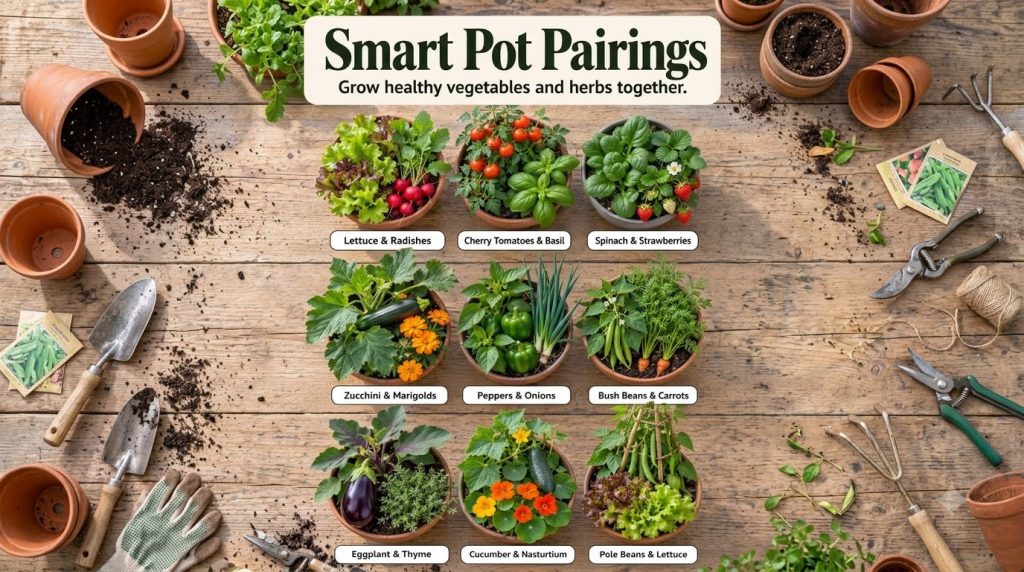
Transforming a small balcony, patio, or even a sunny windowsill into a vibrant, productive garden is a joy that many home gardeners embrace. While container gardening offers incredible flexibility, maximizing your yield and plant health in limited space can feel like a challenge. The secret often lies in understanding how plants interact with each other. This is where the age-old practice of companion planting truly shines, especially when applied to your potted arrangements.
Companion planting, the art of growing specific plants together for mutual benefit, isn’t just for large garden beds. In containers, strategic pairings can enhance flavor, deter pests, attract beneficial insects, improve soil health, and even optimize space. Imagine lusher foliage, more abundant harvests, and a healthier mini-ecosystem right outside your door. Let’s explore some smart pot pairings that can elevate your container gardening experience, making your plants more resilient and your harvests more rewarding.
The Art of Companion Planting in Containers
Companion planting works by creating a synergistic relationship between different plant species. In containers, where resources are limited and proximity is high, these interactions become even more crucial. When choosing companions for your pots, consider factors like similar light, water, and soil needs, as well as the mature size and root systems of both plants. The goal is to create a harmonious environment where each plant thrives without competing excessively.
Benefits of thoughtful pot pairings include:
- Pest Deterrence: Aromatic herbs can confuse pests, while some flowers act as trap crops.
- Attracting Pollinators: Certain blooms draw in bees and butterflies, boosting fruit and vegetable production.
- Soil Improvement: Some plants release beneficial compounds or fix nitrogen.
- Shade and Support: Taller plants can provide sun protection or a natural trellis for climbing companions.
- Flavor Enhancement: Anecdotal evidence suggests some pairings improve the taste of nearby edibles.
Nine Powerful Pot Pairings for Your Garden
Let’s dive into some specific companion planting combinations that work wonderfully in containers, along with practical tips for success.
1. Cherry Tomatoes & Basil
This classic culinary duo is also a fantastic garden pairing. Basil is often said to improve the flavor of tomatoes and can help deter common tomato pests like hornworms and flies. Both plants love full sun and consistent moisture, making them ideal pot mates.
- Hardiness: Annual (grow tomatoes and basil annually)
- Exposure: Full sun (6-8+ hours direct sunlight)
- Pot Size: A large container, 15-20 gallons (or 18-24 inches in diameter), is essential for a productive tomato plant. Plant basil around the base.
- Care Tip: Stake or cage your cherry tomato plant early. Pinch back basil leaves regularly to encourage bushy growth and delay flowering, which improves flavor.
2. Rosemary & Carrots
Rosemary, with its strong aroma, is thought to help deter the carrot rust fly, a common pest that targets carrot roots. While rosemary prefers slightly drier conditions once established, young carrots need consistent moisture, so monitor soil carefully.
- Hardiness: Rosemary: Perennial in USDA Zones 7-10 (often grown as an annual or overwintered indoors elsewhere). Carrots: Annual.
- Exposure: Full sun (6+ hours)
- Pot Size: A deep container, at least 12-18 inches, is crucial for carrots to develop long, straight roots. Plant rosemary in the same or an adjacent pot.
- Care Tip: Ensure excellent drainage for both plants. Water carrots consistently to prevent splitting, but allow the top inch of rosemary soil to dry out between waterings.
3. Lettuce & Mint
Mint’s strong scent can deter slugs and other common lettuce pests. However, mint is famously vigorous and can quickly outcompete other plants if not managed. For container growing, it’s often best to plant mint in its own pot directly adjacent to the lettuce, or in a very large container with a root barrier to prevent it from overwhelming the lettuce.
- Hardiness: Lettuce: Annual. Mint: Perennial in USDA Zones 3-11.
- Exposure: Partial sun (4-6 hours, especially in warmer climates to prevent lettuce from bolting) to full sun for mint.
- Pot Size: Medium containers, 8-10 inches deep for lettuce. Mint should be in its own pot or a very large one with a barrier.
- Care Tip: Keep lettuce consistently moist. Harvest outer lettuce leaves regularly. Frequently trim mint to keep it in check and encourage fresh growth.
4. Strawberries & Marigolds
Marigolds, especially French marigolds (Tagetes patula), are renowned for deterring nematodes and other soil-borne pests that can harm strawberry roots. Their cheerful blooms also attract pollinators, beneficial for strawberry fruit production.
- Hardiness: Strawberries: Perennial in USDA Zones 3-9 (cultivar dependent). Marigolds: Annual.
- Exposure: Full sun (6-8+ hours)
- Pot Size: Wide, shallow containers or strawberry pots work well. Marigolds can be planted in the same pot or adjacent.
- Care Tip: Deadhead spent marigold blooms to encourage continuous flowering. Ensure consistent moisture for strawberries, especially when fruiting.
5. Cabbage & Dill
Dill attracts beneficial insects like ladybugs, predatory wasps, and hoverflies, which are natural predators of cabbage worms and aphids – common pests for brassicas. This pairing offers natural pest management for your container-grown cabbage.
- Hardiness: Both are typically grown as Annuals.
- Exposure: Full sun (6+ hours)
- Pot Size: Cabbage needs a sizable pot, at least 5 gallons per plant. Dill can be tucked into the same pot or a slightly smaller one nearby.
- Care Tip: Keep the soil consistently moist for both. Monitor cabbage for early signs of pests and remove by hand if spotted.
6. Radishes & Nasturtiums
Nasturtiums are often used as a trap crop, meaning aphids and other pests are drawn to them instead of nearby plants like radishes. Both nasturtium flowers and leaves are edible, adding a peppery flavor to salads. This pairing creates a beautiful and functional container display.
- Hardiness: Both are grown as Annuals.
- Exposure: Full sun to partial shade (4-6 hours)
- Pot Size: Shallow, wide containers (at least 6 inches deep) for radishes, with nasturtiums trailing over the edges.
- Care Tip: Harvest radishes promptly when they reach their mature size. If aphids become problematic on nasturtiums, simply remove the affected leaves or hose them off.
7. Potatoes & Thyme
Thyme is believed to deter the Colorado potato beetle and other pests that target potato plants, thanks to its strong aromatic oils. Both appreciate good drainage, though potatoes are heavy feeders and drinkers.
- Hardiness: Potatoes: Annual. Thyme: Perennial in USDA Zones 4-9.
- Exposure: Full sun (6-8+ hours)
- Pot Size: Potatoes require very deep and wide containers, such as specialized grow bags or large barrels (15-20 gallons). Thyme can be planted around the rim.
- Care Tip: As potato plants grow, ‘hill’ them by adding more soil or compost to cover the stems, encouraging more tubers. Thyme tolerates drier conditions once established.
8. Cucumbers & Sunflowers
Sunflowers offer a natural, sturdy trellis for climbing cucumber varieties, providing both physical support and a bit of shade in the hottest part of the day, which cucumbers appreciate. This pairing also creates a visually stunning vertical garden.
- Hardiness: Both are grown as Annuals.
- Exposure: Full sun (8+ hours)
- Pot Size: Extremely large and sturdy containers (20+ gallons or half wine barrels) are necessary to support the mature size of both plants.
- Care Tip: Plant cucumbers at the base of the sunflower, guiding their tendrils to twine around the sunflower stalk. Ensure ample water and nutrients, as both are heavy feeders.
9. Peppers & Oregano
Oregano is said to improve the flavor of bell peppers and can help deter certain pests. Both plants thrive in similar warm, sunny conditions with well-drained soil and consistent moisture, making them excellent companions for your container garden.
- Hardiness: Peppers: Annual (can be perennial in USDA Zones 9+). Oregano: Perennial in USDA Zones 4-10.
- Exposure: Full sun (6-8+ hours)
- Pot Size: Medium to large containers (5-10 gallons) for a pepper plant, with oregano planted at the base or in an adjacent pot.
- Care Tip: Provide consistent watering for peppers, especially when fruiting. Oregano benefits from regular harvesting to maintain its shape and flavor.
Common Container Companion Planting Mistakes to Avoid
Even with the best intentions, some pitfalls can arise when companion planting in pots:
- Mismatched Needs: Pairing plants with drastically different light, water, or nutrient requirements can lead to one plant struggling. Always research both plants’ basic needs.
- Overcrowding: Containers are finite spaces. Ensure each plant has enough room for root development and airflow. Overcrowding can lead to increased pest and disease issues.
- Aggressive Growers: Be cautious with plants known for their vigorous growth, like mint. Always contain them or provide ample space to prevent them from choking out their companions.
- Ignoring Mature Size: What looks small at planting time can quickly become a large plant. Consider the mature height and spread of both plants to avoid one overshadowing the other.
Regional and Seasonal Considerations for U.S. Gardeners
While these pairings are generally effective, remember that growing conditions vary widely across the United States. Your local climate and microclimates will influence success:
- Warm Zones (USDA 9-11): Many

