Are you seeing areas of your skin that are darker than the rest, perhaps sun spots, age spots, or patches after a breakout? Uneven skin tone, often called pigmentation, is a common concern for many of us. While it’s a natural part of our skin’s response to various factors, finding gentle, effective ways to achieve a more balanced complexion is a journey many are interested in.
Today, we’re diving into the world of skin pigmentation, exploring how some everyday ingredients from nature might offer a helping hand, alongside understanding the role of supportive skincare products. Let’s uncover simple ways to encourage a clearer, more radiant glow!
What Exactly is Skin Pigmentation?
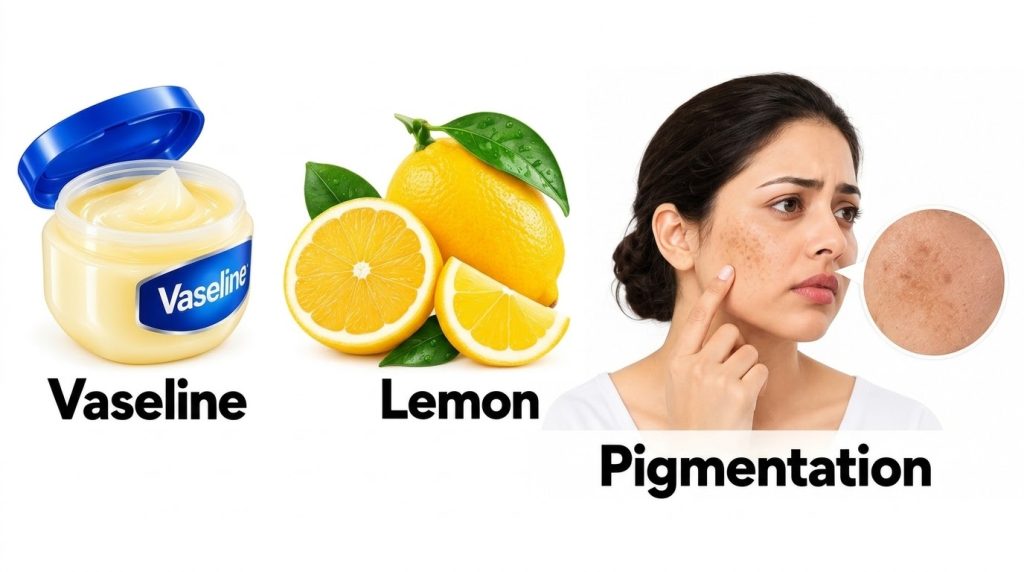
Skin pigmentation refers to the coloring of your skin, which is determined by a pigment called melanin. When your skin produces too much melanin in certain areas, it can lead to dark spots or patches, known as hyperpigmentation. This can be triggered by sun exposure, inflammation (like from acne or eczema), hormonal changes, or even certain medications.
While it’s completely normal, many people seek ways to gently reduce the appearance of these areas and promote a more even skin tone.
Natural Paths to a More Even Tone
Nature offers a bounty of ingredients that have been traditionally used to support healthy skin and a balanced complexion. Here are a few to consider:
Lemon: A Brightening Helper (with Caution!)
Lemon juice is often praised for its natural brightening properties due to its citric acid content, a natural alpha hydroxy acid (AHA). It can help gently exfoliate the top layer of skin, potentially reducing the appearance of dark spots over time.
- How to use it safely: Never apply pure lemon juice directly to your skin, especially before sun exposure, as it can cause irritation and increase sun sensitivity. Instead, dilute it significantly with water or rose water, or incorporate a small amount into a homemade mask with other soothing ingredients. Always perform a patch test first. Using it at night is generally recommended.
Turmeric: The Golden Glow Giver
Turmeric is a powerful spice known for its anti-inflammatory and antioxidant properties. Curcumin, the active compound in turmeric, has been studied for its potential to inhibit melanin production, which could help lighten dark spots and brighten the complexion.
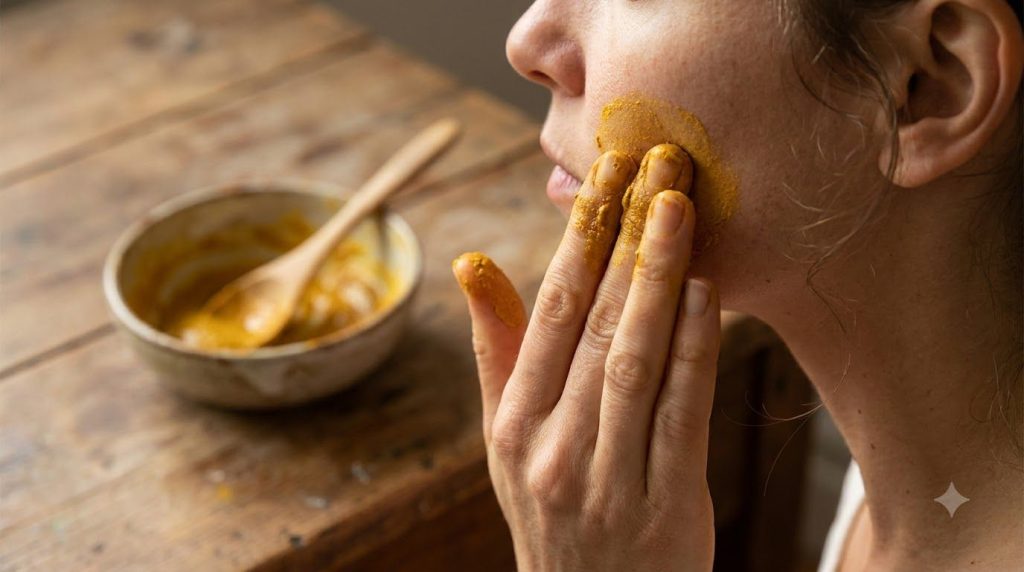
- How to use it: Turmeric is wonderful in face masks! Mix a pinch of organic turmeric powder with honey, yogurt, or aloe vera gel to create a soothing paste. Leave it on for 10-15 minutes before rinsing thoroughly. Be aware that turmeric can temporarily stain skin or clothes a yellow hue, so use it carefully and consider using a small amount initially.
Aloe Vera and Honey: Soothing Support
Both aloe vera and honey are known for their healing and soothing properties. Aloe vera contains compounds that may help with cell regeneration and reduce inflammation, while honey is a natural humectant that draws moisture to the skin and offers mild antibacterial benefits. These can support overall skin health, which is crucial when addressing pigmentation.
The Power of Diet and Hydration
What you put into your body can reflect on your skin. Consuming a diet rich in antioxidants (like Vitamin C and E) from fruits and vegetables can help protect your skin from environmental damage that can lead to pigmentation. Staying well-hydrated is also key for healthy, happy skin!

Supporting Your Skin’s Journey with Hydration
While natural remedies can be wonderful, don’t overlook the fundamental role of maintaining a healthy skin barrier and adequate hydration. A well-hydrated, protected skin barrier is better equipped to heal and respond to natural treatments.
- Moisturizers and Emollients: Products like petroleum jelly (Vaseline) might not directly target pigmentation, but they are excellent at locking in moisture and creating a protective barrier on the skin. This can be particularly beneficial if your skin is dry or compromised, helping it to recover and maintain overall health. Keeping skin hydrated is a vital step in any skincare routine, allowing the skin to function optimally.
Essential Habits for Pigmentation Management
- Sun Protection is Non-Negotiable: The sun’s UV rays are a primary trigger for pigmentation. Daily use of a broad-spectrum sunscreen with SPF 30 or higher, even on cloudy days, is the single most important step in preventing and managing dark spots.
- Gentle Skincare Routine: Avoid harsh scrubbing or irritating products, which can cause inflammation and worsen pigmentation. Opt for gentle cleansers and soothing ingredients.
- Patience and Consistency: Achieving a more even skin tone takes time and consistent effort. Natural remedies, in particular, require patience to show results.
- Patch Test Always: Before applying any new ingredient or mixture to your face, always perform a patch test on a small, inconspicuous area of your skin to check for any adverse reactions.
DIY Brightening Turmeric & Honey Mask
Here’s a simple, soothing mask recipe to try:
Ingredients:
- 1/2 teaspoon organic turmeric powder
- 1 tablespoon raw honey
- 1/2 teaspoon fresh aloe vera gel (from a leaf or pure store-bought)
- A few drops of diluted lemon juice (optional, if you’ve done a patch test and know your skin tolerates it)
Instructions:
- In a small bowl, mix the turmeric powder, honey, and aloe vera gel until a smooth paste forms. If using, add the diluted lemon juice.
- Ensure your face is clean and dry.
- Apply a thin layer of the mask to your face, avoiding the eye area.
- Leave the mask on for 10-15 minutes.
- Rinse thoroughly with lukewarm water, gently massaging in circular motions to help with exfoliation.
- Pat your skin dry and follow with a gentle moisturizer.
Use this mask 1-2 times a week. Remember to always apply sunscreen the next morning, especially if you included lemon juice.
When to Consult a Professional
While natural remedies and healthy habits can make a significant difference, some forms of pigmentation can be stubborn or indicative of underlying issues. If you have concerns about new or changing spots, or if your pigmentation doesn’t respond to home remedies, it’s always a good idea to consult a dermatologist for personalized advice and treatment options.
Embracing Your Skin’s Journey
Addressing skin pigmentation is about more than just aesthetics; it’s about nurturing your skin’s health and embracing a holistic approach to wellness. By combining natural ingredients, supportive skincare habits, and sun protection, you can gently encourage a more even, radiant complexion. Here’s to feeling confident and comfortable in your beautiful skin!