Unearthing Nature’s Wonders: The Olotón Corn Story
In the vast and wondrous world of gardening, we’re constantly amazed by nature’s ingenuity. Sometimes, the most incredible discoveries come from ancient practices and indigenous wisdom. Today, we’re diving deep into a remarkable scientific finding that highlights just that: the incredible Olotón corn from the Sierra Mixe of Oaxaca, Mexico, a variety that literally feeds itself nitrogen from the air!
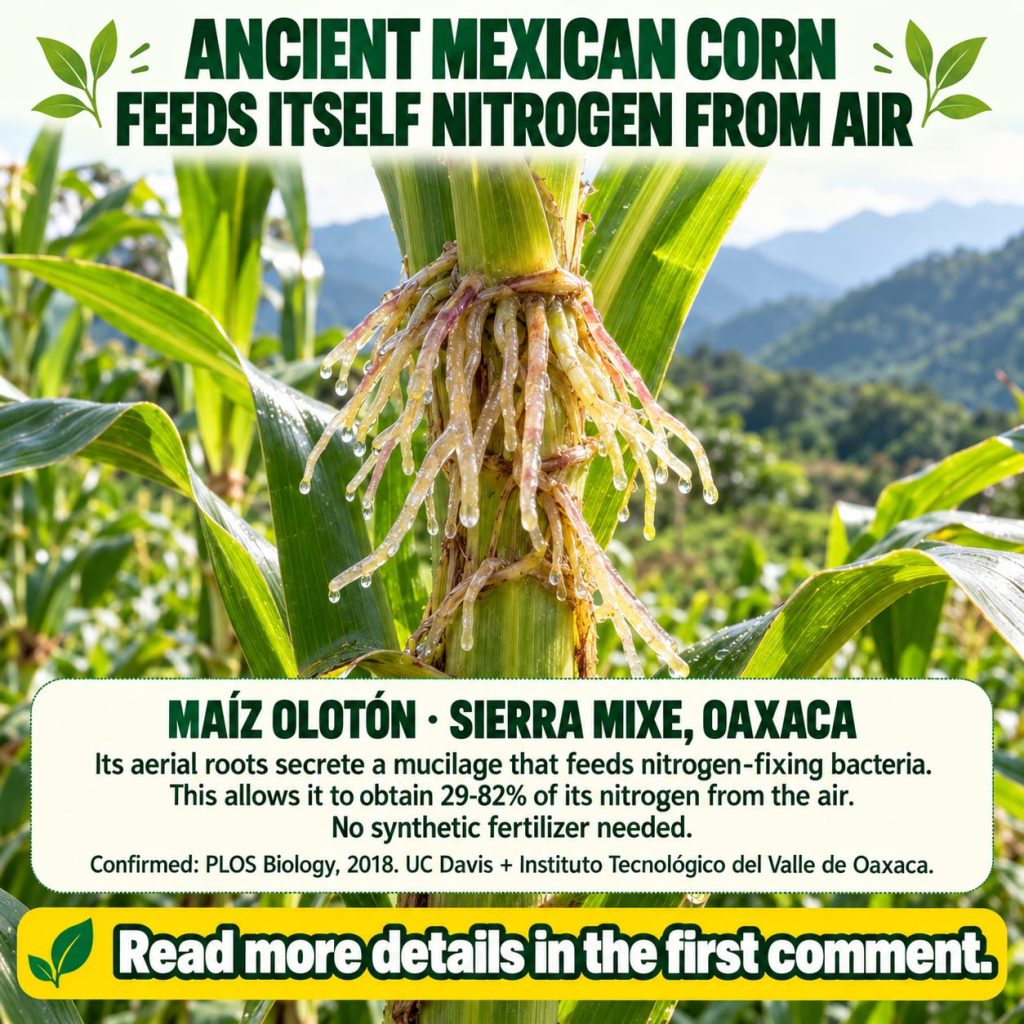
For generations, in the highlands of Oaxaca, at altitudes over 2,000 meters, the Mixe people have cultivated a unique strain of corn. This isn’t just any corn; it’s a living testament to sustainable agriculture, offering a glimpse into how we might grow food with less reliance on synthetic fertilizers.
What is Nitrogen Fixation and Why is it Important?
Before we delve deeper into Olotón corn, let’s understand nitrogen fixation. Nitrogen is a crucial nutrient for plant growth, essential for healthy leaves and strong development. Most plants absorb nitrogen from the soil, often requiring farmers and gardeners to add nitrogen-rich fertilizers. However, certain plants, like legumes (beans, peas), have a symbiotic relationship with bacteria in their roots that can take nitrogen directly from the air (which is about 78% nitrogen gas) and convert it into a form plants can use. This process is called nitrogen fixation.
The exciting news about Olotón corn is that it appears to do something similar, but in a truly unique way for corn!
The Secret of Olotón Corn: Aerial Roots and Mucilage
Scientists have observed that Olotón corn develops prominent aerial roots that dangle from its stalk. These roots are not just for support; they’re covered in a sticky, sugary goo known as mucilage. For a long time, researchers wondered about the purpose of this mucilage. It turns out, this sticky substance is a perfect breeding ground for beneficial bacteria.
These specialized bacteria, thriving in the mucilage, have the extraordinary ability to capture nitrogen gas from the atmosphere and convert it into ammonia, a form of nitrogen that the corn plant can readily absorb. Essentially, the plant is producing its own fertilizer directly from the air, right on its stalk!
Benefits for Gardeners and the Planet
- Reduced Fertilizer Use: For gardeners, this means less reliance on synthetic nitrogen fertilizers, which can be costly and have environmental impacts, such as runoff into waterways.
- Sustainable Gardening: Embracing varieties like Olotón corn promotes more sustainable and eco-friendly gardening practices.
- Improved Soil Health: By reducing the need for chemical inputs, you contribute to healthier soil ecosystems.
- Inspiration for Future Crops: The discovery provides a blueprint for potentially engineering other staple crops to fix their own nitrogen, revolutionizing agriculture worldwide.
Bringing Ancient Wisdom to Your Garden
While Olotón corn is currently a rare and specialized variety, its discovery reminds us of the profound knowledge held by indigenous communities and the endless potential within nature itself. It inspires us to look for more natural and sustainable ways to nurture our gardens.
Imagine a future where your corn plants could largely take care of their own nitrogen needs! This isn’t just a scientific marvel; it’s a hopeful vision for a greener, more self-sufficient approach to growing food. Let’s continue to learn from these incredible plants and the wisdom of those who have cultivated them for centuries. Happy gardening, everyone!