When you look at your garden, do you see just plants, or do you see a bustling ecosystem thriving in harmony? Every choice we make as gardeners, from the seeds we sow to the plants we introduce, has a ripple effect on our local environment. One of the most impactful decisions you can make is choosing between native and invasive plant species. This choice not only shapes the beauty of your garden but also influences the health and sustainability of the broader ecosystem around you.
At Garden – L. Quyên, we believe in empowering you with the knowledge to create a garden that’s not only visually stunning but also environmentally responsible. Let’s dive into why understanding the difference between native and invasive plants is crucial for every gardener!
What Are Native Plants?
Native plants are species that have evolved over thousands of years in a particular region. They are perfectly adapted to the local climate, soil conditions, and rainfall patterns, requiring less intervention from us. Because they are part of the natural heritage of an area, native plants have developed intricate relationships with local wildlife, including pollinators, birds, and beneficial insects, providing essential food and shelter.
What Are Invasive Plants?
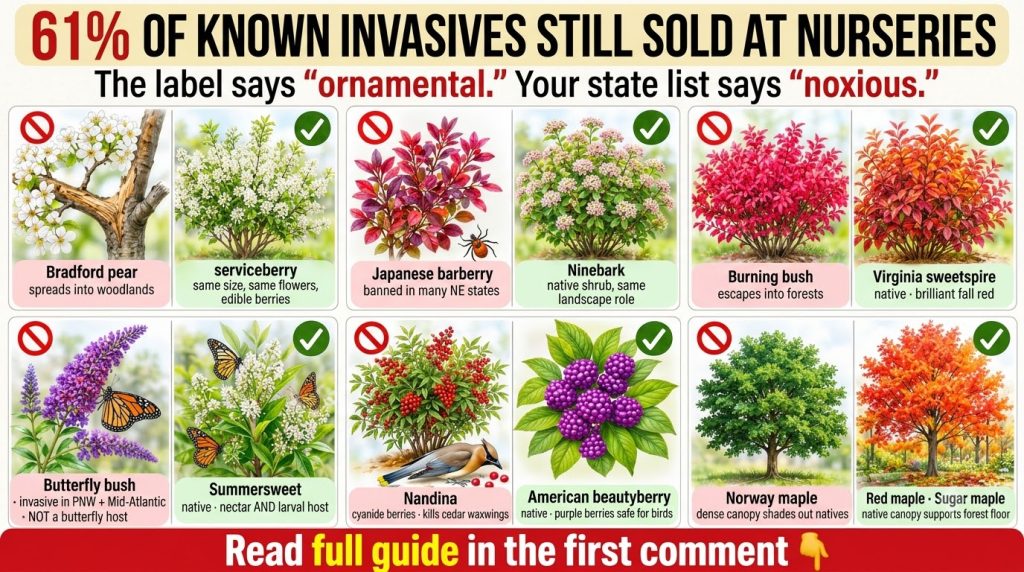
On the flip side, invasive plants are non-native species that have been introduced to an ecosystem and cause ecological or economic harm. These plants are often aggressive growers, spreading rapidly and outcompeting native vegetation for resources like sunlight, water, and nutrients. They lack natural predators or diseases in their new environment, allowing them to proliferate unchecked. The consequences of invasive plants can be severe: they reduce biodiversity, disrupt food webs, alter soil chemistry, and can even change fire regimes.
Why Choose Native? The Abundant Benefits
Opting for native plants in your garden offers a multitude of advantages, making gardening easier and more rewarding:
- Low Maintenance: Since they are adapted to local conditions, native plants typically require less water, fertilizer, and pesticides once established. This saves you time, money, and reduces your environmental footprint.
- Support Local Wildlife: Native plants are crucial food sources and habitats for local pollinators (bees, butterflies), birds, and other beneficial insects. By planting natives, you create a vital refuge and help maintain a balanced ecosystem.
- Increased Resilience: Having evolved alongside local pests and diseases, native plants often have a natural resistance, making them hardier and less prone to problems.
- Preserve Biodiversity: By choosing native species, you help protect the genetic diversity of your local flora and fauna, contributing to the health and stability of natural ecosystems.
Making the Right Choice for Your Garden
Choosing native plants doesn’t mean sacrificing beauty or variety. Many native plants offer stunning blooms, interesting foliage, and seasonal interest that can rival any non-native species. Here’s how you can make a difference:
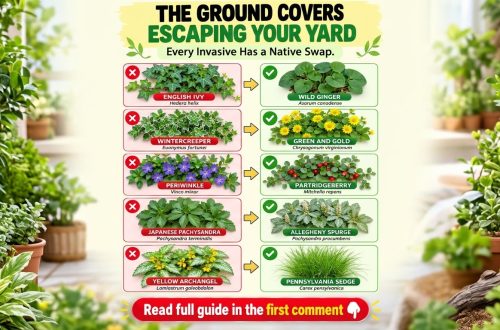
- Educate Yourself: Learn about the native plants in your specific region and identify common invasive species to avoid. Local nurseries, botanical gardens, and extension offices are great resources.
- Start Small: You don’t have to overhaul your entire garden overnight. Start by replacing one or two invasive plants with native alternatives, or dedicate a small section of your garden to native species.
- Ask Questions: When purchasing plants, ask your local garden center if they stock native varieties and if the plants they sell are considered invasive in your area.
- Remove Invasives Safely: If you have invasive plants, research the best methods for removal to ensure they don’t spread further.
Cultivate a Sustainable Oasis
By consciously choosing native plants, you’re not just planting a garden; you’re nurturing a sustainable oasis that supports local wildlife, thrives with less effort, and contributes to the ecological health of your community. Imagine a garden buzzing with native bees, visited by beautiful butterflies, and teeming with life – all thanks to your mindful plant selections. Let’s make every gardening choice a step towards a greener, healthier planet!