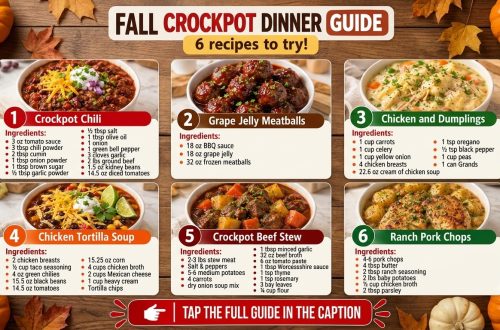
Unlock a world of flavor right in your own kitchen with these six incredibly versatile and easy-to-make Asian sauce recipes! Forget store-bought bottles; crafting your own sauces at home guarantees fresh ingredients, superior taste, and the ability to customize them to your exact preference. Whether you’re whipping up a quick stir-fry, marinating meats, or preparing delectable dumplings, having these essential homemade Asian sauces on hand will elevate your cooking from everyday to extraordinary.
From the savory depth of Hoisin to the sweet and tangy kick of Teriyaki, and the nutty richness of Peanut sauce, each recipe is designed to transform your meals. These sauces are not just for Asian cuisine; they can add an exciting twist to grilled chicken, roasted vegetables, or even simple salads. Get ready to impress your taste buds and simplify your weeknight dinners with these flavorful cooking essentials!
Why You’ll Love These Homemade Asian Sauce Recipes
- Incredibly Flavorful: Fresh ingredients make a huge difference in taste compared to store-bought options.
- Easy & Quick Preparation: Most sauces come together in under 10-15 minutes with minimal effort.
- Simple, Accessible Ingredients: You likely have many of these staples in your pantry already.
- Versatile & Customizable: Perfect for stir-fries, marinades, dipping, dressings, and more. Adjust sweetness, spice, or salt to your liking.
- Cost-Effective: Making sauces at home is often cheaper than buying premium bottled varieties.
- No Unwanted Additives: You control exactly what goes into your food, avoiding preservatives and artificial flavors.
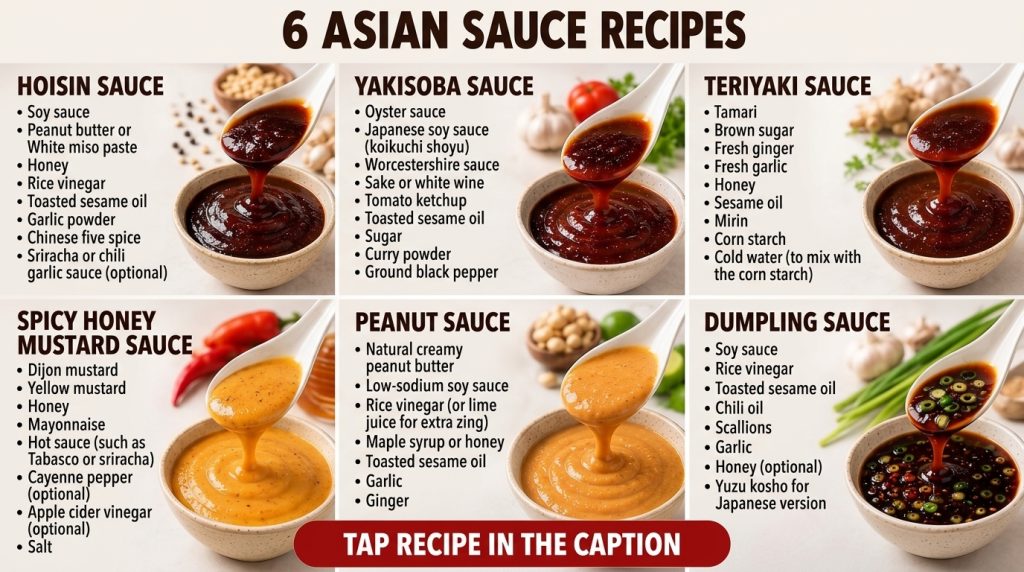
Ingredients for 6 Essential Asian Sauces
Below you’ll find the ingredients needed for each of the six distinct sauces. Feel free to prepare one or all of them!
Hoisin Sauce
- ½ cup (120 ml) tamari or soy sauce
- ¼ cup (60 ml) peanut butter (creamy)
- 2 tbsp (30 ml) rice vinegar
- 2 tbsp (30 ml) honey or maple syrup
- 1 tbsp (15 ml) sesame oil
- 1 clove garlic, minced
- ½ tsp (2.5 ml) Sriracha (optional, for heat)
- ⅛ tsp ground white pepper
Yakisoba Sauce
- 4 tbsp (60 ml) Worcestershire sauce
- 2 tbsp (30 ml) ketchup
- 2 tbsp (30 ml) soy sauce or tamari
- 1 tbsp (15 ml) mirin (or substitute with rice vinegar and a pinch of sugar)
- 1 tbsp (15 ml) granulated sugar
- ½ tsp (2.5 ml) Dijon mustard
- ¼ tsp (1.25 ml) ground ginger
- ⅛ tsp ground black pepper
Teriyaki Sauce
- ½ cup (120 ml) soy sauce or tamari
- ½ cup (120 ml) mirin
- ¼ cup (60 ml) granulated sugar or brown sugar
- 2 tbsp (30 ml) sake (optional, or water)
- 1 clove garlic, minced
- 1 tsp (5 ml) grated fresh ginger
- 1 tbsp (15 ml) cornstarch mixed with 2 tbsp (30 ml) cold water (for thickening)
Spicy Honey Mustard Sauce
- ¼ cup (60 ml) Dijon mustard
- ¼ cup (60 ml) honey
- 1 tbsp (15 ml) rice vinegar
- 1 tbsp (15 ml) soy sauce or tamari
- 1-2 tsp (5-10 ml) Sriracha or chili garlic sauce (adjust to taste)
- 1 tsp (5 ml) sesame oil
Peanut Sauce
- ½ cup (120 g) creamy peanut butter
- ¼ cup (60 ml) warm water (or coconut milk for creaminess)
- 2 tbsp (30 ml) soy sauce or tamari
- 2 tbsp (30 ml) rice vinegar
- 1 tbsp (15 ml) honey or maple syrup
- 1 tbsp (15 ml) sesame oil
- 1 clove garlic, minced
- 1 tsp (5 ml) grated fresh ginger
- ½ tsp (2.5 ml) Sriracha (optional)
Dumpling Dipping Sauce
- ¼ cup (60 ml) soy sauce or tamari
- 2 tbsp (30 ml) rice vinegar
- 1 tbsp (15 ml) sesame oil
- 1 tsp (5 ml) granulated sugar
- 1 clove garlic, minced
- 1 tsp (5 ml) grated fresh ginger
- ½ tsp (2.5 ml) chili flakes or Sriracha (optional, for heat)
- 1 tbsp (15 ml) chopped scallions (for garnish)
Ingredient Notes
- Soy Sauce/Tamari: Use low-sodium options to better control the saltiness. Tamari is a gluten-free alternative that works perfectly.
- Mirin: This Japanese sweet rice wine adds a unique depth. If you don’t have it, a splash of sake with a pinch of sugar, or even rice vinegar with sugar, can be a decent substitute in a pinch, though the flavor will vary slightly.
- Fresh Ginger & Garlic: Always opt for fresh over powdered for the most vibrant flavor.
- Sweeteners: Honey, maple syrup, and granulated sugar are used across various recipes. Feel free to adjust quantities to your preferred sweetness.
- Sriracha/Chili Sauce: These are optional for adding heat. Start with a small amount and increase to your desired spice level.
Equipment You’ll Need
- Small mixing bowls
- Whisk
- Measuring cups and spoons
- Grater (for ginger)
- Garlic press or sharp knife
- Small saucepan (for Teriyaki, if thickening)
How to Make These Essential Asian Sauces
Each sauce is incredibly straightforward to prepare. Here’s how to make them:
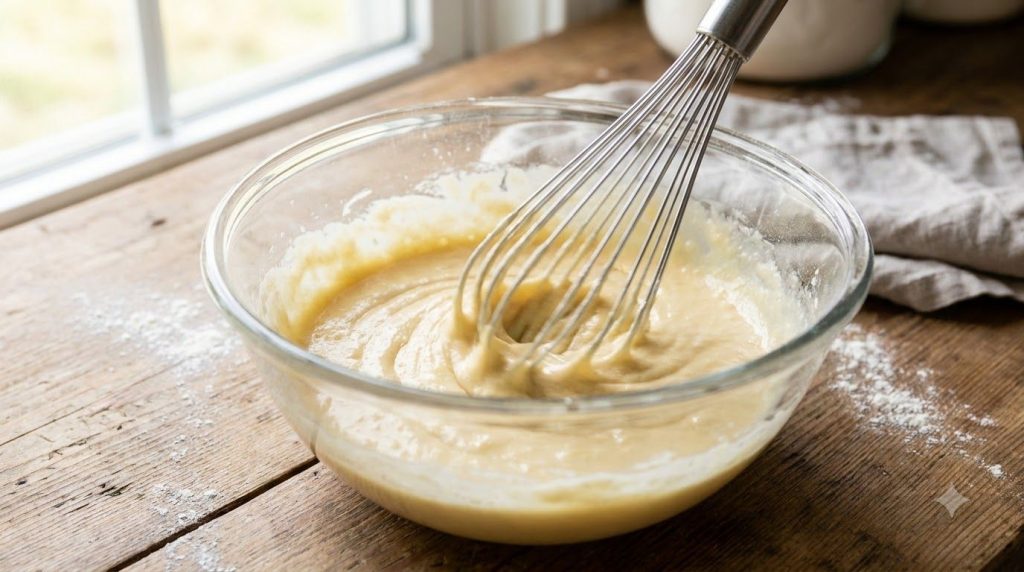
For Hoisin, Spicy Honey Mustard, Peanut, and Dumpling Dipping Sauce:
- Combine Ingredients: In a small mixing bowl, add all the listed ingredients for your chosen sauce (Hoisin, Spicy Honey Mustard, Peanut, or Dumpling Dipping Sauce).
- Whisk Until Smooth: Whisk vigorously until all ingredients are well combined and the mixture is smooth. For peanut sauce, you may need to whisk a bit longer to fully emulsify the peanut butter.
- Taste and Adjust: Sample the sauce and adjust seasonings as needed. You might want more sweetness, a bit more tang, or an extra kick of spice.
- Serve or Store: These sauces are ready to use immediately or can be stored in an airtight container.
For Yakisoba Sauce:
- Combine Ingredients: In a small bowl, combine Worcestershire sauce, ketchup, soy sauce, mirin, granulated sugar, Dijon mustard, ground ginger, and black pepper.
- Whisk Thoroughly: Whisk until the sugar is fully dissolved and all ingredients are evenly incorporated.
- Taste and Adjust: Check the flavor and adjust any elements to your preference.
- Use as Directed: Typically used in Yakisoba noodles, but also great as a glaze or marinade.
For Teriyaki Sauce:
- Combine & Simmer (Initial): In a small saucepan, combine soy sauce, mirin, sugar, sake (if using), minced garlic, and grated ginger. Bring the mixture to a gentle simmer over medium heat, stirring until the sugar dissolves.
- Thicken (Optional): If you prefer a thicker sauce for glazing, create a cornstarch slurry by mixing cornstarch with cold water in a separate small bowl. Pour the slurry into the simmering sauce while whisking constantly. Continue to whisk for 1-2 minutes until the sauce thickens to your desired consistency.
- Cool and Serve: Remove from heat and allow the sauce to cool slightly before using. It will thicken further as it cools.
Pro Tips for the Best Results
- Fresh is Best: Always use fresh garlic and ginger for the most aromatic and potent flavors in your sauces.
- Balance is Key: Asian sauces often balance sweet, salty, sour, and umami. Taste frequently and adjust to achieve your perfect balance.
- Low-Sodium Soy Sauce: Start with low-sodium soy sauce or tamari to prevent your sauces from becoming too salty, giving you more control over the final seasoning.
- Let Flavors Marry: For some sauces, especially those with fresh garlic and ginger, allowing them to sit for at least 30 minutes (or even overnight in the fridge) can help the flavors deepen and meld.
- Proper Thickening (Teriyaki): When thickening Teriyaki sauce with cornstarch, make sure your slurry is smooth and free of lumps before adding it to the hot sauce. Whisk continuously to prevent lumps from forming in the sauce itself.
- Quality Peanut Butter: For peanut sauce, use a good quality, creamy peanut butter. Natural peanut butter (just peanuts and salt) often works best as it has a more intense peanut flavor.
Common Mistakes to Avoid
- Over-Salting: Many Asian staples (soy sauce, tamari) are salty. Add additional salt only after tasting the finished sauce.
- Not Whisking Enough: Lumpy sauces (especially peanut sauce) or undissolved sugar can affect both texture and flavor. Whisk thoroughly until smooth.
- Burning Teriyaki: When simmering Teriyaki, keep the heat at medium-low to prevent scorching the sugar. If thickening, whisk constantly.
- Ignoring Freshness: Using old, dried-out ginger or garlic will result in a less vibrant sauce. Fresh ingredients are worth the effort.
- Adding Cold Slurry to Boiling Sauce (Teriyaki): This can cause the cornstarch to clump. Ensure your sauce is simmering, not at a rolling boil, and whisk vigorously as you slowly pour in the slurry.
Variations & Substitutions
- Spice Level: Easily adjust the Sriracha or chili flakes in any of the sauces to suit your heat preference.
- Sweeteners: Honey, maple syrup, brown sugar, or granulated sugar can often be swapped depending on what you have and your desired flavor profile.
- Gluten-Free: Always use tamari instead of soy sauce to make these recipes gluten-free. Check other ingredient labels (like Worcestershire sauce for Yakisoba) for hidden gluten.
- Peanut-Free: For the Peanut Sauce, you can try using almond butter or sunflower seed butter as an alternative, though the flavor will change significantly.
- Additional Aromatics: Feel free to add a pinch of five-spice powder to Hoisin, or a dash of ginger powder to Yakisoba for extra depth.
- Herbaceous Touches: Fresh cilantro or extra scallions can be a great addition to the Dumpling Dipping Sauce or Peanut Sauce.
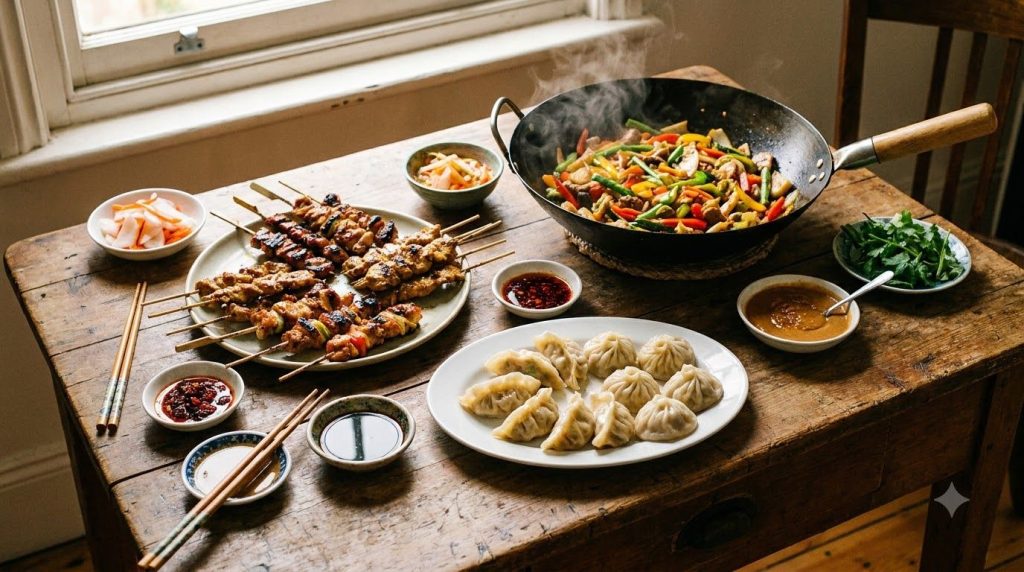
Serving Suggestions
These homemade Asian sauces are incredibly versatile. Here are some ideas:
- Stir-Fries: Hoisin, Yakisoba, and Teriyaki sauces are perfect for coating noodles, vegetables, and proteins in a delicious stir-fry.
- Marinades & Glazes: Teriyaki and Hoisin sauces make excellent marinades for chicken, beef, pork, or tofu before grilling, baking, or pan-frying. They also work beautifully as a glaze during cooking.
- Dipping Sauces: The Dumpling Dipping Sauce is obvious, but Peanut Sauce is fantastic with spring rolls, chicken satay, or even raw vegetables. Spicy Honey Mustard is great for chicken tenders or spring rolls.
- Dressings: Thin out the Peanut Sauce or Spicy Honey Mustard with a little extra water or rice vinegar to create a vibrant salad dressing.
- Sandwiches & Wraps: A dollop of Hoisin or Spicy Honey Mustard can add an exciting twist to your favorite sandwiches and wraps.
Storage & Reheating
Proper storage will help these homemade sauces last longer and maintain their fresh flavor:
- Refrigerator Storage: Store all sauces in an airtight container (like a glass jar with a lid) in the refrigerator.
- Duration: Most of these sauces will last for 1-2 weeks in the refrigerator. Sauces with fresh garlic and ginger tend to be best within a week.
- Freezer Suitability: Peanut sauce can be frozen for up to 1-2 months. Thaw in the refrigerator overnight and whisk well before using. Other sauces are generally best fresh from the fridge.
- Reheating: Most sauces are best served at room temperature or slightly warmed. If a sauce has thickened too much in the fridge (like Teriyaki or Peanut Sauce), you can gently warm it on the stovetop or in the microwave, adding a tiny splash of water to reach your desired consistency.
FAQ
Can I make these sauces ahead of time?
Absolutely! All these sauces can be made ahead of time and stored in the refrigerator, making them perfect for meal prep. The flavors often deepen overnight.
How can I make these sauces thicker or thinner?
To thicken, you can add a cornstarch slurry (1 tsp cornstarch mixed with 2 tsp cold water) and simmer gently, whisking constantly. To thin, add a small amount of water, vegetable broth, or additional rice vinegar, a teaspoon at a time, until you reach your desired consistency.
Are these sauces spicy?
The Spicy Honey Mustard and any sauces with Sriracha or chili flakes are designed to be spicy. However, the spice level is fully customizable; you can omit the hot sauce entirely or add more to taste.
What’s the difference between soy sauce and tamari?
Soy sauce is typically made with wheat and soybeans, while tamari is a gluten-free alternative made primarily with soybeans. They have similar savory, umami flavors, making tamari an excellent substitute for those with gluten sensitivities.
Can I use natural peanut butter for the Peanut Sauce?
Yes, natural creamy peanut butter (with just peanuts and salt) works wonderfully and often yields a richer peanut flavor. You might need to adjust the amount of warm water slightly to achieve the desired consistency as natural peanut butter can be thicker.
How long do homemade Asian sauces last?
Stored in an airtight container in the refrigerator, most of these sauces will last for 1-2 weeks. Always rely on your senses; if it smells or looks off, it’s best to discard it.
Can I double or halve these recipes?
Yes, these recipes are easy to scale up or down. Simply adjust all ingredient quantities proportionally. This is great if you need a large batch for entertaining or just a small amount for a single meal.
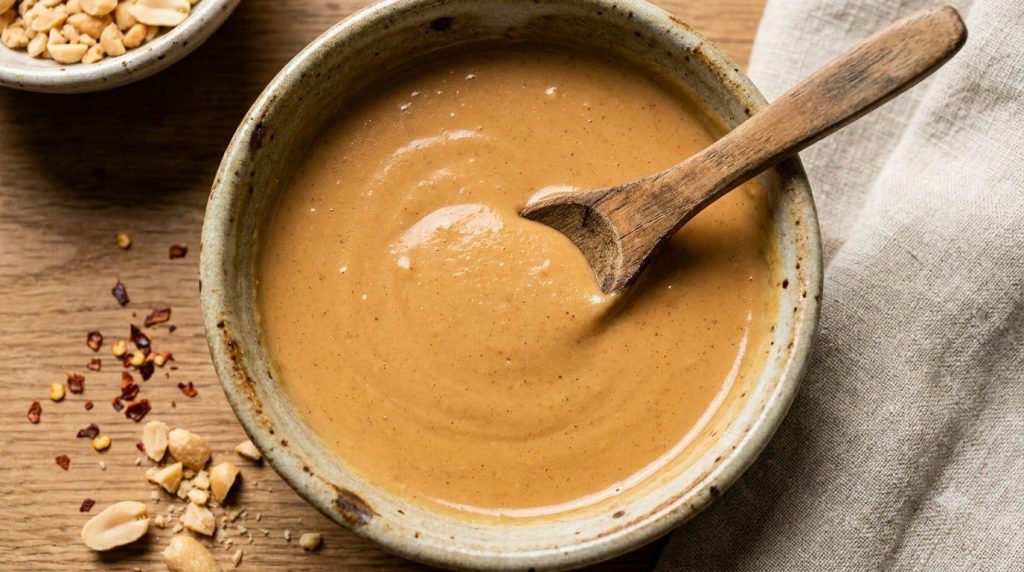
With these six incredible homemade Asian sauces, you’re well on your way to becoming a master of your own kitchen. Enjoy the process of creating these flavorful staples and transforming your everyday meals into something truly special!
Recipe Card
Recipe Name: 6 Essential Homemade Asian Sauces
Short Description: Elevate your home cooking with these six incredibly flavorful and easy-to-make Asian sauce recipes, perfect for stir-fries, marinades, and dipping!
Prep Time: 10-15 minutes
Cook Time: 0-5 minutes (for Teriyaki)
Total Time: 10-20 minutes
Servings: Varies by sauce (yields approximately ½ – 1 cup per sauce)
Course: Condiment, Sauce
Cuisine: Asian
Cooking Method: Whisking, Simmering
Ingredients:
Hoisin Sauce
- ½ cup (120 ml) tamari or soy sauce
- ¼ cup (60 ml) creamy peanut butter
- 2 tbsp (30 ml) rice vinegar
- 2 tbsp (30 ml) honey or maple syrup
- 1 tbsp (15 ml) sesame oil
- 1 clove garlic, minced
- ½ tsp (2.5 ml) Sriracha (optional)
- ⅛ tsp ground white pepper
Yakisoba Sauce
- 4 tbsp (60 ml) Worcestershire sauce
- 2 tbsp (30 ml) ketchup
- 2 tbsp (30 ml) soy sauce or tamari
- 1 tbsp (15 ml) mirin
- 1 tbsp (15 ml) granulated sugar
- ½ tsp (2.5 ml) Dijon mustard
- ¼ tsp (1.25 ml) ground ginger
- ⅛ tsp ground black pepper
Teriyaki Sauce
- ½ cup (120 ml) soy sauce or tamari
- ½ cup (120 ml) mirin
- ¼ cup (60 ml) granulated sugar or brown sugar
- 2 tbsp (30 ml) sake (optional, or water)
- 1 clove garlic, minced
- 1 tsp (5 ml) grated fresh ginger
- 1 tbsp (15 ml) cornstarch mixed with 2 tbsp (30 ml) cold water (for thickening)
Spicy Honey Mustard Sauce
- ¼ cup (60 ml) Dijon mustard
- ¼ cup (60 ml) honey
- 1 tbsp (15 ml) rice vinegar
- 1 tbsp (15 ml) soy sauce or tamari
- 1-2 tsp (5-10 ml) Sriracha or chili garlic sauce (adjust to taste)
- 1 tsp (5 ml) sesame oil
Peanut Sauce
- ½ cup (120 g) creamy peanut butter
- ¼ cup (60 ml) warm water (or coconut milk)
- 2 tbsp (30 ml) soy sauce or tamari
- 2 tbsp (30 ml) rice vinegar
- 1 tbsp (15 ml) honey or maple syrup
- 1 tbsp (15 ml) sesame oil
- 1 clove garlic, minced
- 1 tsp (5 ml) grated fresh ginger
- ½ tsp (2.5 ml) Sriracha (optional)
Dumpling Dipping Sauce
- ¼ cup (60 ml) soy sauce or tamari
- 2 tbsp (30 ml) rice vinegar
- 1 tbsp (15 ml) sesame oil
- 1 tsp (5 ml) granulated sugar
- 1 clove garlic, minced
- 1 tsp (5 ml) grated fresh ginger
- ½ tsp (2.5 ml) chili flakes or Sriracha (optional)
- 1 tbsp (15 ml) chopped scallions (for garnish)
Instructions:
For Hoisin, Spicy Honey Mustard, Peanut, and Dumpling Dipping Sauce:
- In a small mixing bowl, combine all listed ingredients for your chosen sauce.
- Whisk vigorously until all ingredients are well combined and the mixture is smooth.
- Taste and adjust seasonings as needed.
- Serve immediately or store in an airtight container in the refrigerator.
For Yakisoba Sauce:
- In a small bowl, combine all listed ingredients.
- Whisk thoroughly until sugar is dissolved and ingredients are evenly incorporated.
- Taste and adjust to preference. Use as directed for Yakisoba noodles or as a glaze.
For Teriyaki Sauce:
- In a small saucepan, combine soy sauce, mirin, sugar, sake (if using), minced garlic, and grated ginger. Bring to a gentle simmer over medium heat, stirring until sugar dissolves.
- Optional thickening: If desired, create a cornstarch slurry by mixing 1 tbsp cornstarch with 2 tbsp cold water. Pour slurry into simmering sauce while whisking constantly for 1-2 minutes until thickened.
- Remove from heat and let cool slightly before using.
Notes:
- For best flavor, allow sauces with fresh garlic and ginger to sit for at least 30 minutes before serving.
- Always use fresh garlic and ginger for the most vibrant taste.
- Adjust spice and sweetness levels to your personal preference.
Storage:
Store all sauces in an airtight container in the refrigerator for 1-2 weeks. Peanut sauce can be frozen for 1-2 months; thaw in the refrigerator and whisk before use.
Nutrition:
Nutrition information is an estimate and may vary depending on the ingredients and brands used.