Ever wonder how long to boil your favorite ingredients for perfect results? Achieving the ideal texture and maximizing nutrition often comes down to precise timing. Whether you’re whipping up a quick weeknight dinner or meal-prepping for the week, knowing the exact boiling times for different foods can elevate your cooking from good to gourmet.
This guide from Glowra Health is designed to transform your kitchen skills. We’ll delve into the secrets of perfect boiling, ensuring your vegetables are vibrant, your grains are fluffy, and your proteins are tender every single time. Get ready to master your kitchen timings and unlock a world of healthier, more delicious meals.
The Science of Perfect Boiling Times
Boiling might seem straightforward, but a few minutes too long can turn crisp vegetables mushy or dry out delicate proteins, while too little time can leave food undercooked and difficult to digest. Precision in boiling preserves texture, flavor, and crucial nutrients that can be lost with overcooking.
Understanding the right timing helps you achieve optimal taste and nutritional value, making every bite count. This foundation is essential for anyone looking to eat healthier without sacrificing deliciousness.
Your Essential Boiling Time Chart
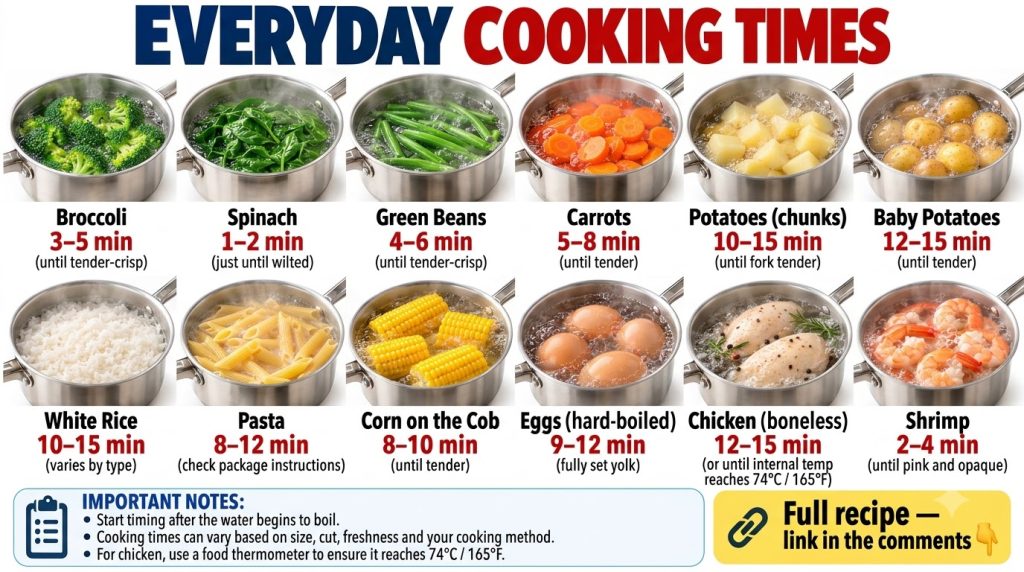
Here’s a quick-reference guide to help you boil common ingredients to perfection. These timings are general guidelines and may vary slightly based on the size, freshness, and desired doneness of your food. Always adjust to your preference!
Boiling Vegetables to Perfection
- Broccoli Florets: 5-7 minutes for tender-crisp.
- Green Beans: 4-6 minutes for tender-crisp.
- Diced Carrots: 8-10 minutes for tender.
- Small Potatoes (quartered): 15-20 minutes for fork-tender.
- Sweet Potatoes (cubed): 10-15 minutes for tender.
- Corn on the Cob: 5-7 minutes for tender kernels.
Grains & Legumes: Timing is Key
- White Rice (long grain): 18-20 minutes. Use a 1:2 ratio of rice to water, bring to a boil, then cover and simmer until water is absorbed.
- Quinoa: 15 minutes. Use a 1:2 ratio of quinoa to water, bring to a boil, then cover and simmer until water is absorbed.
- Lentils (green/brown): 20-25 minutes for tender but not mushy.
Proteins: Cooked Just Right
- Hard-Boiled Eggs: 10-12 minutes for a firm yolk.
- Chicken Breast (diced, for salads): 10-15 minutes, depending on thickness. Ensure internal temperature reaches 165°F (74°C).
- Pasta (Penne/Rotini): 8-12 minutes. Refer to package directions for ‘al dente’ doneness.
Important Boiling Notes for Success
Beyond just the clock, a few techniques can significantly improve your boiling outcomes:
- Water Level: Always use enough water to fully submerge your food. For pasta, generous water prevents sticking.
- Salt: A pinch of salt in the boiling water enhances flavor, especially for vegetables and pasta. It also slightly raises the boiling point, helping to cook food more evenly.
- Heat Control: Bring water to a rolling boil before adding food, then reduce heat to a simmer if needed, especially for delicate items.
- Freshness Matters: Fresher ingredients generally cook faster and retain more nutrients.
- Covering the Pot: Covering the pot can speed up the boiling process and maintain a consistent temperature, but for green vegetables, leaving it uncovered helps retain their vibrant color.
- Chilling: For items like hard-boiled eggs, plunging them into an ice bath immediately after boiling stops the cooking process and makes them easier to peel.
Transform Your Meals: Applying Perfect Boiling Times
Knowing these timings is just the first step; applying them to create delicious, healthy meals is where the magic happens. Consider incorporating perfectly boiled ingredients into a vibrant meal prep bowl or a quick, nutritious breakfast.
Recipe: Speedy Mediterranean Quinoa Bowl
This recipe utilizes several perfectly boiled ingredients for a balanced, flavorful meal.
Servings: 2
Prep time: 10 minutes
Cook time: 20 minutes
Ingredients:
- 1 cup quinoa, rinsed
- 2 cups water
- 1/2 cup green beans, trimmed
- 1 cup broccoli florets
- 2 large eggs
- 1/4 cup cherry tomatoes, halved
- 1/4 cup cucumber, diced
- 2 tablespoons feta cheese, crumbled
- 1 tablespoon olive oil
- 1 tablespoon lemon juice
- Salt and black pepper to taste
Instructions:
- Cook Quinoa: Combine rinsed quinoa and water in a medium saucepan. Bring to a boil, then reduce heat to low, cover, and simmer for 15 minutes, or until water is absorbed. Fluff with a fork and set aside.
- Boil Vegetables: While quinoa cooks, bring a pot of salted water to a rolling boil. Add green beans and broccoli florets. Boil for 5-7 minutes for tender-crisp, then immediately transfer to an ice bath to stop cooking and preserve color. Drain well.
- Boil Eggs: In a separate small pot, bring water to a boil. Gently lower eggs into the boiling water. Boil for 10-12 minutes for hard-boiled. Once done, transfer to an ice bath for a few minutes, then peel and halve.
- Assemble Bowls: Divide the cooked quinoa between two bowls. Top with green beans, broccoli, cherry tomatoes, cucumber, and halved hard-boiled eggs.
- Dress: Drizzle with olive oil and lemon juice. Season with salt and pepper to taste, and sprinkle with feta cheese. Serve immediately.
FAQs About Boiling & Cooking Timings
How can I make sure my vegetables are tender-crisp and not soggy?
To achieve tender-crisp vegetables, boil them in generously salted, rapidly boiling water for the recommended short duration (e.g., 5-7 minutes for broccoli). Immediately transfer them to an ice bath after cooking to halt the cooking process and preserve their vibrant color and crisp texture.
What is ‘al dente’ and why is it important for pasta?
‘Al dente’ means ‘to the tooth’ in Italian, referring to pasta that is cooked firm but still tender when bitten. This texture is preferred for taste and also contributes to a lower glycemic index compared to overcooked, mushy pasta.
Can I boil frozen vegetables? Do the timings change?
Yes, you can boil frozen vegetables. They typically cook faster than fresh vegetables because they are often blanched before freezing. Reduce the boiling time by a few minutes compared to fresh, checking for tenderness frequently.
Why do some recipes recommend starting eggs in cold water for boiling?
Starting eggs in cold water, then bringing them to a boil, can help prevent cracking and make them easier to peel by allowing the egg white to set more gradually. However, for precise timing, many chefs prefer starting in already boiling water for more consistent results.
Final Thoughts
Mastering boiling times is a fundamental skill that significantly impacts the quality and nutritional value of your meals. By paying attention to these simple guidelines and tips, you can transform everyday ingredients into perfectly cooked, delicious, and healthier dishes. Experiment with these timings, and don’t hesitate to adjust them to your personal taste. Your journey to more mindful and flavorful cooking starts now!