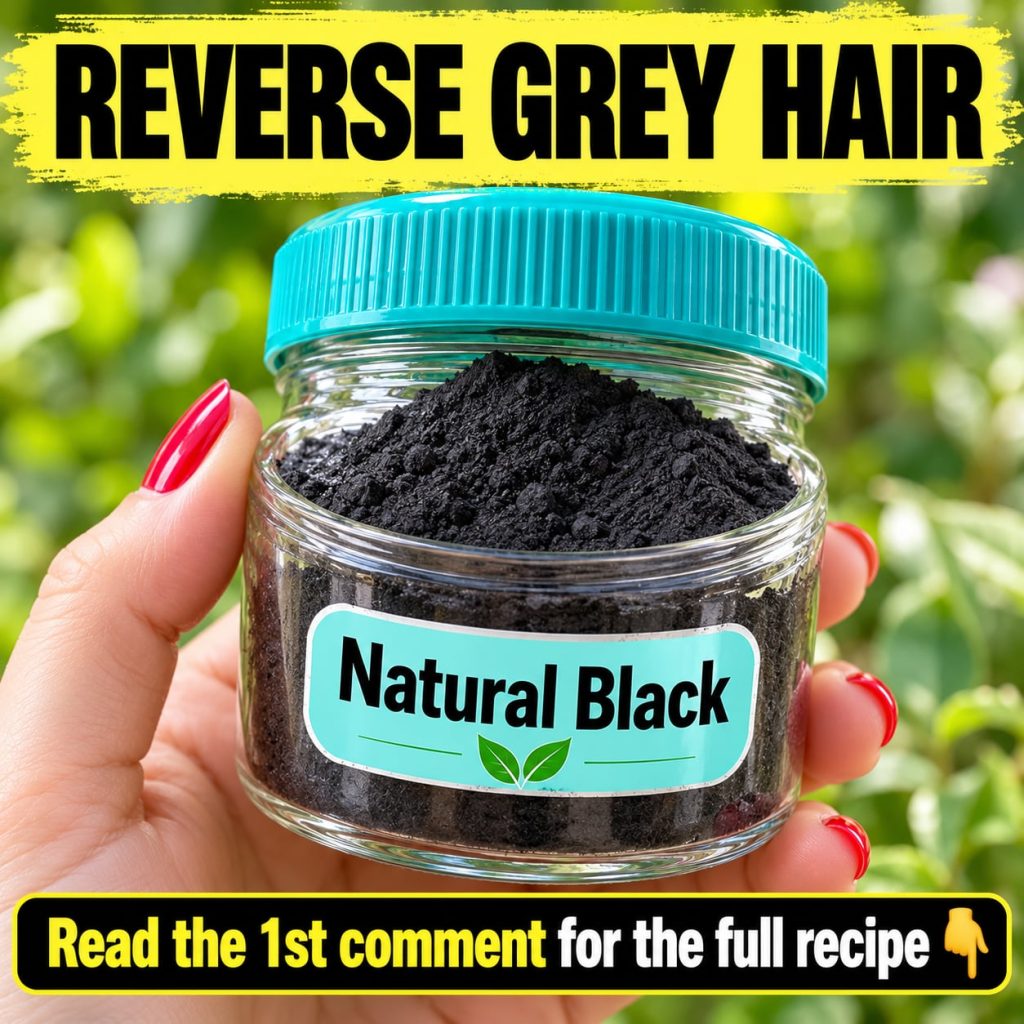
Are you seeing more and more silver strands peeking through? If you’re like many people, the appearance of white or grey hair can be a noticeable change. While it’s a natural part of aging, a popular beauty routine using a special ‘black powder’ has been making waves online, with many claiming it helps turn white hair back to black. Let’s explore what this buzz is all about and if it could be a favorite in your DIY beauty routine!
The Buzz Around ‘Black Powder’ for Hair
In the world of DIY beauty, natural ingredients are often explored for their potential benefits, and hair coloring is no exception. The idea of a ‘black powder’ often refers to various natural substances that people use to achieve a darker hair shade. These aren’t typically chemical dyes, but rather ingredients like specific herbs, plant extracts, or even certain food-grade powders known for their darkening properties.
It’s important to understand that while these methods are popular in DIY circles, their effectiveness can vary greatly from person to person, and they are generally not permanent solutions like synthetic dyes. Instead, people often use them for a gradual darkening effect or to add a darker tint to their hair.
What Natural Ingredients Are People Using?
When people talk about natural ‘black powders’ for hair, they might be referring to a few common ingredients:
- Indigo Powder: Often used in combination with henna, indigo powder is derived from the indigo plant and can impart a blue-black shade to hair, especially when applied over hair previously treated with henna.
- Coffee or Black Tea: Strong brews of coffee or black tea are sometimes used as rinses to temporarily stain hair darker and add shine.
- Amla Powder (Indian Gooseberry): While not directly a ‘black’ powder, amla is rich in antioxidants and is often used in Ayurvedic hair care, believed by some to help maintain natural hair color and prevent premature greying. It’s often combined with other darkening agents.
- Henna: While typically red-orange, certain blends of henna (often mixed with indigo) are marketed to achieve darker, even black, hair shades.
These ingredients are usually mixed with water or other natural liquids to form a paste or rinse, which is then applied to the hair.
How People Prepare and Use These DIY Hair Darkeners
The method for applying these natural hair darkening treatments can vary, but here’s a general idea of how people approach it:
- Preparation: The chosen ‘black powder’ (e.g., indigo, a blend) is typically mixed with warm water to create a thick, smooth paste. Some recipes might include other ingredients like apple cider vinegar or essential oils.
- Application: The paste is then applied evenly to clean, dry hair, often starting from the roots and working down to the ends. Many focus on areas with more grey hair.
- Waiting Time: Depending on the desired intensity and the specific ingredients, the paste is left on the hair for several hours, sometimes even overnight, covered with a shower cap to keep it moist.
- Rinsing: After the waiting period, the hair is thoroughly rinsed with plain water until all the paste is removed. Some people avoid shampooing for the first 24-48 hours to allow the color to set.
- Repeat: Because natural dyes tend to fade, this routine often needs to be repeated regularly to maintain the desired color.
Remember, always perform a patch test on a small section of skin and hair first to check for any allergic reactions or unexpected color results.
Before You Try This: Important Considerations
While natural remedies are appealing, it’s crucial to have realistic expectations:
- Not a Permanent Fix: Natural darkening methods typically offer temporary or semi-permanent results. They tint the outer layer of the hair rather than chemically altering its structure.
- Results Vary: The exact shade achieved can depend on your natural hair color, hair texture, and how consistently you use the treatment. White hair, which lacks pigment, can be harder to color uniformly.
- Potential for Staining: Be mindful that these natural ingredients can stain skin, clothing, and surfaces, so take precautions during application.
- Hair Health: Many natural ingredients are also believed to condition hair, but it’s always good to ensure your chosen method doesn’t inadvertently dry out or damage your hair.
Embracing Your Natural Beauty
Exploring DIY beauty solutions for hair is a wonderful way to connect with natural ingredients and take a hands-on approach to your self-care routine. While the idea of a ‘black powder’ turning white hair completely black is a popular notion, these natural methods are more about gently tinting and enriching your hair’s appearance. They offer a softer, often more gradual, approach to hair darkening compared to chemical dyes.
Whether you choose to embrace your silver strands or experiment with natural ways to darken them, the goal is always to feel good and confident in your own skin and hair. What natural hair remedies have you tried that you loved?