As the chill of winter slowly fades, March arrives, bringing with it the promise of new growth and a vibrant garden. This month is a pivotal time for gardeners, as it sets the stage for a healthy and abundant season ahead. Instead of reacting to problems later, proactive preventative care in March can make all the difference, helping your plants thrive naturally.
Why Preventative Care is Crucial in March
March is often called the ‘waking month’ for gardens. The soil begins to warm, dormant buds swell, and the first signs of green emerge. This early activity also means that pests and diseases, which have been dormant, start to become active. By implementing natural preventative treatments now, you can:
- Build Stronger Plants: Healthy plants with robust immune systems are naturally more resistant to issues.
- Reduce Pest and Disease Pressure: Catching problems early or preventing them altogether saves you a lot of effort later in the season.
- Boost Soil Health: Good soil is the foundation of a healthy garden, and March is the perfect time to enrich it.
- Save Time and Effort: A little preventative work now can prevent major headaches and more intensive treatments later.
Essential Natural Preventative Treatments for Your March Garden
1. Early Pruning for Fruit Trees and Roses
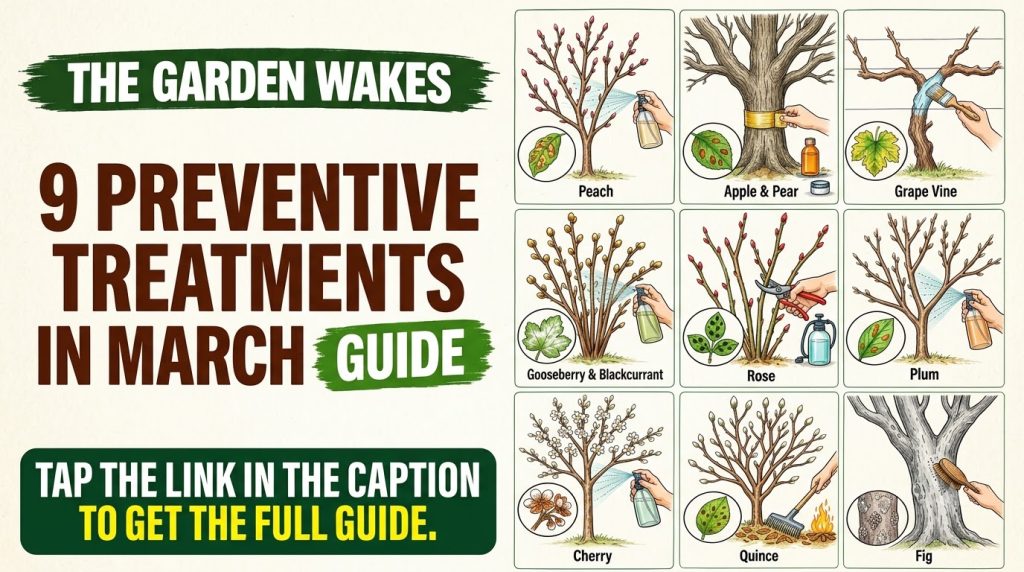
For many fruit trees like peaches, plums, and figs, and most roses, late winter to early spring (March) is an ideal time for dormant pruning. This helps remove dead, damaged, or diseased branches, improves air circulation, and encourages better fruit or flower production. Always use clean, sharp pruners to avoid spreading diseases.
2. Enrich Your Soil with Organic Matter
The health of your plants begins with the health of your soil. Before new growth truly takes off, amend your garden beds with a generous layer of compost or well-rotted manure. This improves soil structure, drainage, and provides a slow-release source of nutrients, creating a thriving environment for roots.
3. Tackle Weeds Before They Take Over
Early spring weeds are often small and easier to remove. Get a head start by pulling them manually or using a hoe. Mulching after weeding can also help suppress future weed growth, saving you countless hours later.
4. Scout for Early Signs of Pests and Diseases
Take time to inspect your plants closely. Look under leaves, along stems, and in crevices for any overwintering pests like aphid eggs, scale insects, or the first signs of fungal issues. Early detection means you can address them with natural solutions like neem oil or insecticidal soap before they become widespread problems.
5. Sanitize Your Gardening Tools
Before you start your spring chores, make sure all your gardening tools are clean and sterilized. This simple step prevents the spread of diseases from one plant to another. A solution of 1 part bleach to 9 parts water or rubbing alcohol works well for cleaning pruners and other tools.
6. Ensure Good Air Circulation
Fungal diseases thrive in damp, stagnant air. As your plants begin to leaf out, ensure they have adequate spacing. For dense shrubs or perennials, consider some light thinning if necessary to improve airflow. This is especially important for plants prone to powdery mildew or black spot.
7. Start Seeds Indoors
For many vegetables and flowers, March is the perfect time to start seeds indoors. This gives them a head start, ensuring stronger seedlings ready for transplanting when outdoor conditions are ideal. Provide adequate light and consistent moisture for the best results.
8. Protect New Shoots from Pests
As tender new shoots emerge, they can be particularly attractive to slugs and snails. Consider natural barriers like diatomaceous earth (apply when dry), copper tape, or even creating beer traps to protect your vulnerable young plants.
9. Apply a Fresh Layer of Mulch
Once your garden beds are clean and amended, apply a fresh layer of organic mulch (like straw, wood chips, or shredded leaves). Mulch helps retain soil moisture, regulate soil temperature, and provides a barrier against new weed growth. It also slowly breaks down, adding more organic matter to your soil.
Embrace the Season!
March is a month of exciting possibilities in the garden. By dedicating a little time to these natural preventative treatments, you’re not just gardening; you’re investing in a season of beauty, health, and abundance. Your plants (and your future self!) will thank you for it.
What are your go-to preventative treatments for March? Share your tips and experiences in the comments below! Happy gardening!