Tired of bland chicken? Imagine infusing every bite with vibrant, custom-crafted flavor that perfectly complements your meal. Making your own homemade chicken seasoning blends is a game-changer, allowing you to control the quality of ingredients, adjust spice levels, and avoid unwanted additives found in store-bought options. This guide will walk you through creating several delicious, versatile blends that will transform your everyday chicken into something truly special.
From savory and aromatic to zesty or spicy, these blends are perfect for roasting, grilling, baking, or pan-frying any cut of chicken, whether it’s breasts, thighs, wings, or a whole bird. Get ready to impress your taste buds and simplify your weeknight cooking!
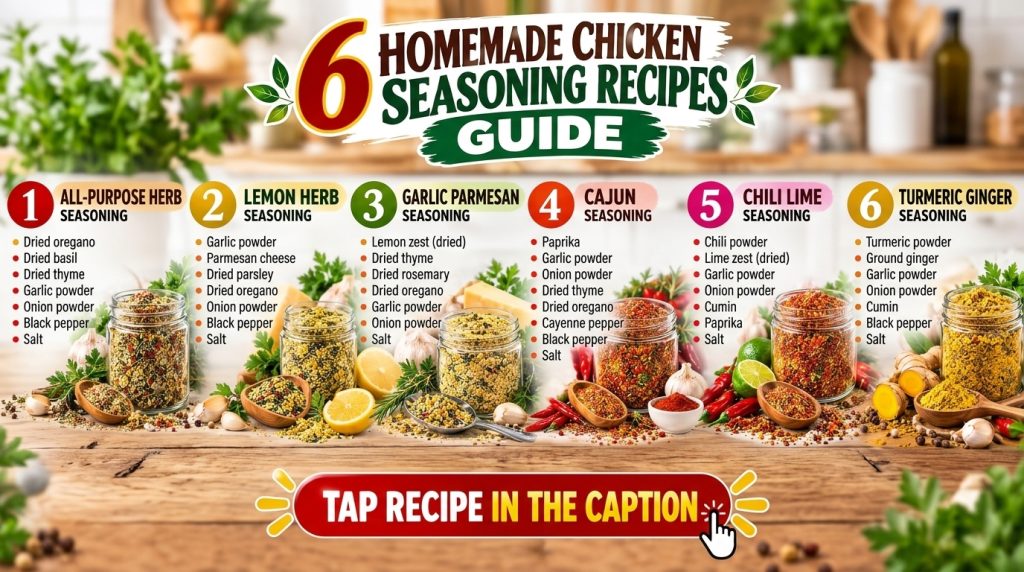
Why You’ll Love These Homemade Chicken Seasoning Blends
- Unmatched Flavor: Freshly ground and mixed spices deliver a potency that store-bought blends often lack.
- Customizable: Easily adjust salt, heat, and herb ratios to suit your personal preference or dietary needs.
- No Additives: Say goodbye to anti-caking agents, excessive sodium, or artificial flavors. You control every ingredient.
- Economical: Buying individual spices in bulk and blending them yourself is often more cost-effective in the long run.
- Versatile: These blends work beautifully on all cuts of chicken and can even be adapted for other proteins or vegetables.
- Quick & Easy: Whipping up a batch takes mere minutes, providing delicious flavor on demand.
Ingredients for Your Homemade Chicken Seasoning Blends
Here are a few popular and versatile chicken seasoning blends to get you started. Each recipe yields about 1/2 cup (approximately 80-100 g) of seasoning.
1. Classic All-Purpose Chicken Seasoning
- 2 tablespoons (30 ml) paprika
- 1 tablespoon (15 ml) garlic powder
- 1 tablespoon (15 ml) onion powder
- 1 tablespoon (15 ml) dried oregano
- 1 tablespoon (15 ml) dried thyme
- 1 teaspoon (5 ml) black pepper, freshly ground
- 1 teaspoon (5 ml) salt (adjust to taste)
- 1/2 teaspoon (2.5 ml) cayenne pepper (optional, for a hint of heat)
2. Zesty Lemon Herb Chicken Seasoning
- 2 tablespoons (30 ml) dried parsley
- 1 tablespoon (15 ml) dried dill
- 1 tablespoon (15 ml) garlic powder
- 1 tablespoon (15 ml) dried lemon zest (ensure it’s completely dry if making your own)
- 1 teaspoon (5 ml) black pepper, freshly ground
- 1 teaspoon (5 ml) salt (adjust to taste)
3. Spicy Southwest Chicken Seasoning
- 2 tablespoons (30 ml) chili powder
- 1 tablespoon (15 ml) ground cumin
- 1 tablespoon (15 ml) smoked paprika
- 1 tablespoon (15 ml) garlic powder
- 1 tablespoon (15 ml) onion powder
- 1 teaspoon (5 ml) dried oregano
- 1 teaspoon (5 ml) salt (adjust to taste)
- 1 teaspoon (5 ml) cayenne pepper
4. Mediterranean Chicken Seasoning
- 2 tablespoons (30 ml) dried oregano
- 1 tablespoon (15 ml) dried basil
- 1 tablespoon (15 ml) garlic powder
- 1 tablespoon (15 ml) dried mint
- 1 teaspoon (5 ml) black pepper, freshly ground
- 1 teaspoon (5 ml) salt (adjust to taste)
- 1/2 teaspoon (2.5 ml) onion powder
- 1/4 teaspoon (1.25 ml) ground cinnamon (optional, for warmth)
Ingredient Notes
- Fresh vs. Dried Spices: For shelf-stable seasoning blends, always use dried herbs and ground spices. If you use fresh herbs or zest, the blend must be used immediately or dehydrated first.
- Salt: The amount of salt can be adjusted based on your preference. If you’re using the seasoning as a rub, you might want a bit more. For everyday sprinkling, less might be better.
- Paprika: Regular paprika adds color and mild flavor, while smoked paprika offers a deeper, more robust, smoky taste. Both are excellent for chicken.
- Cayenne Pepper: This is your heat control. Add more for extra kick, or omit if you prefer a milder flavor.
- Dried Lemon Zest: You can buy dried lemon peel or zest, or dry your own by thinly grating lemon zest and spreading it on a baking sheet to dry completely in a low oven or dehydrator. Ensure it’s bone dry before adding to your mix.
Equipment You’ll Need
- Small mixing bowl
- Whisk or fork
- Measuring spoons
- Airtight containers (small jars or spice jars)
- Optional: Spice grinder (for whole spices)
How to Make Homemade Chicken Seasoning Blends
Making your own chicken seasoning is incredibly straightforward. Follow these steps for any of the blends listed above:
- Measure Ingredients: Carefully measure all of the dried spices and herbs for your chosen blend into a small mixing bowl. Accuracy ensures a balanced flavor.
- Combine Thoroughly: Using a small whisk or a fork, mix all the ingredients together until they are well combined. You want to ensure an even distribution of all the flavors throughout the blend.
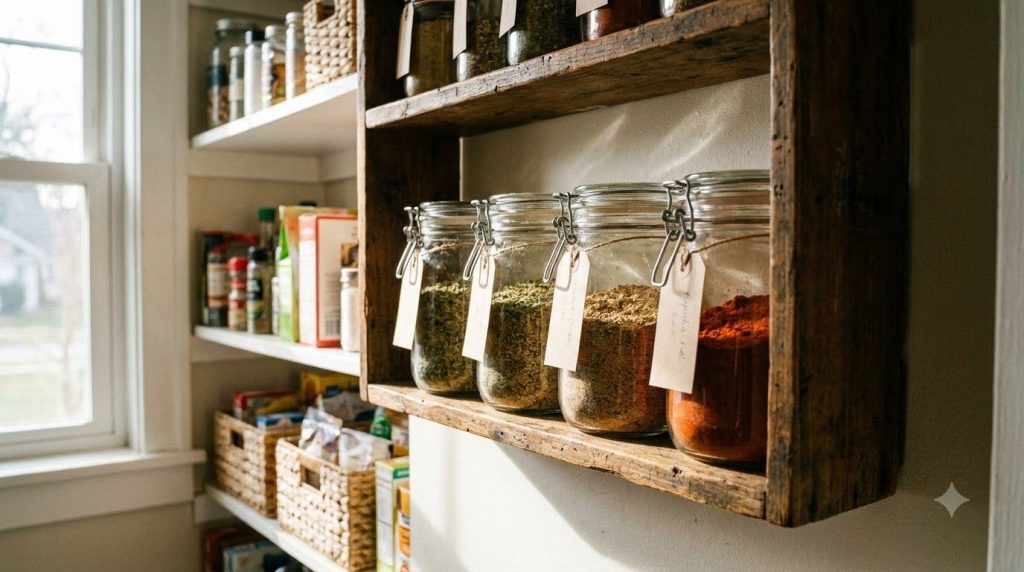
- Store Properly: Transfer the finished seasoning blend into a clean, dry, airtight container, such as a small spice jar. Label the jar with the blend name and date it was made.
- Rest (Optional but Recommended): For the best flavor, allow the spices to meld together for at least a few hours, or ideally, 24 hours, before using. This lets the flavors deepen and integrate.
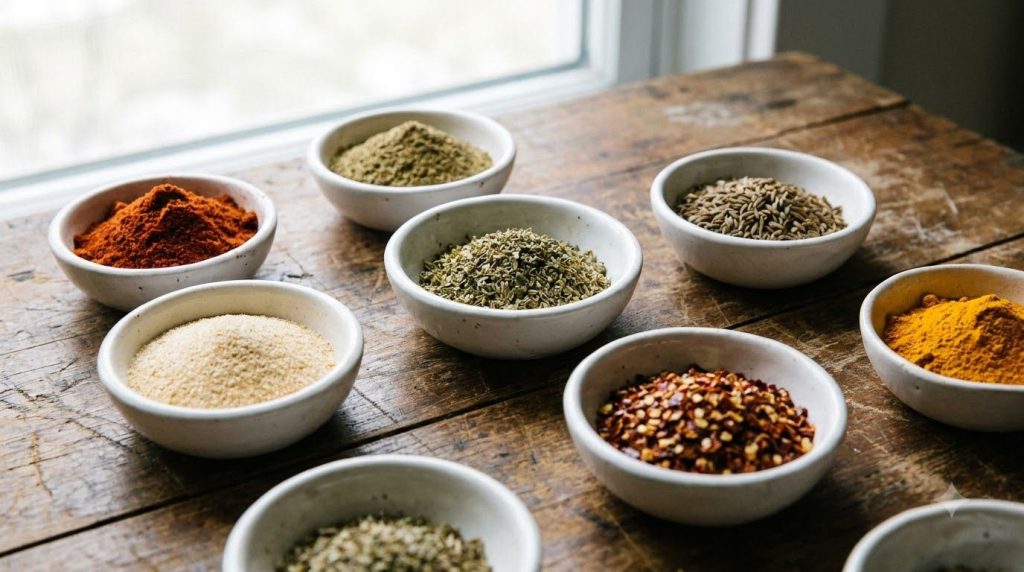
Pro Tips for the Best Results
- Use Fresh Spices: Spices lose potency over time. For the most vibrant flavor, use spices that are less than a year old. Give them a sniff – if they don’t have a strong aroma, it’s time for new ones.
- Grind Your Own: If you have a spice grinder, buying whole spices (like cumin seeds, coriander seeds, peppercorns) and grinding them just before mixing will give you an unparalleled depth of flavor.
- Toast Whole Spices (Carefully!): For an even deeper flavor profile, lightly toast whole spices (like cumin or coriander seeds) in a dry skillet over medium-low heat until fragrant, then grind and add to your blend. Be careful not to burn them.
- Store in a Cool, Dark Place: Heat, light, and air are enemies of spice longevity. Keep your blends in airtight containers away from the stove or direct sunlight.
- Mix Well: Ensure all components are thoroughly blended. A small whisk works wonders for this.
- Test and Adjust: Before making a large batch, mix a small amount and taste it (perhaps sprinkled on a piece of cooked chicken or a simple omelet) to see if you want to adjust the salt, heat, or other flavors.
Common Mistakes to Avoid
- Using Stale Spices: As mentioned, old spices lack flavor. If your paprika is dull or your oregano smells like dust, replace it.
- Adding Moisture: Ensure all your ingredients are completely dry and your containers are moisture-free. Any moisture can lead to clumping or spoilage.
- Over-Salting: It’s easier to add more salt later than to remove it. Start with less and add to taste, especially if you’re using the blend as a rub that will be left on the meat for a while.
- Incorrect Storage: Leaving spice blends in open containers or in direct sunlight will drastically reduce their shelf life and flavor.
- Not Labeling: With several blends, it’s easy to forget which is which. Always label your jars clearly with the blend name and creation date.
Variations & Substitutions
- Herb Swaps: Experiment with different dried herbs. For example, add marjoram to the Classic blend, or rosemary to the Mediterranean.
- Heat Level: Control the heat with different chilies. Instead of cayenne, try a pinch of smoked chipotle powder for a smoky heat, or a milder ancho chili powder.
- Citrus Boost: For a fresher, brighter note, you can rub chicken with fresh lemon or orange zest directly before applying a seasoning blend (like the Classic or Mediterranean). Just remember to do this right before cooking, not when making the blend for storage.
- Sweet Notes: A tiny pinch of brown sugar (about 1/2 teaspoon per blend) can help with caramelization and add a subtle sweetness, especially good for grilling or roasting.
- Garlic & Onion: If you love these flavors, feel free to slightly increase the amounts of garlic and onion powder.
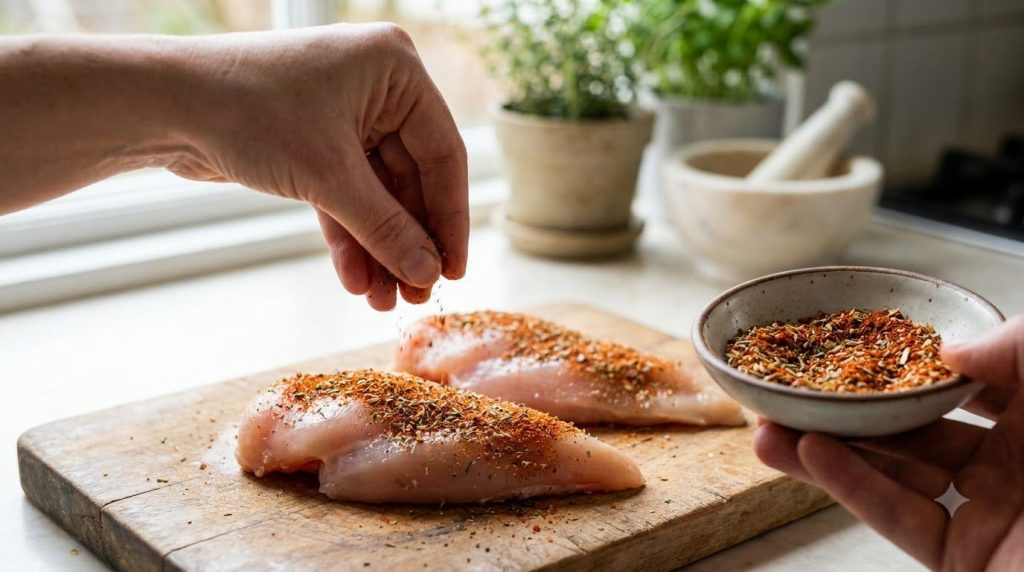
Serving Suggestions
These homemade chicken seasoning blends are incredibly versatile:
- Roast Chicken: Rub generously over a whole chicken or chicken pieces before roasting for a crispy, flavorful skin and juicy meat.
- Grilled Chicken: Perfect for chicken breasts, thighs, or skewers. Toss chicken pieces with a tablespoon of olive oil and a generous amount of seasoning before grilling.
- Baked Chicken: A simple way to add flavor to weeknight meals. Season chicken breasts or thighs and bake until cooked through.
- Pan-Seared: Dust chicken cutlets or tenders with a blend before pan-searing for a quick, flavorful meal.
- Chicken Marinade: Combine 1-2 tablespoons of your chosen blend with 1/4 cup (60 ml) olive oil, 2 tablespoons (30 ml) lemon juice or vinegar, and a splash of water for a quick marinade.
- In Soups & Stews: Add a teaspoon or two to your favorite chicken soups, stews, or chili for an extra layer of flavor.
Storage & Reheating
Storage: Store your homemade chicken seasoning blends in clean, dry, airtight containers (like glass spice jars) in a cool, dark place away from direct sunlight and heat (e.g., not above the stove). Properly stored, these blends will maintain their potency and flavor for about 6 months to 1 year. While they won’t spoil after this time, their flavor will significantly diminish.
Reheating: This section isn’t applicable directly to reheating the seasoning blend itself. However, when reheating chicken seasoned with these blends, ensure the chicken is heated thoroughly to 165°F (74°C). Reheated chicken can sometimes dry out; adding a splash of broth or water can help keep it moist.
FAQ
Q: Can I use fresh herbs in these blends?
A: For a shelf-stable blend, it’s best to use dried herbs and spices. Fresh herbs contain moisture which can cause the blend to clump and spoil quickly. If you want fresh herb flavor, add them directly to your chicken just before cooking.
Q: How much seasoning should I use per pound of chicken?
A: A good starting point is about 1 tablespoon of seasoning per pound (450g) of chicken. Adjust up or down based on your preference and the intensity of the blend.
Q: Can I make these blends ahead of time?
A: Absolutely! These blends are perfect for meal prep. Make a larger batch and store it properly so you have flavorful seasoning ready whenever you need it.
Q: Why did my seasoning blend clump?
A: Clumping usually indicates moisture has gotten into the blend. Ensure all your spices are dry, and store the blend in an airtight container in a dry environment. You can sometimes break up clumps with a spoon.
Q: How long do homemade chicken seasoning blends last?
A: When stored in an airtight container in a cool, dark place, these blends will stay fresh and potent for 6 months to 1 year. After that, they are safe to use but may have lost some of their flavor intensity.
Q: Can I use these blends on other meats or vegetables?
A: Yes! While designed for chicken, many of these blends are versatile. The Classic All-Purpose and Mediterranean blends, for instance, would be delicious on pork, fish, or roasted vegetables.
Recipe Card: Homemade Chicken Seasoning Blends
Recipe Name: Homemade Chicken Seasoning Blends
Short Description: Elevate your chicken dishes with these easy-to-make, flavorful spice blends. Customize your chicken with a variety of profiles from classic to zesty or spicy.
Prep Time: 5 minutes
Cook Time: 0 minutes
Total Time: 5 minutes
Servings: Varies (Yields approximately 1/2 cup per blend)
Course: Seasoning, Marinade
Cuisine: American, Global Inspired
Cooking Method: Mixing
Ingredients:
1. Classic All-Purpose Chicken Seasoning:
- 2 tablespoons (30 ml) paprika
- 1 tablespoon (15 ml) garlic powder
- 1 tablespoon (15 ml) onion powder
- 1 tablespoon (15 ml) dried oregano
- 1 tablespoon (15 ml) dried thyme
- 1 teaspoon (5 ml) black pepper, freshly ground
- 1 teaspoon (5 ml) salt
- 1/2 teaspoon (2.5 ml) cayenne pepper (optional)
2. Zesty Lemon Herb Chicken Seasoning:
- 2 tablespoons (30 ml) dried parsley
- 1 tablespoon (15 ml) dried dill
- 1 tablespoon (15 ml) garlic powder
- 1 tablespoon (15 ml) dried lemon zest
- 1 teaspoon (5 ml) black pepper, freshly ground
- 1 teaspoon (5 ml) salt
3. Spicy Southwest Chicken Seasoning:
- 2 tablespoons (30 ml) chili powder
- 1 tablespoon (15 ml) ground cumin
- 1 tablespoon (15 ml) smoked paprika
- 1 tablespoon (15 ml) garlic powder
- 1 tablespoon (15 ml) onion powder
- 1 teaspoon (5 ml) dried oregano
- 1 teaspoon (5 ml) salt
- 1 teaspoon (5 ml) cayenne pepper
4. Mediterranean Chicken Seasoning:
- 2 tablespoons (30 ml) dried oregano
- 1 tablespoon (15 ml) dried basil
- 1 tablespoon (15 ml) garlic powder
- 1 tablespoon (15 ml) dried mint
- 1 teaspoon (5 ml) black pepper, freshly ground
- 1 teaspoon (5 ml) salt
- 1/2 teaspoon (2.5 ml) onion powder
- 1/4 teaspoon (1.25 ml) ground cinnamon (optional)
Instructions:
- Choose your desired seasoning blend (or blends) from the list above.
- In a small mixing bowl, combine all the dried spices and herbs for your selected blend.
- Using a small whisk or fork, mix the ingredients thoroughly until they are evenly distributed.
- Transfer the finished seasoning blend into a clean, dry, airtight container, such as a spice jar.
- Label the container with the blend name and date of preparation.
- For best results, allow the flavors to meld for at least a few hours before first use.
Notes:
For shelf-stable blends, always use dried herbs and ground spices. Adjust salt and heat levels to your personal preference. Ensure all ingredients are completely dry to prevent clumping and extend shelf life.
Storage:
Store in an airtight container in a cool, dark, dry place for up to 6 months to 1 year for optimal freshness and flavor. Label with the date of preparation.
Nutrition:
Nutrition information is an estimate and may vary depending on the ingredients and brands used.
