Most people focus on what’s on their plate, but a simple glass of water could be holding an unexpected secret for daily wellness. You might have heard whispers about okra, that often-overlooked green vegetable, and its potential role in managing blood glucose levels. Far from being a mere culinary curiosity, many are exploring a simple preparation known as ‘okra water’ as a natural addition to their routine. But what exactly is it, how do you make it, and more importantly, how can it fit into your lifestyle?
This isn’t about grand claims or a magic bullet. It’s about understanding a practical, accessible method that some believe offers gentle support. We’ll cut through the noise and show you exactly how to prepare and use okra water, focusing on clear steps, common pitfalls, and what to keep in mind for safe, effective integration.
 Discover the simple steps to prepare okra water at home.
What Okra Water Is and Why It Matters
Okra water is exactly what it sounds like: water infused with the nutrients and compounds released from fresh okra pods. This isn’t a new discovery; traditional practices in various cultures have long used okra for its purported health benefits, especially its mucilage content. This mucilage is a gel-like substance that gives okra its characteristic texture and is believed to play a role in its effects on digestion and potentially, blood sugar regulation.
When okra pods soak in water, this mucilage, along with other soluble fibers and beneficial compounds, leaches into the water, creating a mild infusion. It’s an easy, non-invasive way to consume some of okra’s internal goodness without having to cook and eat the pods directly, which some find challenging due to its texture.
The Role of Mucilage and Fiber
Okra is rich in soluble fiber. Soluble fiber can help slow down the absorption of sugars in the digestive tract, which might contribute to more stable blood glucose levels after meals. The mucilage specifically acts as a thickener, which may further contribute to this effect by delaying gastric emptying and the rate at which glucose enters the bloodstream.
Ingredients You’ll Need
The beauty of okra water lies in its simplicity. You only need two core ingredients, making it an accessible remedy for almost anyone.
- Fresh Okra Pods: Look for vibrant green, firm pods without blemishes or soft spots. Approximately 4-6 medium-sized pods.
- Water: Filtered or purified water is best, about 1-2 cups (240-480 ml).
Approximate Measurements
While precision isn’t paramount, these measurements will give you a good starting point for a single serving of okra water.
- Okra: 4-6 medium pods (roughly 3-4 inches long each).
- Water: 1.5 cups (about 360 ml).
Formula / Recipe: The Basic Okra Water Infusion
This is a straightforward infusion method, designed to extract the beneficial compounds without cooking away delicate nutrients.
Before You Brew: Choosing Your Okra
The quality of your okra directly impacts the effectiveness and taste of your okra water. Always opt for fresh, firm, and blemish-free pods. Avoid any that are soft, discolored, or have signs of rot, as these may not only be less potent but could also introduce unwanted flavors or bacteria.
Step-by-Step Method: Making Your Okra Water
Follow these simple steps to prepare your daily okra water.
- Wash the Okra: Thoroughly rinse 4-6 fresh okra pods under cold running water. Gently scrub them to remove any dirt or residues. Pat them dry with a clean cloth.
- Trim the Ends: Carefully trim off both the stem end (the cap) and the pointed tip of each okra pod. Be careful not to cut too much of the pod itself.
- Slice the Pods: Slice each okra pod into 2-3 pieces. You can also slit the pods lengthwise without cutting all the way through, which helps more mucilage to be released. Avoid mincing or dicing them into very small pieces, as this can make the water too slimy.
- Place in Water: Put the sliced okra pieces into a glass jar or mug. Pour 1.5 cups (approx. 360 ml) of filtered water over the okra.
- Soak Overnight: Cover the jar or mug and let the okra soak at room temperature overnight, or for at least 8-12 hours. This extended soaking time allows the mucilage and other water-soluble compounds to leach into the water.
- Strain the Liquid: In the morning, remove the okra pieces from the water. You can use a fine-mesh sieve or simply pick out the pieces with a fork. Discard the okra pods.
- Your Okra Water is Ready: The resulting liquid is your okra water. It might have a slightly viscous texture due to the mucilage.
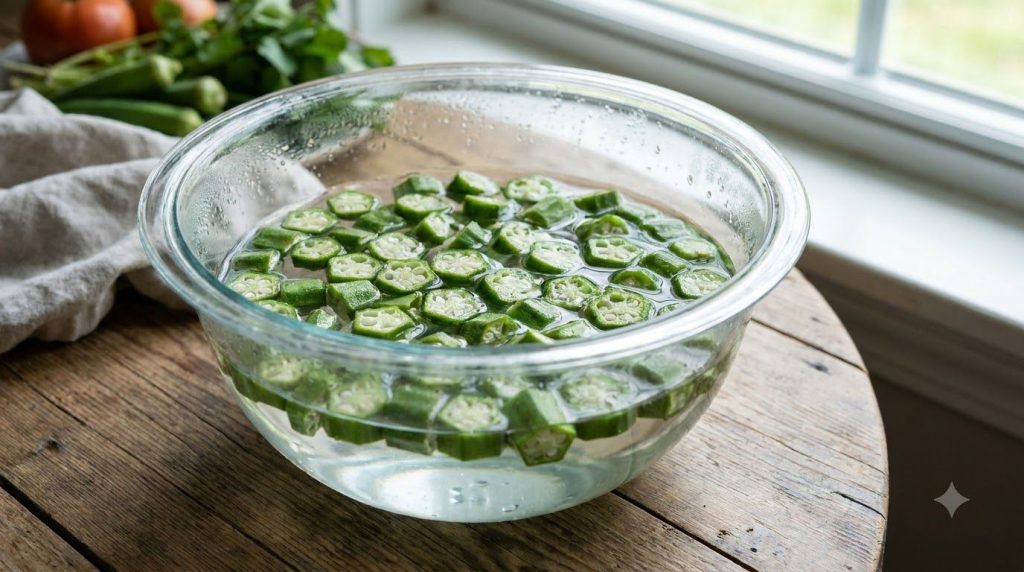 Slicing okra helps release its beneficial mucilage into the water.
Quick Tip: Speeding Up the Process
If you’re short on time, you can soak the okra for a minimum of 4 hours, though overnight is ideal for maximum extraction. Some people lightly prick the pods with a fork before soaking, which can also help expedite the release of compounds.
How to Use Your Okra Water
The most common way to consume okra water is to drink it straight. It has a mild, earthy taste that most people find palatable, though some detect a slight okra flavor.
- When to Drink: Many enthusiasts drink okra water first thing in the morning on an empty stomach. This allows the body to absorb its compounds without interference from other foods.
- Serving Temperature: It’s typically consumed at room temperature or slightly chilled. Avoid heating it, as excessive heat can degrade some of its beneficial components.
How Often to Use
For consistent support, many individuals incorporate okra water into their daily routine, drinking one glass every morning. Listen to your body and adjust frequency as needed.
How to Buy / How to Choose Okra
Choosing the right okra is key to a good infusion:
- Freshness is paramount: Look for bright green pods that are firm to the touch. They should snap easily when bent.
- Size matters: Smaller pods (3-4 inches) are often more tender and less fibrous than larger ones.
- Avoid: Okra that is dull, soft, slimy, or has black spots. These are signs of age or spoilage.
- Organic preferred: If possible, choose organic okra to minimize pesticide exposure, especially since you’ll be soaking it in water.
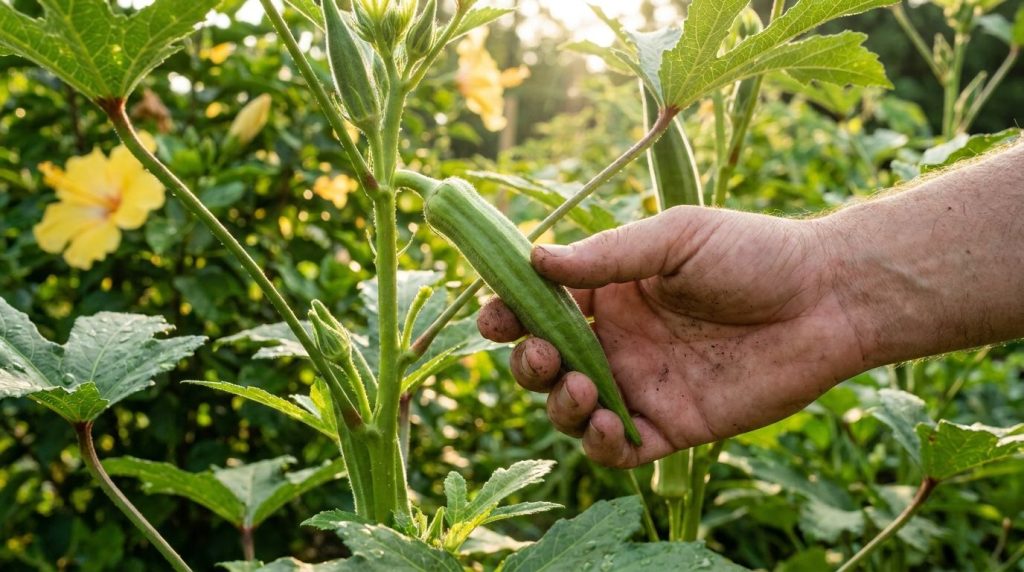 Fresh, firm okra pods are best for making potent okra water.
Storage
Proper storage ensures your okra water remains fresh and effective.
- Okra Pods: Store fresh, unwashed okra pods in a paper bag or loosely wrapped in a plastic bag in the crisper drawer of your refrigerator for up to 3-5 days.
- Prepared Okra Water: Once prepared, okra water should be consumed within 24-48 hours. Store it in a sealed glass container in the refrigerator. After 48 hours, its potency and freshness may diminish.
Practical Tips for Best Results
- Consistency: The key to seeing potential benefits is consistent daily use.
- Experiment with Slicing: While slicing into 2-3 pieces is standard, you can also try piercing the pods with a fork several times to release more mucilage without making the water too thick.
- Don’t Boil: Boiling okra can destroy some of its heat-sensitive nutrients and make the water excessively slimy in an unpleasant way.
- Flavor Enhancements: If the taste isn’t to your liking, a squeeze of lemon juice or a tiny pinch of cinnamon can be added after straining, but avoid added sugars.
Common Mistakes to Avoid
Steering clear of these common errors will help you get the most out of your okra water.
- Using Damaged Okra: Overripe, bruised, or slimy pods will result in poor-tasting and less effective okra water.
- Boiling the Okra: As mentioned, boiling changes the chemical composition and texture, often making it unpalatable.
- Not Soaking Long Enough: A quick soak won’t extract enough mucilage and nutrients. 8-12 hours is generally recommended.
- Reusing Pods: While it might seem economical, reusing the same okra pods for multiple batches will significantly diminish the potency of subsequent infusions. Discard after one use.
- Ignoring Storage: Leaving okra water out at room temperature for extended periods after preparation can lead to bacterial growth.
- Expecting Instant Results: Natural remedies often require consistent use over time. Don’t get discouraged if you don’t notice immediate changes.
Cautions / Who Should Avoid It
While generally considered safe, there are some considerations when consuming okra water.
- Medication Interactions: Okra, particularly its high fiber content, can interfere with the absorption of certain medications, including metformin (a common diabetes medication) and blood thinners. If you are on any medication, especially for diabetes or blood clotting, consult your doctor before regularly consuming okra water.
- Digestive Sensitivity: For some individuals, the high fiber content might cause digestive discomfort like gas or bloating, especially when first introduced. Start with a smaller amount if you have a sensitive stomach.
- Allergies: Though rare, some people may be allergic to okra. Discontinue use if you experience any adverse reactions.
- Kidney Stones: Okra is relatively high in oxalates, which can contribute to kidney stone formation in susceptible individuals. If you have a history of kidney stones, discuss with your healthcare provider.
Quick Summary: Your Okra Water Cheat Sheet
- Best Preparation: Overnight cold infusion (8-12 hours) with fresh, sliced okra.
- Best Use-Case: Daily morning drink for potential blood glucose support.
- Storage: Refrigerate for up to 48 hours in a sealed container.
- When to Use: First thing in the morning on an empty stomach.
- What to Avoid: Damaged okra, boiling, reusing pods, neglecting medical advice if on medications.
FAQ: Your Okra Water Questions Answered
Can I use dried okra for this recipe?
While you can, fresh okra is highly recommended for okra water. Dried okra often has a different texture and may not release the same amount of mucilage or retain all the same beneficial compounds as fresh pods.
How long does okra water last?
Prepared okra water is best consumed within 24 hours, and certainly within 48 hours, when stored in the refrigerator.
Can I refrigerate the okra pods before soaking?
Yes, fresh okra pods should be stored in the refrigerator until you’re ready to prepare the water. However, the soaking process itself is typically done at room temperature overnight.
How often should I drink okra water?
For general wellness support, many people drink one glass daily, usually in the morning.
What part of the okra is best for the water?
The entire pod is used for soaking, after trimming the ends. The internal mucilage is the primary focus.
Can I add flavorings to okra water?
You can add a squeeze of lemon or a small amount of ginger after straining the okra. Avoid sugar or artificial sweeteners.
Will okra water cure diabetes?
No. Okra water is not a cure for diabetes and should not replace prescribed medications or a doctor-recommended treatment plan. It is considered a complementary support, and medical consultation is essential.
Conclusion
Incorporating okra water into your daily routine is a simple, natural approach that many find beneficial for supporting overall wellness, particularly in the realm of blood glucose management. By following these clear steps and understanding the practical tips and cautions, you can confidently prepare this ancient remedy at home. Remember, consistency is key, and always consult with a healthcare professional, especially if you have underlying health conditions or are taking medications. It’s a small change that could make a meaningful difference in how you approach your daily health journey.