In the vast world of nutrition, carbohydrates often get a bad rap. However, not all carbs are created equal. Far from being diet villains, healthy carbs are vital for sustained energy, optimal brain function, and overall well-being. They are the body’s preferred fuel source, and incorporating the right kinds into your diet can make a significant difference in how you feel and perform throughout the day.
Understanding the carbohydrate content in your meals can help support a balanced diet, empowering you to make informed choices that fuel your body efficiently. This comprehensive guide will break down 16 excellent sources of healthy carbohydrates, detailing their serving sizes and carb content so you can confidently integrate them into your daily eating plan. Get ready to transform your plate with these nutrient-packed options!
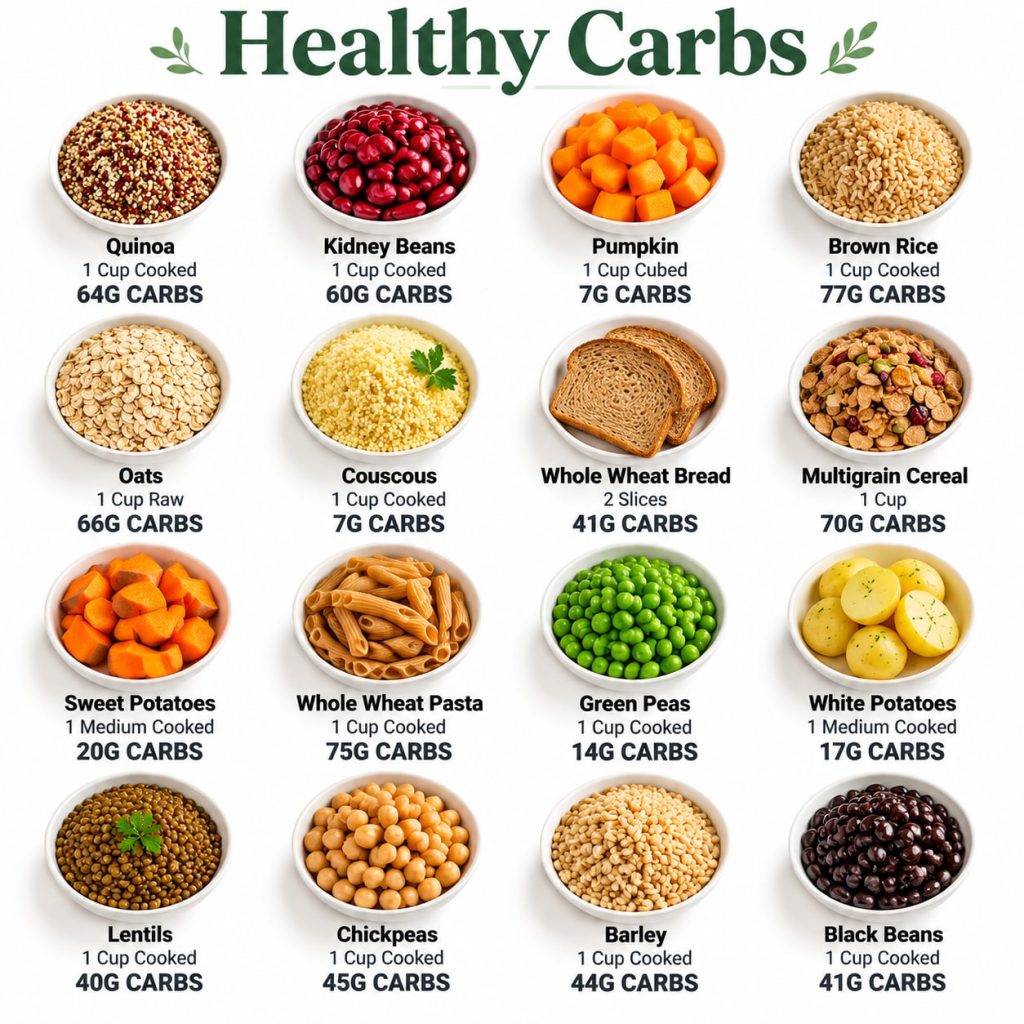 Discover the carb content of 16 healthy food staples.
Understanding Healthy Carbs: Fueling Your Body Right
When we talk about carbohydrates, it’s crucial to distinguish between simple and complex carbs. Simple carbohydrates, found in sugary drinks, refined grains, and processed snacks, provide quick bursts of energy but often lead to energy crashes and lack essential nutrients. Healthy, or complex, carbohydrates, on the other hand, are rich in fiber, vitamins, and minerals. They are digested slowly, providing a steady release of energy, promoting satiety, and supporting digestive health.
These complex carbohydrates play a crucial role in maintaining stable blood sugar levels, contributing to heart health, and providing the necessary fuel for your muscles and brain. Making them a cornerstone of your diet is a smart move for anyone aiming for a healthier lifestyle.
Your Guide to 16 Healthy Carb Sources
Let’s dive into some of the best healthy carb options you can easily add to your meals, complete with their typical serving sizes and carbohydrate content, as highlighted in our essential guide.
Wholesome Grains: Sustained Energy & Fiber
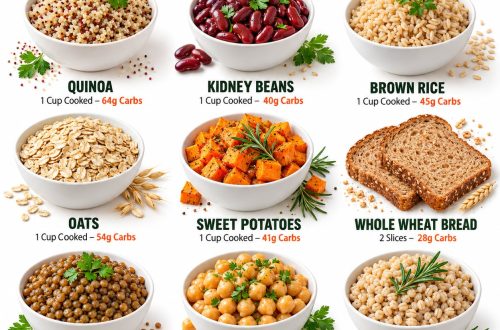
- Quinoa (1 cup cooked: 40g carbs): Often called a “supergrain,” quinoa is a complete protein, meaning it contains all nine essential amino acids. It’s also gluten-free and packed with fiber, magnesium, and iron, making it an excellent choice for sustained energy and overall health.
- Brown Rice (1 cup cooked: 45g carbs): A staple grain, brown rice is a fantastic source of complex carbohydrates and fiber. Unlike white rice, it retains its bran and germ, which are rich in antioxidants, B vitamins, and minerals, supporting digestive health and stable energy levels.
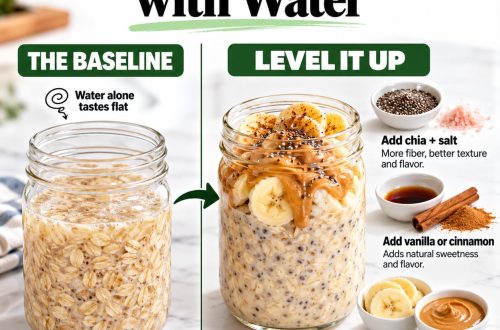
- Oats (1/2 cup dry, cooked: 27g carbs): Whether rolled, steel-cut, or instant, oats are renowned for their soluble fiber, beta-glucan, which can help lower cholesterol and regulate blood sugar. They provide a hearty, sustained energy release, perfect for breakfast.
- Couscous (1 cup cooked: 36g carbs): A quick-cooking pasta made from semolina, couscous is a good source of carbohydrates, protein, and selenium. Choose whole wheat couscous for an added fiber boost. It’s versatile and pairs well with many dishes.
- Barley (1 cup cooked: 42g carbs): This ancient grain is a great source of soluble and insoluble fiber, which aids digestion and can help reduce the risk of heart disease. Barley offers a chewy texture and a nutty flavor, ideal for soups, stews, and salads.
Nutrient-Rich Legumes & Pulses: Protein Powerhouses
- Kidney Beans (1 cup cooked: 40g carbs): These dark red beans are not only rich in complex carbohydrates but also a significant source of plant-based protein and dietary fiber. They help stabilize blood sugar and contribute to a feeling of fullness.
- Lentils (1 cup cooked: 40g carbs): Small but mighty, lentils are nutritional powerhouses. They offer a potent combination of complex carbs, protein, and fiber, along with essential minerals like iron and folate, making them excellent for heart health and energy.
- Chickpeas (1 cup cooked: 45g carbs): Also known as garbanzo beans, chickpeas are a versatile legume packed with complex carbohydrates, protein, and fiber. They support digestive health, help manage weight, and can be enjoyed in salads, hummus, or roasted as a snack.
- Black Beans (1 cup cooked: 41g carbs): A staple in many cuisines, black beans are an outstanding source of complex carbohydrates, plant-based protein, and fiber. They are also rich in antioxidants and help maintain healthy blood sugar levels, contributing to overall gut health.
Starchy Vegetables: Vitamins & Minerals
- Pumpkin (1 cup cooked, mashed: 12g carbs): Don’t let its modest carb count fool you; pumpkin is bursting with vitamins, especially Vitamin A, and antioxidants. Its natural sweetness and fiber content make it a wholesome addition to savory and sweet dishes alike.
- Sweet Potatoes (1 medium baked: 26g carbs): These vibrant tubers are an excellent source of complex carbohydrates, beta-carotene (a precursor to Vitamin A), Vitamin C, and fiber. They offer a sustained energy release and boast anti-inflammatory properties.
- Green Peas (1 cup cooked: 20g carbs): Small, sweet, and surprisingly packed with nutrients, green peas provide a good amount of complex carbohydrates, plant protein, and dietary fiber. They also contain vitamins K and C, supporting bone health and immunity.
- White Potatoes (1 medium baked: 37g carbs): Often unfairly demonized, white potatoes are a good source of complex carbohydrates, potassium, and Vitamin C when consumed with their skin. They provide quick and sustained energy, especially beneficial for active individuals.
Smart Bread & Cereal Choices: Fiber-Packed Staples
- Whole Wheat Bread (1 slice: 12g carbs): Opting for whole wheat bread over white bread dramatically increases your fiber intake, aiding digestion and promoting satiety. It provides a steady release of energy and essential B vitamins.
- Multigrain Cereal (1 cup dry: 30g carbs): Choose unsweetened, whole-grain options for a fiber-rich breakfast. Multigrain cereals, often containing oats, barley, and wheat, offer a spectrum of nutrients and complex carbs to kickstart your day.
- Whole Wheat Pasta (1 cup cooked: 37g carbs): A healthier alternative to refined pasta, whole wheat pasta retains its bran and germ, offering more fiber, protein, and nutrients. It provides a steady source of energy without the sharp blood sugar spikes.
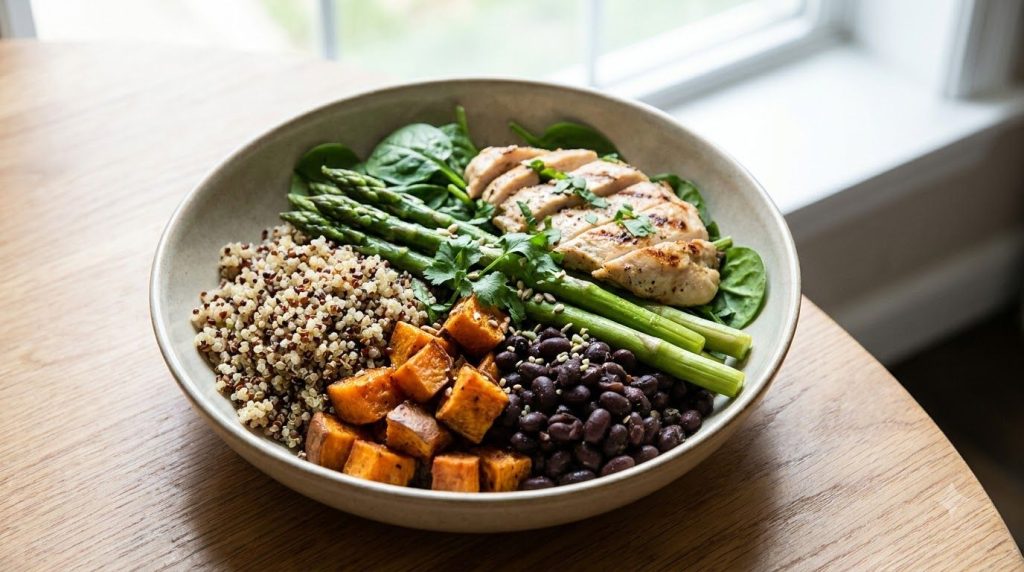 Build balanced meals with a variety of healthy carbohydrate sources.
Why Healthy Carbs Matter for Your Wellness Journey
Beyond just energy, incorporating diverse healthy carbs into your diet supports numerous bodily functions. Their high fiber content is critical for a healthy digestive system, helping to prevent constipation and feed beneficial gut bacteria. The steady glucose supply from complex carbs helps maintain cognitive function, keeping your brain sharp and focused throughout the day.
Many of these sources are also packed with antioxidants, which combat oxidative stress and inflammation, contributing to long-term health and disease prevention. Choosing healthy carbs is a foundational step towards improving your overall vitality and well-being.
Tips for Seamlessly Integrating Healthy Carbs into Your Diet
Making healthy carbs a regular part of your meals doesn’t have to be complicated. Here are some practical tips:
- Start Your Day Right: Opt for overnight oats with berries or a serving of multigrain cereal for a fiber-rich breakfast that keeps you full.
- Smart Swaps: Replace white rice with brown rice or quinoa, and white pasta with whole wheat versions.
- Bulk Up Meals: Add lentils, chickpeas, or black beans to soups, stews, and salads for an extra boost of fiber and protein.
- Healthy Snacks: Roast sweet potato wedges or create a pumpkin puree for a nutrient-dense snack.
- Meal Prep Power: Cook a large batch of quinoa or barley at the beginning of the week to easily add to various meals.
Experiment with different healthy carb sources to discover your favorites and enjoy their diverse flavors and textures.
Frequently Asked Questions About Healthy Carbs
Are potatoes healthy carbs?
Yes, white and sweet potatoes are healthy carbs when prepared without excessive butter or frying. They are good sources of fiber (especially with skin), potassium, and Vitamin C, providing sustained energy.
How can healthy carbs aid in weight management?
Healthy carbs, particularly those rich in fiber like oats, legumes, and whole grains, promote satiety, helping you feel fuller for longer. This can reduce overall calorie intake and support weight management goals as part of a balanced diet.
What’s the best time to eat healthy carbs?
Healthy carbs can be beneficial at any time of day. For sustained energy, include them at breakfast or lunch. Consuming them post-workout can help replenish glycogen stores, while a small portion with dinner may promote restful sleep.
Final Thoughts
Embracing healthy carbs is about making informed choices that fuel your body and mind effectively. By integrating these 16 nutrient-packed sources into your diet, you’re not just getting energy; you’re gaining essential fiber, vitamins, and minerals that contribute to digestive health, stable blood sugar, and overall well-being. So go ahead, nourish yourself with the power of good carbohydrates and feel the difference!
Medical Disclaimer
The information provided in this article is for general informational purposes only and does not constitute medical advice. Always consult with a qualified healthcare professional before making any decisions related to your health or starting any new diet or exercise program.