Most people associate sassafras with its distinct root beer flavor, a sweet and earthy aroma that evokes childhood memories. But what if we told you the most treasured secret of this plant isn’t in its root, but in its leaves? While the roots gained fame for their aromatic compounds, the leaves of the sassafras tree hold a fascinating culinary history and a practical use that often goes overlooked outside of specific regional cuisines. It’s time to look past the common assumptions and discover how a simple preparation of sassafras leaves can transform your cooking and connect you with a unique tradition.
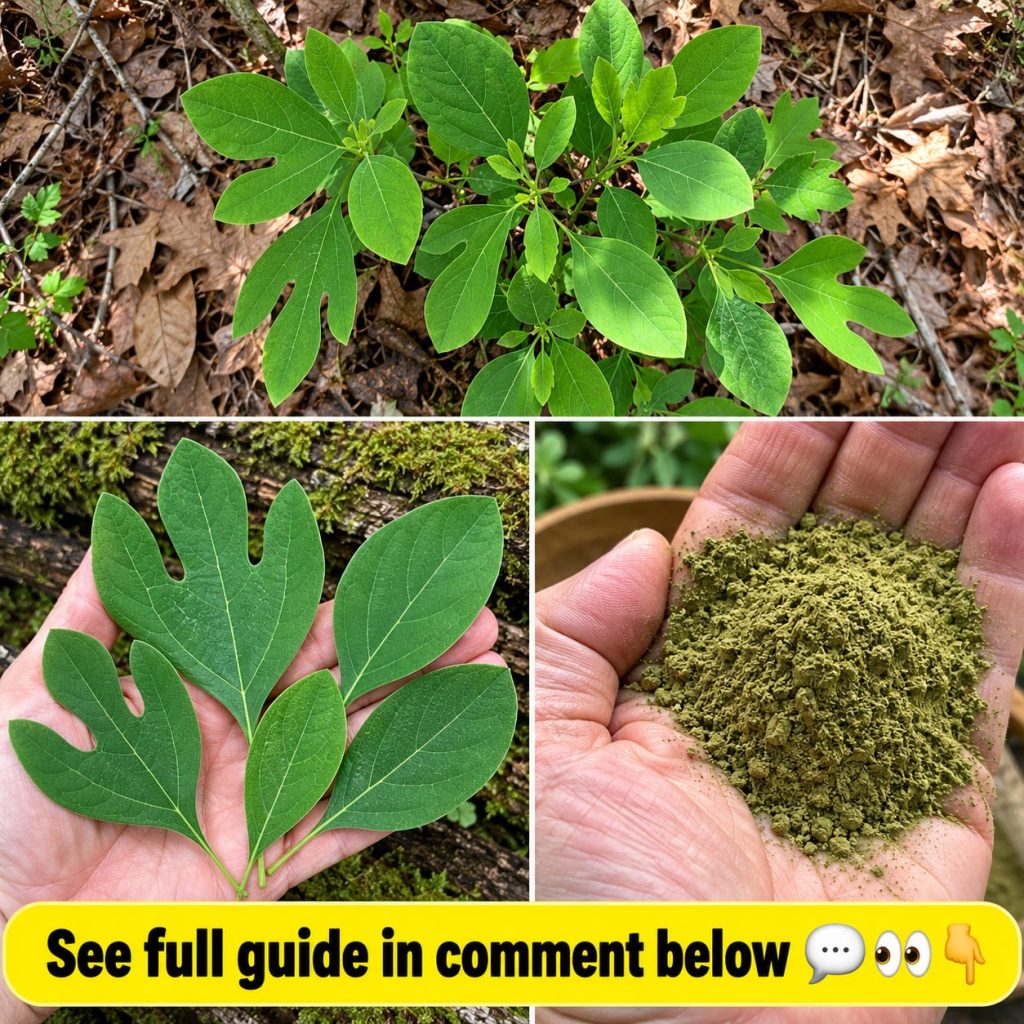 From forest to kitchen: The versatile sassafras leaf.
What is Sassafras Filé Powder?
Sassafras filé powder, often simply called filé, is a staple ingredient in certain regional American cooking, particularly Cajun and Creole cuisines of Louisiana. It’s made from the dried and ground leaves of the sassafras tree (Sassafras albidum). This isn’t just a spice; it’s a unique thickener and flavor enhancer that brings an earthy, slightly citrusy, and subtly savory note to dishes. Unlike common starches or flour, filé is added at the end of cooking and is traditionally used to thicken and flavor gumbos, giving them a distinctive texture and depth.
Ingredients for Homemade Filé Powder
Making your own filé powder is surprisingly straightforward, requiring just one core ingredient:
- Fresh Sassafras Leaves: Look for healthy, vibrant green leaves free from pests or damage. Sassafras trees are easily identifiable by their unique leaf shapes, which can appear as oval, mitten-shaped, or three-lobed, often all on the same branch. Always ensure you are harvesting from a source free of pesticides or herbicides.
Approximate Measurements
The quantity of leaves you’ll need depends on how much powder you want to make. As a general guide, a large grocery bag full of fresh leaves will yield a small jar (around 4-6 ounces) of dried powder. Sassafras leaves shrink considerably during the drying process, so always gather more than you think you’ll need.
Formula / Recipe: Crafting Your Own Filé Powder
The magic of filé powder comes from careful drying and grinding. The process is simple but demands patience and attention to detail to preserve the leaves’ aromatic compounds and prevent mold.
Step-by-Step Method
- Harvesting and Cleaning: Gather fresh, healthy sassafras leaves. Avoid any leaves that are discolored, damaged, or show signs of insect infestation. Once collected, gently wash the leaves under cool running water to remove any dirt or debris. Pat them thoroughly dry with a clean cloth or paper towels.
- Stem Removal: Carefully remove the main stem from each leaf. The stems are fibrous and won’t grind down as finely as the leaf tissue, which can result in a less desirable texture in your final powder.
- Drying the Leaves: This is the most critical step. Spread the cleaned, de-stemmed leaves in a single layer on clean screens, baking sheets, or a dehydrator tray. Ensure good air circulation around them. Place them in a warm, dry, well-ventilated area out of direct sunlight. A dehydrator set to a low temperature (around 95-105°F or 35-40°C) works excellent and speeds up the process, typically taking 8-12 hours. If air-drying, it can take several days to a week. The leaves should be completely brittle and crumbly when dry, with no remaining flexibility or moisture.
- Grinding: Once completely dry, crumble the leaves by hand into smaller pieces. Transfer them to a spice grinder, coffee grinder (dedicated to spices), or a high-speed blender. Grind them into a very fine powder. Work in small batches to ensure an even grind.
- Sifting: For the smoothest filé, sift the powder through a fine-mesh sieve. Any larger, unground pieces can be returned to the grinder for a second pass. This ensures a consistent, silky texture that is characteristic of high-quality filé powder.
Quick Tip: The Dryness Test
To truly test if your leaves are dry enough, try crushing a handful in your palm. If they crumble instantly into small fragments and feel crisp, they’re ready. If there’s any bend or pliability, they need more drying time. Residual moisture is the enemy of good, long-lasting filé powder.
How to Use Sassafras Filé Powder
Filé powder is traditionally used as a thickener and flavor agent in gumbos and other Creole/Cajun stews. It’s unique because it’s added after the dish is removed from the heat, typically right before serving. If added during cooking, it can become stringy and slimy. Stir in 1-2 teaspoons per pot of gumbo, or to taste, allowing it to dissolve and thicken the liquid. It imparts a subtle, earthy flavor that defines authentic gumbo.
How Often to Use
As a culinary seasoning and thickener, filé powder is used as needed in recipes, primarily for gumbos. It’s not a daily supplement, but rather an occasional ingredient to elevate specific dishes.
How to Buy / How to Choose Ingredients
If you don’t have access to fresh sassafras trees or prefer not to harvest your own, you can purchase dried sassafras leaves or pre-made filé powder from specialty spice shops or online retailers. When buying, look for:
- Color: A vibrant green hue indicates freshness and proper drying.
- Aroma: A distinct, earthy, slightly citrusy fragrance. Avoid products that smell musty or bland.
- Purity: Ensure the product is 100% sassafras leaves with no additives or fillers.
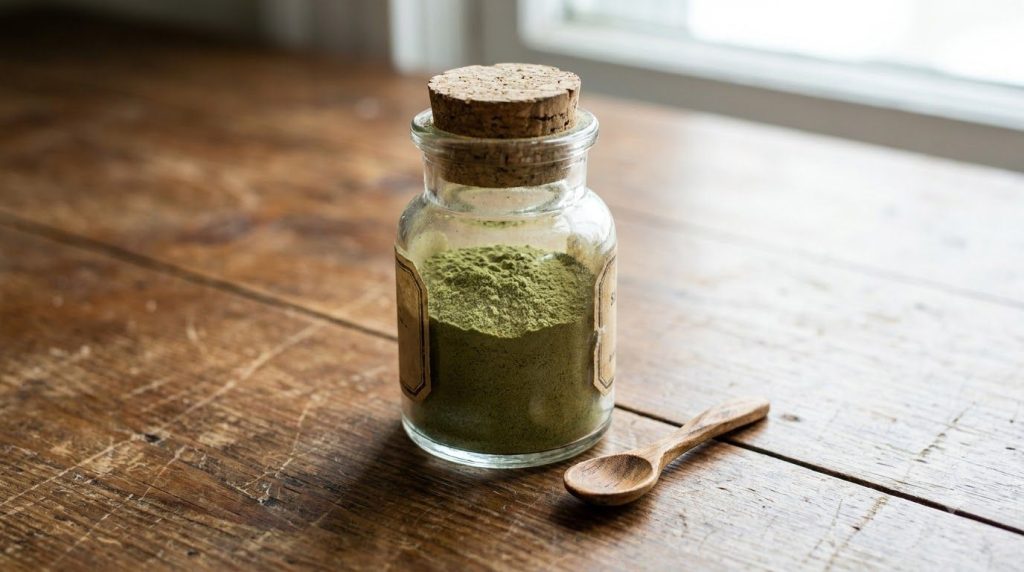 Store your homemade filé powder in an airtight container to preserve its freshness.
Storage
Proper storage is essential to maintain the potency and shelf life of your homemade filé powder.
- Airtight Container: Store the powder in a tightly sealed glass jar or airtight container to protect it from moisture and air.
- Cool, Dark Place: Keep the container in a cool, dark pantry or cabinet, away from direct sunlight and heat, which can degrade its flavor and color.
- Shelf Life: Stored correctly, homemade filé powder can maintain its quality for 6-12 months. Over time, its potency will diminish, so check for aroma before use.
Practical Tips for Best Results
- Harvesting Time: The best time to harvest sassafras leaves is in late spring to early summer when they are fully grown, tender, and most aromatic.
- Avoid Over-Drying: While thorough drying is crucial, avoid excessively high heat during dehydration, which can cook the leaves and diminish their delicate flavor compounds.
- Dedicated Grinder: If possible, use a spice grinder dedicated solely to herbs and spices. This prevents flavor transfer from coffee beans or other strong-smelling ingredients.
Common Mistakes to Avoid
Making your own filé powder is rewarding, but a few missteps can ruin your batch:
- Insufficient Drying: This is the most common mistake. Leaves that aren’t bone-dry will mold during storage, rendering your powder unusable.
- Using Stems: Including fibrous stems will result in a gritty, unpleasant powder. Always de-stem thoroughly.
- Adding Filé During Cooking: As mentioned, adding filé powder to a boiling gumbo will make it stringy. Always stir it in off the heat, just before serving.
- Harvesting Sprayed Plants: Never gather sassafras leaves from areas that may have been treated with pesticides or herbicides. Choose wild, untainted sources.
Did You Know?
Sassafras is one of the few trees that can have three distinct leaf shapes on the same branch: oval, mitten-shaped, and three-lobed. This unique characteristic makes it relatively easy to identify in the wild.
Cautions / Who Should Avoid It
While culinary use of sassafras leaves for filé powder is generally considered safe in small quantities, it’s important to be aware of the plant’s history and chemical composition.
- Safrole Content: Sassafras contains safrole, a compound that has been identified as a potential carcinogen in large doses and has been banned by the FDA for use in food products (specifically sassafras root bark tea, which has a higher concentration). The leaves contain significantly less safrole than the root bark, and the small amounts used in traditional culinary applications like filé powder are generally not considered a concern. However, concentrated extracts or excessive consumption are not advised.
- Pregnancy and Breastfeeding: Pregnant or breastfeeding individuals should avoid sassafras products, including filé powder, due to limited research on safety.
- Liver Conditions: Individuals with existing liver conditions should exercise caution and consult a healthcare professional before consuming sassafras products.
- Medication Interactions: If you are on any medication, especially those metabolized by the liver, consult your doctor before regular consumption of sassafras products.
Always use filé powder sparingly as a seasoning and thickening agent, rather than as a primary ingredient or in large quantities.
Quick Summary: Your Filé Powder Checklist
- Best Preparation: Dry and grind fresh sassafras leaves into a fine powder.
- Best Use-Case: As a thickening and flavoring agent in gumbos and stews.
- Storage: Airtight container in a cool, dark place for up to 12 months.
- When to Use: Add off-heat, just before serving, to prevent stringiness.
- What to Avoid: Insufficiently dried leaves, stems, adding during cooking, or consuming large, concentrated doses.
FAQ
- Can I use fresh sassafras leaves directly in cooking?
- While fresh leaves have some flavor, they are not typically used as a thickener in the same way as dried filé powder. The drying process concentrates the flavor and allows for the fine texture needed for thickening.
- How long does homemade filé powder last?
- If stored properly in an airtight container in a cool, dark place, it can last 6-12 months. Its potency will gradually diminish over time.
- Can I refrigerate or freeze filé powder?
- Refrigeration or freezing is generally not necessary and can introduce moisture. A cool, dark pantry is sufficient.
- How often should I use filé powder in my dishes?
- Use it according to recipe instructions for gumbos or stews, typically a teaspoon or two per pot. It’s a seasoning, not meant for daily heavy consumption.
- What part of the sassafras tree is best for filé powder?
- Only the leaves are used for making filé powder. The root bark is used for other applications but has higher safrole content.
- Can I reuse sassafras leaves after they’ve been used for tea?
- No, once leaves have been steeped for tea, they lose much of their flavor and chemical compounds, making them unsuitable for drying and grinding into filé powder.
- When should I avoid using filé powder?
- Avoid if pregnant, breastfeeding, or if you have liver conditions without consulting a doctor. Avoid consuming in large, concentrated amounts.
Conclusion
Creating your own sassafras filé powder is a rewarding journey into traditional culinary arts. It’s a simple process that connects you to the natural world and empowers you to bring authentic flavors into your kitchen. By understanding the proper techniques for harvesting, drying, and preparing, you can enjoy this unique ingredient safely and proudly. So, next time you see a sassafras tree, remember the hidden culinary treasure in its leaves, waiting to transform your next homemade gumbo.