Most people see this common ‘weed’ in their garden or yard and quickly dismiss it, pulling it out without a second thought. But what if we told you that the unassuming plantain leaf, often overlooked, is actually a time-tested ally, packed with incredible value and traditional lore? For centuries, herbalists and home remedy enthusiasts have recognized its potent properties. It’s time to look past its ‘weed’ status and discover why plantain leaves are a true hidden treasure for natural wellness.
What It Is: The Power of Plantain
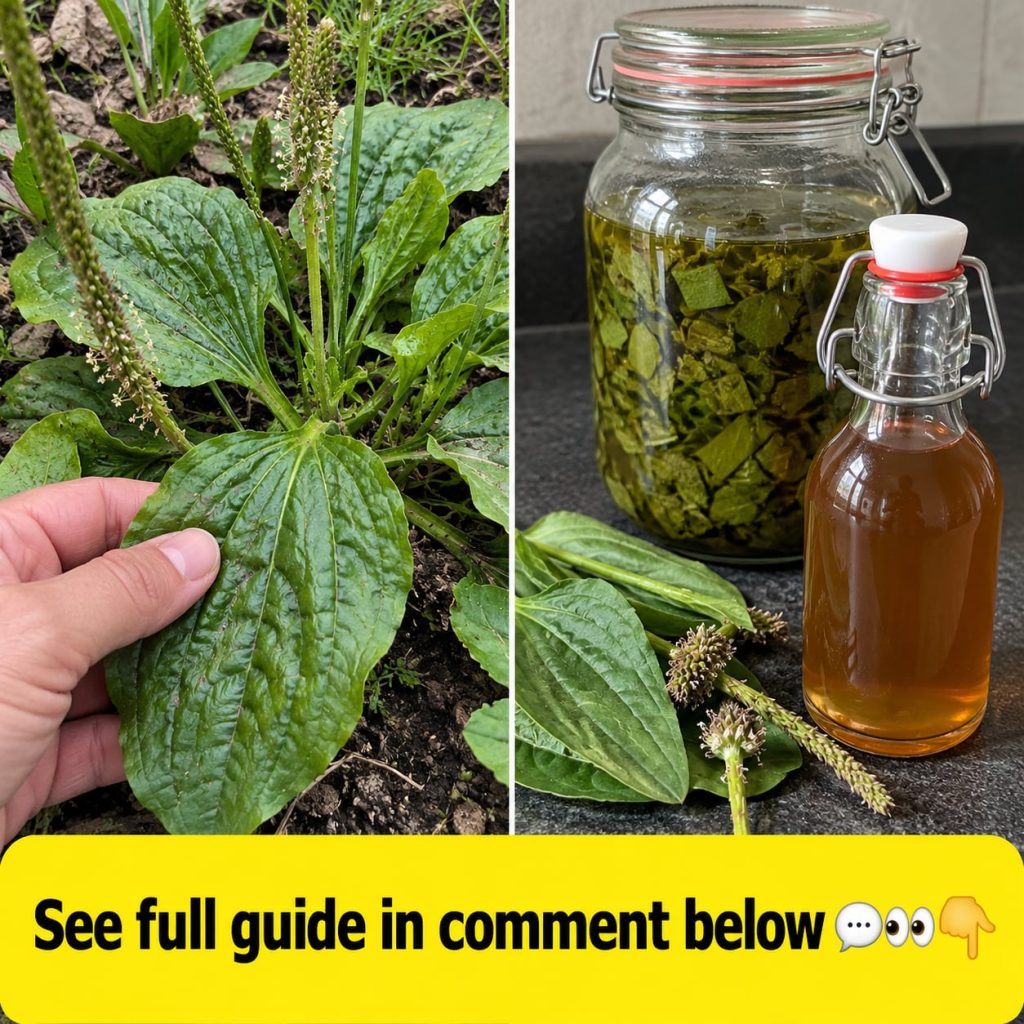
Plantain, specifically common plantain (Plantago major) and narrow-leaf plantain (Plantago lanceolata), is a resilient perennial found almost everywhere – from sidewalk cracks to lush meadows. Its leaves are easily identifiable by their parallel veins, which run the length of the leaf. Far from being just a nuisance, these leaves are celebrated for their natural soothing and drawing properties, making them a staple in many home remedy kits. They contain compounds like allantoin, mucilage, and aucubin, which contribute to their traditional uses for skin comfort and minor irritation relief.
Ingredients for Your Plantain Remedy
The beauty of plantain remedies lies in their simplicity. For most applications, you only need one primary ingredient:
- Fresh Plantain Leaves: Gathered from clean, unsprayed areas. Look for vibrant green leaves without significant damage or discoloration.
For specific preparations, you might add:
- Clean Water: For rinsing leaves or making an infusion.
- Carrier Oil: (e.g., olive oil, almond oil) for an infused oil.
- Beeswax: For turning infused oil into a salve.
Did You Know? The parallel veins in plantain leaves are incredibly strong, which is why it’s often called “white man’s foot” – it was said to spread wherever European settlers walked, its seeds enduring harsh conditions.
Approximate Measurements for a Poultice
For a basic plantain poultice, the measurements are quite flexible, depending on the size of the area you need to cover.
- 4-6 medium-sized fresh plantain leaves: This is usually enough for a minor cut, scrape, or insect bite. Adjust quantity based on need.
- A small amount of clean water (optional): Just enough to moisten if the leaves are very dry, or for rinsing.
Formula / Recipe: The Simple Plantain Poultice
The plantain poultice is one of the most direct and effective ways to utilize the fresh leaves. It’s often called a ‘spit poultice’ in the field, but we recommend a cleaner method!
For a Minor Skin Irritation or Bite:
- Gather fresh plantain leaves.
- Clean the leaves thoroughly.
- Prepare the leaves by crushing or chewing.
- Apply directly to the affected area.
Let’s break down the method for a truly effective application.
Step-by-Step Method
- Harvesting & Cleaning: Find healthy, vibrant plantain leaves away from roadsides or areas sprayed with pesticides. Gently pluck or cut the leaves. Rinse them under cool, clean water to remove any dirt or small insects. Pat dry lightly.
- Preparation: The goal is to break down the cell walls of the plantain leaves to release their beneficial juices. You can do this in a few ways:
- Chewing: (Traditional, but ensure good oral hygiene) Chew the leaves thoroughly until they form a moist pulp.
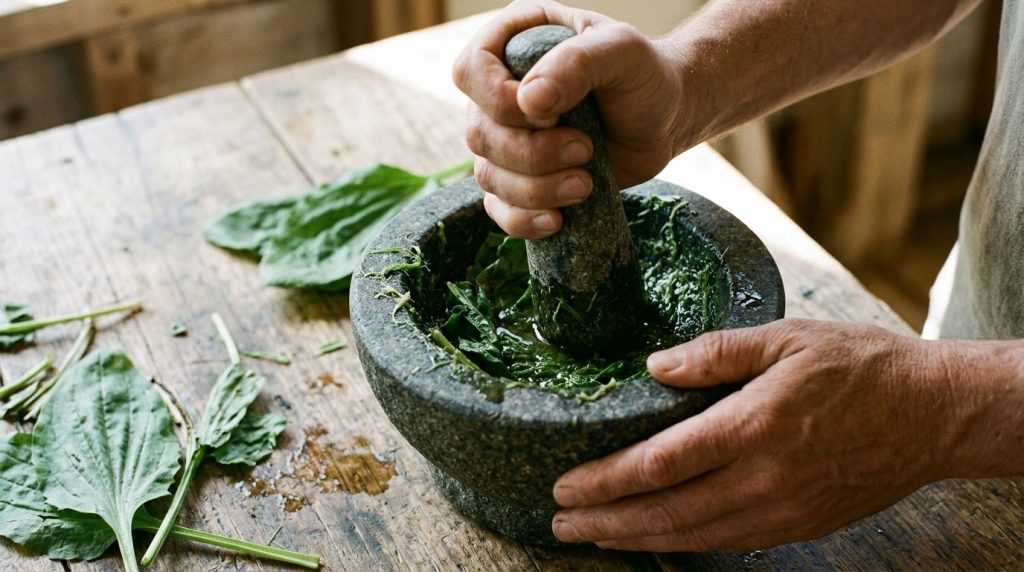
- Mashing: Use a mortar and pestle to crush the leaves into a pulp.
- Chopping & Crushing: Finely chop the leaves and then use the back of a spoon or a rolling pin to crush them against a clean surface until juicy.
- Forming the Poultice: Once you have a moist, pulpy mass, it’s ready.
How to Use
The plantain poultice is primarily used topically for skin issues:
- Minor Cuts & Scrapes: Apply the poultice directly to the clean wound.
- Insect Bites & Stings: Place over mosquito bites, bee stings (after removing the stinger), or other itchy irritations to help soothe and reduce discomfort.
- Splinters: Traditionally used to help draw out splinters.
- Minor Burns: Apply to cool, minor burns to provide a soothing effect.
Secure the poultice with a bandage or gauze to keep it in place. Ensure the contact is direct with the skin.
How Often to Use
For acute issues like insect bites or minor cuts, you can change the poultice every 2-4 hours, or as needed, until relief is found or the irritation subsides. For more persistent issues, apply 2-3 times a day.
Quick Tip: For extra soothing, chill the fresh plantain leaves in the refrigerator for 15-20 minutes before preparing the poultice.
How to Buy / How to Choose Ingredients
For plantain, the best way to “buy” is often to forage! However, choosing wisely is crucial:
- Foraging: Seek out plantain in areas you know are free from pesticides, herbicides, and heavy foot traffic (like roadsides). Your own backyard, if chemical-free, is an ideal spot. Ensure you can positively identify the plant.
- Farmers’ Markets: Some herbal vendors might offer fresh plantain leaves. Ask about their cultivation practices.
- Dried Plantain: If fresh isn’t available, high-quality dried plantain leaves can be purchased from reputable herbal suppliers for teas or infusions, though they are less effective for poultices.
Storage
Proper storage ensures the efficacy of your plantain remedies:
- Fresh Leaves: Store unwashed leaves loosely in a paper bag in the refrigerator for up to 3-5 days. Wash just before use.
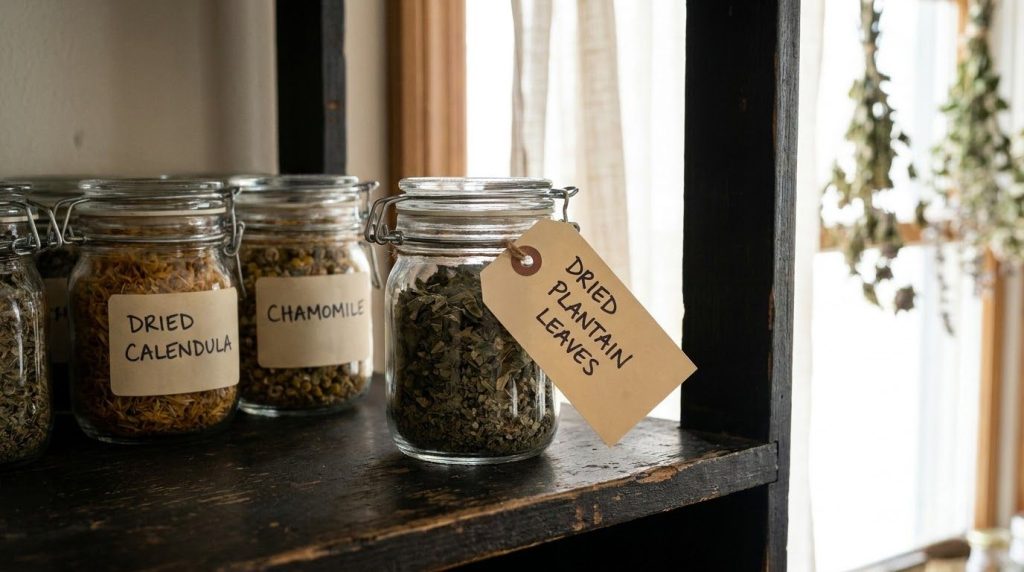
- Dried Leaves: Keep dried plantain leaves in an airtight container away from direct sunlight and moisture. They can last for up to a year.
- Prepared Poultice: A fresh poultice should be made for each application. It loses potency quickly and can become a breeding ground for bacteria if left out. Do not store prepared poultices.
Practical Tips
- Boost Potency: For extra drawing power in a poultice, you can mix a tiny pinch of activated charcoal powder into the crushed leaves before applying.
- Infused Oil: For a longer-lasting remedy, consider making a plantain-infused oil. Pack fresh, slightly wilted (to reduce water content) plantain leaves into a jar, cover with a carrier oil, and let infuse for 4-6 weeks in a cool, dark place. Strain and use the oil for minor skin irritations or turn it into a salve with beeswax.
- Plantain Tea/Infusion: Dried plantain leaves make an excellent tea traditionally used to soothe digestive upset or respiratory irritation. Steep 1-2 teaspoons of dried leaves in hot water for 10-15 minutes.
Here’s the part most people skip: Never use plantain harvested from areas that may have been sprayed with herbicides or pesticides. This defeats the purpose of a natural remedy and can introduce harmful chemicals.
Common Mistakes
Even with simple remedies, a few common errors can reduce effectiveness or introduce risks:
- Misidentification: While plantain is distinctive, ensure you are not confusing it with poisonous look-alikes. Always be 100% certain of your identification.
- Using Contaminated Plants: As mentioned, roadside plantain or plants from heavily treated lawns can carry toxins. Always forage from clean, safe areas.
- Insufficient Crushing: Simply laying a whole leaf on an area won’t release enough of the plant’s compounds. Proper crushing is essential for a poultice.
- Improper Storage: Leaving fresh leaves out too long or storing a prepared poultice can lead to spoilage and bacterial growth.
- Expecting a Miracle Cure: Plantain is a gentle, supportive herb for minor issues. It’s not a substitute for professional medical attention for serious conditions.
Fresh vs. Dried Plantain: A Quick Comparison
| Feature | Fresh Plantain Leaves | Dried Plantain Leaves |
|---|---|---|
| Best Use | Poultices for bites, stings, cuts | Teas, infusions for internal soothing |
| Preparation | Crushing, chewing | Steeping in hot water |
| Potency (Topical) | High (juice directly applied) | Lower (less direct application) |
| Shelf Life | Days (refrigerated) | Up to 1 year (airtight, dark) |
Cautions / Who Should Avoid It
Plantain is generally considered safe for topical use on intact skin. However, a few considerations:
- Allergies: Though rare, some individuals may have an allergic reaction to plantain. Discontinue use if irritation occurs.
- Deep Wounds: For deep cuts, punctures, or serious infections, always consult a healthcare professional. Plantain is for minor surface issues.
- Internal Use (Tea): While generally safe, if you are pregnant, breastfeeding, or taking medications, consult with a healthcare provider before consuming plantain tea internally, as it can have mild diuretic properties.
Quick Summary
- Best Preparation: Fresh leaf poultice for skin issues.
- Best Use-Case: Soothing minor insect bites, stings, cuts, scrapes, and skin irritations.
- Storage: Fresh leaves refrigerated for a few days; dried leaves in an airtight, dark container for up to a year.
- When to Use: As needed for acute minor topical discomfort.
- What to Avoid: Foraging from contaminated areas, using without proper crushing, expecting it to heal serious wounds.
FAQ
- Can I use dried plantain for a poultice?
While technically possible by rehydrating, fresh leaves are significantly more effective for a poultice due to their higher moisture content and active juices. - How long does a plantain poultice last on the skin?
It’s best to change the poultice every 2-4 hours, or when it dries out, to maintain effectiveness and hygiene. - What’s the difference between common plantain and narrow-leaf plantain?
Both have similar properties and can be used interchangeably for most remedies. Common plantain (Plantago major) has broad, oval leaves, while narrow-leaf plantain (Plantago lanceolata) has long, slender leaves. - Can plantain draw out pus or splinters?
Traditionally, plantain is known for its “drawing” properties, which is why it’s often used for splinters or minor localized infections to help bring things to the surface. - Is plantain safe for children?
For minor topical skin irritations, a plantain poultice is generally considered safe for children. Always perform a small patch test first and supervise use. - Can I make a larger batch of poultice to store?
No, a fresh poultice should be made for each application. It will quickly degrade and can become unsanitary if stored. - Are there any plantain look-alikes to be aware of?
While plantain is distinctive, always ensure 100% positive identification. Some common garden plants might look vaguely similar, but plantain’s strong parallel veins are a key identifier.
Conclusion
Next time you’re outside, take a moment to look at the ground beneath your feet. That humble plantain growing so robustly might just be the simple, effective remedy you never knew you had. With a little knowledge and care, you can harness the natural power of plantain leaves for a variety of common minor discomforts. It’s a testament to nature’s generous offerings, often found right where we least expect them.
You may also like: How to Make Your Own Healing Herbal Salve
Read more: Understanding Foraging Best Practices for Wild Edibles
