Tired of looking at dry, crepey skin that seems to betray your true age? You’re not alone! Many people struggle with skin that lacks elasticity and appears thin or wrinkled. While drinking enough water is certainly important for overall health, true skin hydration goes beyond just what you sip. Unlocking a dewy, supple glow requires a targeted approach, focusing on moisture-boosting strategies that work from the outside in. Let’s dive into how you can transform your skin with the power of hydration.
Understanding Dry and Crepey Skin
Before we can tackle the solution, it’s helpful to understand the problem. Dry skin often lacks sufficient natural oils, leading to a rough, flaky texture. Crepey skin, on the other hand, is characterized by thin, finely wrinkled skin that resembles crepe paper. This condition is often due to a combination of factors, including:
- Dehydration: A lack of moisture in the outermost layer of the skin.
- Sun Damage: UV exposure breaks down collagen and elastin, essential proteins for skin structure.
- Aging: As we age, our skin naturally produces less collagen and elastin, and cell turnover slows down.
- Genetics: Some individuals are predisposed to drier or crepey skin.
- Environmental Factors: Dry climates, harsh soaps, and hot showers can strip the skin of its natural moisture.
The Power of Targeted Hydration
Effective hydration isn’t just about slathering on any moisturizer. It’s about using the right ingredients and techniques to lock moisture into your skin. Hydrated skin looks plumper, smoother, and more radiant because water helps support its natural barrier function, making it more resilient and less prone to irritation.
Key Hydrating Ingredients to Look For
- Humectants: These ingredients attract water from the air and deeper layers of the skin into the epidermis. Examples include hyaluronic acid, glycerin, and urea.
- Emollients: These help to smooth and soften the skin by filling in the gaps between skin cells, improving its texture. Look for ceramides, fatty acids, and cholesterol.
- Occlusives: These form a protective barrier on the skin’s surface, preventing moisture loss. Petroleum jelly, mineral oil, and shea butter are common occlusives.
Strategic Hydration for Different Body Parts
Just as you wouldn’t use the same shampoo on your body as your hair, different areas of your skin may benefit from specific hydrating strategies. The skin on your hands, for example, is often exposed to more washing and environmental stressors than the skin on your thighs.
Hands and Arms
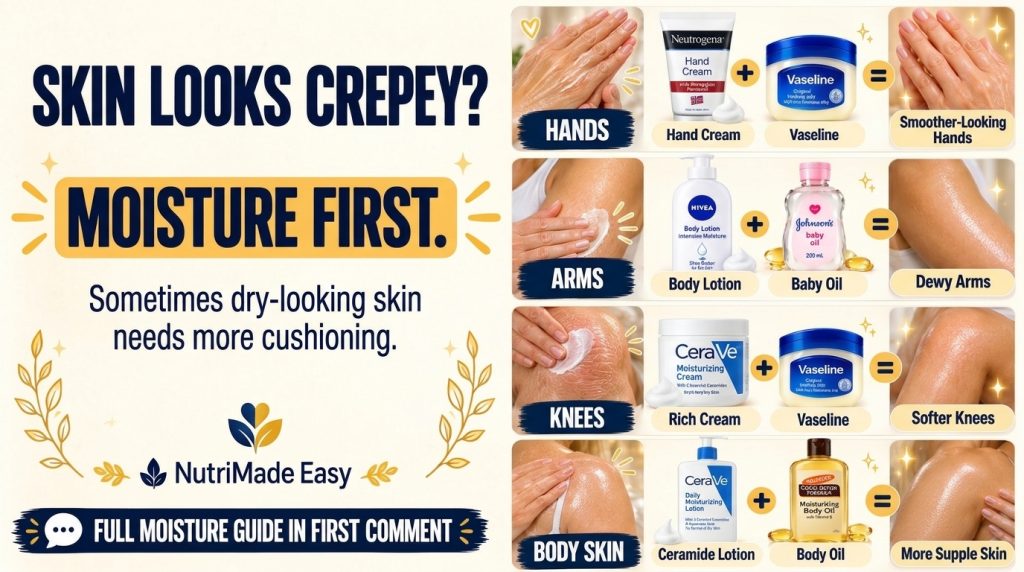
These areas are often the first to show signs of aging and dryness due to frequent exposure. Consider a layering approach:
- Start with a hydrating serum containing hyaluronic acid.
- Follow with a rich emollient cream that includes ceramides or shea butter.
- Apply a protective occlusive balm, especially before bed or after washing, to seal in moisture.
Knees and Elbows
These joints often experience more friction and can become particularly rough and dry. Exfoliation can help, but intense hydration is crucial:
- Gently exfoliate these areas once or twice a week to remove dead skin cells.
- Immediately apply a thick, hydrating cream with ingredients like urea or lactic acid to deeply moisturize.
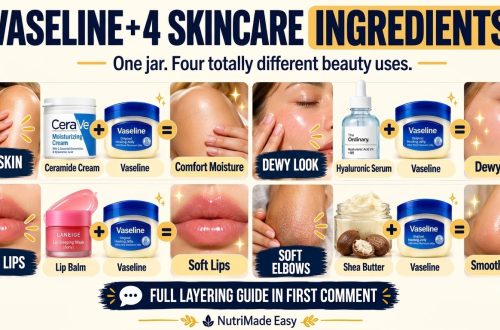
- Layer with a heavy occlusive ointment to create a protective barrier.
Overall Body Skin
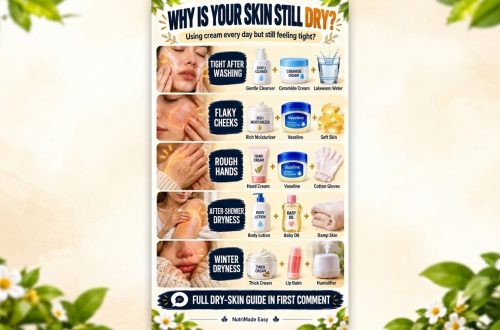
For large areas, consistency is key. Make hydration a daily ritual, especially after showering when skin is still damp.
- Use a hydrating body wash that doesn’t strip natural oils.
- While skin is still slightly damp, apply a generous amount of body lotion or cream, focusing on areas prone to dryness like shins and décolletage.
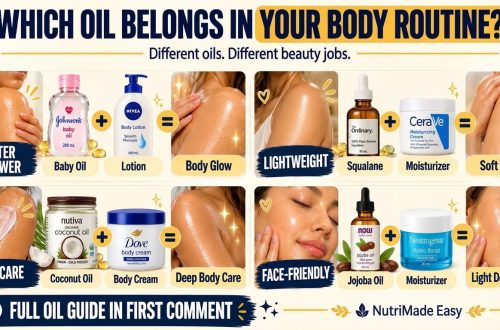
- For very dry areas, consider using a body oil over your lotion for an extra layer of moisture lock-in.
Beyond Topical Application: Lifestyle Factors
While topical products are powerful, don’t forget the foundational elements of healthy skin:
- Drink Water: Yes, it still matters! Proper internal hydration supports overall skin function.
- Healthy Diet: Foods rich in omega-3 fatty acids, antioxidants, and vitamins can nourish your skin from within.
- Humidifier: In dry environments, a humidifier can add moisture to the air, benefiting your skin.
- Sun Protection: Always protect your skin from harmful UV rays to prevent collagen and elastin breakdown.
- Avoid Harsh Soaps: Opt for gentle, moisturizing cleansers that respect your skin’s natural barrier.
Make Hydration Your Daily Ritual
Achieving smoother, dewy skin is an ongoing journey, not a one-time fix. By understanding your skin’s needs, choosing the right hydrating ingredients, and adopting a consistent routine, you can significantly improve its texture and appearance. Embrace these moisture-boosting combinations and lifestyle habits, and watch your skin transform.
What’s your favorite hydrating product that you can’t live without? Share your secrets in the comments below!