Are you starting to notice a few more silver strands appearing lately? It’s a natural part of life, but if you’re looking for ways to address the appearance of grey hair, you’re not alone! Many people are exploring natural solutions, and recently, a particular “black serum” trend has captured a lot of attention for its claims to help turn white hair to black. It’s a popular beauty routine that has everyone talking, and it’s certainly worth learning about.
Here at BEAUTY 2, we’re always keen to explore popular DIY beauty routines and natural remedies. So, let’s dive into what this intriguing trend is all about, how people are preparing and applying these serums, and what you should know before you decide to try it for yourself.
What Is This ‘Black Serum’ People Are Talking About?
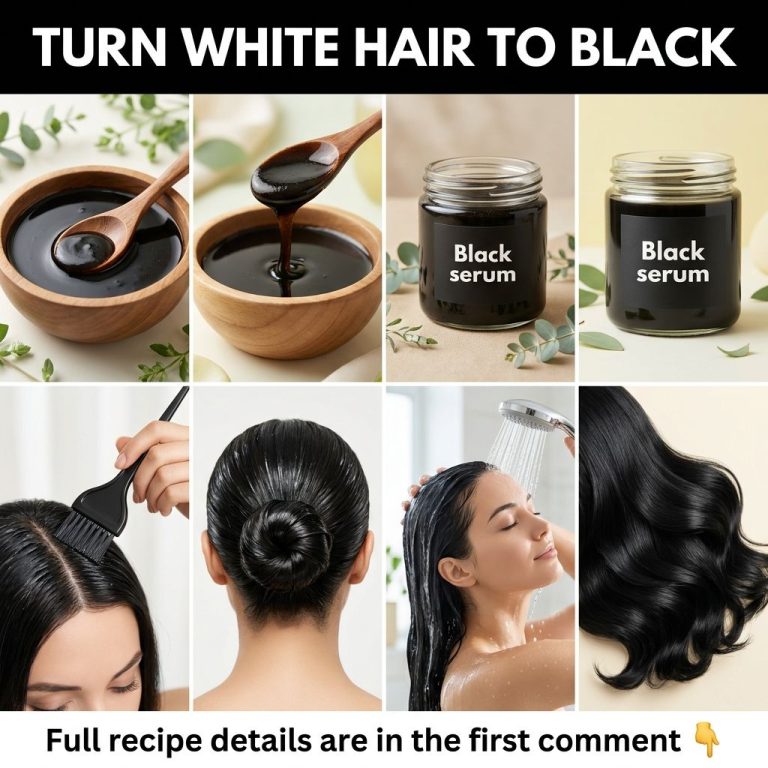
The term “black serum” refers to various DIY concoctions that people are creating at home, often using natural ingredients believed to promote hair health and, for some, to influence hair color or appearance. While specific recipes can vary widely, these serums commonly feature ingredients known for their antioxidant properties or traditional use in hair care.
Commonly explored ingredients in DIY hair solutions might include:
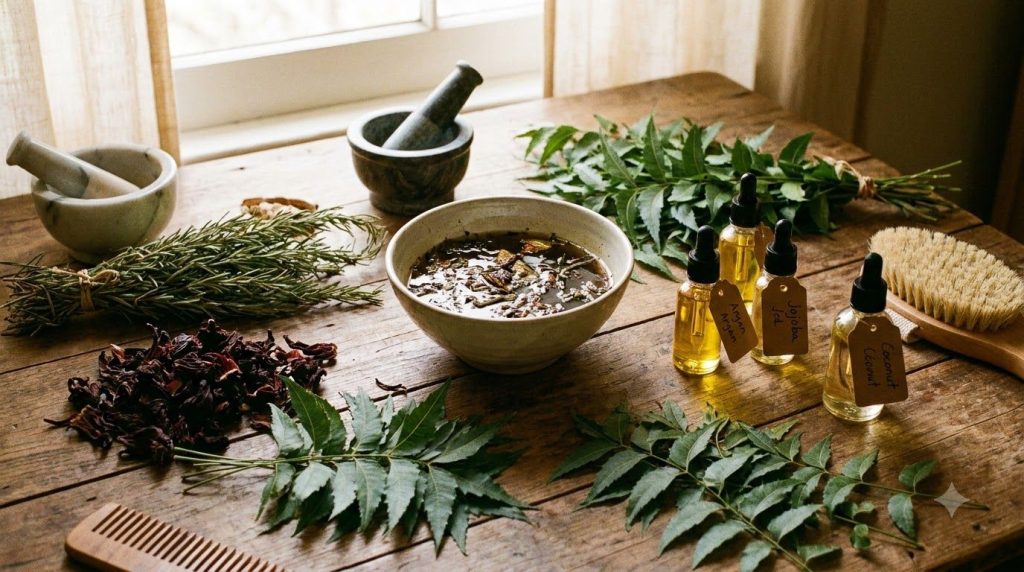
- Herbal Extracts: Some people might use infusions from herbs like black tea, coffee, or certain Ayurvedic herbs (like Amla or Bhringraj) which are traditionally associated with hair darkening or strengthening.
- Natural Oils: Carrier oils such as coconut oil, almond oil, or jojoba oil are often used as a base, providing nourishment and helping to deliver other active ingredients to the scalp and hair strands.
- Plant-Based Dyes: While not a dye in the traditional sense, some natural ingredients have mild tinting properties that might temporarily enhance or darken hair over time for some individuals.
The appeal lies in using readily available, often affordable, natural ingredients rather than chemical-laden commercial products.
Why Are People Trying This DIY Approach?
The growing interest in DIY beauty, particularly for addressing concerns like grey hair, stems from several factors:
- Natural Ingredients: A desire to avoid synthetic chemicals and embrace nature’s solutions.
- Cost-Effectiveness: Homemade serums can be significantly more affordable than salon treatments or specialized anti-grey hair products.
- Sense of Control: The ability to know exactly what ingredients are going onto their hair and scalp.
- Community & Trend: Viral beauty hacks and shared experiences on social media platforms often spark curiosity and encourage others to try new routines.
How People Prepare and Use a DIY ‘Black Serum’
While specific recipes can differ, the general approach to preparing and applying these DIY serums often follows a similar pattern:
1. Ingredient Gathering
People typically start by gathering their chosen natural ingredients. This might involve brewing strong black tea, preparing an herbal infusion, or combining specific oils known for their hair benefits.
2. Mixing the Serum
The chosen ingredients are then mixed to create a liquid or semi-liquid serum. For instance, an herbal infusion might be strained and then combined with a carrier oil. The goal is often to create a consistency that’s easy to apply to the scalp and hair.
3. Application Method
Most popular beauty routines suggest applying the serum directly to the scalp and hair roots, often massaging it in gently. Some might extend the application to the full length of their hair. The belief is that by nourishing the scalp, you’re supporting healthy hair growth and potentially influencing hair pigment.
4. Leave-In or Rinse Out
Depending on the ingredients, some serums are left in for an extended period (sometimes even overnight), while others are rinsed out after a set amount of time, typically followed by a gentle shampoo.
Important Considerations Before You Try This
While the idea of naturally addressing grey hair is appealing, it’s essential to approach any DIY beauty routine with realistic expectations and caution. Here are a few things to keep in mind:
- Patch Test is Key: Always perform a patch test on a small, inconspicuous area of your skin (like behind your ear or on your inner arm) 24-48 hours before applying any new DIY serum to your entire scalp. This helps check for potential allergic reactions or sensitivities.
- Results Vary: What works for one person may not work for another. The effectiveness of natural remedies can differ greatly depending on individual hair type, genetics, and the cause of greying. Remember, these are popular routines, not guaranteed solutions.
- Consistency is Important: For any potential visible changes, people often report needing consistent and long-term application of these DIY serums.
- Manage Expectations: While these serums are popular for their claims to reverse the look of grey hair, it’s important to understand that scientific evidence for natural ingredients *reversing* grey hair at a cellular level is generally limited. Many users find that these solutions may contribute to healthier-looking hair and perhaps a temporary darkening or enhancement of existing pigment, rather than a permanent reversal.
- Professional Advice: If you have concerns about sudden or significant grey hair, or any underlying health conditions, it’s always a good idea to consult with a dermatologist or healthcare professional.
Is This ‘Black Serum’ Worth Learning About?
The trend of using a DIY “black serum” to potentially reverse the look of grey hair is a fascinating example of how people are turning to natural solutions for their beauty concerns. While it’s important to approach such trends with an open mind and realistic expectations, understanding these popular routines can empower you to make informed choices about your own hair care journey. Whether you decide to try it or simply learn more, embracing natural ingredients for healthier-looking hair is always a valuable pursuit!