Most people only think of mulberries for their sweet, juicy fruit, a delightful treat of summer. But what if we told you the most potent part for daily wellness might actually be hiding in plain sight? The leaves of the mulberry tree, often overlooked, hold a centuries-old secret for supporting one of your body’s most vital organs: the heart.
Traditional wellness practices have long revered mulberry leaves, not just for their general vitality-boosting properties, but specifically for their profound impact on cardiovascular health. Forget the sugary fruit for a moment, and let’s dive into how these humble leaves can become a staple in your natural remedy toolkit.
What Are Mulberry Leaves?
Mulberry leaves come from the Morus tree, most commonly Morus alba (white mulberry), Morus rubra (red mulberry), and Morus nigra (black mulberry). While the fruits are distinct in color and flavor, the leaves across these species share many similar beneficial compounds. These leaves have been a cornerstone in traditional Chinese medicine and other herbal systems for centuries, primarily used as a tea or powdered supplement.
Unlike the fruit, which is rich in sugars, mulberry leaves are packed with beneficial compounds like flavonoids, polyphenols, and unique sugars that behave differently in the body. They are particularly noted for compounds like 1-deoxynojirimycin (DNJ), which plays a significant role in how the body processes carbohydrates, and quercetin, a powerful antioxidant.
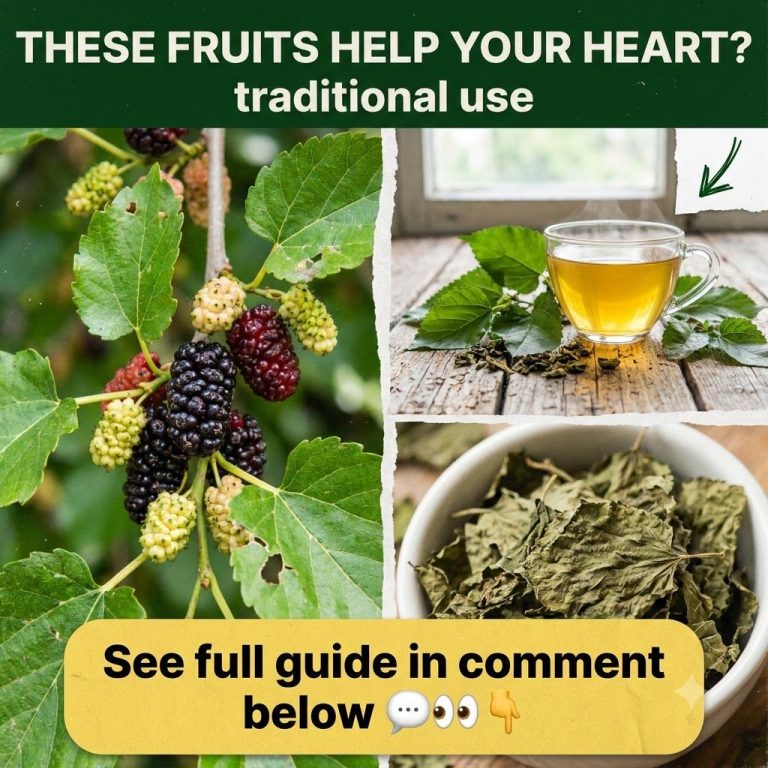 The mulberry tree offers both delicious fruit and highly prized leaves.
Ingredients for Mulberry Leaf Tea
The beauty of this traditional remedy lies in its simplicity. All you really need are mulberry leaves and water.
- Dried Mulberry Leaves: Approximately 1-2 teaspoons per cup of water.
- Fresh Mulberry Leaves: Approximately 2-3 fresh, medium-sized leaves per cup of water.
- Filtered Water: Essential for the best flavor and purity.
Approximate Measurements
For a standard 8-ounce cup of tea:
- Dried Leaves: 1 teaspoon (about 2 grams) for a mild tea, 2 teaspoons (about 4 grams) for a stronger brew.
- Fresh Leaves: 2-3 medium leaves.
Adjust these amounts to your personal taste and desired strength. Start with less and increase if you prefer a more robust flavor.
Formula / Recipe: Mulberry Leaf Heart Tea
Step-by-Step Method
- Harvest or Measure: If using fresh leaves, choose young, healthy leaves free from pests or damage. Rinse them thoroughly under cool running water. If using dried leaves, measure out the desired amount.
- Prepare the Leaves: For fresh leaves, you can gently tear them or bruise them slightly to help release their compounds. This isn’t strictly necessary but can enhance extraction. Dried leaves are ready as is.
- Heat the Water: Bring your filtered water to a near boil, aiming for around 200°F (93°C). Avoid a rolling boil, which can sometimes degrade delicate compounds.
- Steep: Place the mulberry leaves (fresh or dried) into a tea infuser, teapot, or directly into your cup. Pour the hot water over the leaves.
- Cover and Infuse: Cover your cup or teapot to trap the beneficial steam and compounds. Allow the tea to steep for 5-10 minutes. For a stronger brew, steep longer.
- Strain and Serve: Remove the infuser or strain the leaves from the tea. Your heart-healthy mulberry leaf tea is ready to enjoy. You can drink it plain or add a touch of natural sweetener like honey, though it has a pleasant, mild grassy flavor on its own.
Quick Tip: Fresh vs. Dried
While both fresh and dried mulberry leaves are effective, dried leaves offer convenience and longer shelf life. Fresh leaves, when available, can sometimes provide a slightly brighter, more vibrant flavor profile.
How to Use
Mulberry leaf tea is best consumed warm. It can be enjoyed at any time of day, though some prefer it before or with meals, particularly if focusing on its potential blood sugar management benefits. It’s a gentle tea, making it a pleasant addition to your daily routine.
How Often to Use
For general heart health support and to maintain consistent benefits, drinking 1-2 cups of mulberry leaf tea per day is commonly suggested in traditional practices. Consistency is key with herbal remedies; integrate it into your daily rhythm for the best results.
How to Buy / How to Choose Ingredients
When sourcing mulberry leaves, quality matters significantly. Here’s what to look for:
- Organic Certification: Always opt for organic mulberry leaves to ensure they are free from pesticides and herbicides.
- Reputable Suppliers: Purchase from trusted herbalists, health food stores, or online retailers known for high-quality botanical products.
- Visual Inspection (Dried): The leaves should appear green, not brown or yellow, indicating freshness. Avoid any products that look dusty or have an off smell.
- Wildcrafting/Growing Your Own: If you have access to a mulberry tree, you can harvest your own leaves. Ensure the tree is not near roadsides or areas sprayed with chemicals. Harvest young to mature leaves during the growing season.
Storage
Dried Mulberry Leaves
Proper storage is crucial to preserve the potency and flavor of your dried leaves.
- Airtight Container: Store in a glass jar with a tight-fitting lid or a heavy-duty, resealable bag.
- Cool, Dark Place: Keep away from direct sunlight, heat, and humidity, which can degrade the compounds. A pantry or cupboard is ideal.
- Longevity: Properly stored dried leaves can last for 1-2 years without significant loss of potency.
Fresh Mulberry Leaves
Fresh leaves are more perishable.
- Refrigeration: Store fresh leaves in a paper towel-lined bag in the refrigerator for up to 5-7 days.
- Drying for Later Use: If you have an abundance of fresh leaves, consider drying them yourself for long-term storage. Spread them thinly on a screen in a well-ventilated, shaded area, or use a food dehydrator until completely brittle.
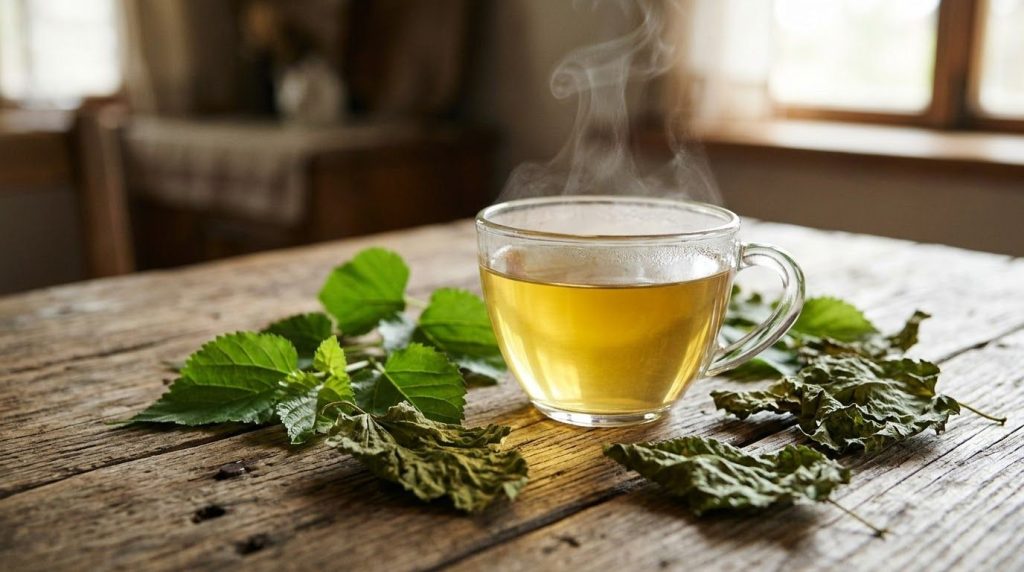 Mulberry leaf tea is a soothing and beneficial brew for daily wellness.
Practical Tips
- Experiment with Steep Time: Find your ideal strength by adjusting how long you steep the leaves.
- Combine with Other Herbs: Mulberry leaf tea has a mild flavor that pairs well with ginger, lemon, or a hint of mint for added flavor and benefits.
- Iced Tea Option: Brew a stronger batch, let it cool, and serve over ice for a refreshing summer drink.
- Use as a Rinse: Beyond drinking, a cooled infusion of mulberry leaves can be used as a hair rinse for scalp health or as a skin toner.
Common Mistakes
Even with simple remedies, small errors can reduce effectiveness.
- Using Sprayed Leaves: Never use leaves from trees that have been treated with pesticides or other chemicals. This is paramount for your health.
- Boiling Instead of Steeping: Boiling the leaves too vigorously can destroy some heat-sensitive compounds. Always use hot, not boiling, water for steeping.
- Improper Storage: Exposing dried leaves to light, air, or moisture will quickly diminish their potency and flavor.
- Ignoring Cautions: Assuming natural remedies are always safe for everyone is a mistake. Always check for potential interactions or contraindications.
- Not Being Consistent: Herbal remedies often require consistent use over time to show noticeable benefits. Sporadic use may not yield desired results.
Cautions / Who Should Avoid It
While generally safe for most, mulberry leaf tea does have some considerations:
- Pregnancy and Breastfeeding: There isn’t enough reliable information about the safety of mulberry leaves during pregnancy or breastfeeding. It’s best to avoid use or consult a healthcare professional.
- Diabetes Medication: Mulberry leaves can lower blood sugar levels. If you are taking medication for diabetes, monitor your blood sugar closely and consult your doctor, as your medication dosage may need adjustment.
- Blood Thinners: Some research suggests mulberry leaves may have mild anticoagulant properties. If you are on blood-thinning medication, consult your doctor.
- Allergies: While rare, some individuals may be allergic to mulberries or related plants. Discontinue use if you experience any adverse reactions.
- Surgery: Due to its potential effects on blood sugar, discontinue use at least two weeks before scheduled surgery.
Quick Summary
Mulberry leaves offer a simple, natural way to support heart health and overall well-being. Best enjoyed as a daily tea, they are easy to prepare and store. Remember to source organic leaves, steep gently, and be mindful of any personal health conditions or medications.
AspectKey InformationBest PreparationTea (hot or iced)Best Use-CaseDaily heart health support, blood sugar managementStorageAirtight container, cool, dark place (dried leaves 1-2 years)When to Use1-2 cups daily, with or without mealsWhat to AvoidSprayed leaves, boiling, improper storage, use with certain medicationsFAQ
- Can I use fresh mulberry leaves instead of dried ones?
- Yes, absolutely! Fresh leaves are excellent. Use 2-3 medium fresh leaves per cup of tea.
- How long do dried mulberry leaves last?
- When stored properly in an airtight container in a cool, dark place, dried mulberry leaves can retain their potency for 1 to 2 years.
- Can I refrigerate mulberry leaf tea?
- Yes, brewed mulberry leaf tea can be stored in an airtight container in the refrigerator for up to 2-3 days. It makes a refreshing iced tea.
- How often should I drink mulberry leaf tea for heart health?
- For consistent support, 1-2 cups daily is a common recommendation in traditional practices.
- What part of the mulberry tree is best for this remedy?
- For this specific remedy focusing on heart health, the young to mature leaves are the primary part used, typically dried or steeped fresh.
- Can mulberry leaf tea interact with medications?
- Yes, it can potentially interact with diabetes medications (due to blood sugar lowering effects) and possibly blood thinners. Always consult your doctor if you are on medication.
- Does mulberry leaf tea taste bitter?
- No, it has a surprisingly mild, slightly grassy, and earthy flavor that is generally pleasant and not bitter.
- Is it safe to pick mulberry leaves from any tree?
- Only pick leaves from trees you know are free from pesticides or chemical sprays, ideally organic or from a trusted wild source far from roadsides.
Conclusion
The humble mulberry leaf, often overshadowed by its sweet fruit, offers a treasure trove of natural compounds dedicated to supporting your cardiovascular system. By incorporating this simple, traditional tea into your daily routine, you’re embracing a time-honored approach to heart wellness. It’s a testament to nature’s profound ability to provide effective, accessible remedies. Start brewing your way to a healthier heart today!