Most people walk past the vibrant bottle brush flowers, admiring their striking beauty without realizing the surprising secret they hold. Far from being just a garden ornamental, these unique blooms can be transformed into a delightfully refreshing drink, offering a taste of the garden in a glass. But before you rush to your backyard, there are a few crucial steps to ensure your ‘garden to glass’ journey is safe and delicious.
What is Bottle Brush?
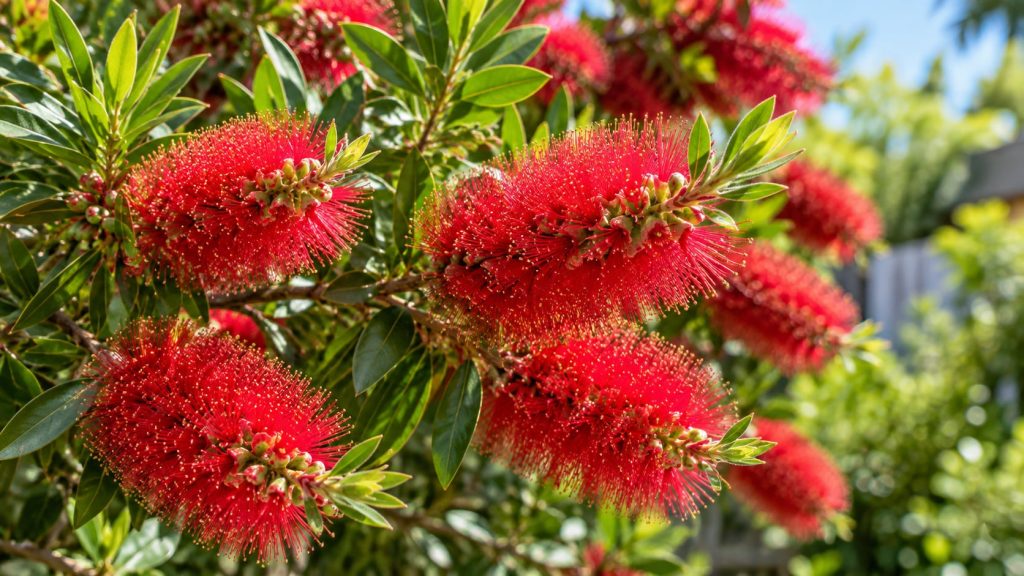
The bottle brush plant, primarily species of Callistemon, is known for its distinctive, cylindrical flowers resembling a brush. While many varieties are cultivated for their ornamental appeal, certain species are indeed edible. These beautiful crimson or pink blooms are not only visually appealing but also carry a mild, sometimes slightly tangy or floral flavor that translates wonderfully into beverages. The key is proper identification and ensuring your chosen plant is free from pesticides or other chemical treatments.
Quick Tip: Confirming Edible Varieties
Not all bottle brush species are recommended for consumption. The most commonly cited edible variety is Callistemon citrinus. Always confirm the exact species of your plant before attempting to make an infusion, and ensure it has never been treated with chemicals.
Ingredients for Your Bottle Brush Infusion
To craft your own bottle brush flower infusion, you’ll need just a few simple items:
- Fresh, edible bottle brush flowers: About 1 cup, loosely packed.
- Filtered water: 4 cups.
- Natural sweetener: 2-4 tablespoons of honey, maple syrup, or sugar, adjusted to taste.
- Optional additions: 1-2 slices of fresh lemon or lime, a few sprigs of mint for extra zest.
Step-by-Step Method: Making Your Infusion
Creating your bottle brush beverage is a straightforward process:
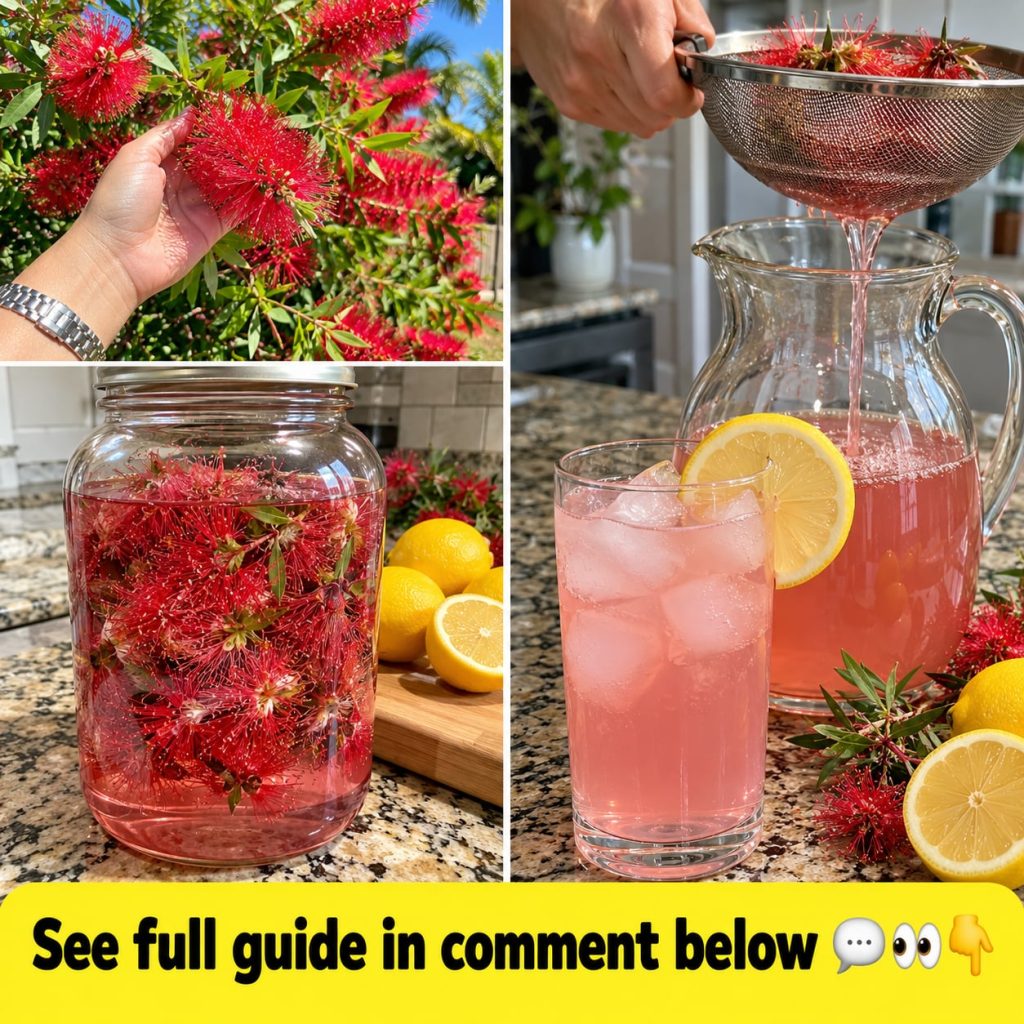
- Harvesting: Carefully snip about 1 cup of fresh bottle brush flowers from a plant you know to be free of pesticides and chemicals. Choose vibrant, healthy blooms.
- Rinsing: Gently rinse the flowers under cool running water to remove any dust, small insects, or debris. Pat them lightly dry with a clean cloth or paper towel.
- Infusion Prep: For a vibrant color and subtle flavor, cold infusion often works best. Place the rinsed bottle brush flowers into a clean pitcher or jar.
- Add Water: Pour 4 cups of filtered water over the flowers.
- Steeping: Cover the pitcher and refrigerate for at least 4 hours, or preferably overnight, to allow the flavors and color to infuse slowly.
- Strain: Once infused, strain the liquid through a fine-mesh sieve or cheesecloth into another clean container, discarding the spent flowers.
- Sweeten & Serve: Add your chosen sweetener to taste, stirring until dissolved. If using, add lemon/lime slices or mint sprigs. Serve chilled, perhaps over ice.
Did You Know? Hot vs. Cold Infusion
| Feature | Cold Infusion | Hot Infusion |
|---|---|---|
| Preparation | Flowers steeped in cold water, refrigerated | Flowers steeped in hot (not boiling) water |
| Steeping Time | 4-12 hours | 15-30 minutes |
| Flavor Profile | Milder, more nuanced, less bitter notes | Stronger, sometimes more intense, can be bitter if over-steeped |
| Color | Gradual, vibrant, clear | Quicker extraction, can be murkier |
| Best For | Refreshing, subtle drinks, retains delicate notes | Potent infusions, when time is short |
How to Use Your Bottle Brush Drink
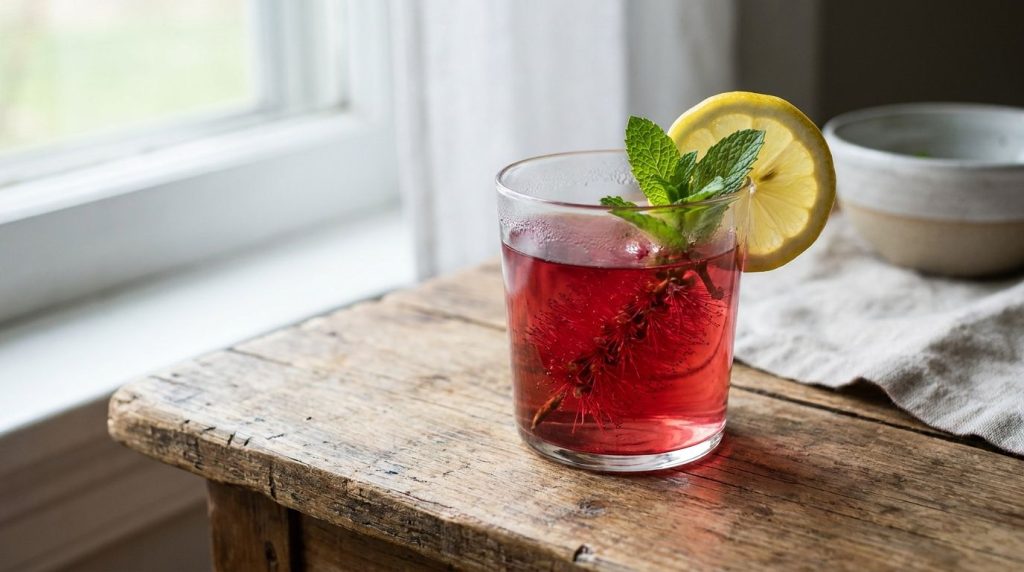
This bottle brush flower infusion is a versatile drink. Enjoy it as a standalone refreshing beverage on a warm day, or use it as a base for creative mocktails. It can also be a unique mixer for spirits, adding a floral and slightly tangy note to cocktails. Garnish with a fresh sprig of mint or a slice of citrus for an elegant touch.
How Often to Use
As a delightful and natural drink, the bottle brush infusion can be enjoyed whenever you desire a refreshing, unique beverage. There are no strict guidelines for frequency, but like all new foods, moderation is always wise, especially when first introducing it to your diet.
How to Choose & Buy Ingredients
The most critical step in making this drink is sourcing your bottle brush flowers safely.
- Grow Your Own: The ideal scenario is to grow your own Callistemon plant, ensuring it’s an edible variety and that no pesticides, herbicides, or chemical fertilizers are used.
- Foraging: If foraging, be absolutely certain of the plant’s identity (Callistemon citrinus is a common edible species) and that the area is free from chemical sprays, pollution, and pet waste. Avoid roadside plants.
- Local Nurseries/Herbalists: Ask local nurseries if they sell edible varieties of bottle brush or if they can source them. Reputable herbalists might also offer guidance or dried edible flowers.
- Freshness: Always choose vibrant, healthy-looking flowers. Avoid any that are wilting, discolored, or show signs of pest damage.
Storage
Once prepared, store your bottle brush flower infusion in an airtight container or pitcher in the refrigerator. It typically stays fresh for 3-5 days. Beyond this, the flavor can diminish, and spoilage may occur. Do not leave it at room temperature for extended periods.
Practical Tips
- Flavor Boosts: Enhance the flavor by adding other ingredients during the infusion process, such as a few slices of ginger, a cinnamon stick, or other complementary edible flowers like hibiscus or rose petals.
- Sweetener Variations: Experiment with different natural sweeteners. Agave nectar or stevia can also be used.
- Ice Cubes: Freeze some of the infusion into ice cubes to keep your drink cool without diluting the flavor.
- Garnish Creatively: Beyond lemon and mint, consider adding edible flower petals or berries for a visually stunning presentation.
Common Mistakes
- Incorrect Identification: The biggest mistake is using a bottle brush variety that isn’t edible or one that has been sprayed with harmful chemicals. Always verify your plant source.
- Over-Steeping: While generally mild, steeping for excessively long periods, especially with hot water, can sometimes lead to a slightly bitter taste.
- Ignoring Cleanliness: Not properly rinsing the flowers can introduce dust, pollen, or small insects into your drink.
- Poor Storage: Leaving the drink out or storing it improperly can lead to spoilage and a loss of freshness.
Cautions / Who Should Avoid It
While edible bottle brush flowers are generally considered safe for consumption in moderation, certain precautions are advised:
- Plant Identification: Always be 100% certain of your plant identification. If in doubt, do not consume.
- Pesticides/Chemicals: Never use flowers from plants that have been treated with pesticides, herbicides, or other chemicals.
- Allergies: If you have known plant allergies, particularly to plants in the Myrtaceae family, exercise caution. Start with a small amount to check for adverse reactions.
- Pregnancy/Nursing: Pregnant or nursing individuals should consult a healthcare professional before consuming any new herbal remedies or infusions.
- Medical Conditions: If you have underlying medical conditions or are taking medications, speak with your doctor, as some plant compounds can interact.
Quick Summary
- Best Preparation: Cold infusion for a delicate, vibrant drink; hot infusion for a stronger flavor.
- Best Use-Case: Refreshing chilled beverage, mocktail base, or unique cocktail mixer.
- Storage: Refrigerate in an airtight container for 3-5 days.
- When to Use: Whenever you desire a natural, floral, and refreshing drink.
- What to Avoid: Unidentified plants, chemically treated flowers, over-steeping (especially hot), and poor storage.
FAQ
- Can I use any bottle brush flower for this drink? No, only specific edible species of Callistemon should be used, and only if you are certain they are free from pesticides and chemicals. Callistemon citrinus is a commonly cited edible variety.
- How long does the bottle brush drink last in the refrigerator? It typically lasts for 3-5 days when stored in an airtight container in the refrigerator.
- Can I use dried bottle brush flowers? While fresh flowers are ideal for color and subtle flavor, you can experiment with dried flowers. The flavor profile might be more concentrated, so use less and taste as you go.
- What if my drink tastes bitter? Bitterness can occur from over-steeping, especially with hot water, or using certain parts of the plant. Try reducing steeping time or using a cold infusion method.
- Is this drink safe for children? While generally considered safe for adults, it’s always best to consult with a pediatrician before introducing new herbal infusions to children.
- How do I know if my specific plant is edible and safe? The best way is to identify the specific species of your plant. If you cannot confirm it’s an edible species (e.g., Callistemon citrinus) and that it’s grown without chemicals, it’s safer to avoid consumption.
Conclusion
The vibrant bottle brush flower offers more than just ornamental beauty; it presents a unique opportunity to create a refreshing and visually stunning beverage straight from your garden. By following safe harvesting practices and careful preparation, you can unlock a surprising twist to this familiar plant. Enjoy the subtle floral notes and beautiful color of this homemade infusion, a true testament to the hidden gifts of nature.
You may also like: Explore other edible flowers to elevate your culinary creations.
Read more: Learn safe foraging practices to discover nature’s bounty responsibly.
