Most people walk past the striking bottlebrush tree, captivated by its fiery blooms, but few realize the powerful traditional wisdom held within its unique flowers. While the fruit often takes center stage in herbal discussions, it’s the distinctive, brush-like flowers and even the leaves of the bottlebrush plant that many herbalists and traditional healers have prized for generations. One small preparation mistake, however, can dilute its potency or even make it less effective. This guide will show you how to harness its natural properties safely and effectively.
What is Bottlebrush Flower?
The bottlebrush plant, scientifically known as Callistemon, is native to Australia and is widely cultivated for its ornamental value. However, beyond its aesthetic appeal, various species of bottlebrush have a history of traditional use, particularly among indigenous communities. The flowers, with their vibrant red filaments resembling a bottle brush, are not just beautiful; they are often the primary focus for remedies aimed at soothing skin, supporting overall wellness, and offering a gentle, cleansing effect.
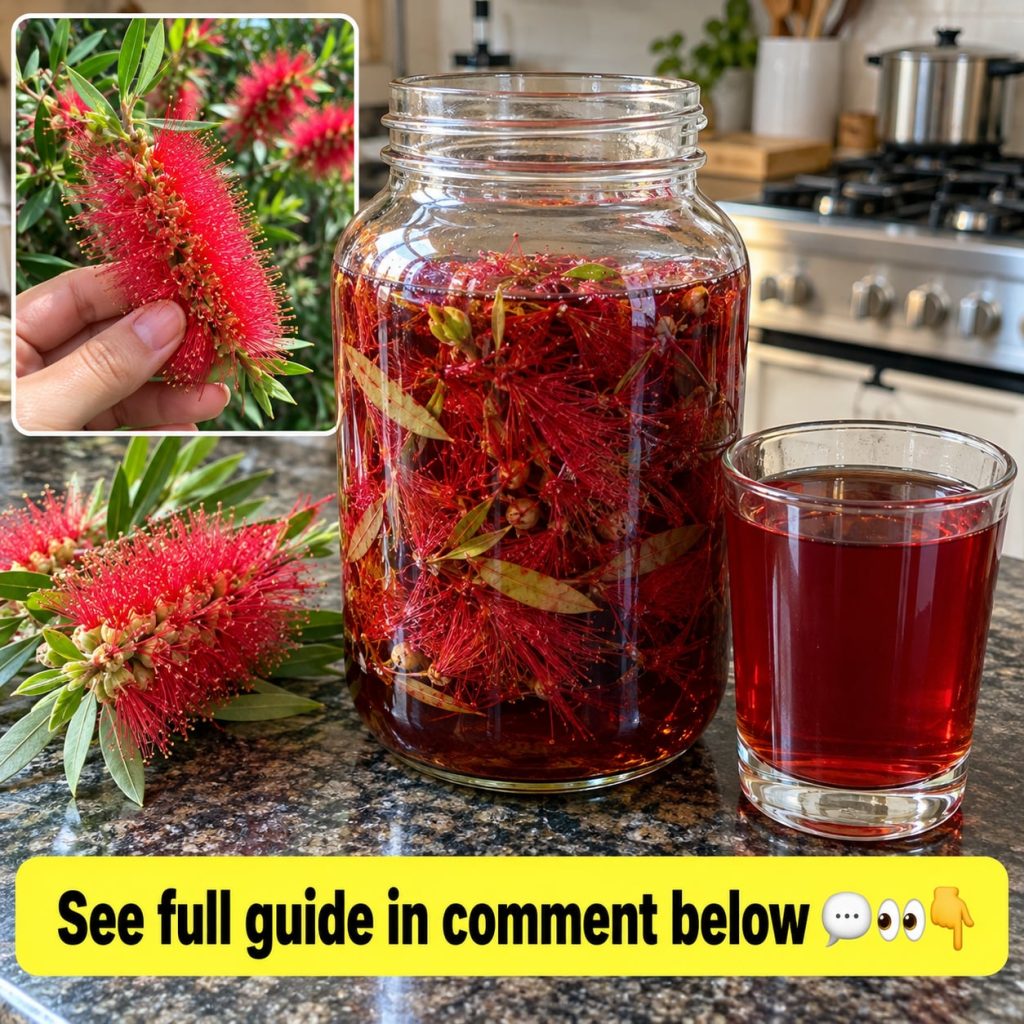
Ingredients for a Bottlebrush Flower Rinse
For a simple yet effective topical rinse, you’ll need minimal ingredients, focusing on the fresh or dried flowers and leaves of the bottlebrush plant.
- Bottlebrush Flowers and Leaves: Roughly 1/2 cup, loosely packed. Ensure they are free from pesticides and environmental pollutants.
- Water: 2 cups, filtered or distilled.
Approximate Measurements
- Fresh Bottlebrush Material: Use slightly more, about 3/4 cup, as fresh plant material contains more water.
- Dried Bottlebrush Material: 1/4 cup is sufficient due to its concentrated nature.
- Water: Always 2 cups for this recipe to maintain consistency.
Formula / Recipe: Bottlebrush Soothing Rinse
This formula creates a gentle, topical rinse ideal for skin soothing or a natural hair treatment.
Step-by-Step Method
- Gather Ingredients: Collect fresh bottlebrush flowers and a few young leaves from a clean, unsprayed plant. Alternatively, measure out your dried material.
- Prepare the Plant Material: Gently rinse fresh flowers and leaves under cool water to remove any dust or insects. Roughly chop them to expose more surface area. If using dried, no chopping is needed.
- Combine and Heat: Place the prepared bottlebrush material into a small saucepan. Pour the 2 cups of filtered or distilled water over it.
- Simmer, Do Not Boil: Bring the water to a gentle simmer over medium-low heat. Do not allow it to come to a rolling boil, as this can degrade delicate compounds. Let it simmer gently for 10-15 minutes.
- Cool and Strain: Remove the saucepan from the heat and allow the mixture to cool completely to room temperature. Once cool, strain the liquid through a fine-mesh sieve or cheesecloth into a clean glass jar or bottle, pressing the plant material to extract all liquid.
- Store: Discard the spent plant material. Your bottlebrush rinse is now ready for use.
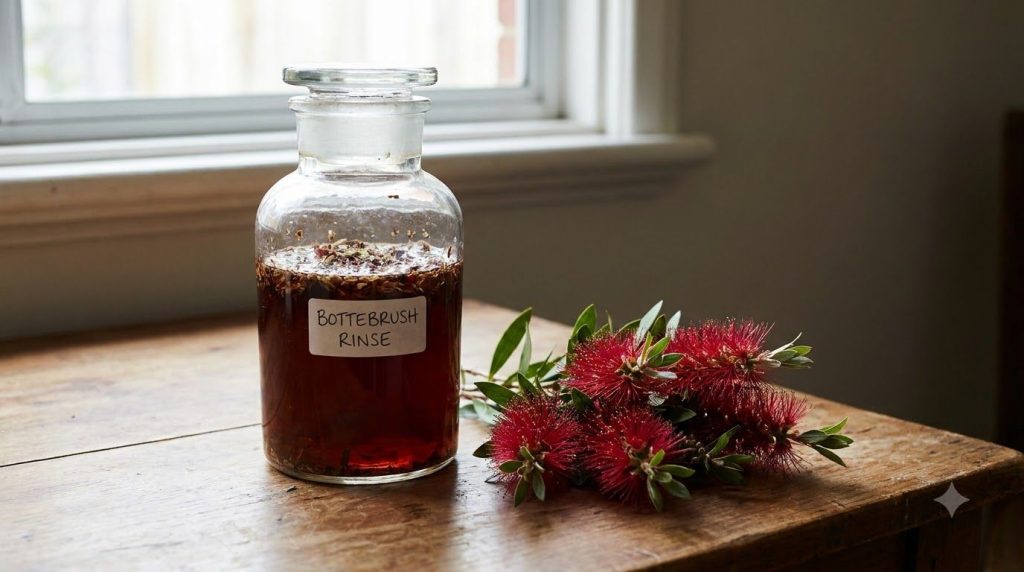
How to Use Your Bottlebrush Rinse
This rinse is primarily for topical application. It’s gentle enough for most skin types and can be used as a calming tonic or a natural hair conditioner.
- For Skin: After cleansing, dampen a cotton pad with the cooled rinse and gently swipe it over your face and neck. You can also use it as a soothing compress on irritated skin areas. Let it air dry or gently pat your skin.
- For Hair: After shampooing and conditioning, pour the rinse over your scalp and hair. Gently massage it in. You can rinse it out after a few minutes with cool water or leave it in for an extra boost, depending on your hair type and preference.
How Often to Use
For skin, you can use the bottlebrush rinse once daily, preferably in the evening. For hair, use it 2-3 times a week, or as needed, to avoid buildup.
Did You Know?
Traditionally, indigenous Australians used decoctions from bottlebrush plants for various purposes, including relief from coughs and colds, and as a general tonic. While this article focuses on topical applications, its historical internal use highlights the plant’s respected place in traditional remedies.
How to Buy / How to Choose Ingredients
Sourcing your bottlebrush material is crucial for safety and effectiveness.
- Grow Your Own: This is the ideal method, ensuring your plant is organic and free from pesticides. Bottlebrush is a hardy plant that thrives in many climates.
- Forage Responsibly: If foraging, be absolutely certain of plant identification. Only harvest from areas far away from roads, industrial zones, or conventionally treated gardens to avoid pollutants. Never strip a plant; take only what you need.
- Herbal Suppliers: Look for reputable organic herbal suppliers if you need dried bottlebrush flowers or leaves. Always check for certifications and sourcing practices.
Fresh vs. Dried Bottlebrush Flowers
Both fresh and dried bottlebrush flowers can be used, but there are some differences:
| Feature | Fresh Bottlebrush Flowers | Dried Bottlebrush Flowers |
|---|---|---|
| Potency | Higher water content, may require more volume. | More concentrated, less volume needed. |
| Availability | Seasonal, if growing yourself. | Year-round from suppliers. |
| Preparation | Requires gentle rinsing and chopping. | Ready to use. |
| Storage | Use immediately or dry for later. | Store in airtight container, cool, dark place. |
Storage
Store your homemade bottlebrush rinse in a clean, airtight glass bottle or jar in the refrigerator. It should remain fresh for up to 5-7 days. If you notice any cloudiness, unusual smell, or mold, discard it immediately.
Practical Tips
- Patch Test: Always perform a patch test on a small area of skin before applying the rinse widely, especially if you have sensitive skin or known allergies.
- Consistency is Key: For best results, incorporate the rinse consistently into your routine.
- Combine with Carrier Oils: For very dry skin, follow up the rinse with a natural moisturizer or a light application of a carrier oil like jojoba or almond oil to lock in hydration.

Common Mistakes
- Boiling Aggressively: A common error is boiling the plant material vigorously. This can destroy delicate compounds, resulting in a less effective remedy. Always simmer gently.
- Using Sprayed Plants: Harvesting from plants treated with pesticides or herbicides introduces harmful chemicals into your rinse. Ensure your source is clean.
- Improper Storage: Leaving the rinse at room temperature for too long or in an unsealed container can lead to bacterial growth and spoilage. Refrigerate promptly.
- Misidentification: While bottlebrush is distinctive, always be 100% certain of your plant identification if foraging to avoid using the wrong plant.
Cautions / Who Should Avoid It
While bottlebrush is generally considered safe for topical use, it’s always wise to exercise caution:
- Allergies: If you have allergies to other flowering plants, conduct a patch test first. Discontinue use if irritation occurs.
- Internal Use: This guide is for topical use only. Do not ingest the bottlebrush rinse without consulting a qualified herbalist or healthcare professional, as internal use has different considerations and potential interactions.
- Pregnancy and Breastfeeding: As with many herbal remedies, if you are pregnant or breastfeeding, consult your doctor before using bottlebrush preparations.
- Open Wounds: Avoid applying the rinse to open wounds or broken skin.
Quick Summary
- Best Preparation: Gentle simmered rinse from fresh or dried bottlebrush flowers and leaves.
- Best Use-Case: Topical application for soothing skin, calming irritation, and as a hair tonic.
- Storage: Refrigerate in an airtight container for 5-7 days.
- When to Use: Daily for skin, 2-3 times a week for hair.
- What to Avoid: Aggressive boiling, pesticide-treated plants, improper storage, and internal use without professional guidance.
FAQ
Here are some frequently asked questions about using bottlebrush flowers:
- Can I use fresh or dried bottlebrush for the rinse?
Both fresh and dried can be used. Adjust quantities as fresh requires more volume due to higher water content. - How long does the homemade rinse last?
Stored in the refrigerator, it lasts about 5-7 days. Always discard if it looks or smells off. - Can I freeze the bottlebrush rinse?
Yes, you can freeze it in ice cube trays for longer storage. Thaw a cube as needed for a single application. - What part of the bottlebrush plant is best?
The flowers are most commonly used, but young leaves also contain beneficial compounds and can be included. - Can I reuse the plant material for another batch?
It’s generally not recommended. The beneficial compounds are mostly extracted in the first simmer. - When should I avoid using bottlebrush preparations?
Avoid if you have known allergies to similar plants, on broken skin, or if pregnant/breastfeeding without medical advice. - Is bottlebrush tea safe to drink?
This guide focuses on topical use. While historically used internally, consult a qualified herbalist or healthcare provider before ingesting any bottlebrush preparation.
The humble bottlebrush flower, often overlooked for its more common garden counterparts, holds a rich history of traditional use and offers a gentle, natural approach to personal care. By following these simple steps, you can create your own soothing rinse, connecting with centuries of natural wisdom. Always prioritize clean sourcing and responsible preparation to enjoy the full benefits.
You may also like: The Ultimate Guide to Homemade Rose Water
Read more: DIY Chamomile Skin Tonic for Calm Complexion