Stubborn rust stains can be a real headache, marring the look of your bathroom fixtures, tools, or outdoor furniture. Before you reach for harsh chemicals, consider a surprisingly simple, budget-friendly, and eco-conscious solution using two everyday kitchen staples: Coca-Cola and salt! This unexpected duo can tackle those unsightly orange-brown blemishes, restoring the shine to many metal surfaces.
The Unexpected Rust-Busting Duo: Coca-Cola and Salt
It might sound like a strange combination, but the chemistry behind this hack is surprisingly effective. Coca-Cola, particularly the classic variety, contains phosphoric acid, a common ingredient in many commercial rust removers. When combined with the abrasive and mildly corrosive properties of salt, it creates a powerful solution that can dissolve and lift rust right off the surface.
What You’ll Need
- Coca-Cola (any type, but classic works best due to phosphoric acid)
- Table salt (iodized or non-iodized)
- Small bowl or container
- Scrub brush, old toothbrush, or abrasive sponge
- Clean cloths or rags
- Gloves (optional, but recommended for prolonged contact)
- Water for rinsing
Step-by-Step Guide to Your DIY Rust Remover
Follow these simple steps to banish rust from your home:
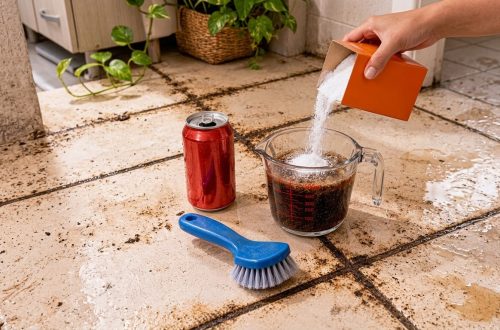
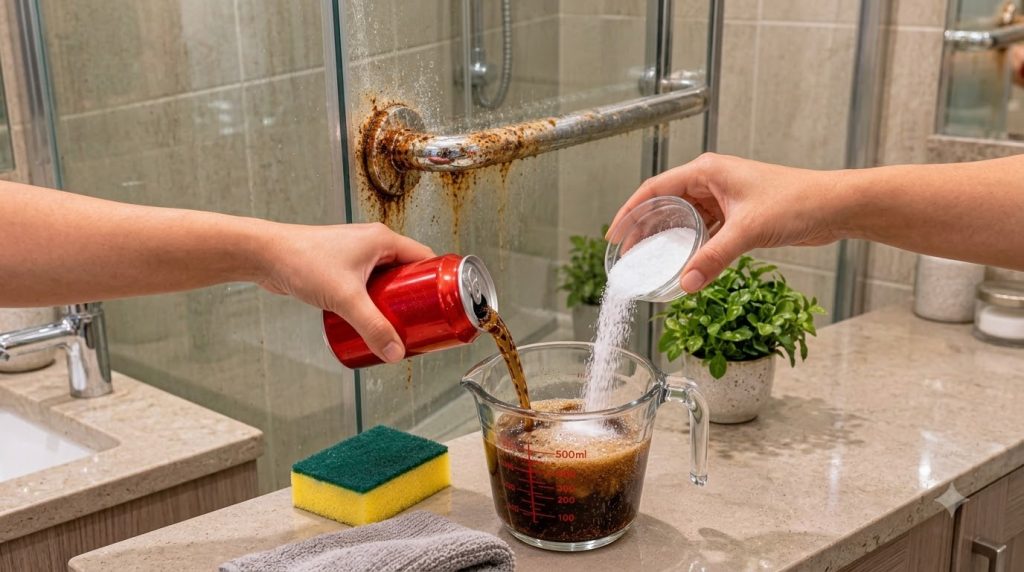
- Prepare the Mixture: In a small bowl, pour enough Coca-Cola to submerge the rusted item, or to create a paste if you’re working on a larger surface. Add a generous amount of salt – aim for a ratio where the salt creates a slightly gritty texture in the soda. If making a paste for vertical surfaces, add more salt until it’s thick enough to cling.
- Apply the Solution:
- For Small Items: Submerge the rusted item directly into the Coca-Cola and salt mixture. Let it soak for at least 1-2 hours, or even overnight for heavily rusted pieces.
- For Large or Fixed Surfaces: Apply the paste directly to the rusted area. You can also saturate a cloth in the liquid mixture and lay it over the rust stain. Ensure the area is well-covered.
- Let it Work: The longer the contact time, the better the results. The fizzing action indicates the acid is working to break down the rust.
- Scrub Away: After soaking or dwelling, use your scrub brush, toothbrush, or abrasive sponge to gently scrub the rusted area. You should see the rust beginning to lift and disappear. For tougher spots, a bit more elbow grease may be needed.
- Rinse Thoroughly: Once the rust is gone, rinse the item or surface thoroughly with clean water to remove any sticky soda residue and salt.
- Dry Immediately: Dry the cleaned area completely with a clean cloth to prevent new rust from forming.
How It Works: The Science Behind the Fizz
The magic of this hack lies in the chemical properties of its ingredients:
- Phosphoric Acid in Coca-Cola: This acid reacts with iron oxides (rust) to convert them into iron phosphate, a black, more stable compound that is easier to scrub away. This chemical conversion process helps to loosen and dissolve the rust.
- Salt (Sodium Chloride): Salt acts as an abrasive, helping to physically scour away the loosened rust particles. It can also slightly enhance the corrosive action on the rust, speeding up the process.
- Carbonation: The carbon dioxide bubbles in Coca-Cola provide a gentle agitation, helping to lift away rust particles and ensuring the acid comes into continuous contact with the metal surface.
Where to Use This Hack (and Where Not To)
This rust remover is great for a variety of items:
- Chrome fixtures (e.g., bathroom taps, showerheads)
- Garden tools and implements
- Nuts, bolts, and small metal hardware
- Cast iron cookware (be sure to re-season afterwards!)
- Bike chains and other metal parts
- Outdoor furniture
Caution: While generally safe, avoid using this on very delicate or antique metals, painted surfaces, or aluminum, as the acid could potentially damage or discolor them. Always test in an inconspicuous area first.
Tips for Best Results
- For very heavy rust, multiple applications or longer soaking times may be necessary.
- A plastic container is ideal for soaking to avoid damage to your sink or other surfaces.
- Use an old toothbrush to get into crevices and tight spots.
- After drying, apply a thin coat of oil (like mineral oil or WD-40) to prevent future rust, especially on tools.
Safety First
While these are common household items, it’s always wise to take precautions:
- Wear gloves to protect your hands from prolonged contact with the acidic mixture.
- Ensure good ventilation if working in an enclosed space.
- Keep the mixture out of reach of children and pets.
Say goodbye to those pesky rust stains with this simple, effective, and surprisingly satisfying DIY solution. You’ll be amazed at how easily you can restore your rusted items to their former glory, proving once again that some of the best home hacks are found right in your pantry!