Dip into Delicious: Your Ultimate Guide to Homemade Dipping Sauces
Ready to transform ordinary meals into extraordinary culinary experiences? Homemade dipping sauces are the secret ingredient you’ve been missing! Forget bland store-bought options; crafting your own sauces at home opens up a world of fresh flavors, vibrant textures, and endless customization.
Whether you’re looking for the perfect accompaniment to crispy fries, juicy grilled meats, fresh spring rolls, or a simple vegetable platter, this guide to homemade dipping sauces will inspire you to create delicious, restaurant-quality condiments right in your own kitchen. Elevate every bite with a splash of homemade goodness that’s tailored exactly to your taste preferences.
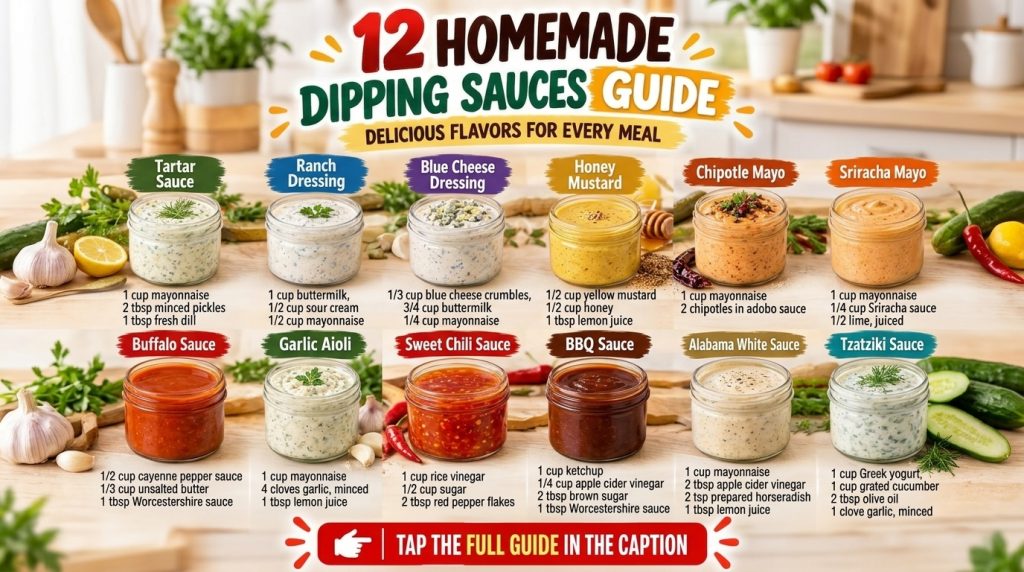
Why You’ll Love Making Homemade Dipping Sauces
- Unmatched Freshness: Enjoy sauces made with the freshest ingredients, free from artificial preservatives and excessive sodium.
- Customizable Flavors: Adjust sweetness, spice, tang, and herbs to perfectly match your palate and the dish you’re serving.
- Cost-Effective: Often cheaper than buying specialty sauces from the store, especially when using pantry staples.
- Impress Your Guests: Homemade sauces add a sophisticated touch to any meal or party spread.
- Endless Variety: From creamy to spicy, tangy to herby, the possibilities are limitless once you understand the basics.
- Dietary Control: Easily cater to dietary needs or preferences like gluten-free, dairy-free, or vegan by choosing appropriate ingredients.
Essential Ingredients for Homemade Dipping Sauces
While specific recipes vary, most homemade dipping sauces rely on a combination of these core components:
- Bases: Mayonnaise, Greek yogurt, sour cream, olive oil, vegetable broth, coconut milk, tahini, pureed avocado, or even water (for thin sauces).
- Acids: Lemon juice, lime juice, apple cider vinegar, white wine vinegar, rice vinegar, balsamic vinegar. These brighten flavors.
- Sweeteners: Honey, maple syrup, sugar, agave nectar. Used to balance acidity and spice.
- Aromatics: Garlic (fresh or powdered), onion (fresh or powdered), shallots, ginger. Provide foundational flavor.
- Herbs: Fresh parsley, cilantro, dill, chives, basil, mint, oregano. Add freshness and specific aromatic notes. Dried herbs can also be used but in smaller quantities.
- Spices: Paprika, chili powder, cumin, coriander, turmeric, cayenne pepper, black pepper. Offer warmth, heat, and complex flavors.
- Umami Boosters: Soy sauce, Worcestershire sauce, fish sauce, Dijon mustard, nutritional yeast, tomato paste. Add depth and savory notes.
- Fats: Olive oil, sesame oil, avocado oil. Help emulsify, carry flavor, and add richness.
Equipment You’ll Need
Making delicious dipping sauces doesn’t require a lot of specialized equipment. Here are the basics:
- Mixing Bowls: A set of various sizes for combining ingredients.
- Whisk: Essential for emulsifying ingredients and achieving a smooth consistency.
- Measuring Cups and Spoons: For accurate ingredient proportions.
- Cutting Board and Sharp Knife: For prepping fresh herbs, garlic, and other aromatics.
- Citrus Juicer: To easily extract fresh juice from lemons or limes.
- Mini Food Processor or Blender (Optional): Useful for very smooth sauces, pureeing ingredients, or making larger batches.
- Airtight Containers: For storing your finished sauces.
How to Make Your Own Homemade Dipping Sauces
The beauty of homemade sauces lies in their adaptability. Here’s a general approach to crafting your own flavorful dips:
- Choose Your Base: Start with a foundation that suits your desired texture and flavor profile. Creamy bases like yogurt or mayo are great for rich dips, while oil or broth bases work well for lighter vinaigrettes or marinades.
- Add Your Aromatics: Mince fresh garlic, shallots, or ginger finely. If using powders, add them now. These are the backbone of your sauce’s flavor.
- Introduce Acidity: Squeeze in fresh lemon or lime juice, or pour in a splash of vinegar. Start with a small amount and taste as you go; acidity brightens and balances the sauce.
- Season with Spices and Herbs: Mix in your chosen dried spices and freshly chopped herbs. Remember, dried spices need a little time to bloom, while fresh herbs add vibrant, immediate flavor.
- Balance with Sweetness and Umami: If needed, add a touch of honey, maple syrup, or a dash of soy sauce or Dijon mustard to round out the flavors.
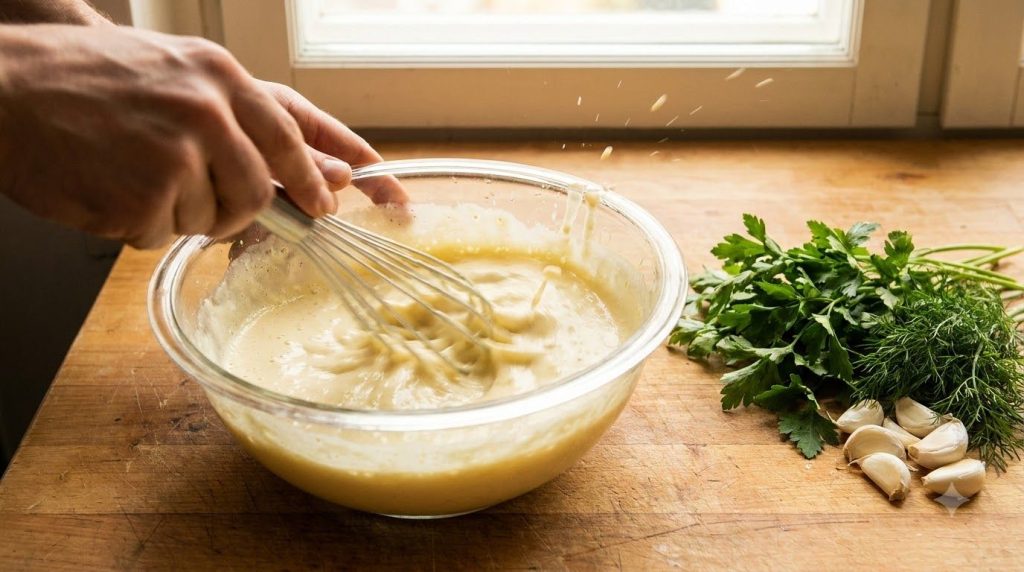
- Whisk and Emulsify: Vigorously whisk all ingredients together until well combined and smooth. If using oil as a primary base, drizzle it in slowly while whisking continuously to create an emulsion.
- Taste and Adjust: This is the most crucial step! Taste a small spoonful and consider what it needs. More salt? A pinch more sugar? A touch more acid? Don’t be afraid to experiment until it’s perfect.
- Rest and Chill: For most sauces, covering and chilling in the refrigerator for at least 30 minutes (or longer) allows the flavors to meld and deepen.
Pro Tips for the Best Results
- Use Fresh Ingredients: Whenever possible, opt for fresh garlic, herbs, and citrus juice. They make a noticeable difference in flavor.
- Taste as You Go: Sauces are all about balance. Continuously taste and adjust seasonings, especially salt, acid, and sweetness, until it’s just right.
- Let Flavors Meld: Many sauces taste even better after chilling for at least 30 minutes to an hour. This allows the ingredients to get to know each other.
- Finely Mince Aromatics: For a smooth sauce, ensure garlic, ginger, and other solid aromatics are very finely minced or grated.
- Don’t Over-Salt Initially: It’s easier to add more salt than to fix an over-salted sauce. Season gradually.
- Start with a Small Batch: If experimenting with new flavor combinations, start with smaller quantities so you can easily adjust if needed.
- Consider Texture: Think about the consistency you want. For a thicker dip, use less liquid or a thicker base. For a pourable sauce, add a bit more liquid (water, broth, or oil).
Common Mistakes to Avoid
- Not Tasting Enough: The biggest mistake! Your palate is your best guide. Taste, adjust, taste again.
- Using Old Spices: Spices lose their potency over time. Replace them every 6-12 months for optimal flavor.
- Adding Too Much Heat Too Soon: Chili and hot sauces can be intense. Start with a small amount, taste, and gradually add more if you want extra kick.
- Forgetting About Balance: A great sauce has a balance of salty, sweet, sour, and sometimes bitter or umami notes. Don’t let one flavor overpower the others.
- Poor Storage: Leaving sauces out at room temperature for too long can lead to spoilage. Always store homemade sauces properly in the refrigerator.
Variations & Substitutions
This is where the fun begins! Once you have a basic understanding, you can create endless variations.
- Creamy & Tangy: Combine Greek yogurt or sour cream with fresh dill, lemon juice, garlic, salt, and pepper for a classic tzatziki-like dip.
- Spicy & Sweet: Mix mayonnaise with sriracha, honey, and a touch of lime juice for a vibrant, flavorful sauce.
- Herby & Bright: Blend olive oil, parsley, cilantro, garlic, red wine vinegar, and a pinch of chili flakes for a chimichurri-inspired sauce.
- Asian-Inspired: Whisk soy sauce, rice vinegar, sesame oil, minced ginger, and a touch of honey for a versatile dipping sauce for dumplings or spring rolls.
- Nutty & Rich: Combine tahini with lemon juice, garlic, water, and cumin for a creamy, earthy dip.
Serving Suggestions
Homemade dipping sauces are incredibly versatile. Here are just a few ideas:
- Appetizers: Serve with fresh vegetable sticks, crackers, pita bread, tortilla chips, or shrimp cocktail.
- Main Courses: Perfect with grilled chicken, steak, fish, tacos, roasted vegetables, or as a spread for sandwiches and wraps.
- Frying Favorites: A must-have for french fries, onion rings, chicken tenders, or homemade potato wedges.
- International Dishes: Elevate spring rolls, dumplings, falafel, or kebabs with a custom sauce.
Storage & Reheating
Proper storage is key to enjoying your homemade sauces safely and for longer.
- Refrigerator: Store most homemade dipping sauces in an airtight container in the refrigerator for 3 to 5 days. Sauces with fresh dairy or raw garlic tend to have a shorter shelf life.
- Freezer: Some oil-based sauces, like a basic pesto or chimichurri (without dairy), can be frozen for up to 1-2 months. Dairy-based sauces generally do not freeze well as they can separate and become grainy upon thawing.
- Best Storage Container: Glass jars with tight-fitting lids or BPA-free plastic containers are ideal.
- Reheating: Most dipping sauces are served chilled or at room temperature. If a sauce has thickened in the fridge, you might need to whisk in a tiny bit of water or oil to restore its desired consistency before serving. Do not reheat dairy-based sauces.
FAQ
Can I make these sauces ahead of time?
Absolutely! Many homemade dipping sauces benefit from being made a few hours or even a day in advance. This allows the flavors to fully meld, resulting in a more complex and delicious dip. Always store them properly in the refrigerator.
How long do homemade dipping sauces last?
The shelf life varies depending on the ingredients. Sauces made with fresh dairy (like yogurt or sour cream) or raw garlic typically last 3-5 days in the refrigerator. Oil- or vinegar-based sauces might last a bit longer, up to a week.
What can I substitute for mayonnaise?
For a lighter or dairy-free option, you can often substitute Greek yogurt, sour cream, or a vegan mayonnaise alternative. For thinner sauces, a neutral oil or vegetable broth can work.
Why did my sauce separate?
Separation can occur if the emulsification breaks, especially in oil-based sauces, or if dairy-based sauces are frozen and thawed. To try and fix it, slowly whisk in a tablespoon of warm water or a little more of the base ingredient (like mayo or yogurt) until it comes back together.
Can I use dried herbs instead of fresh?
Yes, you can. As a general rule, use about one-third the amount of dried herbs compared to fresh, as dried herbs are more concentrated in flavor. Remember that fresh herbs also add a vibrant visual appeal.
How do I make my sauce thicker or thinner?
To thicken a sauce, you can add more of your base ingredient (e.g., mayo, yogurt), a tiny bit of cornstarch slurry (for cooked sauces), or let it chill longer. To thin it, gradually whisk in a small amount of water, broth, milk, or oil until the desired consistency is reached.
Versatile Homemade Dipping Sauce Base
A customizable base recipe for a variety of homemade dipping sauces.
Prep Time: 10 minutes
Cook Time: 0 minutes
Total Time: 10 minutes
Servings: 1 cup (240 ml)
Course: Condiment, Sauce
Cuisine: Global
Cooking Method: Mixing
Ingredients:
- ½ cup (120 ml) base ingredient (e.g., Greek yogurt, sour cream, mayonnaise, olive oil, vegetable broth)
- 1-2 tbsp (15-30 ml) acid (e.g., lemon juice, lime juice, apple cider vinegar)
- ½ tsp (2.5 g) salt, or to taste
- ¼ tsp (1.25 g) black pepper, or to taste
- 1-2 cloves garlic, minced (optional)
- 2-3 tbsp (10-15 g) fresh herbs, chopped (e.g., parsley, cilantro, dill, chives) (optional)
- ½ – 1 tsp (2.5-5 ml) sweetener (e.g., honey, maple syrup) (optional)
- ¼ – ½ tsp (1.25-2.5 g) ground spices (e.g., paprika, cumin, chili powder) (optional)
Instructions:
- In a small mixing bowl, combine your chosen base ingredient with the acid, salt, and black pepper.
- Add any optional ingredients such as minced garlic, chopped fresh herbs, sweetener, or ground spices.
- Whisk all ingredients together thoroughly until well combined and the sauce is smooth.
- Taste the sauce and adjust seasonings as needed. You might want more salt, pepper, acid, or a touch more sweetener to balance the flavors.
- For the best flavor development, cover the bowl and refrigerate the sauce for at least 30 minutes before serving, allowing the flavors to meld.
Notes:
This is a foundational recipe. Feel free to experiment with different combinations of bases, acids, herbs, and spices to create unique sauces perfectly suited to your taste and the dish you’re serving.
Storage:
Store your homemade dipping sauce in an airtight container in the refrigerator for up to 3-5 days, depending on the freshness of your ingredients. Dairy-based sauces tend to have a shorter shelf life.
Nutrition information is an estimate and may vary depending on the ingredients and brands used.