Most people ignore the unassuming berries that thrive in hedgerows and woodlands, assuming they’re just fodder for local wildlife. But what if these tiny, overlooked fruits held the key to a truly delicious, deeply flavorful homemade jam? They do. One small foraging mistake, however, or a misstep in the kitchen, can ruin an entire batch. Learning to identify, harvest, and prepare wild berries for jam is a rewarding skill that connects you to nature and fills your pantry with a taste of the wild.
What It Is: Wild Berry Jam
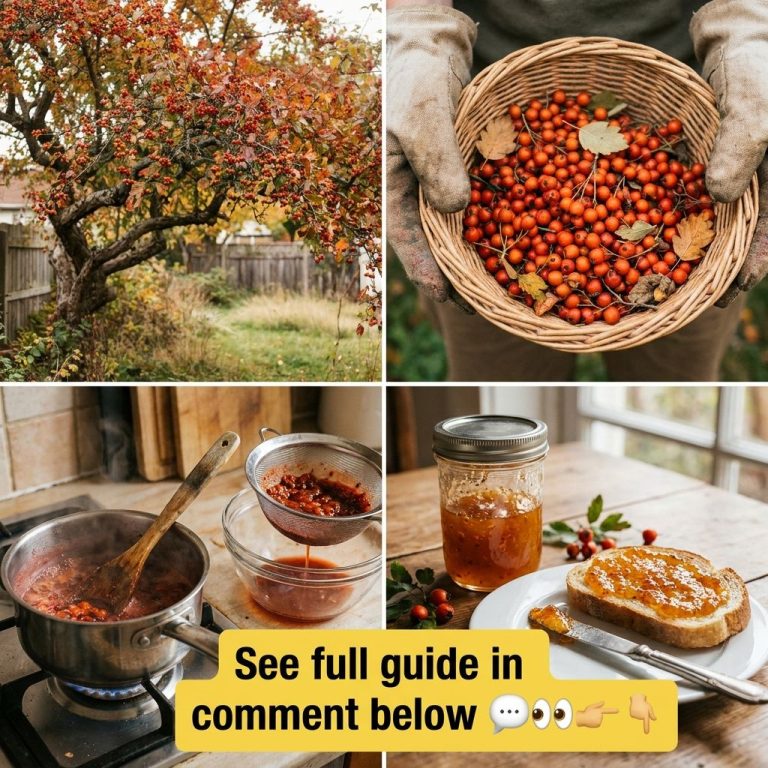
Wild berry jam is a simple preserve made from foraged berries, sugar, and often lemon juice. Unlike store-bought versions that rely on cultivated fruits, wild berry jam offers unique, complex flavors that vary depending on the specific berries you gather. It’s a celebration of seasonal abundance and an incredibly satisfying way to utilize nature’s bounty.
Ingredients for Your Wild Berry Jam
The beauty of wild berry jam lies in its simplicity. Here’s what you’ll need for a standard batch:
- Mixed Wild Berries: Blackberries, elderberries, wild raspberries, huckleberries, or a combination. Ensure proper identification!
- Granulated Sugar: Acts as a preservative and sweetener.
- Fresh Lemon Juice: Adds tartness, brightens flavor, and provides pectin to aid setting.
- Optional: Pectin: If your berries are low in natural pectin (like elderberries), or you prefer a firmer set, you might need commercial pectin.
Approximate Measurements (Yields about 4-5 half-pint jars)
- 4 cups (about 1.5-2 lbs) mixed wild berries, cleaned
- 3-4 cups granulated sugar (adjust to berry sweetness and preference)
- 2 tablespoons fresh lemon juice
- (If using commercial pectin, follow package instructions for fruit-to-sugar ratio)
Formula / Recipe Outline
The basic formula for wild berry jam involves simmering the berries to release their juices, adding sugar and lemon juice, then cooking until the mixture reaches the jelling point. Sterilizing jars and proper canning are crucial for long-term storage.
Quick Tip: Fresh vs. Frozen Berries
Don’t have time to make jam right after foraging? Freezing berries is an excellent option! Just rinse and pat dry, then freeze them in a single layer before transferring to freezer bags. They can be used directly from frozen in your jam recipe.
| Feature | Fresh Berries | Frozen Berries |
|---|---|---|
| Flavor Intensity | Brightest, most immediate | Slightly muted, but still excellent |
| Texture | Retains more structure initially | Softer, break down quicker |
| Preparation Time | Immediate use after cleaning | Thawing not required, can cook from frozen |
| Juice Release | Requires initial mashing/simmering | Releases juice very easily upon heating |
| Convenience | Seasonal, must use quickly | Year-round access, extends shelf life |
Step-by-Step Method
- Prepare Your Jars: Sterilize your canning jars and lids. You can boil them, run them through a hot dishwasher cycle, or bake them in a low oven. Keep them hot until ready to fill.
- Clean the Berries: Gently rinse the wild berries under cool water. Pick out any leaves, stems, or unripe/damaged berries.
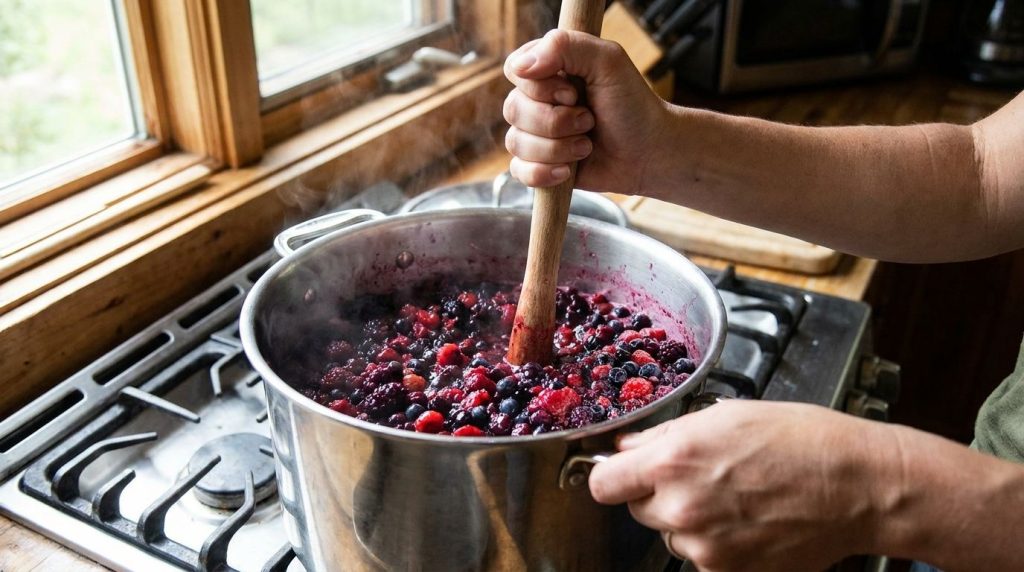
- Cook the Berries: In a large, heavy-bottomed pot, combine the cleaned berries and lemon juice. Bring to a simmer over medium heat, mashing the berries gently with a potato masher or spoon as they soften. Continue to simmer for about 5-10 minutes, or until the berries have softened and released their juices.
- Add Sugar: Stir in the granulated sugar until completely dissolved. If using commercial pectin, add it now according to package directions, often by dissolving it first in a small amount of fruit juice or water.
- Boil to Jelling Point: Increase the heat to bring the mixture to a rolling boil that cannot be stirred down. Cook, stirring constantly to prevent scorching, until the jam reaches its jelling point. This usually takes 10-20 minutes. You can test for doneness by placing a spoonful on a chilled plate, waiting 30 seconds, and then pushing it with your finger. If it wrinkles, it’s ready.
- Fill Jars: Carefully ladle the hot jam into the hot, sterilized jars, leaving about 1/4 inch headspace. Wipe the rims clean.
- Seal: Place lids and screw bands on, tightening them finger-tight.
- Process (Optional but Recommended): For shelf-stable jam, process the filled jars in a boiling water bath canner for 10-15 minutes (adjust for altitude).
- Cool: Remove jars from the canner and let them cool undisturbed on a towel-lined counter for 12-24 hours. Check seals (lids should be concave).
How to Use Wild Berry Jam
The possibilities are endless! Spread it on toast, scones, or pancakes. Swirl it into yogurt or oatmeal. Use it as a filling for tarts or thumbprint cookies. It also makes a fantastic glaze for roasted meats or a flavorful addition to salad dressings.
How Often to Use
Enjoy your homemade wild berry jam as often as you like! Due to its sugar content, moderation is always key, but a spoonful here and there adds a wonderful burst of flavor to meals and snacks.
How to Forage & Choose Ingredients
This is the part most people skip, but it’s crucial for safety and success.
- Identification is Key: Never eat a wild berry unless you are 100% certain of its identification. Use reputable field guides and consider going with an experienced forager initially. Some berries are poisonous.
- Harvest Responsibly: Forage from clean areas away from roadsides, industrial sites, or areas that might be sprayed with pesticides. Take only what you need and leave plenty for wildlife and for the plant to continue thriving.
- Choose Ripe Berries: Look for firm, fully colored berries. Overripe berries can be mushy and affect the jam’s texture. Underripe berries may lack flavor and natural pectin.
Storage
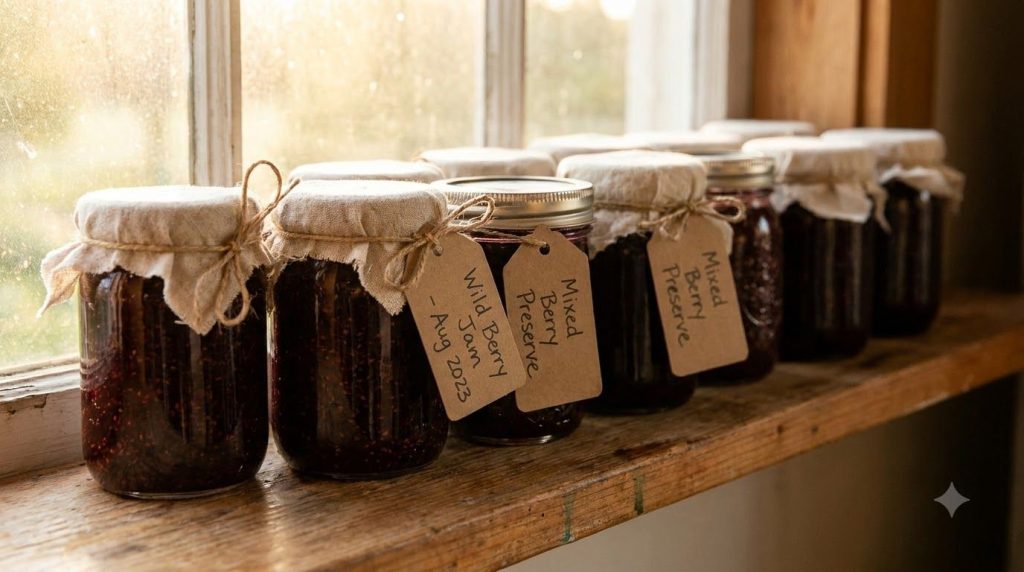
Properly processed and sealed jars of wild berry jam can be stored in a cool, dark place for up to a year. Once opened, refrigerate the jam and consume within 2-3 weeks.
Practical Tips
- Use a Large Pot: Jam boils up significantly, so a large, heavy-bottomed pot (at least 6-quart capacity for a 4-cup berry batch) is essential to prevent boil-overs.
- Clean as You Go: Keep your workspace tidy to prevent contamination.
- Don’t Rush the Jelling: It takes time for the sugar and pectin to work their magic. Be patient and keep stirring.
- Adjust Sugar: Taste your berries! If they are very tart, you might want more sugar. If naturally sweet, you can reduce it slightly.
Common Mistakes
- Misidentification: The most dangerous mistake. Always be absolutely certain of what you are picking.
- Foraging in Contaminated Areas: Picking berries from sprayed or polluted areas is a health risk.
- Not Sterilizing Jars: Leads to spoilage and short shelf life.
- Not Reaching Jelling Point: Results in runny jam.
- Overcooking: Can lead to a tough, overly firm jam or a caramelized flavor.
- Skipping Lemon Juice: Reduces both flavor brightness and the natural pectin needed for setting.
Cautions / Who Should Avoid It
Anyone with known allergies to specific berries should obviously avoid them. Pregnant or nursing individuals, young children, and those with compromised immune systems should exercise extra caution with foraged foods and always consult a healthcare professional before consuming. Emphasize proper identification; when in doubt, throw it out.
Quick Summary
Making wild berry jam transforms foraged fruits into a delicious preserve. Start with properly identified, clean berries, simmer with lemon juice, add sugar, and cook to the jelling point. Sterilize jars, fill, and process for shelf-stable storage. Enjoy on toast, in desserts, or as a savory accompaniment. Always prioritize safe foraging practices.
FAQ
- Can I use any wild berry for jam? While many wild berries are suitable, always confirm they are edible and safe. Blackberries, raspberries, and huckleberries are popular choices.
- Do I need pectin? Many wild berries (especially blackberries and tart apples if added) contain enough natural pectin. However, for a guaranteed set or with lower-pectin fruits like elderberries, commercial pectin can be helpful.
- How do I know when the jam is ready? The wrinkle test on a chilled plate is the most common method. The jam should also thicken considerably and stick to the back of a spoon.
- Can I reduce the sugar? Sugar is crucial for preservation and texture. While you can slightly reduce it, drastically cutting sugar can affect the jam’s set and shelf life. Low-sugar pectin is an option if you want to use less sugar.
- How long does homemade wild berry jam last? Properly canned and sealed jars can last up to a year in a cool, dark place. Once opened, refrigerate and consume within a few weeks.
- What if my jam doesn’t set? If your jam doesn’t set, it might not have reached a high enough temperature, or it lacked sufficient pectin. You can re-process it with added pectin or use it as a delicious sauce.
- Is it safe to forage for wild berries? Yes, if done correctly. Accurate identification, avoiding polluted areas, and respecting nature are paramount.
Conclusion
Transforming wild berries into homemade jam is more than just a recipe; it’s an adventure, a connection to the land, and a delightful way to capture the fleeting flavors of the wild. With careful foraging and precise preparation, you can fill your pantry with jars of this unique, flavorful preserve, ready to brighten any meal. So next time you see those vibrant berries, remember their hidden potential and embark on your own kitchen delight.
You may also like: Making Elderberry Syrup for Wellness
Read more: Your Guide to DIY Fruit Preserves