The forest floor often hides breathtaking displays of nature’s artistry: wild mushrooms. Their intricate shapes, vibrant colors, and mysterious growth patterns captivate us. But here’s the part most people skip: beneath their enchanting beauty often lies a deadly secret. Unlike foraging for berries or herbs, identifying edible mushrooms requires expert knowledge and zero margin for error. One small misidentification can have catastrophic consequences.
What They Are and Why They’re Dangerous
Wild mushrooms are the fruiting bodies of fungi, and while some are delicious culinary delights, others contain potent toxins that can cause severe illness, organ failure, or even death. The danger isn’t always obvious; many deadly species have edible look-alikes, making accurate identification extremely challenging for the untrained eye. These toxins are not destroyed by cooking, freezing, or any other form of preparation. Assuming any wild mushroom is safe to eat without absolute certainty is a gamble you can’t afford to lose.
Nine Wild Mushrooms Too Dangerous to Consume
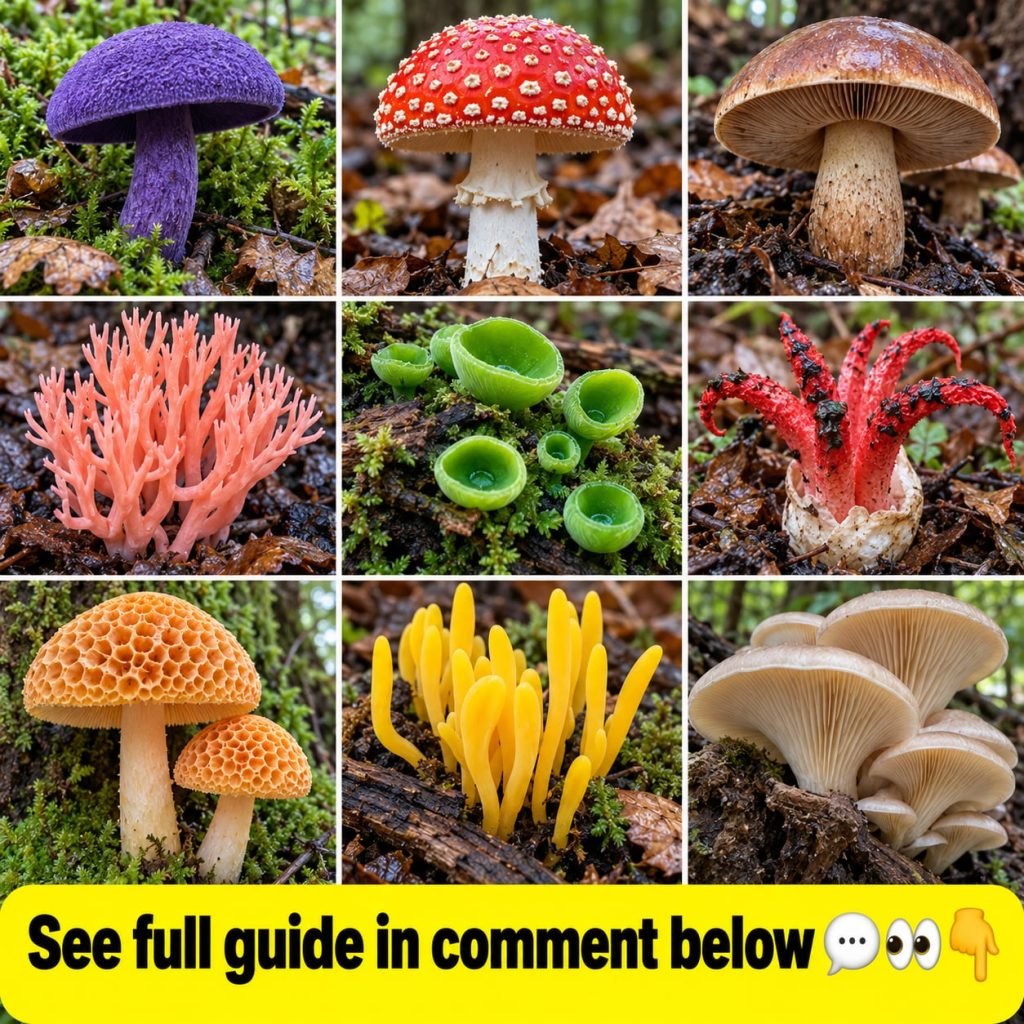
To highlight the critical need for caution, let’s explore nine common wild mushrooms that are absolutely too dangerous for consumption:
- Death Cap (Amanita phalloides): Perhaps the most notorious. Its plain appearance (often greenish cap, white gills, volva at base) belies its extreme toxicity. Even a small portion can be fatal, causing liver and kidney failure.
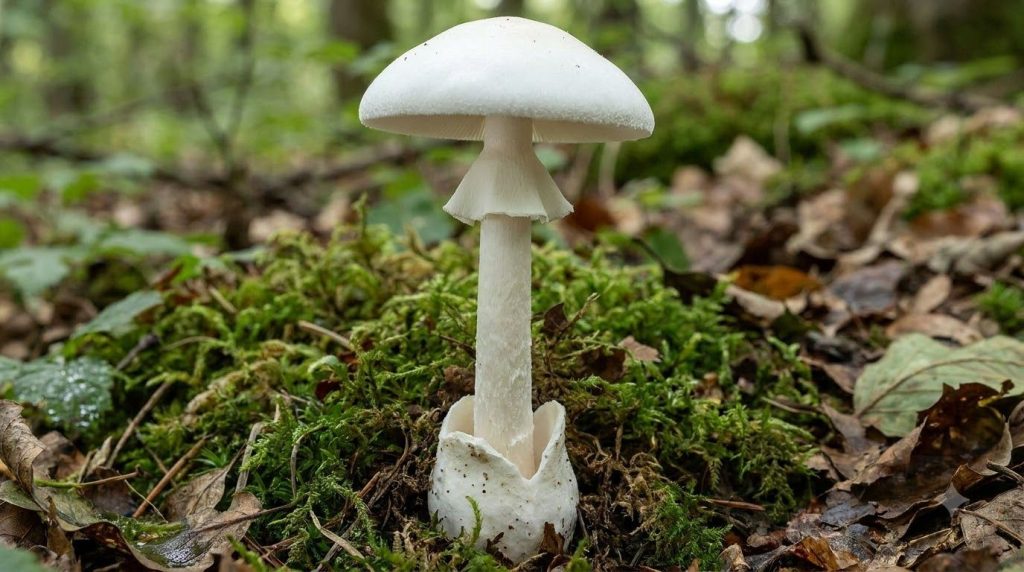
- Destroying Angel (Amanita virosa): A pure white, elegant mushroom that looks deceptively harmless. Like the Death Cap, it contains amatoxins and is responsible for many fatal poisonings. Look for its pure white cap, gills, and skirt-like ring.
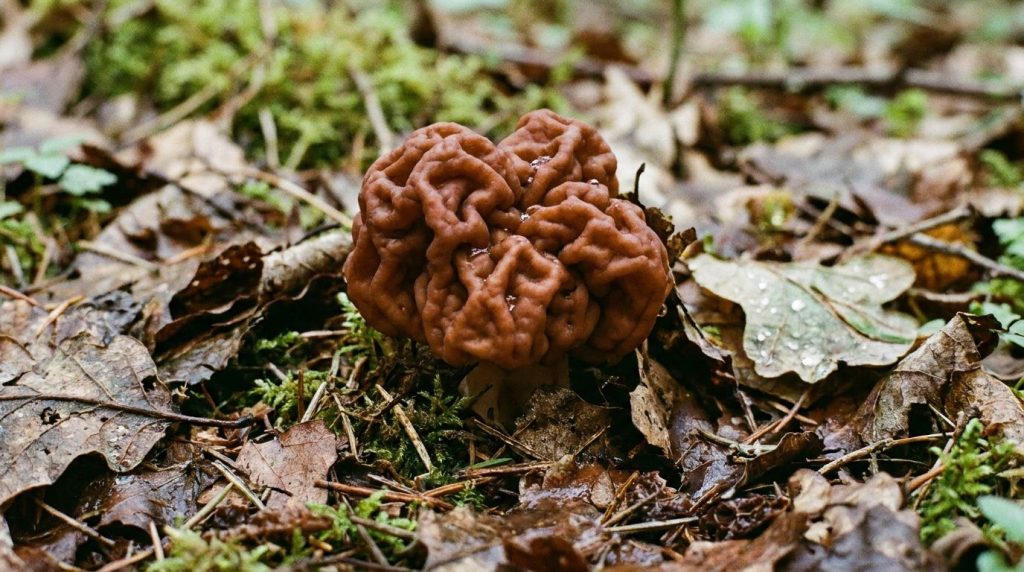
- False Morel (Gyromitra esculenta): This brain-like, wrinkled mushroom is often mistaken for edible morels. It contains gyromitrin, which metabolizes into monomethylhydrazine (rocket fuel!), causing severe gastrointestinal issues, neurological symptoms, and liver damage. Even careful cooking doesn’t guarantee safety.
- Deadly Webcap (Cortinarius rubellus): Identified by its rusty-brown cap, gills, and fibrous stem, often with reddish zones. It contains orellanine, a slow-acting kidney toxin. Symptoms can take days or even weeks to appear, making diagnosis and treatment challenging.
- Autumn Skullcap (Galerina marginata): A small, unassuming brown mushroom that grows on decaying wood. It contains amatoxins, the same deadly toxins found in Death Caps. It’s often mistaken for edible species like the Honey Mushroom.
- Jack-o’-lantern Mushroom (Omphalotus illudens): A brilliant orange mushroom, sometimes bioluminescent, that grows in clumps on wood. While not typically fatal, it causes severe gastrointestinal upset, intense cramping, vomiting, and diarrhea. Often confused with chanterelles.
- Deadly Conocybe (Conocybe filaris): A tiny, delicate brown mushroom often found in lawns and grassy areas. Despite its size, it packs a deadly punch, containing amatoxins and frequently mistaken for psilocybin-containing mushrooms.
- Green-Spored Parasol (Chlorophyllum molybdites): A large, impressive white mushroom with greenish spores and gills that bruise brown. It causes intense gastrointestinal distress but is rarely fatal. It’s frequently mistaken for edible parasol mushrooms.
- Fly Agaric (Amanita muscaria): The iconic red-and-white spotted mushroom. While rarely fatal to adults, it contains ibotenic acid and muscimol, causing hallucinations, delirium, nausea, and disorientation. Definitely one to admire, not consume.
Did You Know?
Many mushroom toxins are heat-stable, meaning cooking them will not render them safe for consumption. This is a common misconception that can lead to severe poisoning.
Practical Tips for Wild Mushroom Safety
When it comes to wild mushrooms, caution is your best friend. Here are essential practical tips to keep you safe:
- Never Guess: If you are not 100% certain of a mushroom’s identification, do not eat it.
- Educate Yourself: Invest in local field guides and consult with experienced mycologists.
- Observe Only: For general appreciation, stick to admiring mushrooms without disturbing them.
- Gloves for Handling: If you must handle unknown mushrooms for identification purposes, wear gloves to avoid skin irritation from certain species.
- Keep Away from Children and Pets: They are often more vulnerable to toxins.
- Photograph for ID: If you’re curious, take clear photos from multiple angles (top, bottom, stem, habitat) to show an expert, but do not pick it.
Common Mistakes to Avoid
Mistakes in mushroom foraging can be fatal. Steer clear of these common pitfalls:
- Relying on Folk Tales: Myths like ‘poisonous mushrooms turn silver spoons black’ or ‘peeling the cap makes it safe’ are dangerously false.
- Assuming Edibility from Animal Consumption: What’s safe for a squirrel is not necessarily safe for a human.
- Insufficient Identification: Picking a mushroom based on one or two features, instead of a comprehensive assessment of all characteristics (cap, gills, stem, spores, habitat, smell).
- Taste-Testing: Never taste a raw wild mushroom, even a tiny amount, if you are unsure of its identity.
- Confusing Look-Alikes: Many poisonous mushrooms mimic edible ones. This is the most dangerous mistake.
Look-Alikes: Edible vs. Dangerous
| Edible Species (Generally Safe) | Dangerous Look-Alike (Avoid) | Key Difference |
|---|---|---|
| Puffball Mushrooms (True Puffballs) | Young Death Caps / Destroying Angels (button stage) | Slice young puffball; true puffballs are uniform white inside. Deadly Amanitas will show gill structures. |
| Chanterelles | Jack-o’-lantern Mushroom | Chanterelles have blunt, forked ‘false gills’ that run down the stem; Jack-o’-lanterns have true, sharp gills. |
| Morels (True Morels) | False Morel | True morels are hollow from cap to stem; False Morels have a cottony or chambered interior. |
| Meadow Mushrooms (Agaricus campestris) | Yellow-Staining Mushroom (Agaricus xanthodermus) | Meadow mushrooms have pink gills maturing to brown; Yellow-Staining mushrooms bruise yellow quickly and strongly, especially at the base of the stem, and have a phenolic odor. |
Cautions: When to Seek Medical Help
If you suspect mushroom poisoning, whether you or someone else has ingested a wild mushroom, seek immediate medical attention. Do not wait for symptoms to worsen. Call emergency services or your local poison control center right away. If possible, collect a sample of the mushroom (or even vomit) for identification by medical professionals. Symptoms can include nausea, vomiting, diarrhea, abdominal pain, sweating, confusion, dizziness, and hallucinations. For some deadly mushrooms, symptoms may not appear for several hours or even days, offering a false sense of security, so prompt action is always best.
Quick Summary: Wild Mushroom Safety
- Best Preparation: Admire from a safe distance.
- Best Use-Case: Photography, nature study, not consumption.
- Storage: Not applicable; do not collect for storage unless an expert identifies it for a non-consumption purpose.
- When to Use (Caution): Always exercise extreme caution around wild mushrooms.
- What to Avoid: Eating any wild mushroom unless 100% identified by a mycologist as safe for consumption.
FAQ
- Can I touch poisonous mushrooms? Yes, generally touching most poisonous mushrooms is not dangerous, but it’s best to handle them with gloves if you’re uncertain or if you have cuts on your hands. Never put them in your mouth or rub them on sensitive skin.
- Are all white mushrooms dangerous? No, not all white mushrooms are dangerous, but some of the deadliest, like the Destroying Angel, are pure white. It’s a color that demands extra vigilance.
- What are “look-alikes”? Look-alikes are different mushroom species that bear a close resemblance to each other, often leading to misidentification between edible and poisonous types.
- How quickly do symptoms of mushroom poisoning appear? Symptoms can appear anywhere from 30 minutes to 6 hours for some toxins, but for the most dangerous ones (like amatoxins), symptoms might be delayed by 6 to 24 hours, or even longer, making diagnosis challenging.
- Can cooking make a poisonous mushroom safe? Almost never. The toxins in deadly mushrooms are generally heat-stable and are not destroyed by cooking, boiling, or freezing.
- What should I do if I suspect poisoning? Call emergency services or your local poison control center immediately. Provide as much information as possible about the mushroom ingested.
- What part of the mushroom is best for identification? For identification, experts often need the entire mushroom, including the cap, gills, stem, and especially the base (to check for a volva or bulb). Photos of its natural habitat are also very helpful.
Conclusion
While the allure of wild mushrooms is undeniable, their inherent dangers cannot be overstated. The key to enjoying these fascinating organisms safely is to remember the golden rule: admire, don’t eat. Unless you are an experienced mycologist with a proven track record, avoid foraging for consumption. Your health is far too precious to risk on a mistaken identity.
You may also like: Identifying Edible Berries: What’s Safe in the Wild?
Read more: Common Garden Herbs to Approach with Caution