Chia Seeds: How Much is Enough?
Chia seeds are tiny nutritional powerhouses, packed with fiber, omega-3 fatty acids, protein, and antioxidants. They’ve become a staple in many healthy diets, appearing in everything from smoothies to puddings. But if you’ve ever found yourself wondering, “How much chia should I actually add to my oats or yogurt?” you’re not alone. Getting the serving size right can make all the difference in enjoying their benefits and making sure they work well in your recipes.
Understanding Chia Seed Serving Sizes
One of the most common questions about chia seeds revolves around their serving size, especially since they expand significantly when hydrated. A standard recommended serving size for chia seeds is typically 1 to 2 tablespoons (about 15-30 grams) per day for adults. This amount generally provides a good balance of nutrients without being excessive.
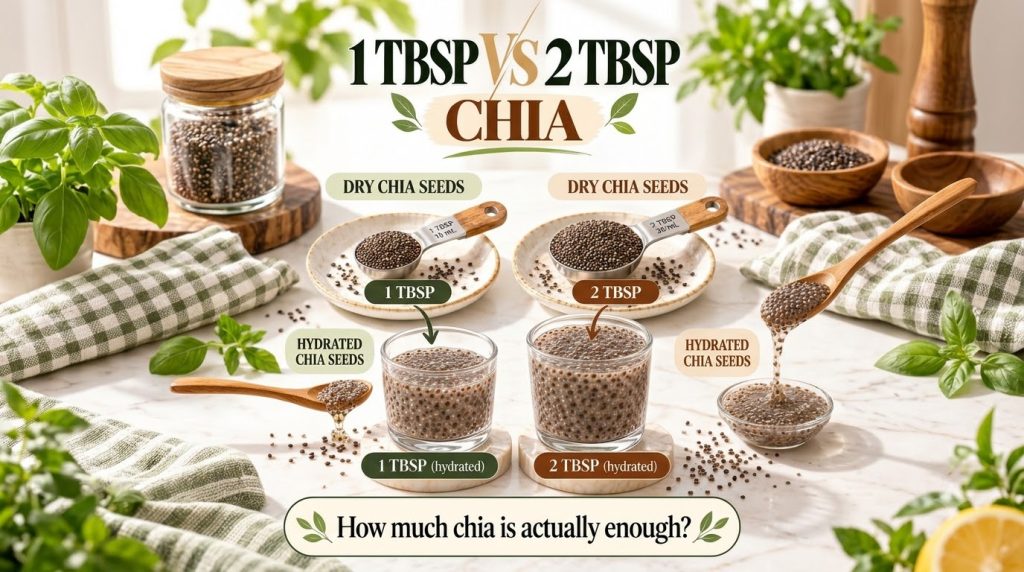
The visual difference between 1 and 2 tablespoons, particularly after hydration, can be quite striking. While 1 tablespoon of dry chia seeds might look small, it can expand to a considerable volume when soaked, forming a gel-like consistency. Two tablespoons will, of course, double that volume, creating a much thicker mixture, which is perfect for a filling chia pudding but might be too much for a light smoothie if you’re not careful with other liquid ingredients.
The Nutritional Power of Chia Seeds
These tiny seeds offer a wealth of health benefits that make them a fantastic addition to almost any diet:
- Rich in Fiber: Chia seeds are an excellent source of dietary fiber, crucial for digestive health, blood sugar regulation, and promoting a feeling of fullness. Just one ounce (about 2 tablespoons) can provide a significant portion of your daily recommended fiber intake.
- Omega-3 Fatty Acids: They are one of the best plant-based sources of alpha-linolenic acid (ALA), an essential omega-3 fatty acid. Omega-3s are vital for heart health, brain function, and reducing inflammation.
- Protein Power: Chia seeds contain a decent amount of protein, making them beneficial for muscle repair and growth, especially for those following vegetarian or vegan diets.
- Antioxidants: These seeds are packed with antioxidants that help protect your body’s cells from damage caused by free radicals.
- Minerals: They provide essential minerals like calcium, magnesium, and phosphorus, which are important for bone health.
How to Incorporate Chia Seeds into Your Diet
Knowing how much to use is just the first step; next is integrating them deliciously into your meals:
- Chia Pudding: Combine 2-3 tablespoons of chia seeds with 1 cup of milk (dairy or non-dairy) and your favorite sweetener. Let it sit in the fridge for at least 4 hours, or overnight, until it forms a thick pudding.
- Smoothie Booster: Add 1-2 tablespoons of chia seeds to your morning smoothie for an extra boost of fiber and omega-3s. They will subtly thicken the smoothie.
- Oatmeal or Yogurt Topping: Sprinkle 1 tablespoon of dry chia seeds over your oatmeal, cereal, or yogurt. They will absorb some moisture as you eat, providing a pleasant texture.
- Baking: Use chia seeds as an egg substitute (1 tablespoon chia seeds + 3 tablespoons water per egg) or add them to baked goods like muffins, bread, or energy bars for added nutrition and texture.
- Thickening Agent: Use them to thicken soups, sauces, or homemade jams.
Remember to always hydrate chia seeds, especially if consuming more than a small sprinkle, to prevent digestive discomfort and ensure proper absorption.
Tips for Success
- Start Small: If you’re new to chia seeds, begin with 1 tablespoon a day and gradually increase if desired, allowing your digestive system to adjust to the added fiber.
- Hydrate Properly: Always ensure you’re consuming enough liquids throughout the day, especially when incorporating fiber-rich foods like chia seeds.
- Listen to Your Body: Everyone’s digestive system is different. Pay attention to how your body responds and adjust your intake accordingly.
Ultimately, the “right” amount of chia seeds is the amount that fits best into your daily diet, provides you with their amazing benefits, and feels good for your body. Experiment with different serving sizes in your favorite recipes to find your perfect balance. Enjoy exploring the versatility and nutritional richness of these tiny seeds!